

When Anxiety Takes Over Your Life
Inpatient rehab for anxiety provides 24/7 residential care for individuals whose symptoms are too severe for outpatient treatment. This intensive level of care offers medical supervision, structured therapy, and a safe environment to focus on healing when traditional coping strategies are not enough.
Quick Answer: You may need inpatient anxiety treatment if you:
- Can’t function in daily life due to anxiety symptoms
- Have thoughts of self-harm or suicide
- Experience constant panic attacks
- Haven’t improved with outpatient therapy
- Are self-medicating with drugs or alcohol
- Have completely isolated yourself from others
While occasional anxiety is normal, for millions it becomes a serious disorder. Anxiety disorders are the world’s most common mental health struggle, affecting over 301 million people worldwide and 40 million adults in the U.S. annually. These conditions go far beyond everyday worry.
When anxiety becomes a disorder, it can take over your life, making simple tasks feel impossible and straining relationships. You might start avoiding people, places, or situations to escape the overwhelming fear.
While some find relief through weekly therapy or meditation, others require more intensive help when anxiety disrupts every aspect of daily life. That’s where inpatient treatment comes in.
This guide explains when inpatient anxiety treatment might be necessary, what it involves, and how it can help you reclaim your life.
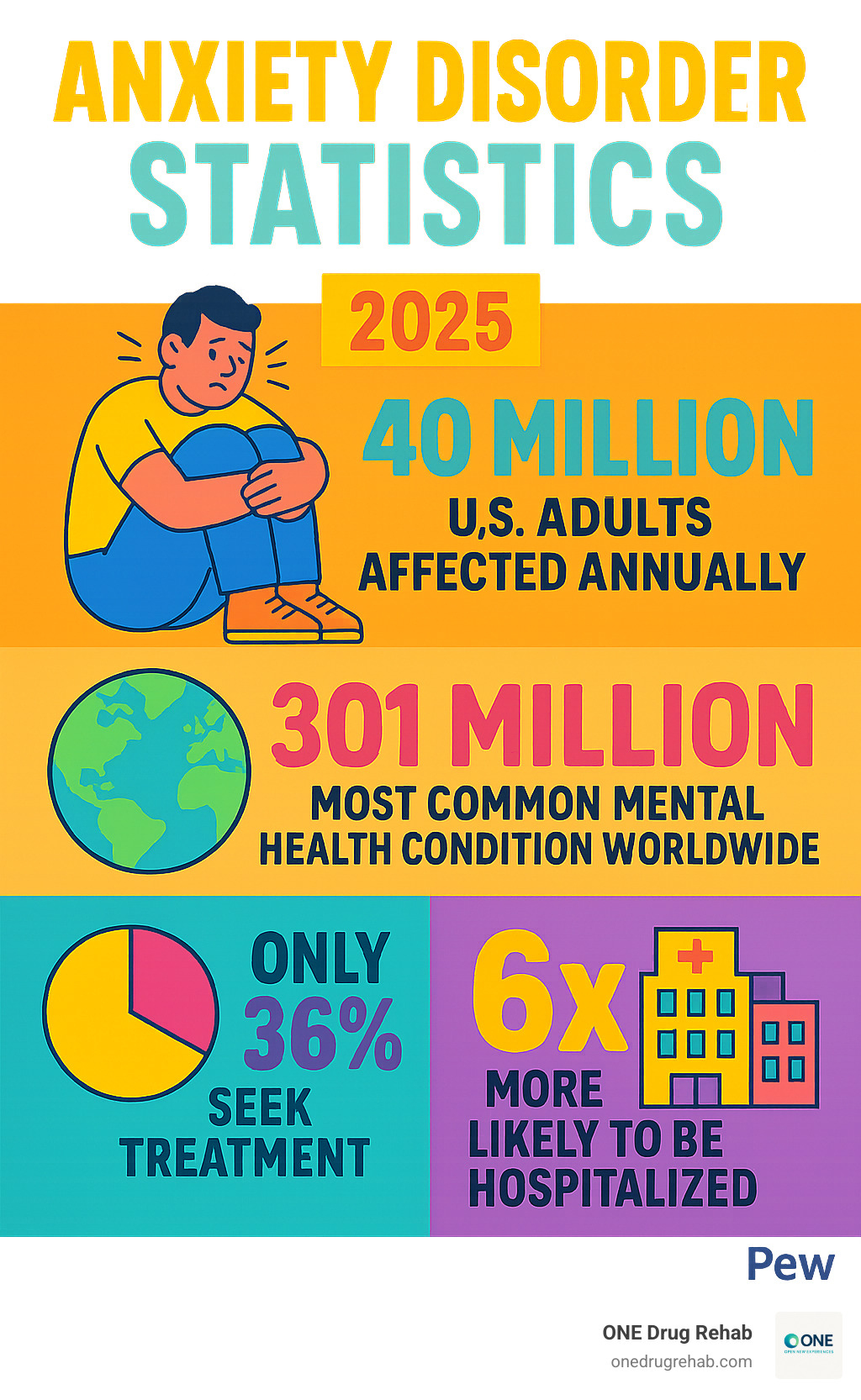
Easy inpatient rehab for anxiety glossary:
10 Signs You May Need Inpatient Anxiety Treatment
It can be difficult to know when anxiety requires more intensive help. Recognizing you need a higher level of care is a sign of strength. Here are specific warning signs that it’s time to consider inpatient rehab for anxiety.
- Overwhelming Symptoms: Your anxiety is so severe that daily life feels impossible. Your heart pounds constantly, thoughts race, and a feeling of impending doom is persistent. This is more than a bad day; it’s anxiety controlling your life.
- Inability to Function: You can no longer manage basic responsibilities. Work or school performance suffers, and even simple self-care like showering or eating becomes a struggle.
- Daily Tasks Feel Impossible: Routine activities like grocery shopping or paying bills trigger panic or overwhelming dread, causing you to avoid them.
- Strained Relationships: Anxiety can manifest as irritability or anger, leading to frequent conflicts. You may avoid social events or feel too consumed by worry to be present for loved ones.
- Outpatient Treatment Isn’t Enough: You’ve tried weekly therapy, medication, and other strategies, but your symptoms haven’t improved. This indicates a need for more intensive care, not that you’ve failed.
- Self-Medicating with Drugs or Alcohol: Using substances to quiet anxious thoughts can create a dangerous cycle where anxiety and addiction fuel each other. These co-occurring issues often require integrated treatment, as explained in More info about Types of Addiction Treatment.
- Thoughts of Self-Harm or Suicide: This is the most serious red flag and a medical emergency. If anxiety is so severe that you’re considering hurting yourself, an inpatient facility provides immediate safety and support.
- Constant Panic Attacks: Frequent, unpredictable panic attacks can make you feel like you’re dying or losing control. This can lead to a fear of leaving your home or being alone.
- Declining Physical Health: Chronic anxiety often causes physical symptoms like stomach problems, headaches, insomnia, and chest pain. When anxiety harms your physical health, intensive intervention is necessary.
- Complete Social Isolation: If you avoid everything that might trigger your anxiety, your world becomes very small. Inpatient rehab offers a safe environment to re-engage with life and build better coping skills.
What is Inpatient Rehab and How Does It Differ from Outpatient Care?

Inpatient rehab for anxiety is a residential treatment program where you live at a specialized facility. It allows you to step away from daily stressors and focus entirely on healing with 24/7 medical supervision and support. The structured environment helps establish healthy routines in a way that outpatient care cannot.
This level of care is designed for those with severe anxiety, thoughts of self-harm, or co-occurring disorders like depression or substance use. The key difference is that inpatient treatment removes you from triggers, while outpatient care requires you to manage them in your daily life.
| Feature | Inpatient Anxiety Treatment | Outpatient Anxiety Treatment |
|---|---|---|
| Structure | Highly structured, 24/7 schedule with daily therapies. | Flexible, scheduled appointments (weekly, bi-weekly). |
| Intensity | Intensive, immersive therapy and constant support. | Less intensive, relies on self-management outside sessions. |
| Environment | Residential, removed from daily stressors and triggers. | Home-based, requires managing daily life and triggers. |
| Support | Round-the-clock medical and therapeutic supervision. | Scheduled professional support, relies on personal support network. |
| Ideal Candidate | Severe symptoms, safety concerns, co-occurring disorders, failed outpatient, need for crisis stabilization. | Mild to moderate symptoms, stable home environment, ability to self-manage, strong support system. |
Key Benefits of Choosing Inpatient Rehab for Anxiety
Choosing inpatient treatment provides a complete support system for recovery. Key benefits include:
- Comprehensive Assessment: A thorough evaluation of your history and triggers informs your care.
- Individualized Treatment Plans: Your plan is custom to your specific needs, whether you’re dealing with panic attacks, trauma, or other conditions.
- Immersive Therapy: You’ll participate in multiple therapeutic activities daily, including individual and group sessions, to build coping skills.
- Peer Support: Connecting with others who understand your struggle creates a powerful, healing bond.
- Safe and Stable Environment: Free from external stressors, your nervous system can calm down, allowing you to focus on healing.
- Medication Management: Medical staff monitor your response to medications around the clock, making adjustments as needed.
- Healthy Routines: You’ll establish routines for sleep, nutrition, and exercise that support long-term mental wellness.
What Types of Anxiety Disorders Are Treated?
The National Institute of Mental Health classifies anxiety disorders into four general categories, and inpatient programs can treat the full spectrum of these conditions.
- Generalized Anxiety Disorder (GAD): Learn to manage persistent, everyday worry.
- Panic Disorder: Gain skills to control panic attacks and reduce the fear of future ones.
- Social Anxiety Disorder: Practice social skills in a safe, controlled environment.
- Specific Phobias: Undergo structured exposure therapy in a secure setting.
- Agoraphobia: Rebuild confidence in navigating the world through gradual, supported exposure.
- Obsessive-Compulsive Disorder (OCD): Break the cycle of obsessions and compulsions with intensive therapy.
- Post-Traumatic Stress Disorder (PTSD): Address underlying trauma and related anxiety symptoms with trauma-informed care.
Inpatient treatment is effective at addressing multiple conditions simultaneously, which is crucial as anxiety rarely occurs in isolation.
A Look Inside: Therapies and Treatments Used
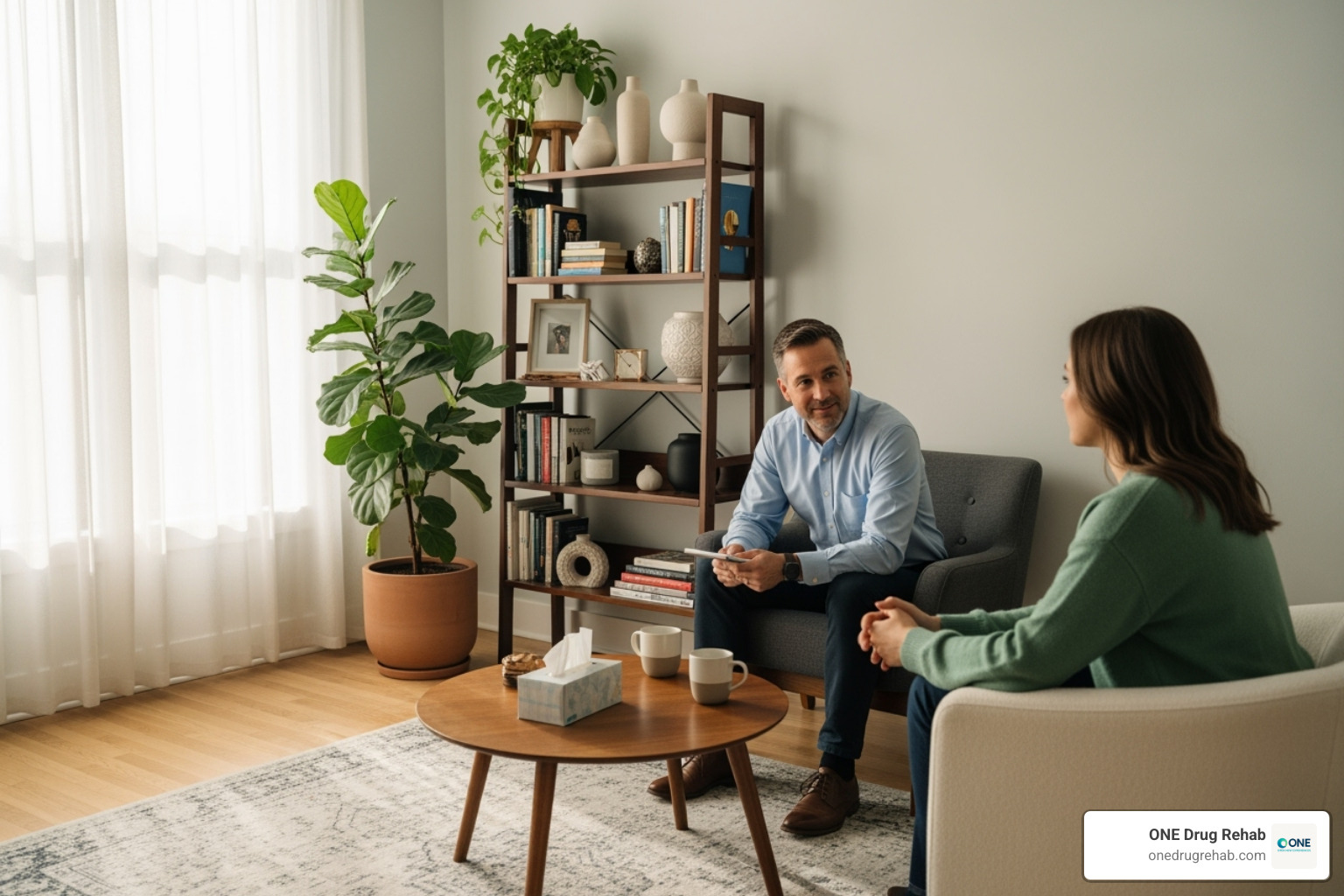
Inpatient rehab for anxiety combines evidence-based treatments with a holistic approach, guided by a multidisciplinary team of specialists. Your individualized care plan is the roadmap for your recovery.
Core Therapeutic Modalities
Treatment is centered on proven therapies:
- Cognitive Behavioral Therapy (CBT): As a primary intervention for anxiety, CBT helps you identify and challenge the negative thought patterns that fuel anxiety.
- Dialectical Behavior Therapy (DBT): DBT teaches practical skills in mindfulness, distress tolerance, and emotional regulation, which is especially helpful for intense emotional swings.
- Exposure Therapy: Under a therapist’s guidance, you’ll gradually face triggers in a safe environment, with immediate support available.
- Trauma-Informed Care: This approach recognizes that past trauma can fuel anxiety and ensures your treatment feels safe and supportive.
- Group Therapy: Sharing experiences with peers provides profound healing, helps build social skills, and reminds you that you are not alone.
- Medication Management: A psychiatrist conducts a thorough psychiatric evaluation and manages medications, monitoring your response daily to ensure effectiveness.
Addressing Co-Occurring Disorders
Anxiety often co-occurs with substance use. Research shows that 18% of those with SUD also have an anxiety disorder, a condition known as dual diagnosis. Many people self-medicate with substances, creating a cycle where anxiety and addiction worsen each other.
Inpatient integrated care treats both conditions simultaneously, addressing the root causes of the substance use and anxiety connection. This comprehensive approach improves the chances of lasting recovery. Families can find resources to help a loved one through More info about Rehab for Families.
Holistic and Complementary Therapies
Modern rehab programs treat the whole person—mind, body, and spirit. These therapies complement traditional treatment:
- Mind-Body Practices: Yoga, meditation, and mindfulness teach you to ground yourself and counter anxiety’s physical symptoms.
- Creative Therapies: Art therapy and music therapy offer non-verbal ways to express complex emotions.
- Recreational Therapy: Activities like sports and outdoor trips help rebuild confidence and social skills.
- Physical Wellness: Nutritional counseling and fitness programs harness the connection between physical health and mood, using exercise as a natural anxiety-reducer.
These approaches work together to build a foundation for a balanced life.
Navigating the Logistics of Inpatient Care
Deciding to seek inpatient rehab for anxiety is a brave step, and facilities have admissions teams to guide you through the logistics. The process usually starts with a confidential call to discuss your symptoms and needs to determine if the program is a good fit.
Typical Duration of Treatment
Program length varies based on individual needs. While short-term crisis stabilization may last 3-10 days, comprehensive residential programs are often longer. Many facilities offer 30, 60, or 90-day programs, with an average stay around 28 days. The optimal duration depends on the severity of your symptoms and any co-occurring conditions. Your treatment team will personalize the length of stay to your progress.
Financial Considerations and Insurance Coverage
The cost of treatment is a common concern, but untreated anxiety also has significant costs. The good news is that most PPO, HMO, and private insurance plans cover mental health treatment due to federal parity laws. An insurance verification check is the first step to understanding your coverage and potential out-of-pocket expenses.
Many facilities also offer financing options, payment plans, or sliding scale fees. If you are uninsured, there are still ways to get help. You can find More info about how to Find Rehab Without Insurance to explore your options.
The Role of Family Involvement
Anxiety affects the entire family, so quality programs emphasize family involvement for lasting recovery. This often includes:
- Family Therapy: These sessions provide a safe space to heal relationships, improve communication, and address how anxiety has impacted family dynamics.
- Education for Loved Ones: Families learn about anxiety disorders, triggers, and how to provide effective support without enabling unhealthy behaviors.
- Building a Support System: The goal is to improve communication skills and establish healthy boundaries, creating a strong support network for your return home. Family involvement significantly improves treatment outcomes.
Life After Treatment: Continuing Care and Lasting Recovery
Recovery is an ongoing journey. A robust aftercare plan is crucial for building on the progress made during inpatient treatment and preventing relapse. Key components include:
- Aftercare Planning: Before you leave, your team will help create a personalized plan to manage anxiety long-term.
- Relapse Prevention Strategies: You’ll learn to identify triggers and develop coping mechanisms for stressful situations.
- Step-Down Levels of Care: Many people transition to less intensive programs to continue their recovery, such as:
- Partial Hospitalization Programs (PHP): Structured therapy for several hours a day, several days a week.
- Intensive Outpatient Programs (IOP): A flexible option with fewer therapy hours per week than PHP.
- Sober Living Homes: A supportive environment for those with co-occurring substance use disorders.
- Ongoing Therapy and Support: Continuing with individual therapy, group therapy, and community support groups is vital for lasting success. Many facilities also offer alumni programs for continued connection and accountability.
Finding the Right Inpatient Rehab for Anxiety
Choosing the right inpatient rehab for anxiety is a personal decision. To find a facility that aligns with your needs, consider the following:
- Specialization and Accreditation: Look for licensed, accredited centers specializing in anxiety disorders.
- Staff Qualifications: Inquire about the clinical team’s credentials and the patient-to-staff ratio.
- Personalized Approach: Ensure the facility creates individualized treatment plans, not a one-size-fits-all program.
- Reviews and Reputation: Read reviews to gain insight into the experiences of former patients.
For a detailed guide on evaluating your options, explore More info about how to Compare Rehab Centers.
Take the First Step Towards a Calmer Future
Living with overwhelming anxiety is a daily battle. When standard coping strategies are no longer enough, it’s time to consider a more intensive approach. Inpatient rehab for anxiety is not a sign of failure; it’s a powerful tool for recovery that provides a safe, supportive environment where healing is the only priority.
This guide has shown that hope for healing exists and that you can reclaim your life from anxiety. Recognizing you need help is a sign of courage, not weakness. Recovery from severe anxiety is possible for those who choose to seek intensive treatment.
At ONE Drug Rehab, we empower you to make informed decisions about your care. We are a neutral resource where you can research options, compare approaches, and find the information you need to choose the right path for your unique situation.
Your journey to recovery is personal. The most important step is finding a facility that understands your specific needs and offers the right level of care. You don’t have to do this alone. Whether you’re researching for yourself or a loved one, we are here to help you find quality care.
Your calmer future is waiting. Ready to explore your options? More info about finding treatment options near you can help you start your journey toward lasting recovery.