
Wilderness therapy programs: 2025 Essential Guide
What Are Wilderness Therapy Programs?
Wilderness therapy programs combine outdoor living with clinical treatment to help adolescents and young adults with mental health, behavioral, and substance abuse issues. These programs immerse participants in challenging wilderness settings where they live outdoors, learn survival skills, and work with licensed therapists.
Key Facts About Wilderness Therapy Programs:
- Target age: Primarily 13-17 years old, some serve up to age 28
- Duration: Typically 8-12 weeks, averaging 30-90 days
- Cost: $19,934 for 30 days on average, can exceed $50,000 per stay
- Models: Expedition (nomadic hiking), base camp (fixed location), or hybrid approaches
- Staff: Licensed therapists work alongside wilderness guides and field instructors
- Conditions treated: Depression, anxiety, substance abuse, behavioral problems, family conflict
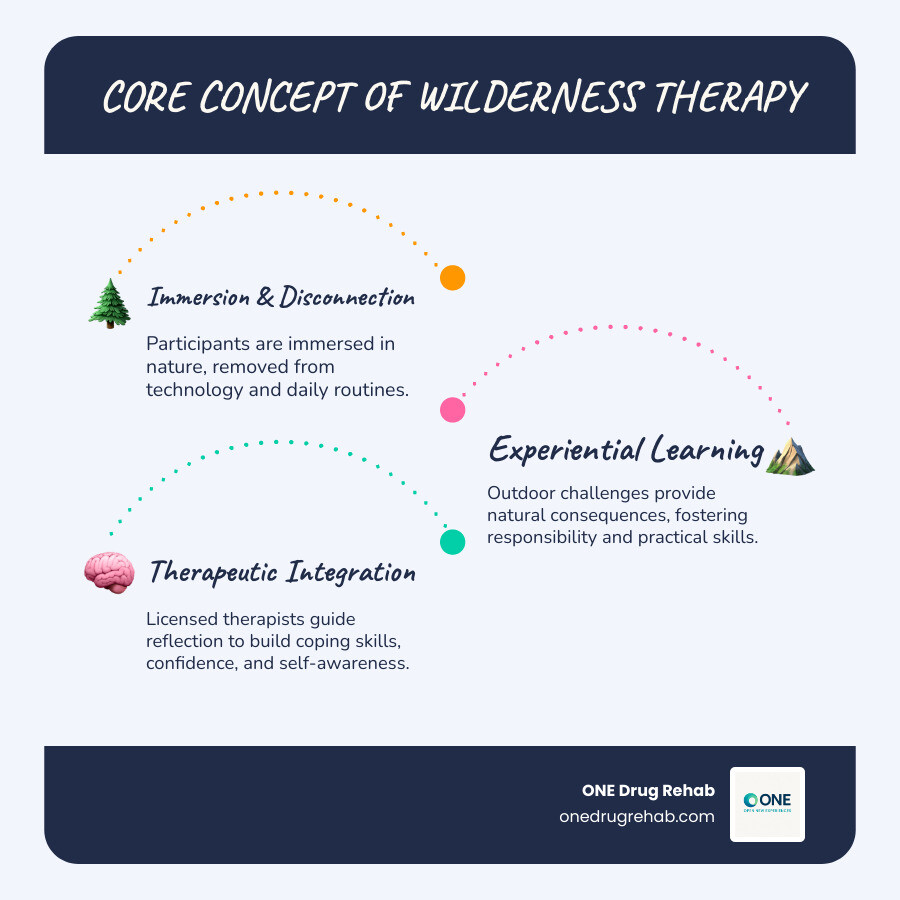
These programs use nature’s challenges—like making fire, building shelter, and hiking—as therapeutic tools. The idea is that removing distractions and creating natural consequences helps participants develop responsibility, confidence, and healthy coping skills.
However, wilderness therapy remains highly controversial. While some families report life-changing outcomes, the industry faces serious criticism. The U.S. Government Accountability Office documented thousands of abuse reports and multiple deaths in these programs. Critics point to inadequate regulation and deceptive practices within the “troubled teen industry.”
This guide covers the potential benefits and significant risks to help you make an informed decision.
What is Wilderness Therapy? A Look Beyond the Scenery
Wilderness therapy is a specialized form of outdoor behavioral healthcare that uses nature as a therapeutic tool. Instead of an office, troubled teens and young adults hike mountain trails, build shelters, and learn to make fire. The wilderness becomes their classroom and path to healing.
By removing distractions like smartphones and familiar comforts, these programs create a stripped-down environment. Here, participants must confront their issues directly, learning responsibility and teamwork through group living.
The key therapeutic element is the presence of licensed therapists in the field. They guide participants in real-time, turning challenges like starting a fire or peer conflicts into immediate opportunities for growth and insight.

How It Differs from Other Outdoor Programs
It’s crucial to distinguish wilderness therapy programs from other outdoor experiences. Programs like Outward Bound, NOLS (National Outdoor Leadership School), and various summer camps offer valuable outdoor trips, but they are not therapy. They lack the licensed mental health professionals and individualized treatment plans designed to address specific diagnoses that are central to wilderness therapy.
In wilderness therapy, every activity is designed with therapeutic goals in mind, overseen by licensed therapists. For example, a summer camp teaches fire-building for fun; a therapy program uses it to help a teen understand persistence, problem-solving, and asking for help.
If you’re exploring different approaches to treatment, more info about different treatment options can help you understand the full landscape of what’s available.
Common Models of Wilderness Therapy Programs
Not all wilderness therapy programs are the same. There are several models:
The expedition model (or nomadic) keeps participants moving, hiking daily from campsite to campsite. The constant change and physical demands are part of the therapy.
The base camp model uses a central location for living, with shorter wilderness excursions. This offers more stability while still providing outdoor challenges.
Many programs use hybrid models, blending elements of both. Different models can be adapted to individual needs, whether a teen thrives on the constant challenge of an expedition or needs the security of a base camp to engage in healing.
The Promise of the Wild: Purported Benefits and Therapeutic Goals
The image of a young person on a mountaintop, feeling accomplished, captures the transformative potential that draws families to wilderness therapy programs.
The wilderness provides clear natural consequences: a poorly built shelter leads to getting wet. These lessons can’t be manipulated, which is effective for youth accustomed to circumventing rules. Building resilience and genuine self-esteem happens naturally through mastering primitive skills.
Without digital distractions, the therapeutic alliance between staff and participants strengthens. Group living organically teaches social skills, as teens learn to communicate and support each other through shared challenges. Nature itself offers healing properties; research shows that time in nature reduces rumination—the repetitive, negative thoughts that fuel anxiety and depression.
Scientific research on how nature reduces rumination
Many programs involve the whole family, recognizing that a student’s success is tied to their family’s growth, which is crucial since participants return to their family systems after treatment.
Who Can Benefit from Wilderness Therapy Programs?
Wilderness therapy programs primarily serve adolescents and young adults (ages 13-28) for whom traditional therapy has not been sufficient. The setting can be particularly helpful for:
- Depression and anxiety: The combination of physical activity, nature, and routine provides relief from overwhelming symptoms.
- Substance abuse: Removing access to substances while building healthy routines creates a powerful foundation for recovery.
- Behavioral problems: Issues like oppositional defiance and anger respond well to the clear structure and natural consequences of wilderness living.
- Trauma: Nature’s calming effects can help participants process difficult experiences and reconnect with their bodies.
- Family conflict: Participants return with improved confidence and communication skills, while parents learn new approaches through family therapy.
- School failure or “failure to launch”: The focus on responsibility and practical skills can reignite motivation and purpose.
These programs are not for everyone, especially those with severe medical needs or active psychosis. But for many, they represent hope for a breakthrough.
Help for families is available
A Darker Path: Risks, Controversies, and the “Troubled Teen Industry”
Despite the promise of healing in nature, wilderness therapy programs are part of the controversial “troubled teen industry,” a multi-billion dollar business with serious problems.
This industry has little oversight, and some programs use deceptive marketing. Troubled facilities have even rebranded to continue harmful practices after scandals. Survivors like Paris Hilton and advocacy groups like Unsilenced and Breaking Code Silence are exposing the abuse. Their accounts reveal that some programs subject teens to isolation and harsh conditions that are not therapeutic.
Documented Risks and Allegations
Official investigations have uncovered disturbing patterns. The U.S. Government Accountability Office (GAO) found thousands of reports of abuse and neglect in residential programs, including wilderness camps, between 1990 and 2007. They also documented multiple deaths.
These deaths resulted from preventable causes like dehydration, heat exhaustion, improper physical restraint, and suicide. Tragedies continued with a death from hypothermia in 2014 and another at a camp in 2024.
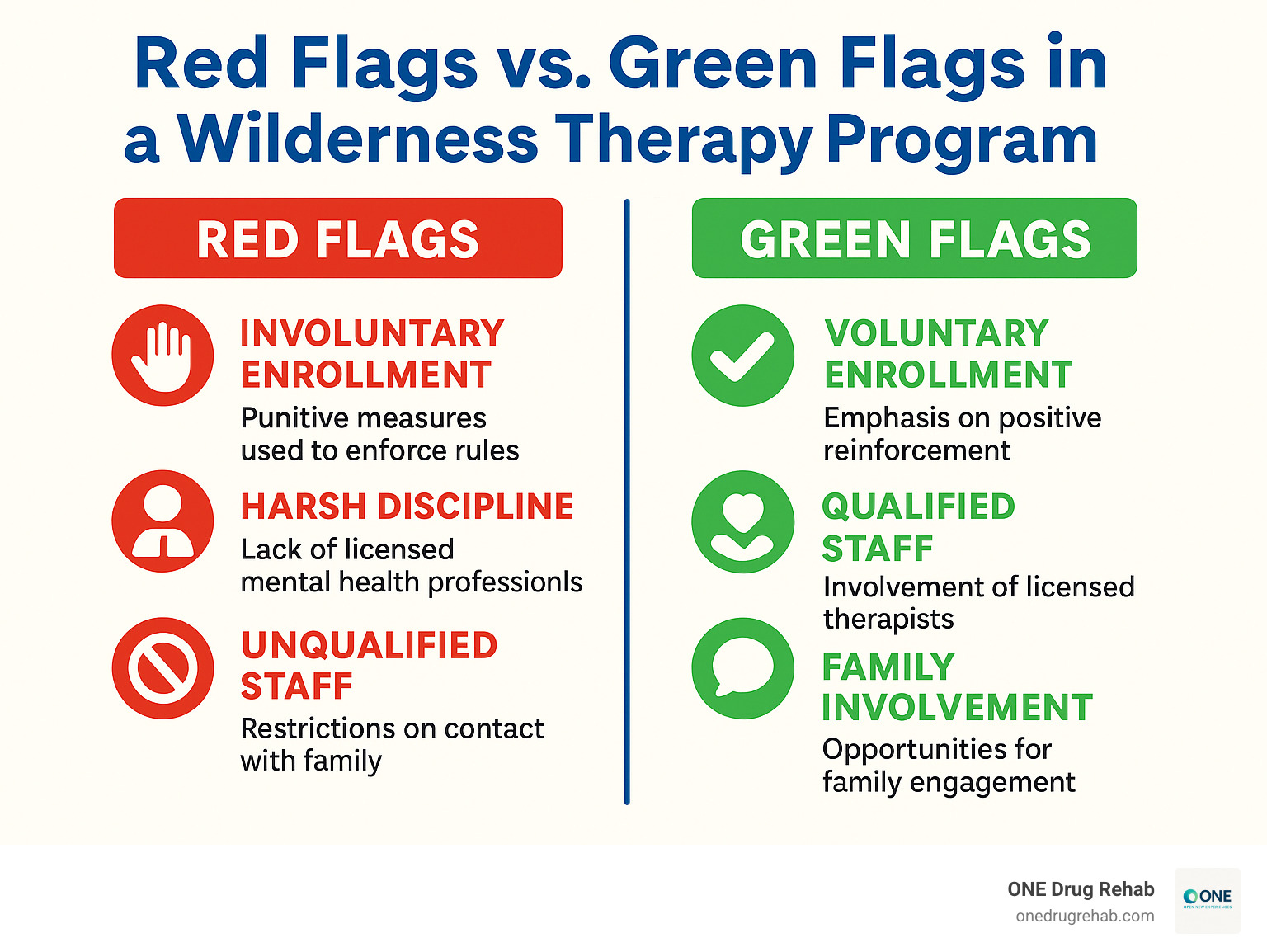
A controversial practice is “gooning” (involuntary youth transport), where parents hire agents to forcibly take a child to a program. This traumatic start can destroy the trust required for healing. Other serious problems include inadequate medical care and the use of unqualified staff with minimal training instead of licensed professionals.
The GAO’s report provides extensive documentation of these issues.
The GAO’s extensive report on abuse and death
The High Cost of Treatment
Wilderness therapy programs are incredibly expensive. The average cost for 30 days is nearly $20,000, with total stays often exceeding $50,000. This financial pressure is immense for families in crisis, who may drain savings or take on debt.
Insurance coverage is spotty. Many companies reject claims, classifying the treatment as “alternative medicine” or citing a lack of proof of its effectiveness. This can push desperate families toward cheaper, potentially unsafe programs.
If you’re struggling with treatment costs, there are options available.
Find rehab options without insurance
Making an Informed Choice: Vetting Programs and Exploring Alternatives
Choosing a wilderness therapy program is an overwhelming decision with high stakes for your loved one’s safety and future. Thorough research is essential.
Start with state licensing. With no federal oversight, state regulations are key. States like Utah, Oregon, Colorado, and others have specific rules for these programs. While not perfect, state licensing indicates a baseline of accountability.
Next, look for reputable accreditations from bodies like the Outdoor Behavioral Health Council (OBH Council), The Joint Commission, or CARF International. Accreditation from groups like NATSAP or AEE shows a program has committed to external standards for safety and ethics.
Verify staff qualifications. Ensure licensed therapists work directly with participants in the field, not just from an office. Check the staff-to-student ratio, as this is critical for safety. Also, review communication policies to understand how your family will be involved.
Key Questions to Ask Before Choosing a Program
Be a detective when vetting programs. Any reputable program will welcome your questions.
- Staff credentials and training: Who is responsible for my child? Are field staff trained in first aid and crisis intervention? Are licensed therapists consistently present in the field?
- Staff-to-student ratio: What is the ratio? A lower ratio means better supervision.
- Medical emergency protocols: What is the plan for a medical emergency miles from a hospital? How do you handle serious conditions like heatstroke or mental health crises?
- Communication with parents: How often can we speak with our child? Are there family workshops?
- Alumni families: Can I speak with families who have completed the program for an honest perspective?
- Therapeutic models: What specific, evidence-based practices (like CBT or DBT) do you use?
- Involuntary transport: What is your policy on “gooning”? Voluntary participation is a better foundation for therapy.
- Physical demands: Is the program appropriate for my child’s health and physical condition?
- Aftercare and transition planning: What support is provided after the program ends to maintain progress?
Evaluating the Effectiveness of Wilderness Therapy Programs
Determining if wilderness therapy programs work is difficult due to a messy research landscape with concerns about bias. Many programs boast high success rates, but much of the research is flawed, often relying on self-reported data collected by the programs themselves.
A 2024 study found that one in three teens sent to these programs didn’t meet the clinical criteria for residential treatment. Of those, 20% emerged in worse condition. However, the same study found that about 70% of participants with substance use, anxiety, or depression did improve, suggesting the programs can be beneficial for appropriately matched individuals.
The key takeaway is that effectiveness depends on whether a child truly needs this level of care. Programs should conduct thorough assessments and have clear exclusionary criteria. Success also hinges on the quality of clinical care, staff qualifications, and a robust aftercare plan to support the transition home. Due diligence is critical.
Frequently Asked Questions about Wilderness Therapy
How long do wilderness therapy programs typically last?
Most wilderness therapy programs last 8 to 12 weeks, with an average stay of 30 to 90 days. The exact duration depends on the program model and, most importantly, on individual therapeutic progress. Good programs adjust timelines based on a participant’s needs rather than a rigid schedule.
Is wilderness therapy the same as a “boot camp”?
No, they are fundamentally different. Boot camps historically used punishment, confrontation, and harsh discipline, often without clinical oversight.
Reputable modern wilderness therapy programs are led by licensed mental health professionals using evidence-based practices. The goal is growth and healing, not punishment. Programs like ANASAZI Foundation are explicit about rejecting force and confrontation, instead emphasizing a teaching-focused approach. The wilderness is a tool for growth, not a place of punishment.
What happens after a participant leaves a wilderness program?
The time after leaving a wilderness therapy program is critical for ensuring that positive changes last. Reputable programs develop comprehensive transition and aftercare plans.
These plans are customized and may include recommendations for step-down programs (like therapeutic boarding schools or residential treatment centers) or a structured return home with intensive outpatient therapy. Family involvement is crucial, and many programs offer parent coaching and alumni support. Without proper aftercare, participants risk relapsing into old patterns when faced with familiar triggers. Continued therapy and strong family support are key to long-term success.
Conclusion: Navigating Your Path to Healing
Understanding wilderness therapy programs reveals a complex landscape. They offer genuine promise for healing and growth, representing real change for many families.
However, the shadows of the “troubled teen industry”—abuse, deaths, and lack of oversight—are serious risks. Survivor stories from advocates like Paris Hilton and groups like Breaking Code Silence are critical warnings about the dangers that can hide behind appealing marketing.
The power is in making an informed decision. Become an educated advocate by asking tough questions about staff qualifications, safety protocols, and accreditations (like from the OBH Council or Joint Commission) to protect against potential harm. A beautiful setting is meaningless without licensed therapists, proper medical care, and oversight.
At ONE Drug Rehab, we understand these decisions are overwhelming. As a third-party, non-affiliated resource, we provide honest information, not endorsements. Every healing journey is unique, and wilderness therapy programs are just one of many treatment options.
Whether you choose wilderness therapy or another path, the most important step is thorough research. Your diligence can mean the difference between a transformative experience and a traumatic one. Trust your instincts and take the time you need to make the right choice.
Explore different types of addiction treatment