
Biofeedback addiction treatment: Unlock 2025 Healing
Why Biofeedback Addiction Treatment Offers Hope for Recovery
Biofeedback addiction treatment is a non-invasive therapy that helps people with substance use disorders learn to control their body’s automatic functions like heart rate, muscle tension, and brain activity.
Key Benefits:
- Reduces withdrawal symptoms and cravings
- Teaches self-regulation skills
- Works alongside traditional addiction treatments
- Has no harmful side effects
- Improves mental health and reduces relapse risk
How It Works:
- Sensors monitor your body’s signals
- You receive real-time feedback through sounds or visuals
- You learn to control these functions consciously
- Skills transfer to managing stress and triggers
If you’re exploring treatment options, biofeedback is a promising addition to traditional recovery. Unlike medications, it teaches your body to heal itself. Research is encouraging: studies show that adding biofeedback to standard treatment can raise 12-month abstinence rates from 44% to 77%. As one researcher noted, “if any medication had demonstrated the wide spectrum of efficacy seen in neurofeedback, it would be universally accepted and widely used.”
Biofeedback addresses the root problem by teaching you to regulate the brain and nervous system changes caused by addiction. This process restores a sense of control, as you can see and hear your progress in real time.

Relevant articles related to biofeedback addiction treatment:
Understanding Biofeedback and How It Works
Biofeedback addiction treatment is like physical therapy for your nervous system. It teaches you to control bodily functions that are normally automatic, such as your heart rate, muscle tension, and even your brainwaves.
During a session, non-invasive electrical sensors are placed on your body. They monitor signals like your breathing, heart rate, skin temperature, and muscle tension.
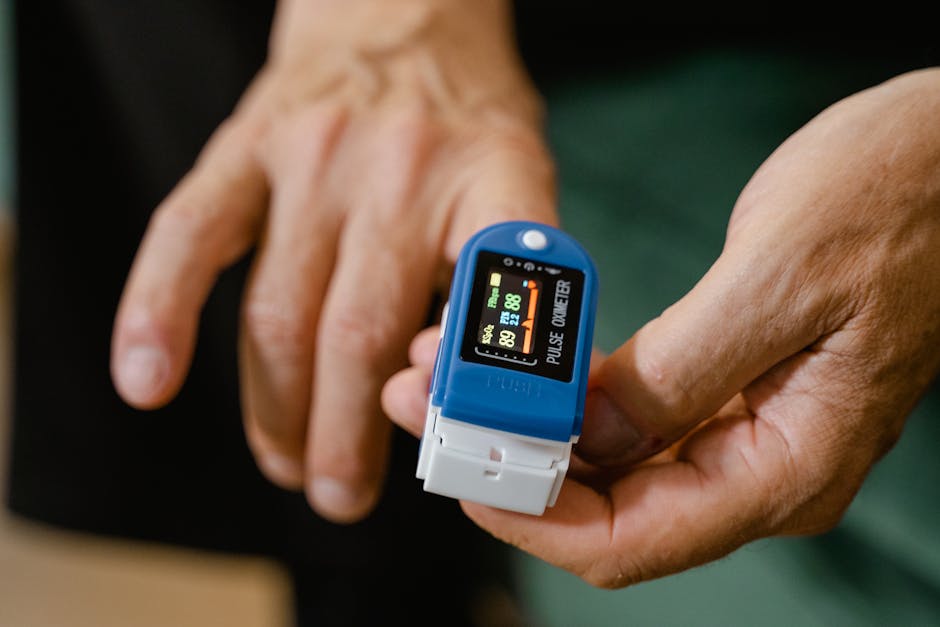
This information is fed back to you in real-time through visual cues (lights, images) or auditory cues (beeps, tones). As you practice relaxation techniques, you can see or hear the changes, giving you instant feedback on your progress. This process uses operant conditioning: your brain is rewarded for making positive changes, which reinforces the new skill.
The goal is to learn skills for stress reduction and self-control that you can use anywhere, without the machines. It’s like developing mental muscles for your nervous system.
For more comprehensive information about how biofeedback fits into broader wellness approaches, you can explore more information on mind-body therapies.
The Science Behind the Method
Biofeedback works by giving you conscious control over your autonomic nervous system, which manages functions like heart rate and breathing. Through physiological monitoring, sensors show you what your nervous system is doing in real-time.
When you see your heart rate spike, for example, you can use techniques like deep breathing to lower it, with the feedback confirming your success. This learning self-regulation process retrains how your central nervous system responds to stress. For those in recovery, this training reduces the stress response and improves mental clarity, freeing up energy to focus on recovery goals.
Conditions Biofeedback Can Treat Besides Addiction
While our focus is on addiction, biofeedback is a versatile tool for many conditions rooted in stress and poor self-regulation. It gives people a sense of control over their bodies, which is powerful for anyone in recovery. It has been used to successfully treat:
- Anxiety and PTSD: By calming the nervous system.
- Chronic pain, headaches, and migraines: By relaxing muscles and changing how the brain processes pain signals.
- High blood pressure: By teaching the body’s relaxation response.
- ADHD: Using a specific type called neurofeedback to improve focus.
- Incontinence: By strengthening specific muscles.
The Role of Biofeedback Addiction Treatment in Recovery
Addiction rewires the brain, hijacking the reward system and disrupting the body’s natural balance. Biofeedback addiction treatment helps restore this balance, going beyond symptoms to address the source of the problem.
It teaches you to calm the chaos addiction creates in the nervous system, where the body is often stuck in a “fight-or-flight” mode. This gives you real, tangible control over your body’s responses to stress and triggers.
Biofeedback works well alongside other therapies like counseling and group support. It is particularly helpful for managing impulsivity and emotional regulation, which are major challenges in early recovery. It’s also a safe, medication-free option for pregnant women and is effective for those with co-occurring conditions like ADHD, PTSD, or anxiety.

The research backing biofeedback for addiction treatment continues to grow. You can explore more about the scientific evidence in this comprehensive review of biofeedback for substance use disorders.
How Biofeedback Helps Manage Withdrawal and Cravings
Withdrawal and cravings are two of the biggest problems in recovery. Biofeedback addiction treatment provides powerful tools to manage them. During withdrawal, the nervous system is in overdrive. Biofeedback teaches you to calm this response, reducing the intensity of symptoms like restlessness, anxiety, and pain.
Cravings also have a physical component—a racing heart, tense muscles. Biofeedback helps you recognize these physical warning signs and use self-regulation skills to calm your nervous system, reducing the craving’s power.
Neurofeedback, a type of biofeedback focused on brainwaves, is particularly good at this. It helps restore the brain’s natural balance, addressing what researchers call “reward deficiency syndrome.” The beauty of this approach is that it gives you skills that work anywhere, anytime, with no side effects.
Effectiveness and Long-Term Outcomes
The research on biofeedback addiction treatment is impressive. Key findings show that it significantly improves long-term recovery.
- One study found that 77% of people who completed biofeedback training stayed sober at 12 months, compared to just 44% of those who didn’t.
- Research by Scott et al. (2005) showed that adding brainwave biofeedback to traditional treatment doubled the recovery rate for people with drug dependence.
- The Peniston Protocol, a specific neurofeedback technique, has shown sustained abstinence for years after treatment.
Participants in various studies also showed reduced impulsivity, better mood, and fewer cravings. While it can take 20-30 sessions over 3-6 months to see major changes, you are literally retraining your brain and nervous system.
Unlike medications that stop working when you stop taking them, biofeedback teaches you skills that last. People who learn these techniques have significantly lower relapse rates because they build the confidence and self-efficacy to handle life’s challenges without turning to substances.
Types of Biofeedback Therapy Used for Addiction
Different types of biofeedback addiction treatment are used to address various aspects of recovery, much like a carpenter uses different tools for different tasks. The two main categories are general biofeedback and neurofeedback.
| Feature | Biofeedback (General) | Neurofeedback (EEG Biofeedback) |
|---|---|---|
| Broadness | Broad term, encompasses many types | Specific type of biofeedback |
| Primary Focus | Monitoring various bodily functions | Monitoring and training brainwave activity |
| What’s Measured | Heart rate, muscle tension, skin temperature, breathing, sweat gland activity, blood pressure | Brainwaves (Alpha, Beta, Theta, Delta) |
| Equipment | Sensors for heart, muscles, skin, etc. | Electrodes on the scalp (EEG cap) |
| Core Principle | Learning to control peripheral physiological responses | Learning to regulate central nervous system (brain) activity |
| Application in Addiction | Managing stress, anxiety, withdrawal symptoms, cravings, general relaxation | Addressing brain dysregulation, cravings, impulsivity, co-occurring mental health issues |
Both approaches can be incredibly helpful, and many treatment centers use a combination depending on your specific needs.
Neurofeedback (EEG Biofeedback)
Neurofeedback is a specialized form of biofeedback addiction treatment that works directly with your brain’s electrical activity (brainwaves). Addiction often scrambles natural brainwave patterns, leading to anxiety, restlessness, and poor focus.
During a session, non-invasive electrodes on the scalp create an electroencephalogram (EEG) that shows your brainwave patterns in real time. You might play a simple video game or watch a movie that responds to your brain activity. For example, the game might only progress when your brain produces more calming alpha waves. Your brain naturally wants the reward, so it gradually learns to produce healthier patterns.

This process helps address reward deficiency syndrome—the brain’s damaged reward system that drives addiction. By normalizing brain patterns, neurofeedback can reduce cravings and improve impulse control.
Other Common Biofeedback Types
Other types of biofeedback offer unique benefits for recovery by tuning different body systems:
- Electromyography (EMG): Focuses on muscle tension. Sensors show you which muscles are tight, teaching you how to release them.
- Thermal biofeedback: Measures skin temperature. Learning to warm your hands through relaxation is a powerful way to calm your body’s stress response.
- Electrodermal activity (EDA): Tracks sweat gland activity, a sensitive measure of stress, helping you recognize it before it becomes overwhelming.
- Heart rate variability (HRV): Measures the variation in time between heartbeats. Low HRV is common in recovery and indicates a nervous system stuck in “fight or flight.” HRV training uses breathing to restore flexibility to the heart’s rhythm, promoting a calmer state where healing can happen.
What to Expect During a Biofeedback Session
A biofeedback addiction treatment session is a comfortable and straightforward experience. It’s a learning process, not a medical procedure.
- Initial Assessment: Your first visit will involve a discussion with your practitioner about your history, challenges, and recovery goals. They will likely take some baseline measurements of your physiological state.
- The Session: The practitioner will attach small, non-invasive sensors to your skin. These sensors simply listen to your body’s signals. You will then see or hear real-time feedback on a screen. The therapist will guide you through relaxation techniques (like deep breathing or guided imagery) to help you influence the feedback.
- Duration: Sessions typically last 30 to 60 minutes. The total number of sessions needed varies widely, from 10 for milder issues to 40 or more for complex conditions.
- The Goal: The ultimate goal is to learn these self-regulation skills so well that they become second nature, allowing you to manage stress and cravings in your daily life without any equipment.
Are There Risks or Side Effects?
One of the biggest advantages of biofeedback addiction treatment is its safety profile. It is generally considered safe with minimal risks because it is non-invasive and does not involve medication.
The few mild side effects that can occur are typically short-lived:
- Lightheadedness from deep breathing exercises.
- Fatigue after the mental focus of a session.
- Temporary anxiety in those sensitive to focusing on internal sensations.
These effects are uncommon and usually resolve quickly. The importance of working with qualified practitioners cannot be overstated, as they ensure the process is safe and effective.
Finding a Qualified Practitioner for Biofeedback Addiction Treatment
Finding the right professional is crucial for success. Here’s what to look for:
- Credentials: The gold standard is certification from the Biofeedback Certification International Alliance (BCIA). Look for practitioners with BCIA-BC (general) or BCN (neurofeedback) credentials.
- Experience with Addiction: Ask about their specific training and success in treating substance use disorders.
- Licensure: Many qualified practitioners are also licensed psychologists, therapists, or other healthcare professionals.
- Where to Find Them: You can search the BCIA website, ask your doctor for a referral, or look into treatment centers with holistic programs. You can find more info about holistic rehab centers that may offer these services.
- Questions to Ask: Inquire about their approach, recommended number of sessions, costs, and insurance coverage.
Frequently Asked Questions about Biofeedback for Addiction
It’s natural to have questions when exploring biofeedback addiction treatment. Here are answers to some of the most common ones.
Is biofeedback therapy covered by insurance?
Coverage varies greatly. While the Affordable Care Act mandates coverage for substance use disorder treatment, specific therapies like biofeedback depend on your individual plan, your diagnosis, and whether the treatment is deemed medically necessary.
To find out, call your insurance provider with the specific CPT (billing) codes from your practitioner. Ask about in-network versus out-of-network costs and whether pre-authorization is required. Many treatment facilities also offer payment plans or sliding scale fees.
What is the difference between biofeedback and neurofeedback?
Think of it this way: biofeedback is the broad category, and neurofeedback is a specific type.
- Biofeedback is the umbrella term for any technique that monitors bodily functions like heart rate, muscle tension, or breathing to help you learn to control them.
- Neurofeedback (or EEG biofeedback) is a specific type that focuses only on monitoring and training your brainwave activity.
Both use real-time feedback to teach self-regulation. In biofeedback addiction treatment, neurofeedback is often used because it directly addresses the changes addiction causes in the brain.
Can biofeedback therapy be used at home?
Yes, home-use devices, including mobile apps and wearables, are available. However, for a complex issue like addiction, they should be used to supplement, not replace, professional treatment.
A qualified practitioner provides personalized protocols, expert data interpretation, and crucial therapeutic support that a device cannot. Home devices are excellent for practicing and reinforcing the skills you learn in a clinical setting, but professional guidance remains essential for a safe and effective recovery journey.
A New Tool for a Lasting Recovery
Biofeedback addiction treatment offers a unique power: the ability to take back control from an illness that makes you feel powerless.
Addiction hijacks your brain and body, but biofeedback flips the script. It provides real-time proof that you can influence your heart rate, calm racing thoughts, and manage cravings. You are actively participating in your own healing, one session at a time.
This isn’t about replacing traditional treatment. Biofeedback is a powerful tool that works alongside therapy and support groups, teaching your brain and body to find balance without substances.
This process builds real confidence. The research backs this up, showing that biofeedback can significantly improve your chances of staying sober long-term. The 77% abstinence rates seen in studies represent real people who found hope and healing through this gentle, non-invasive approach.
For anyone feeling overwhelmed by recovery, biofeedback offers a clear message: your brain and body can heal, and you can learn to guide them. It’s not magic—it’s science, compassion, and your own capacity for change working together.
Ready to explore how biofeedback addiction treatment might fit into your recovery journey? Our directory at ONEDrugRehab.com can help you find treatment centers that offer this innovative therapy.
Find a treatment center that offers biofeedback therapy