

Why Understanding Rehabilitation Effectiveness Matters
Does rehab work? This question weighs on millions struggling with addiction and their loved ones. The short answer is yes, but with important caveats.
Quick Answer: Does Rehab Work?
- Success rates: 40-60% of people maintain sobriety one year after treatment
- It’s chronic management: Like diabetes or heart disease, addiction requires ongoing care
- Success varies: Effectiveness depends on program type, duration, and individual commitment
- Relapse is normal: 40-60% relapse rates are similar to other chronic conditions
- Quality of life improves: Even with relapse, most people see significant life improvements
The reality is nuanced. Addiction is a chronic brain disease, not a moral failing. Like other chronic diseases, addiction requires ongoing management, not a one-time cure.
Research shows that people who receive and stay in treatment stop using drugs, reduce criminal activity, and improve their social and psychological functioning. However, success doesn’t always mean perfect abstinence.
Rehab provides the tools and support to dramatically improve lives, even if the journey includes setbacks. The key is understanding realistic recovery and finding the right treatment approach for your situation.
The goal isn’t perfection. It’s progress, hope, and a better quality of life.

Simple guide to does rehab work:
Understanding Addiction and Defining “Success”
Addiction isn’t about weak willpower or poor moral choices; it’s a brain disorder called Substance Use Disorder (SUD). Addiction physically changes the brain, rewiring areas for reward, motivation, memory, and impulse control, making it incredibly difficult to stop.
This is why telling someone to “just quit” doesn’t work. Understanding this helps us approach “does rehab work” with realistic expectations.
Traditional ideas of “success” in addiction treatment need an update. While complete abstinence is a worthy goal, it’s not the only measure of success. Real recovery is much broader.
Improved quality of life can mean stable housing or a meaningful career. Reduced substance use might mean longer periods of sobriety between slip-ups. Better health and relationships could involve addressing depression or rebuilding trust. These changes represent genuine progress, even if the journey isn’t linear.
Can addiction be cured?
Addiction cannot be “cured” like an acute illness. But don’t let that discourage you.
Addiction is a chronic disease, like diabetes or asthma. People manage these conditions daily. They don’t get “cured” but learn to manage symptoms through lifestyle changes and medical support, living full lives by giving their condition ongoing attention.
Addiction works the same way. The chronic disease model shows that people can recover with the right tools and support. Treatment helps rewire the brain and provides skills to manage the condition for a fulfilling life.
The focus shifts from a cure to sustainable recovery. This means learning to live free from substances, developing coping mechanisms, and creating a life worth protecting. It requires continuous evaluation and adjusting treatment as needed.
What do the statistics say about rehab effectiveness?
Research on whether rehab works is encouraging. Studies show that people who stay in treatment stop using drugs, reduce criminal activity, and improve their social and psychological functioning.
Roughly 30% of people who complete rehab remain sober for at least one year. This might sound low, but it’s important to remember addiction is a chronic brain disease.
The 40-60% relapse rates mirror other chronic diseases like hypertension and diabetes. According to the National Institute on Drug Abuse, relapse isn’t a failure but a signal that treatment needs adjustment.
Even without perfect abstinence, improvements are dramatic. Research shows those who don’t maintain complete sobriety still reduce substance use by an average of 87%. This represents a massive improvement in health and quality of life.
Broader measures of success are also hopeful. People in recovery see improvements in health, relationships, employment, and housing. They are less likely to engage in criminal activity and more likely to contribute to their communities.
You can dive deeper into these encouraging statistics by exploring addiction recovery success rates and the success rate of rehab for drugs. The data consistently shows that treatment works – it’s just more complex than a simple cure.
What Makes Rehab Work? Unpacking the Principles of Effective Treatment
So, if addiction is a chronic disease, what exactly makes rehab work? Effective treatment isn’t magic; it’s science. Rehabs that follow proven principles create an environment for real healing.

Effective treatment starts with individualized treatment plans. No two addiction stories are identical. A quality program assesses your specific situation: addiction severity, co-occurring mental health conditions, family dynamics, and personal goals.
This is crucial for co-occurring disorders. Many people with addiction also have mental health issues. Treating one without the other is ineffective. Co-Occurring Disorder Treatment addresses both for lasting recovery.
Duration matters. While 30-day programs can help, research shows longer treatment yields better outcomes. The National Institute on Drug Abuse found outcomes are best when treatment lasts 3 months or more. This gives the brain time to heal and form new patterns. Recovery is like learning a skill; it takes time to build the confidence needed for lasting change.
Effective programs use evidence-based therapies—treatments proven to work. These are structured approaches designed to rewire how you think, feel, and respond to triggers.
The Principles of Drug Addiction Treatment: A Research-Based Guide provides the roadmap that quality treatment centers follow. When choosing a program, look for facilities that meet strong Rehab Accreditation Standards – this ensures you’re getting care that meets proven quality benchmarks.
What medications and therapies are used?
Effective treatment combines various approaches because addiction affects your entire life. A multi-strategy approach is necessary.
Cognitive Behavioral Therapy (CBT) is a core therapy. It helps you identify and change thoughts and behaviors leading to substance use. Research shows CBT is 50-75% effective for co-occurring depression and anxiety. It provides practical tools for long-term use.
Dialectical Behavior Therapy (DBT) focuses on emotional regulation and distress tolerance, teaching healthier coping skills. Studies show that after one year of DBT, 51% of people showed healthier behavior patterns.
Family therapy recognizes addiction affects the whole family. It helps repair relationships, improve communication, and teaches loved ones how to support recovery without enabling.
Group therapy offers peer understanding you can’t get in individual sessions. Sharing with others who get it is powerful, and it provides a safe space to practice new social skills.
For opioid use disorder, Medication-Assisted Treatment (MAT) is the gold standard. Medications like Buprenorphine and Naltrexone reduce cravings and prevent relapse when combined with therapy. Long-term MAT (three years or more) leads to significantly lower relapse rates.
Similar medications exist for alcohol and nicotine addiction. They are medical tools that stabilize brain chemistry while you work on psychological and behavioral recovery.
How do I know if rehab will work for me?
The honest answer is rehab works best for those who are ready to work. This doesn’t require perfect motivation, but a willingness to participate, even when it’s uncomfortable.
Personal readiness for change is the biggest predictor of success. Many enter treatment due to external pressure, but lasting recovery requires internal motivation.
Your participation level is key. Those who actively engage in therapy see better outcomes. Rehab provides the tools, but you must be willing to use them.
Matching treatment to your needs is crucial. Whether it’s trauma, social anxiety, or chronic pain, your plan should be custom to you, not a one-size-fits-all approach.
The strength of your support system is significant. Even one or two supportive relationships can make a difference. Part of recovery may involve building new, healthier connections.
Finally, aftercare planning is essential. Treatment doesn’t end at discharge. The best programs help you create a solid plan for continued recovery through therapy, support groups, or sober living. A long-term roadmap improves your chances of success.
Asking “does rehab work?” is really asking if you’re ready to do the work. The tools are there; the question is if you’re ready to use them.
Finding the Right Fit: Comparing Treatment Options
When asking “does rehab work,” a key factor is finding the right treatment for your situation. What works for one person may not be the best fit for you.
Detoxification is just the first step, not the whole journey. Detox safely manages withdrawal, but the real work of recovery—addressing psychological patterns and learning coping skills—happens in the treatment that follows.
Here’s how the main treatment options stack up:
| Feature | Inpatient/Residential Rehab | Outpatient Rehab |
|---|---|---|
| Setting | Live at the facility 24/7 | Live at home, attend sessions during the day/evening |
| Intensity | Highly structured, intensive therapy, round-the-clock support | Flexible schedule, less intensive, allows for work/school |
| Cost | Generally higher due to accommodation and constant care | Generally lower, as no housing is provided |
| Flexibility | Minimal; structured daily routine | High; allows for continuation of daily responsibilities |
| Effectiveness | Higher for severe addictions, co-occurring disorders, or unstable home environments (21% sober at 1 year) | Suitable for mild to moderate addictions, strong home support (18% sober at 1 year) |
Inpatient Rehab for Drugs creates a protective bubble for early recovery by removing you from triggers and daily stressors. This intensive environment is ideal for severe addiction, co-occurring mental health issues, or if outpatient treatment has failed.
Outpatient programs allow you to live at home while getting support, learning to handle real-world situations. Intensive Outpatient Programs (IOPs) are a popular option, offering structured therapy several times a week without putting your life on hold.
Partial Hospitalization Programs offer daytime hospital-level intensity. Standard outpatient programs suit milder addictions or serve as a step-down from intensive care. A 30 Day Outpatient Rehab can be a good starting point.
The good news is that research shows IOPs can be as effective as inpatient programs for many. It’s about matching the level of care to your needs.
You can explore the full range of Types of Addiction Treatment to get a better sense of what might work for your situation.
How do I choose the right program?
Choosing the right program requires honest self-assessment to find treatment that addresses your specific challenges, not just picking the most expensive or closest option.
Assess your addiction severity. Heavy, long-term use with multiple failed quit attempts suggests a need for residential treatment. More recent or less severe use may be suited for outpatient care.
Don’t ignore mental health issues. If you have co-occurring conditions like depression or anxiety, ensure the program offers integrated Co-Occurring Disorder Treatment. Treating addiction without addressing underlying mental health is ineffective.
Be realistic about finances. Treatment is an investment, but it must be sustainable. Use our Rehab Cost Comparison tool to explore options. Many facilities work with insurance or offer payment plans. Cost shouldn’t be the only factor, but it is an important one.
Research facilities. Read reviews, but with caution, as experiences vary. Verify that the facility and staff are licensed and accredited by organizations like CARF.
Ask about their treatment approach. Do they use evidence-based therapies like CBT and DBT, offer MAT for opioid addiction, and focus on the whole person?
Consider your home support system. If your living situation is unsupportive or involves substance use, residential treatment can provide the space needed to get stable.
Our Compare Rehab Centers tool can help you weigh these factors. The “best” program fits your needs, not the one with the highest price tag.
The bottom line: does rehab work? Yes, and finding the right fit dramatically improves your chances of success.
The Reality of Relapse and Long-Term Recovery
Let’s talk about relapse. If you’re wondering does rehab work given that many people have setbacks, you’re asking the right question.
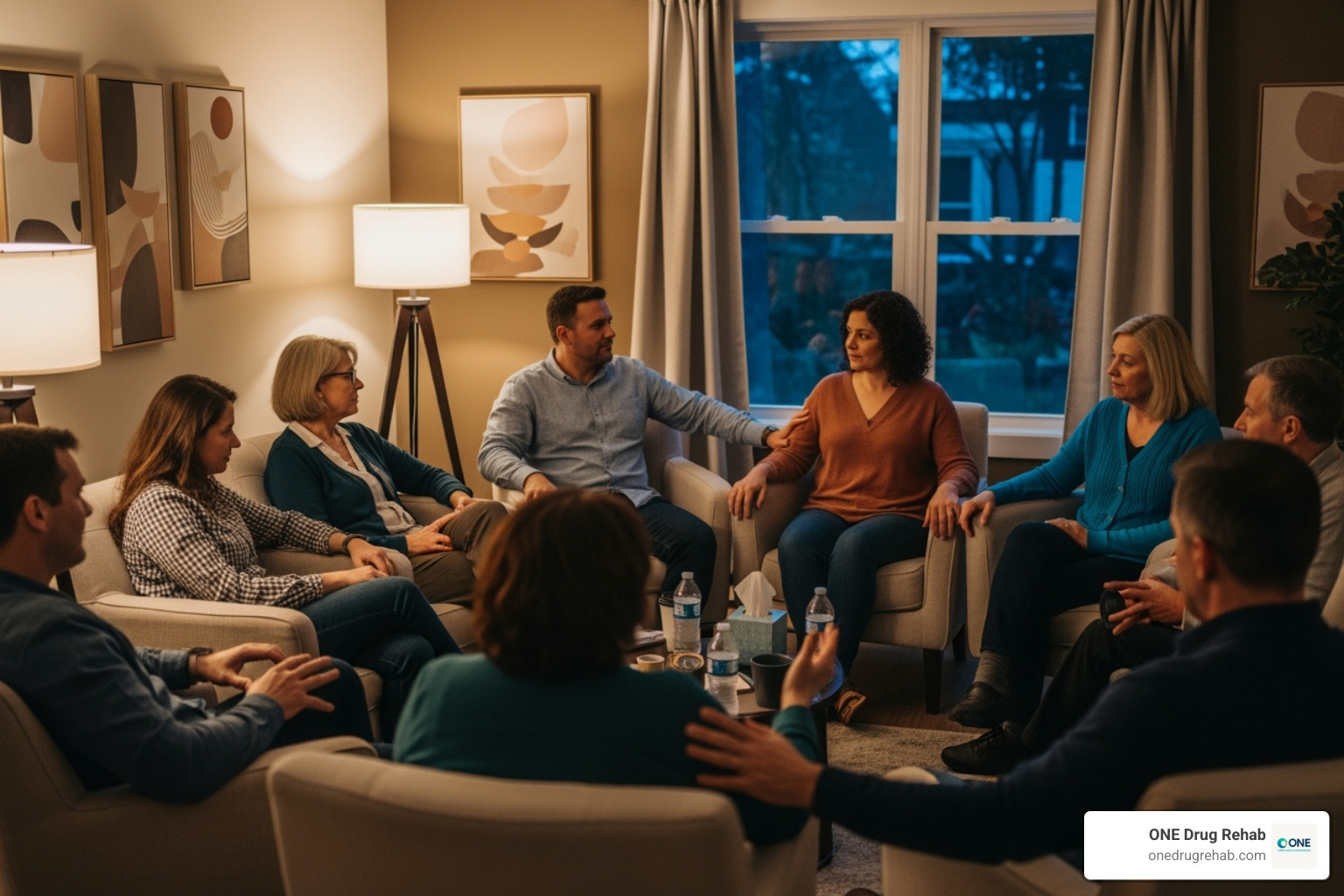
Relapse is often part of recovery, not a failure. This isn’t an excuse; it’s an acknowledgment that addiction is a chronic condition requiring ongoing management.
Think of it like other chronic diseases. A diabetic’s blood sugar spike or an asthmatic’s attack doesn’t mean treatment failed. We adjust and move forward. The same applies to addiction.
Relapse is an opportunity to strengthen recovery. It helps identify new triggers and shows which coping skills need practice. It teaches you that you can get back on track.
The goal isn’t perfection, but building strong coping skills to handle life’s challenges without substances. This includes stress management, recognizing warning signs, and building a supportive network.
Aftercare is crucial. Rehab provides the foundation, but aftercare builds on it. This ongoing support includes therapy, alumni programs, and support groups like AA, NA, or SMART Recovery, which offer community and wisdom.
So, does rehab work even if people relapse?
Absolutely, and here’s why.
According to the National Institute on Drug Abuse, addiction relapse rates (40-60%) are similar to other chronic illnesses like diabetes and hypertension. This reflects the nature of chronic disease management, not treatment failure.
Rehab provides essential tools for long-term use. Even with a relapse, a person isn’t starting from scratch. They have coping strategies, know their triggers, and have learned communication skills.
Most importantly, they have a support network that can be a lifeline during difficult times.
Focusing on long-term progress rather than perfect abstinence is more hopeful. Setbacks can be powerful learning experiences that strengthen long-term recovery. People can return to treatment with new insights and motivation.
What role does support play after rehab?
Support after rehab is essential. Recovery thrives in community, while isolation is a major risk.
Family and friends are the first circle of support. Family therapy helps them learn to create a nurturing home environment, offering encouragement without enabling, and practicing self-care.
Peer support groups like AA, NA, or SMART Recovery offer the unique understanding of shared experience. They create a sense of belonging and purpose that can be transformative.
Sober living environments can bridge the gap between intensive treatment and independent living. These structured, substance-free homes offer accountability and community in early recovery.
Continued therapy helps you steer new challenges. Life continues during recovery, and professional support for life’s stressors can make all the difference.
Many centers offer alumni programs to keep you connected to the recovery community. These often include social events, volunteer work, and mentorship, helping you stay engaged.
The goal is creating a new, fulfilling, healthy lifestyle. This includes hobbies, healthy relationships, physical health, and finding daily meaning. A rewarding sober life reduces the appeal of substances.
This support network is a safety net. It’s proof that recovery is a community effort, not a solo journey.
Conclusion
So, does rehab work? The research and real-world experiences show a clear yes, but it’s important to understand what that means.
Recovery is a journey, not a destination. It’s about managing a chronic condition and building a life worth living. Like people with diabetes or asthma, those with addiction can learn to manage their condition and live full, meaningful lives.
Effective treatment works for those committed to the process. Rehab provides the tools, knowledge, and support, but you must be willing to use them. Programs combining evidence-based therapies, individual plans, and ongoing support show the best results.
Yes, relapse happens. The 40-60% relapse rates are similar to other chronic diseases and don’t erase progress. Relapse is a signal to adjust the treatment plan, not a sign of failure.
The real measure of success is more than sobriety. It includes improved relationships, health, housing, and work, plus the ability to face challenges without substances. Most people who engage in treatment see these improvements.
If you or a loved one is struggling, know that hope for a better future is real, backed by research and success stories. You don’t have to do this alone.
At ONEDrugRehab.com, we understand that choosing the right treatment can feel overwhelming. That’s why we provide unbiased, third-party resources to help you evaluate your options without any pressure or agenda. We believe that when you have good information, you can make the best decision for your unique situation.
Find the right addiction treatment program for your needs
Recovery is possible. Treatment works. And your story can be one of hope and healing.