
What percentage of heroin addicts recover: 3 Successes
Hope and Healing: Understanding Heroin Recovery Rates
If you’re asking what percentage of heroin addicts recover, you’re looking for answers to a complex but hopeful question. The good news is that recovery from addiction is not only possible, it’s the norm for most people.
Here are some key facts about recovery rates:
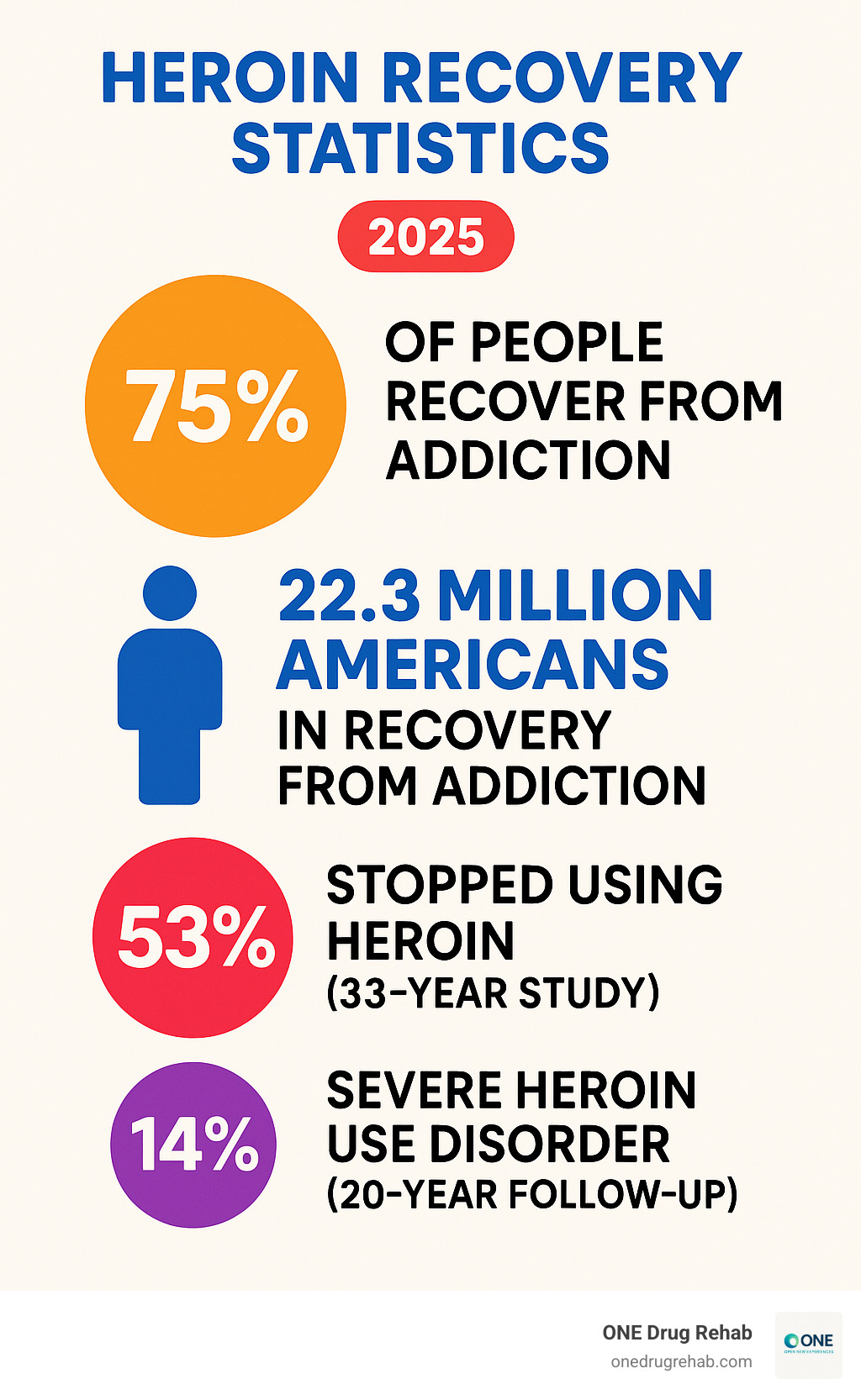
- Most people recover. Research shows 75% of people with addiction survive and go on to live full lives.
- Today, roughly 22.3 million Americans (more than 9% of adults) live in recovery after some form of substance use disorder.
- For heroin specifically, long-term studies offer hope:
- Only 2% of Vietnam veterans addicted to heroin were still using it after three years.
- A 33-year study found over 53% of those alive had stopped using heroin.
- Another 20-year follow-up showed only 14% met the criteria for severe heroin use disorder.
These numbers challenge the common idea that addiction is a hopeless journey. While heroin addiction is tough, and relapse can be part of the path, most individuals do achieve long-term recovery. This guide will explore these facts and more to help you understand the true picture of heroin recovery.
Simple guide to what percentage of heroin addicts recover terms:
The Hard Numbers: What Percentage of Heroin Addicts Recover?
It’s natural to wonder about the numbers when thinking about recovery from heroin addiction. You might be asking, what percentage of heroin addicts recover? While it’s tempting to want a single, easy answer, the truth is a little more layered – but incredibly hopeful! We’re talking about real people, and their journeys are unique. What we do know is that thousands find their way to lasting recovery every single year, and the long-term picture is much brighter than many people realize.
Take the powerful examples from history. After the Vietnam War, a study found that a remarkable only two percent of veterans who developed heroin addictions were still using it three years later. And a massive 33-year study on addiction showed that over 53% of those still alive had stopped using heroin completely. These aren’t just statistics; they’re testaments to human resilience.
Long-Term Studies Offer a Hopeful Outlook
When we zoom out and look at longer periods, the picture gets even more encouraging. One of the biggest studies, called the Australian Treatment Outcome Study (ATOS), followed 401 people struggling with severe heroin use for nearly two decades – that’s 18 to 20 years! The results were truly eye-opening. After all that time, only 24% were still using heroin in the last month, and even fewer – just 14% – still had the signs of a severe heroin use disorder. This shows a huge shift away from active addiction over time. It’s proof that even after many years, the brain can heal and people can find significant freedom from addiction.
This journey is often one of gradual improvement, not a sudden, magical fix. It’s like climbing a mountain; you might take a few steps back, but the goal is to keep moving up. Even if a person experiences a setback or relapse, it doesn’t wipe out all the hard work they’ve put in. The most important thing is to keep moving forward.

A 20-year study on heroin use disorder further highlights this, showing that while heroin use often decreases over time, sometimes people might shift to using other substances like alcohol or cannabis. It reminds us that managing overall substance use is an ongoing process.
Why a Single Recovery Percentage is Misleading
So, why can’t we just give you one simple number for what percentage of heroin addicts recover? Because “recovery” itself can mean different things to different people and in different studies. Does it mean never touching any substance again, ever? Or does it include someone who has drastically cut down, or who manages their condition successfully with medication-assisted treatment? The path to recovery is as unique as the person walking it. The chances of a full and lasting recovery depend on many things, like how severe the addiction is, the kind of treatment they get, and the support they have along the way.
Another big reason is how the information is collected. It’s often much easier to track when someone relapses than to follow their journey for decades to see if they achieve stable, long-term recovery. This can sometimes make the picture seem bleaker than it truly is. For instance, while general relapse rates for substance use disorders are often cited between 40% and 60%, for heroin, some numbers might look as high as 80% or even 90%. But here’s the crucial part: a relapse is not a failure, and it doesn’t mean recovery is impossible. It often means someone needed to adjust their plan, learn from the experience, and try again. Many, many people who experience a relapse still go on to achieve lasting recovery.
The type and quality of treatment also make a huge difference. When treatment is truly custom to an individual – addressing their unique drug use history, their mental health, their social situation – the chances of long-term recovery are much higher. It’s not a one-size-fits-all solution. If you’re curious about the different paths available, you can find more info about different types of addiction treatment.
Understanding Addiction: A Chronic Condition, Not a Moral Failure
It’s time for a crucial shift in how we think about addiction. Instead of seeing it as a moral failing or a lack of willpower, we now understand it as a chronic disease. Think of it like other long-term health conditions such as diabetes, asthma, or high blood pressure. This perspective is incredibly important because it removes the unfair stigma and opens the door to effective treatment.
Heroin addiction, specifically, is a serious medical condition that deeply changes how the brain works. Repeated use actually alters brain structure and pathways. This leads to powerful cravings, impaired decision-making, and severe withdrawal symptoms that can make it incredibly hard to stop using.
Just like managing diabetes isn’t a one-time fix, addiction isn’t something that can simply be “cured” with a single intervention. It requires ongoing care and management throughout a person’s life. The good news is that your brain has an amazing ability to heal, at least in part, after long periods of staying off drugs. However, because of the changes addiction causes, maintaining recovery often means continuous effort and support.
This understanding forms the bedrock of effective treatment today. As the National Institute on Drug Abuse (NIDA) emphasizes, research has shown us effective, evidence-based ways to treat substance use disorders. We rely on these principles of effective addiction treatment from NIDA to guide our approach. They clearly show that addiction is treatable, and people can and do stop using drugs to live productive, fulfilling lives.
The Role of Relapse in the Recovery Journey
Let’s be honest: recovery isn’t always a straight line. Because addiction is a chronic disease, it’s actually quite common, and even expected, for a person to experience a relapse on their journey. Relapse rates for drug use are similar to those for other chronic medical illnesses – typically around 40-60%. For heroin, this rate can be higher, with some studies showing nearly 80% of users experiencing at least one relapse.
However, understand that a relapse does not mean treatment has failed, and it certainly doesn’t mean a person is a failure. Instead, think of it as a common “bump in the road.” It’s a signal that the individual might need to resume, adjust, or try a new treatment strategy.
Consider it like managing asthma: someone with asthma might have an attack, but that doesn’t mean their asthma treatment has failed. It simply means their condition needs adjustment or closer management. Similarly, for someone recovering from heroin addiction, a relapse is an opportunity to learn from setbacks, adjust their approach, and recommit to their recovery journey.
While relapse is not a failure, it does carry significant risks. One of the most dangerous aspects is the increased risk of overdose after a period of abstinence. This happens because a person’s tolerance to the drug decreases, making their usual dose potentially deadly. That’s why immediate re-engagement with treatment and support is absolutely critical if a relapse occurs. Our main goal is always to keep individuals safe, alive, and engaged in their recovery journey, giving them the best chance to achieve lasting sobriety.
Is Heroin Addiction Curable?
This is a big question many people grapple with. The answer, in the traditional sense of a “cure,” is no. Just like diabetes or high blood pressure, heroin addiction isn’t something that just disappears entirely. But this absolutely doesn’t mean it’s a hopeless condition. Quite the opposite! It’s a condition that can be managed effectively, allowing individuals to lead full, healthy, and productive lives.
Treatment for heroin addiction focuses on managing the condition, helping people to overcome its disruptive effects and regain control of their lives. This involves addressing many layers: the physical dependence, the profound brain changes, and the psychological and environmental factors that contribute to continued drug use.
By actively managing the addiction, individuals can achieve long-term remission. This means they no longer meet the criteria for a severe heroin use disorder. This powerful shift from active addiction to stable remission is what we truly mean by recovery. It’s a lifelong journey, yes, but it’s one that is absolutely achievable for most people, leading to a brighter, healthier future.
Key Factors That Influence Heroin Recovery Success
When we look at what percentage of heroin addicts recover, we naturally want to understand what makes the difference between those who achieve lasting sobriety and those who continue to struggle. The good news is that research has identified several key factors that significantly boost a person’s chances of long-term recovery.
Here’s something that might surprise you: early life challenges don’t determine your recovery outcome. Studies show that people who recover and those who don’t had similar backgrounds when it came to family problems or school troubles. This means your past doesn’t have to define your future.
What does make a difference is persistence. Both groups in these studies tried formal treatment and self-directed recovery multiple times. The key difference wasn’t avoiding setbacks—it was keeping going despite them.

Psychological and Personal Factors
Your mindset plays a huge role in recovery success. Self-efficacy—basically believing you can handle whatever recovery throws at you—is one of the strongest predictors of lasting sobriety. When you feel capable and empowered, you’re much more likely to stay on track.
How you deal with stress matters just as much. People who don’t achieve stable recovery often turn to substances when life gets tough. Learning healthy ways to cope with stress, whether through therapy, exercise, or other activities, can be a game-changer.
Mental health treatment is absolutely crucial. Research shows that people with untreated depression consistently have worse outcomes across the board. They’re more likely to continue using heroin, develop other substance problems, and face serious health issues. The same goes for PTSD and other mental health conditions.
This isn’t just about willpower—it’s about brain health. When underlying mental health issues get proper treatment, recovery becomes much more achievable. Think of it like trying to run a marathon with a broken leg. You need to heal the injury first.
The Power of Environment and Social Support
Your surroundings can make or break your recovery journey. Having a strong network of people who don’t use drugs is one of the most powerful predictors of success. On the flip side, being around others who abuse substances—especially a spouse or partner—makes recovery much harder.
Stable housing and employment provide the foundation that lets you focus on getting better. When you’re not worried about where you’ll sleep or how you’ll pay rent, you can put your energy into recovery.
Avoiding triggers is equally important. This might mean staying away from certain neighborhoods, old friends who still use, or even specific situations that remind you of drug use. Sometimes this requires big life changes, but these changes can literally save your life.
Family support can be incredibly powerful, though it’s not always easy for loved ones to know how to help. That’s why we provide information on rehab for families to help families steer this challenging but important journey together.
Building a new life often means building new relationships and finding new places where healthy choices feel natural and supported. It’s not just about stopping drug use—it’s about creating a whole new way of living that makes recovery feel sustainable and rewarding.
The Path Forward: Effective Treatments for Heroin Addiction
It’s wonderful news that there are truly effective, science-backed ways to treat heroin addiction. These methods greatly boost the chances of recovery! Think of it as a complete plan, looking at all sides of addiction, because it affects your whole self, not just one part.
These plans usually include a few key pieces. First, there’s Medication-Assisted Treatment (MAT), which uses special medicines alongside talking therapies. Then, you have Behavioral Therapies, which are like counseling sessions that help you change your thinking and habits. We also focus on a holistic approach, meaning we look at your medical health, mental well-being, social life, job, family, and even legal needs. A big part is also Relapse Prevention, learning how to handle tough moments and stay sober. And finally, Aftercare Planning provides ongoing support after formal treatment ends.
Now, here’s something super important to remember: detoxification by itself isn’t a full treatment. While detox helps you get through the tough physical part of withdrawal, it’s not enough to keep you sober for the long run. If you only do detox, people often go back to using drugs. Studies even suggest that just detoxing, without more help, can actually lead to more heroin use later on. So, it’s crucial to follow detox with a complete treatment plan.
Medication-Assisted Treatment (MAT)
When it comes to treating opioid addiction, like heroin, Medication-Assisted Treatment (MAT) is often the very best starting point. Think of MAT as a powerful duo: it combines special medicines with counseling and other therapies. This way, we treat your whole self. These medicines are amazing because they help calm those intense cravings and stop painful withdrawal symptoms. This makes it so much easier for you to focus on therapy and get the most out of it.
The main medicines used in MAT for opioid addiction are Methadone, Buprenorphine (often known as Suboxone when mixed with naloxone), Naltrexone (you might hear about Vivitrol, which is an injection), and Lofexidine. Science truly backs this up! There’s strong evidence that MAT improves outcomes. It helps people stay in treatment longer, use fewer illegal opioids, and even lowers the risk of death. That’s why MAT is often called the “gold standard” for treating opioid use disorder.
Essential Behavioral Therapies and Counseling
While MAT helps with the body’s side of addiction, behavioral therapies are super important for healing your mind, social life, and the situations around you that might lead to drug use. These talking therapies teach you how to change old habits and thoughts about drugs. They help you learn healthy ways to deal with stress and how to handle triggers – those people, places, or feelings that make you want to use.
Some common and very helpful therapies include Cognitive-Behavioral Therapy (CBT), which helps you spot and change unhelpful thoughts; Contingency Management, which gives you rewards for staying sober; and Motivational Improvement Therapy, which helps you get excited and ready for treatment. Family Therapy brings your loved ones into the process, which can be a huge help. And don’t forget peer support groups like Narcotics Anonymous (NA) or SMART Recovery. These groups offer amazing support, a sense of belonging, and accountability from people who truly understand.
Putting together a plan that’s just for you, mixing MAT, counseling, and group support, usually gives the best results. Sticking with your treatment until it’s done, and having a clear plan for preventing relapse, are also vital steps. If you’re ready to find help, you can find a rehab facility near you using our easy-to-use directory.
Frequently Asked Questions about Heroin Recovery
It’s completely natural to have a lot of questions when thinking about recovery from heroin addiction. This journey can feel overwhelming, but we’re here to shed some light on the most common questions, sharing insights from research and experts.
How long does it typically take to achieve long-term recovery from heroin addiction?
This is a question many people ask, and the honest answer is: there’s no fixed timeline. Recovery from heroin addiction is a deeply personal and often lifelong process. While the first steps, like detox and rehab, might take weeks or a few months, achieving true, stable remission often takes much longer.
Think of it like building a new life, brick by brick. Research actually suggests it can take eight years or even more for many individuals to reach a point of sustained remission. For instance, that 20-year follow-up study on heroin use disorder we mentioned earlier showed significant recovery rates only after nearly two decades. This doesn’t mean you won’t see progress much sooner, but it highlights that building a strong, drug-free life and addressing underlying issues is a journey, not a sprint. The most important thing is to focus on consistent progress, not a strict deadline. And remember, if a relapse happens, it’s not a failure; it’s just an opportunity to adjust the plan.
What are the long-term outcomes for individuals with heroin use disorder?
Let’s be upfront: the long-term journey for individuals with heroin use disorder can be very challenging. Sadly, the mortality rate is significantly higher than for the general population – up to 20 times higher. That 20-year ATOS study, for example, found that 18% of the original participants had passed away by the end of the study, which is a truly heartbreaking number of lives lost. Overdose is a huge concern, and with the rise of fentanyl, the risk has become even more severe, sometimes even on the very first try.
However, here’s the crucial part: despite these tough statistics, research consistently shows that the majority of individuals who experience addiction eventually survive and go on to live full, meaningful lives. While some might continue to use other substances occasionally, many achieve significant remission from severe heroin use disorder. People in long-term recovery often report a much better quality of life in many areas, including their health, finances, family relationships, and social connections. So, while the journey is undoubtedly difficult, life after addiction is not just possible; for most, it’s the normal and expected outcome.
What is the very first step to recovering from heroin addiction?
The very first and often most courageous step to recovering from heroin addiction is simply acknowledging the problem and reaching out for help. Addiction often thrives when people feel isolated and ashamed. Breaking that silence and admitting that a change is needed takes incredible strength.
In practical terms, reaching out means contacting a doctor, a therapist, an addiction treatment helpline, or a trusted friend or family member. For many, the first clinical step will involve medically-supervised detoxification. Heroin withdrawal symptoms are famously severe and painful, though thankfully they are rarely life-threatening. A medical detox setting allows professionals to safely and comfortably manage these symptoms, often using medications. This makes the withdrawal process much less agonizing and greatly increases the chances of successfully getting through this initial phase. Once detox is complete, the absolutely crucial next step is to move into a comprehensive treatment program that addresses the deeper issues of addiction, because detox alone, while vital, isn’t enough for long-term recovery.
Conclusion: Recovery is the Expectation, Not the Exception
As we’ve explored this important question of what percentage of heroin addicts recover, a clear and hopeful truth shines through: recovery from heroin addiction isn’t just a dream, it’s a reality for most people. It’s not always easy, and the path might have its bumps, like a relapse. But these moments aren’t failures. Instead, they are often chances to learn and adjust, much like managing any other long-term health condition.
The numbers truly tell a story of hope. Most people dealing with addiction don’t just survive; they go on to live full, thriving lives. Long-term studies consistently show high rates of remission, meaning people move away from severe heroin use disorder, even many years after they first sought help. This amazing success comes from a mix of powerful tools: things like medication-assisted treatments and counseling, plus strong support from others and truly digging into the underlying reasons for addiction.
We firmly believe that recovery is what we should expect, not a rare miracle. If you, or someone you care about, is struggling with heroin addiction, please know that hope is real. Help is absolutely available. Taking that very first step, reaching out for support, is the bravest and most powerful thing you can do.
ONEDrugRehab.com is here to help. We’re a third-party, non-affiliated resource designed to help you look into treatment options and compare different facilities. Our goal is to help you find the right path for your own unique journey. Your recovery story is just waiting to be written.
Ready to take that courageous first step and start your journey? You can compare rehab centers to start your journey right now.