
Addiction recovery success rates: 3-in-4 Win!
The Real Odds: Understanding Addiction Recovery Success Rates

When you’re looking for information on addiction recovery success rates, you might expect to find grim numbers. The good news is, most people recover. This can go against what we commonly believe about addiction.
Here’s a quick look at what the research actually shows:
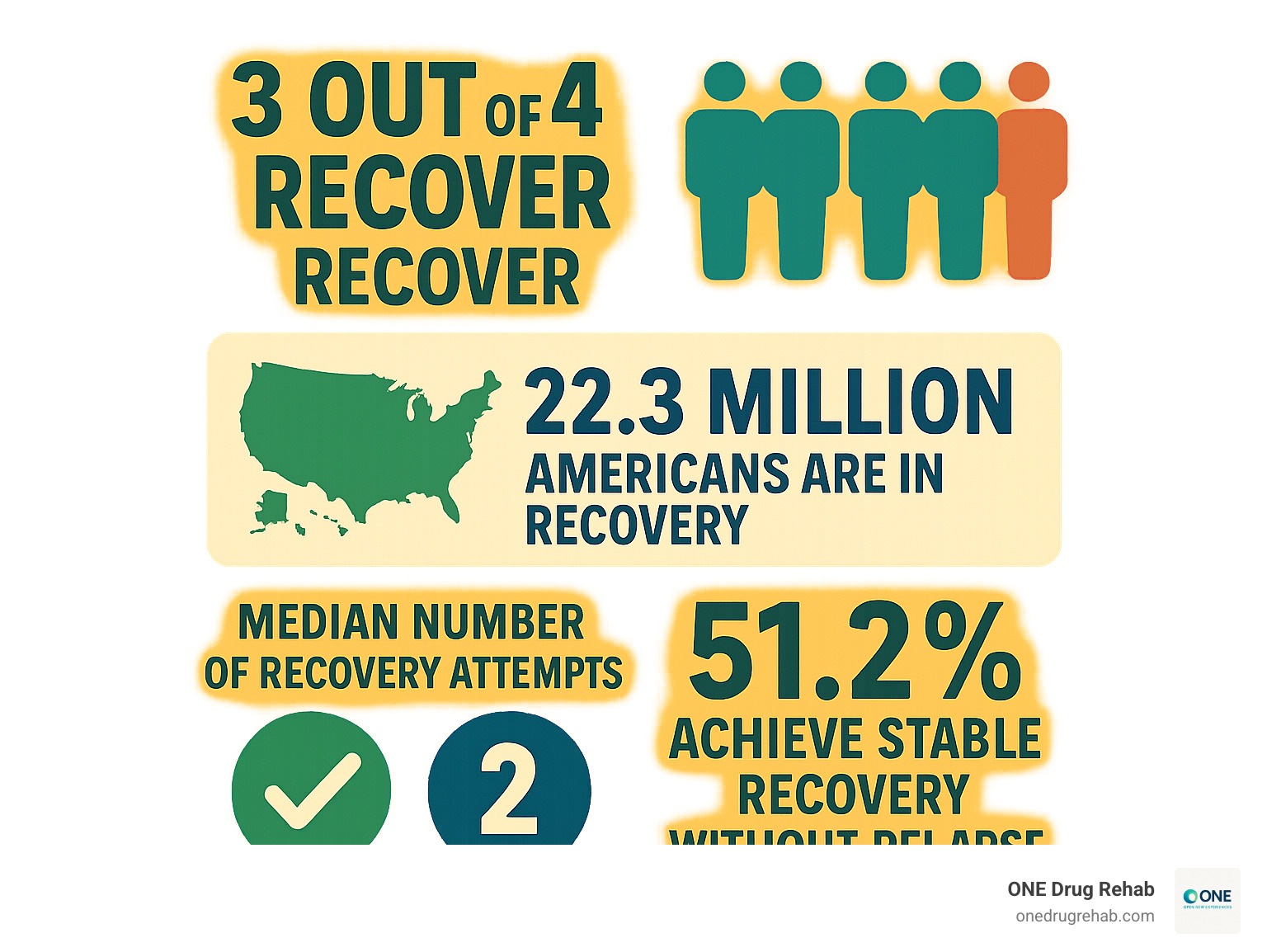
- 3 out of 4 people who experience addiction eventually recover.
- Roughly 22.3 million Americans are living in recovery after some form of substance use disorder.
- The median number of recovery attempts needed to successfully resolve an alcohol or drug problem is 2.
- A Canadian study found that 51.2% of people achieved stable recovery without experiencing a single relapse.
As Dr. John Kelly, a leading expert, puts it, “This is really good news I think and something to share and be hopeful about.”
Addiction is a tough journey, often feeling like a game of chance. But the truth is, recovery isn’t a long shot for most. It’s a common and achievable outcome. While relapse can be part of the process, it doesn’t mean failure. And “success” in recovery means far more than just being sober.
This guide will help you understand the real odds, what recovery truly means, and what factors can improve the chances of lasting success.
Beyond Sobriety: What Does ‘Success’ in Recovery Really Mean?

When we talk about addiction recovery success rates, it’s easy for our minds to jump straight to one idea: abstinence. Did someone stop using drugs or alcohol completely? While being sober is certainly a huge, crucial step, thinking of “success” only this way is like judging a delicious meal just by its main ingredient. You miss all the wonderful flavors, the careful preparation, and the joyful experience of eating it!
True success in recovery goes so much deeper. It’s about a complete and positive change in a person’s life. We’re talking about a big boost in their overall quality of life. This includes things like feeling better mentally, finding stable work, building healthy relationships, and growing as a person. It’s a holistic journey. The goal isn’t just to stop using substances. It’s also about working through the deeper, underlying issues that often made addiction feel like the only answer in the first place. Because, honestly, addiction is often a symptom of something bigger going on inside.
Why a Simple ‘Sober vs. Not Sober’ View Fails
Thinking that recovery is a simple “on/off” switch, from “addicted” to “cured,” is a common mistake. But it just doesn’t do justice to how complex real life is. Addiction is a chronic health condition, much like diabetes or asthma. And recovery? It’s a dynamic, ongoing journey, not a finish line you cross once.
If we only count success as perfect, uninterrupted abstinence, we miss so much incredible progress. What about the person who had a temporary slip but learned from it and quickly got back on track? That’s still a huge win! For many, true success means living better every day: improved functioning in their daily lives, reduced harm from past substance use, and a strong commitment to long-term remission. This path isn’t always perfectly straight, and that’s okay. It’s all about taking back control of one’s life, step by step.
To understand more about how different approaches can help, you can explore More info about different types of addiction treatment. You’ll see that the best programs understand that every person’s journey is unique. It’s shaped by their own history, struggles, and amazing strengths.
The Importance of Treating the Whole Person
Addiction rarely shows up by itself. Often, it comes hand-in-hand with other mental health challenges. This is known as a dual diagnosis. If you try to help someone with addiction but ignore these other issues, it’s like trying to fix a leaky roof by just catching the drips in a bucket. You stop the immediate problem, but the real damage keeps happening!
The numbers really back this up. Our research shows that a large number of people entering treatment—specifically 74.6% in one program—also had underlying mental health issues. And here’s the truly hopeful part: out of those individuals, an amazing 99% showed improvement after finishing their program. This clearly shows how incredibly important it is to look at a person’s entire well-being, not just their substance use.
Great recovery programs understand that healing has to go beyond just the addiction itself. They help people work through past trauma, address their social needs, and even consider family dynamics. After all, our connections and the places we live play a huge part in how well we feel. If you’re supporting a loved one, knowing all this is key. There’s also valuable Information on rehab for families that can help everyone involved in the recovery journey.
Understanding Addiction Recovery Success Rates: A Look at the Real Numbers
When we discuss addiction recovery success rates, there’s often a disconnect between common perceptions and the reality backed by science. Many people assume that addiction is a life sentence, a battle that few win. This perception, while understandable given the visible struggles of addiction, is actually quite far from the truth. The real numbers offer a hopeful counter-narrative, revealing that recovery is not only possible but, for the majority, it is the norm. National surveys and population studies have been instrumental in shedding light on these long-term data, challenging the prevailing despair and offering a guide of hope. For a deeper dive into this, we recommend exploring A peer-reviewed study on recovery prevalence.
What the Statistics Say About Overall Addiction Recovery Success Rates
Let’s cut right to the chase: the statistics on overall addiction recovery success rates are surprisingly positive. One of the most frequently cited and encouraging findings comes from a 2020 study by the CDC and NIDA, which concluded that an impressive 3 out of 4 people who experience addiction eventually recover. That’s a 75% success rate! This isn’t just a small percentage; it represents millions of lives transformed.
To put this into perspective, roughly 22.3 million Americans (more than 9% of adults) are living in recovery after some form of substance use disorder. This challenges the notion that addiction is a hopeless condition and underscores the fact that recovery is, in fact, the norm, not the exception. This powerful statistic is further reinforced by the CDC and NIDA study finding that 3 out of 4 recover, which provides robust evidence that hope is not just a feeling, but a statistical reality in addiction recovery.
How Many Tries Does It Take? The Surprising Truth
One of the most disheartening myths surrounding addiction is the idea that it takes countless attempts to achieve stable recovery, implying a long, arduous, and often unsuccessful battle. While it’s true that recovery is a journey and not a single event, the actual data on recovery attempts might surprise you.
A national study on recovering U.S. adults revealed fascinating insights into this very question. It found that the median number of recovery attempts to successfully resolve an alcohol or drug problem is 2. Yes, you read that right – two. This is a much more encouraging figure than the mean number of attempts, which was 5.35. Why the difference? The mean can be skewed by a small number of individuals who might have very high numbers of attempts, making the average seem much higher than what most people experience. The median, representing the middle value, gives us a more accurate picture for the majority.
This finding is incredibly important for fostering hope and encouraging individuals to seek help. It suggests that for many, stable recovery is achieved relatively early in their journey. In fact, a Canadian study found that 51.2% of people achieved stable recovery without experiencing a single relapse. This means over half the people in that study found their footing on the first try, which is truly remarkable. For more details, you can refer to this National study on recovery attempts.
Canadian Addiction Recovery Success Rates: A Closer Look
Our Canadian neighbors have also contributed valuable insights into addiction recovery success rates. A landmark study on life in recovery in Canada by the Canadian Centre on Substance Use and Addiction (CCSA) provides specific data for our region. This study found that, similar to the U.S. findings, a significant portion of individuals achieve stable recovery. Specifically, 51.2% had no recurrence of alcohol or drug use, meaning they achieved stable recovery without experiencing a single relapse. For those who did experience setbacks, the numbers were still encouraging: 14.3% had only one recurrence, and 19.4% had between two and five recurrences prior to achieving stability. Only 15% reported six or more recurrences.
This Canadian research also highlighted the profound improvements in quality of life experienced by those in recovery. Participants reported significant positive changes across various aspects of their lives, including physical and mental health, employment, finances, family relationships, and legal status. However, the study also shed light on persistent barriers to care in Canada, such as long wait times, financial constraints, and the pervasive stigma associated with addiction. These findings underscore the importance of accessible, timely, and supportive services to help more Canadians achieve and sustain recovery.
The Myth of Failure: Why Relapse is a Part of the Process

It’s common to hear about relapse in hushed, worried tones, as if it means someone has failed, or that their treatment just “didn’t work.” But here’s the thing: that’s simply not true. In addiction recovery success rates, we understand that addiction is a chronic disease. Think of it like diabetes or asthma. And just like those conditions, managing addiction often means periods of doing well, and yes, sometimes a stumble or a setback.
A relapse doesn’t mean treatment has failed. Instead, it often means the treatment plan needs a little tweak, or that the person needs to get back into care. Seeing relapse as a chance to learn, rather than some kind of personal failing, is super important for long-term recovery. It helps us figure out what triggers might be at play, build stronger ways to cope, and keep moving forward on the recovery journey. Our brain chemistry plays a big role in addiction, making relapse a possible, but totally manageable, part of the process. So, let’s stop the shame around relapse. It helps everyone feel safer asking for help, even if they’ve had a tough moment.
Comparing Addiction to Other Chronic Illnesses
To really understand why relapse is a normal part of the journey, let’s look at how addiction stacks up against other chronic medical conditions you might know better. The National Institute on Drug Abuse (NIDA) offers a powerful way to compare them:
| Chronic Illness | Relapse Rate (Approximate) |
|---|---|
| Addiction | 40-60% |
| Type 1 Diabetes | 30-50% |
| Asthma | 50-70% |
Take a moment to let that sink in. This table shows a pretty amazing similarity in relapse rates across these very different conditions. Would you ever say someone with diabetes “failed” their treatment if their blood sugar goes up? Or that someone with asthma “failed” if they have an attack? Of course not! We’d see it as a signal to adjust their medication, change their daily habits, or get more support. The exact same idea applies to addiction. It’s all about ongoing management and shaping the treatment as life unfolds.
What to Do if a Relapse Occurs
If a relapse does happen, the most crucial thing to remember is not to fall into shame or despair. Instead, see it as valuable information that can guide your next steps on the recovery path.
First and foremost, re-engage with your healthcare providers. Call your doctor or therapist right away. They’re there to help you get back on track, adjust your plan, or even explore new therapies that might work better for you based on what led to the relapse. Next, strengthen your support systems. Lean on your family, your trusted friends, and your recovery community. They’ve got your back and are ready to help you steer these challenges. It’s also a powerful opportunity to identify triggers and revise strategies. Use this experience to truly understand what factors played a role. Was it a certain person, a specific place, a particular thing, or a tough emotional state? This insight is priceless for helping you prevent similar situations in the future. Finally, and perhaps most importantly, focus on your progress, not perfection. Remember all the amazing positive changes you’ve made. One stumble doesn’t erase all the steps forward you’ve taken. Recovery is a marathon, not a sprint, and it’s totally normal for the path to have a few bumps along the way.
Boosting Your Odds: Key Factors That Influence Recovery
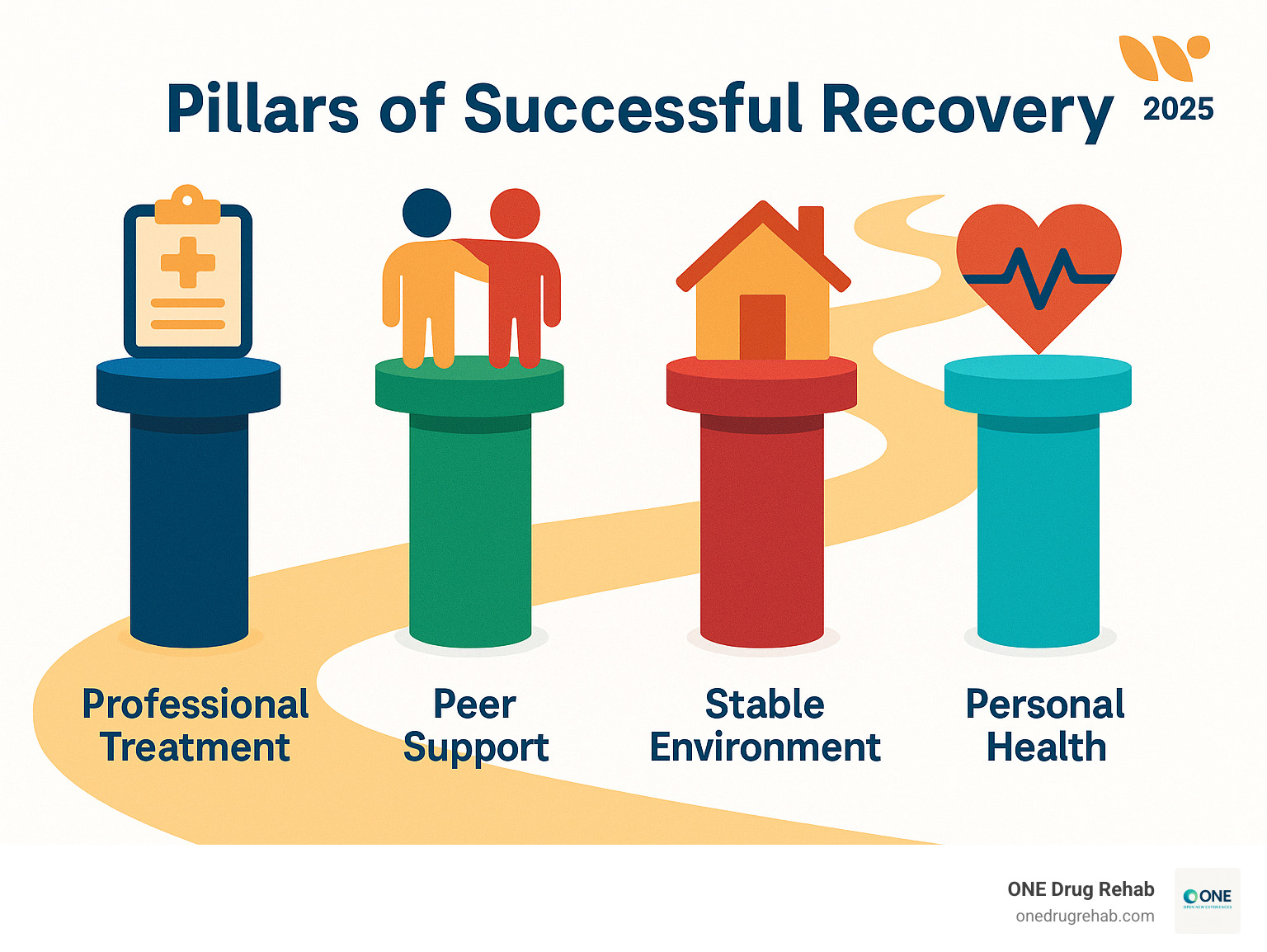
While the overall addiction recovery success rates are truly encouraging, it’s also true that recovery isn’t always easy. Some people face more problems than others. The good news? We have a lot of great information about what really helps boost your chances for lasting recovery. Think of it like stacking the deck in your favor!
These factors are a mix of things: getting the right professional help, having strong support around you, a stable environment, and even your own personal efforts. We often call these combined resources “recovery capital.” It’s all about building a strong foundation for a healthier, happier life.
Key Components of Effective Treatment Programs
The type and quality of the treatment program you choose play a huge role in your recovery journey. Not all programs are alike. Knowing what makes them effective can make a big difference.
First off, individualized care is super important. There’s no single “magic cure” for addiction because everyone’s journey is unique. The best programs create a plan just for you, looking at things like the substances you used, any other mental health issues you might have, your personal history, and your living situation.
Next, Medication-Assisted Treatment (MAT) can be a real game-changer for many, especially for opioid or alcohol addiction. This involves using medications, like methadone or naltrexone, alongside counseling. MAT helps reduce cravings and lowers the risk of relapse. For opioid use disorder, it can even cut down mortality rates significantly.
Then there are behavioral therapies. These are like learning new ways to think and act. Cognitive-Behavioral Therapy (CBT) helps you spot and change unhelpful thought patterns. Motivational Interviewing (MI) helps you find your inner drive to change. And family therapy can help heal relationships and get your loved ones on board to support you.
Another key? Sufficient duration of treatment. Research shows that longer treatment often leads to better results. While a 30-day program can be a good start, studies suggest that staying in treatment for 3 months or more usually leads to better long-term outcomes. And finally, aftercare planning is essential. Recovery doesn’t just end when you leave a program. Good programs help you plan for ongoing support, like therapy and support groups.
To learn more about what makes treatment effective, check out the Principles of Drug Addiction Treatment Guide from the National Institute on Drug Abuse.
The Power of Support and Environment
Imagine trying to learn to swim in a rushing river without a life vest or a coach. That’s what recovery can feel like without the right support and a safe place to be. The people around us and our living situation can really make or break our ability to stay in recovery.
Having a strong support system can truly make all the difference. This often includes peer groups like Alcoholics Anonymous (AA), Narcotics Anonymous (NA), or SMART Recovery. These groups connect you with others who understand exactly what you’re going through. They offer a sense of community, shared wisdom, and a place where you’re truly understood. And don’t forget family involvement! When families are part of the process, it creates a powerful network of love and support. Family therapy can help heal old wounds and build healthier ways to communicate.
For some, sober living environments are incredibly helpful. These structured, drug-free homes offer a safe space as you transition back to independent living after treatment. It’s also vital to build a new social network. Part of recovery means finding new, positive friends and activities that don’t involve substance use. And having a stable housing situation and employment provides a sense of purpose and normalcy. These are strong protections against relapse.
Personal Factors That Hinder or Help
Beyond external help, your own personal qualities and life circumstances also play a big part in addiction recovery success rates.
For example, studies have shown that a person’s marital status can influence recovery. Those who aren’t married might need more attempts at recovery, suggesting that the stability and support often found in a partnership can be a protective factor. Also, high levels of psychological distress (like anxiety or depression) can make recovery tougher. That’s why addressing these co-occurring mental health issues is so important. In fact, NIDA reported that in 2017, nearly 38% of people with substance use disorders also had mental illnesses. Treating both at the same time is key.
Your motivation to change is a huge predictor of success. While treatment can certainly help spark this, a true desire for recovery is a powerful asset. Learning healthy coping skills for stress, cravings, and triggers is also essential. This is a big focus in many therapies. And don’t forget your physical health! Taking care of your body through exercise, good food, and enough sleep builds overall strength and resilience. Finally, building self-esteem and believing in yourself can really empower you to stay on your recovery path.
Frequently Asked Questions about Addiction Recovery
We understand that you might have many questions about addiction and recovery, and that’s perfectly normal! It’s a complex topic. Here, we address some of the most common questions we hear, hoping to offer clarity and a sense of hope.
Can addiction be cured?
This is a question we hear often, and it’s an important one to clarify. The short answer is no, addiction cannot be “cured” in the traditional sense, like how an antibiotic might cure a common cold. But here’s the crucial part: it is absolutely a treatable disorder.
Think about it like other chronic health conditions, such as Type 1 diabetes, high blood pressure, or asthma. These conditions aren’t cured, right? But with ongoing treatment, careful management, and some lifestyle adjustments, people live full, healthy, and productive lives. Addiction is very much the same.
Addiction treatment is all about managing the condition. It helps people understand and counteract the powerful effects addiction has on their brain and behavior. This empowers them to regain control of their lives and live productively. The goal isn’t a magical, one-time fix, but rather a lifelong journey of learning, adapting, and maintaining a healthy, substance-free life.
How long does it take to recover from addiction?
There’s no fixed timeline for addiction recovery, and it’s certainly not a race with a finish line. Recovery is typically a lifelong process, one that evolves as an individual grows, learns, and faces new challenges.
However, research does offer some helpful insights into how long it often takes to achieve truly stable, long-term remission. Studies suggest that it can take eight years or longer to reach this deep, ingrained stability where the risk of relapse significantly diminishes.
Now, don’t let that number discourage you! This doesn’t mean that people don’t experience incredible improvements much, much sooner. The vast majority of individuals report a significantly better quality of life and improved functioning within just one year of receiving treatment. The “eight years or longer” figure simply refers to a deeper, more ingrained stability that builds over time. It’s a testament to the incredible perseverance and commitment involved in building a wonderful new, healthy life.
Are some addictions harder to overcome than others?
While the underlying mechanisms of addiction share similarities across different substances, the journey to recovery can certainly vary depending on the specific drug involved. For instance, the introduction of highly potent substances, like fentanyl, has indeed added a terrifying new layer of complexity to the recovery landscape.
As one individual in recovery so powerfully put it, “It’s killing them on the first try. It’s not giving them enough tries, as I may have had.” This stark reality means that for some substances, the window for seeking and receiving help before a fatal overdose is tragically narrow.
However, and this is crucial to remember, recovery is absolutely possible from all forms of substance use disorder. While the immediate risks and withdrawal symptoms might differ from one substance to another, effective treatment, unwavering support, and a strong personal commitment can lead to lasting recovery, regardless of the substance. The challenge might be greater with certain drugs, but the odds of beating addiction are still very much in your favor with the right resources.
Your Path to Recovery Starts with the Right Information
Well, we’ve covered a lot, haven’t we? As you’ve seen, the true story of addiction recovery success rates is far more uplifting than many people realize. Recovery isn’t some rare miracle; it’s actually the norm for most individuals. It’s a journey that goes way beyond just stopping substance use, embracing a full, rich life. And remember, if there’s a stumble along the way, it’s not a sign of failure. It’s a bump in the road for a chronic condition, and it simply means it’s time to adjust the map.
Knowing these real truths about addiction and recovery is your first, incredibly powerful step forward. It empowers you to make wise choices about treatment, build strong support systems, and plan for a healthy future.
That’s exactly where we come in. At ONEDrugRehab.com, we’re dedicated to being your clear, unbiased guide. Think of us as your friendly compass in the often-complex world of addiction treatment. We’re here to provide resources that help you understand your options without any hidden agendas.
We truly believe that with the right information and solid support, you can dramatically improve your chances of achieving lasting recovery and building a fulfilling life.
Feeling ready to explore your next steps? We warmly encourage you to Compare rehab centers to find the right fit for you. Find the options that truly align with your unique needs and start your path toward a brighter tomorrow.