

Holistic Education Programs: Unlock Growth 2025
Why Holistic Education Programs Are Changing How We Learn
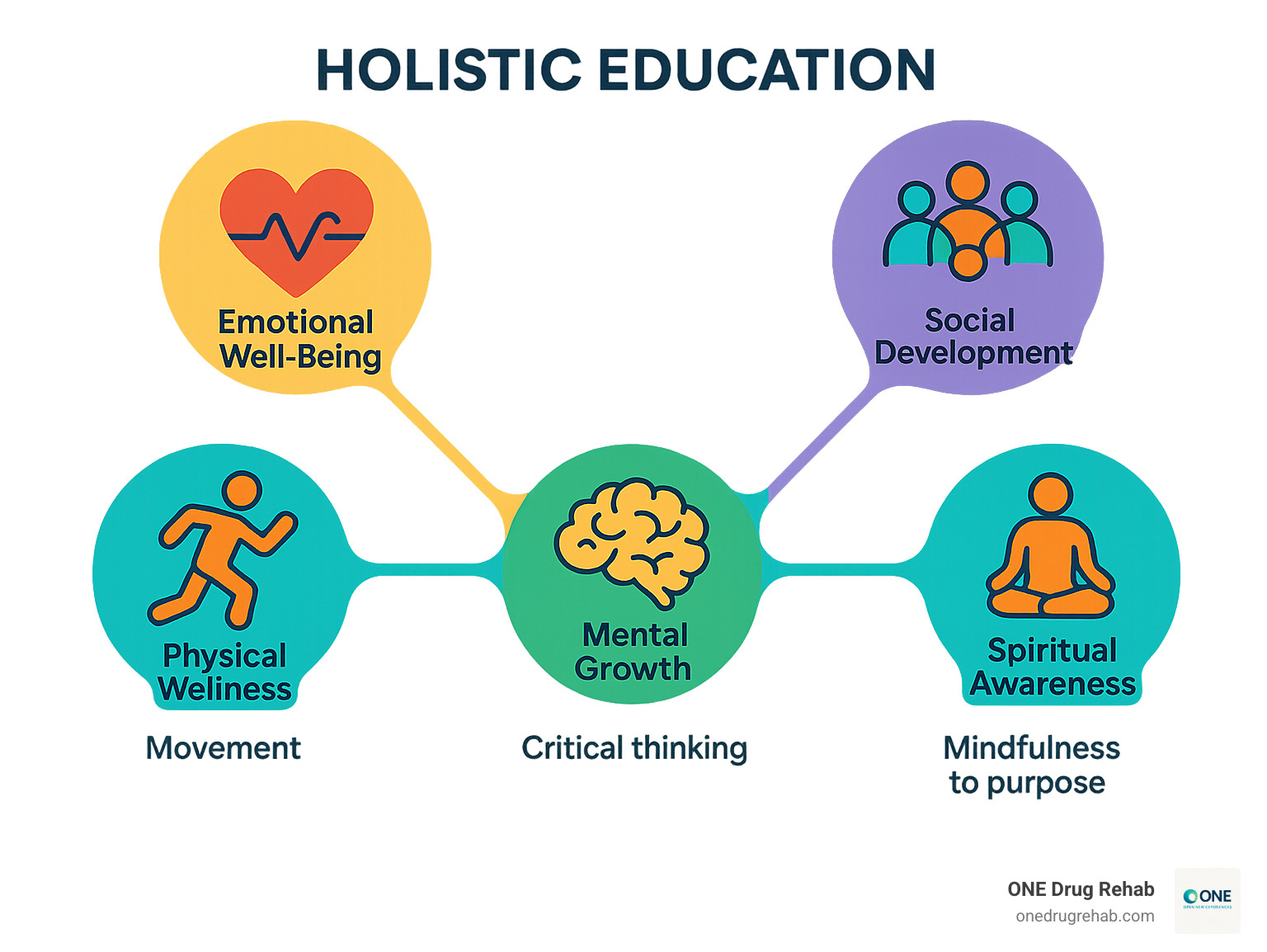
Holistic education programs offer a comprehensive approach to teaching that addresses the emotional, social, ethical, and academic needs of students in an integrated format. Unlike traditional education, which often prioritizes academics and testing, holistic education seeks to develop the whole person. It nurtures not just intellectual growth but also emotional intelligence, social skills, and spiritual well-being.
Key characteristics of holistic education programs:
- Whole-person development – Integrates mind, body, heart, and spirit
- Experiential learning – Emphasizes hands-on activities and real-world problem solving
- Community connection – Builds strong partnerships with families and local organizations
- Individualized learning – Adapts to each student’s unique needs and strengths
- Emotional and social growth – Focuses on empathy, self-awareness, and relationship skills
- Environmental awareness – Connects students to nature and sustainability
This philosophy has ancient roots but gained modern momentum through pioneers like Maria Montessori and Rudolf Steiner. The movement grew in the 1980s as a response to overly rigid learning structures. Research shows powerful outcomes from holistic approaches, including better stress management, greater clarity about life purpose, and higher graduation rates.
Today, holistic education programs are gaining popularity in schools and specialized settings like addiction treatment centers, where the mind-body-spirit approach helps treat the whole person, not just the symptoms.
The Core Philosophy: What is Holistic Education?
Think of how children learn while playing outside—using their minds, bodies, and emotions at once. That’s the heart of holistic education programs. This approach sees each person as a complete, interconnected being, not just a brain to be filled with facts. It focuses on helping students find identity, meaning, and purpose through deep connections to themselves, their community, the natural world, and their own values. Instead of treating subjects as separate, this philosophy understands that everything in learning is connected.
At its core, this approach nurtures a genuine reverence for life and a passionate love of learning. It encourages community engagement and incorporates spiritual values—not necessarily religious beliefs, but a humanistic sense of interconnectedness, compassion, and wonder.
Historical Roots and Modern Evolution
The idea of educating the whole person is ancient, with roots in Ancient Greek philosophy and many indigenous cultures. In the 20th century, pioneers brought these concepts into modern schools. Maria Montessori trusted children to guide their own learning, while Rudolf Steiner founded Waldorf schools that emphasized arts, crafts, and hands-on activities alongside academics.
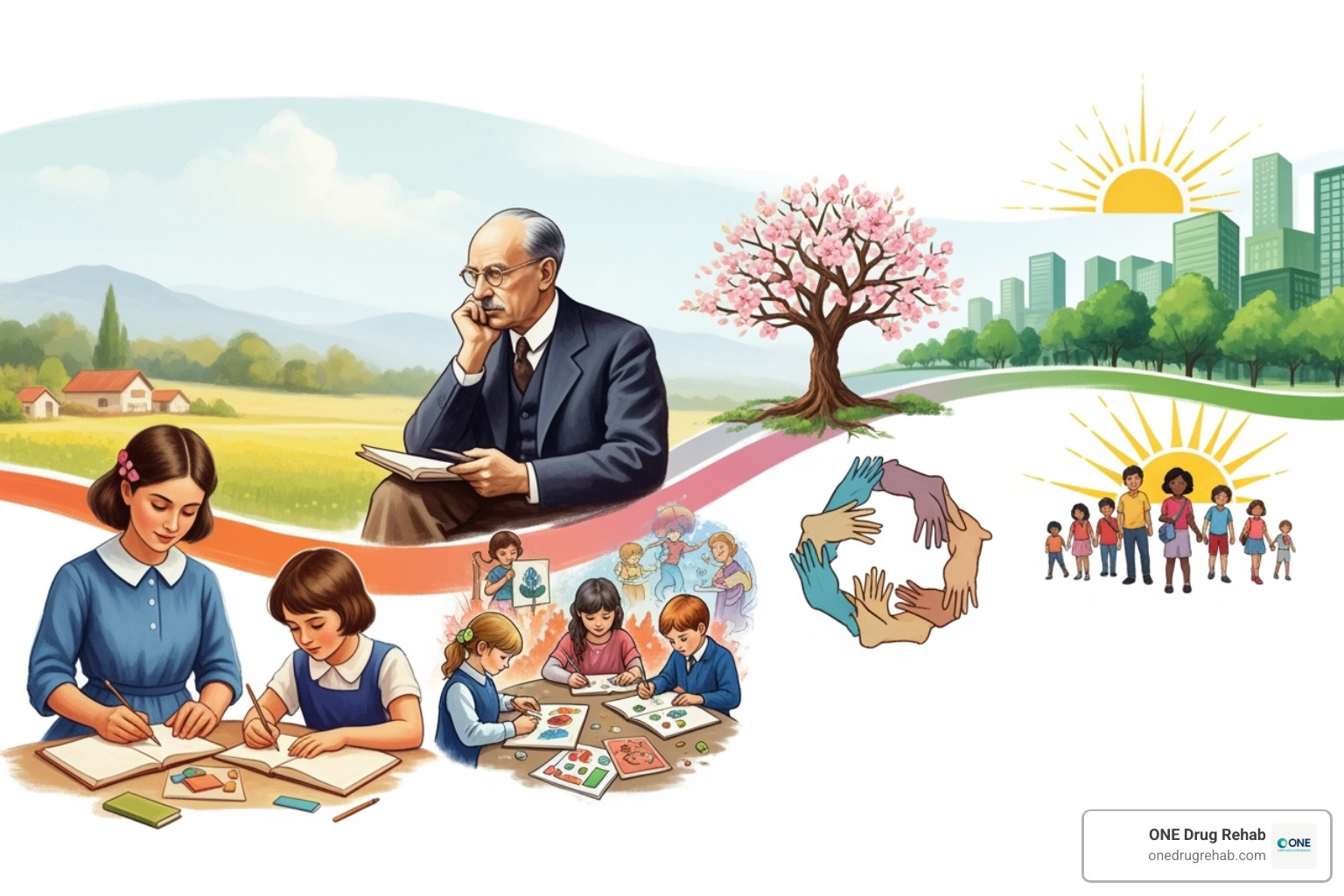
The 1980s holistic movement gained momentum as a response to concerns that schools were focusing too heavily on standardized testing and rote memorization. This movement aimed to counteract mechanistic learning by bringing back the human element—emotions, creativity, and real-world connections.
Holistic vs. Traditional Education
To understand holistic education programs, it helps to see how they differ from the traditional classroom. Both want students to succeed, but they define success differently.
| Feature | Traditional Education | Holistic Education |
|---|---|---|
| Primary Focus | Academic curriculum, standardized testing, knowledge transfer | Whole child development (mind, body, spirit, emotions, social, ethical) |
| Learning Style | Rote memorization, lectures, passive reception | Experiential, self-guided, project-based, inquiry-driven |
| Assessment | Standardized tests, grades, quantitative measures | Portfolios, self-reflection, observation of growth, qualitative measures |
| Teacher Role | Authority figure, dispenser of knowledge | Facilitator, guide, co-learner, relationship builder |
| Curriculum Approach | Subject-specific, often fragmented | Interdisciplinary, integrated, emergent, relevant to life |
| Student Role | Receiver of information, competitor | Active participant, collaborator, self-aware individual |
| Values Emphasized | Competition, individual achievement, conformity | Cooperation, community, empathy, critical thinking, social responsibility |
| Environment | Structured, often rigid, focused on control | Supportive, flexible, safe, nurturing, student-centered |
While traditional schools often focus on academic curriculum and test preparation, holistic education programs focus on developing the whole child. Instead of memorizing facts, students engage in experiential learning. Rather than competing, they learn to collaborate and develop values like empathy and social responsibility. The goal isn’t just to prepare students for a job—it’s to help them become thoughtful, capable, and caring human beings who can adapt to whatever life brings.
Holistic Education | K12 Academics
Key Components and Methods of Holistic Education Programs
Holistic education programs are a practical approach to learning, using distinct methods to engage the whole student. Key components include Experiential Learning, where students learn by doing; Self-Guided Learning, which empowers student ownership; Community Schools, which use the local environment as a classroom; and Interdisciplinary Coursework, which breaks down subject barriers to show real-world connections.
Experiential and Self-Guided Learning
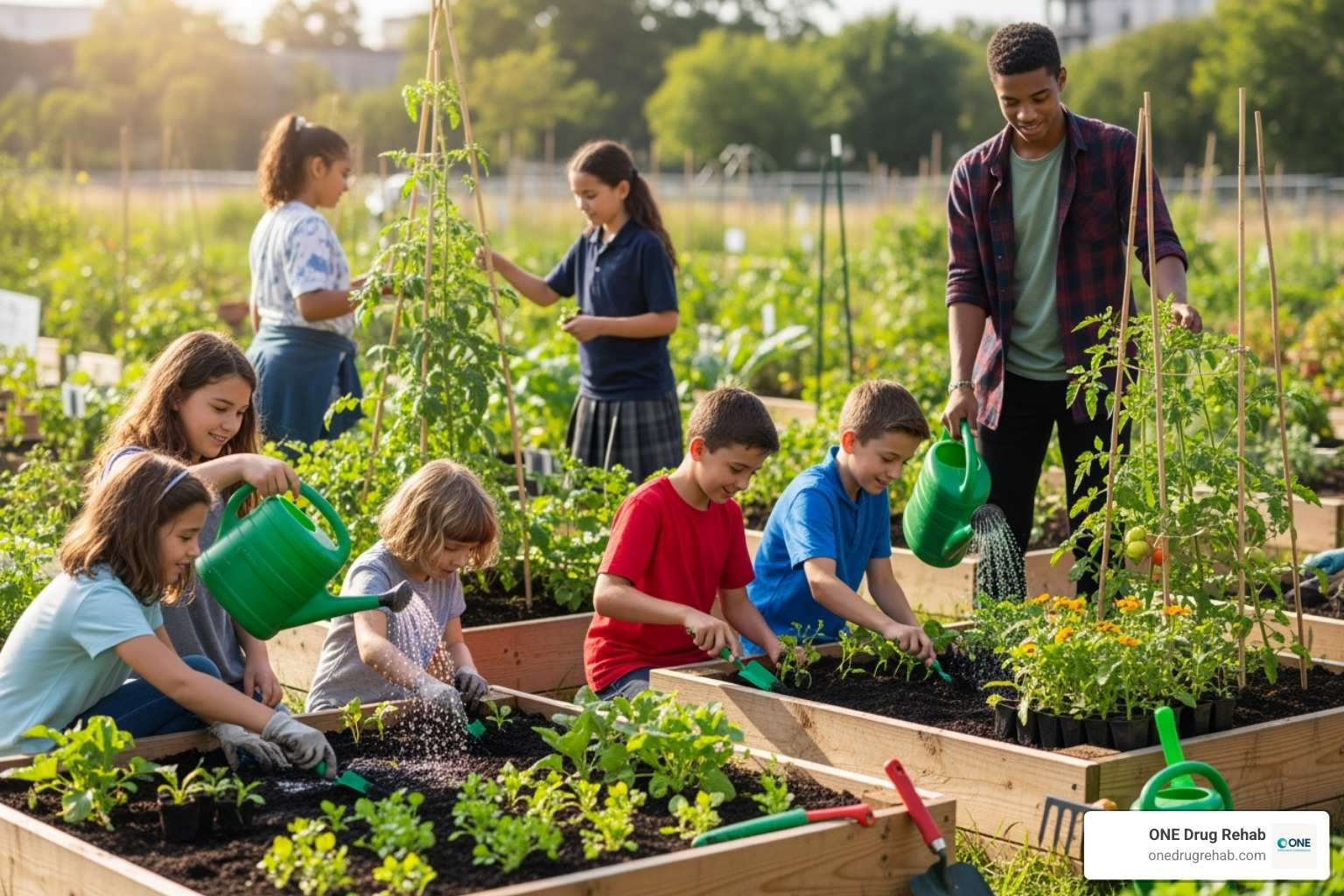
The adage, “I do and I understand,” perfectly captures experiential learning. Holistic education programs focus on hands-on activities and real-world problem-solving. Students might work on community projects, design products, or participate in fieldwork. This is complemented by self-guided learning, which encourages students to ask questions and explore their interests. This approach cultivates curiosity, critical-thinking skills, and an understanding of their unique learning styles. For instance, Enki Education introduces academic content through the arts, allowing children to cultivate wonder and mastery.
Integrating the Whole Self: Emotional, Social, and Ethical Development
Beyond academics, holistic education programs recognize that a student’s emotional, social, and ethical well-being is fundamental to success. This is achieved through intentional practices like mindfulness and meditation to develop self-awareness and manage stress. In fact, our research shows 91% of students in Holistic Health classes say it helps them cope with stress. Programs also incorporate empathy training, conflict resolution skills, and character development to foster qualities like integrity and imagination. By providing multiple ways to digest information and communicate understanding, these programs build self-confidence. These principles are so vital they are increasingly used in specialized areas like addiction treatment, where healing the whole person is key.
More info about different types of addiction treatment
The Power of Community and Environment
In holistic education programs, the entire community is a classroom. Place-based education, championed by educators like David Sobel, immerses students in local heritage, culture, and landscapes. Students solve real-world community problems, emerging with strong critical-thinking skills and a sense of civic responsibility. Schools partner with families and local organizations to provide integrated support. For example, Gaia Education’s programs emphasize community building and sustainability, empowering students to lead projects that strengthen their communities. This practical application ensures students become active contributors to their environment.
Sustainable Education Courses | Gaia Education – Changing Communities
The Transformative Benefits of a Holistic Approach
Choosing holistic education programs opens the door to profound change, benefiting students, educators, and communities. These programs create remarkable outcomes that go beyond test scores. Students often show improved academic achievement alongside better mental and emotional well-being. They become creative problem-solvers and develop a deep sense of social responsibility.
For the Student: Beyond Academic Achievement
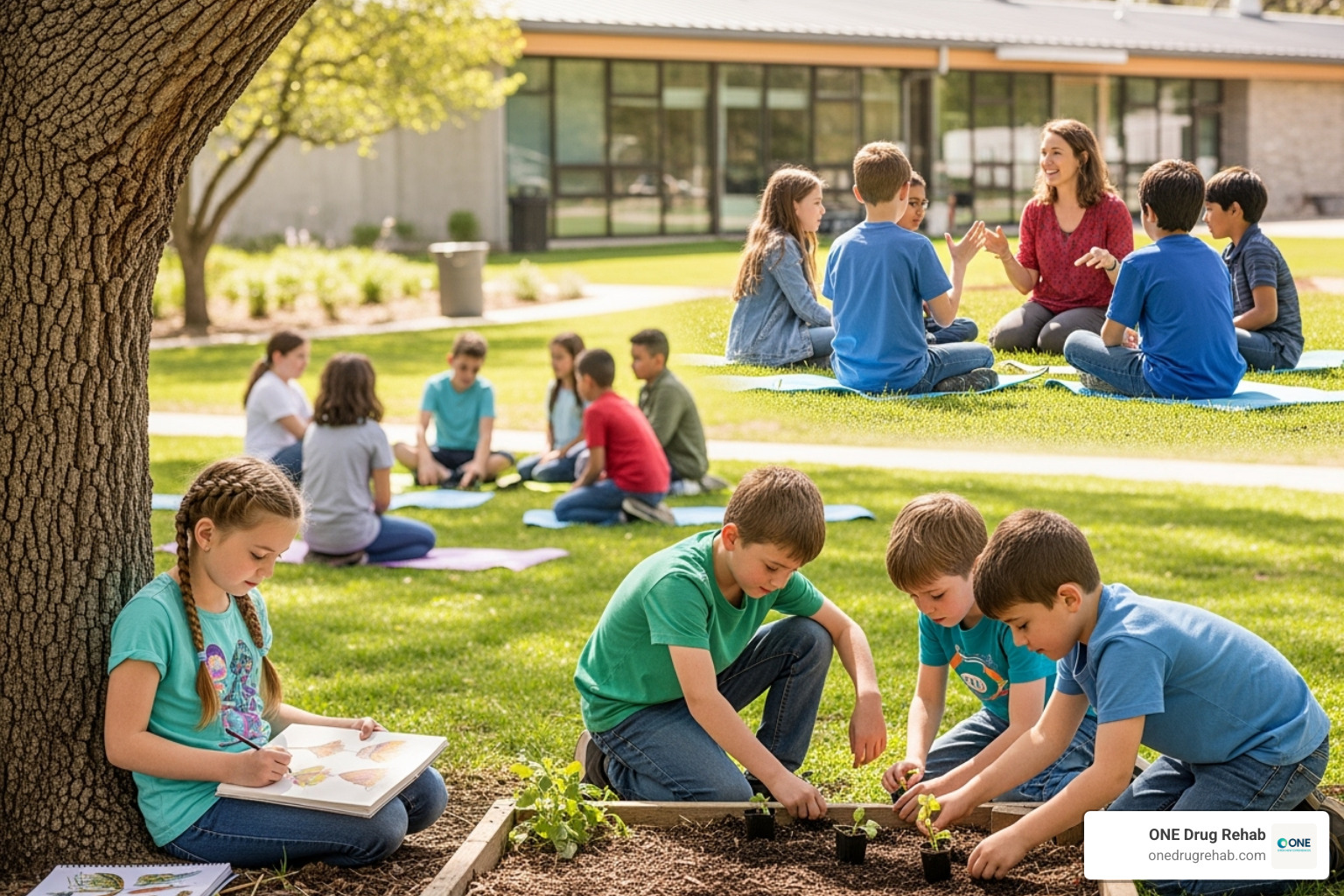
The magic of holistic education programs is how they nurture the whole person. The impact on mental and emotional well-being is significant: 91% of students report that holistic health classes help them cope with stress, and 93% gain clarity about their career and life purpose. This focus on the whole person leads to tangible academic success. An SF State study found that students in holistic health minors graduated at statistically significantly higher rates than their peers. When students develop increased self-awareness and confidence, academic achievement naturally follows. These programs also help reduce the impact of inequity by providing coping strategies and support systems for students facing challenges, giving every child a chance to succeed.
For Educators and the Community
The change extends to teachers, who often experience increased teacher fulfillment by focusing on the whole child instead of just test prep. This leads to stronger student-teacher relationships and more positive school environments where students feel safe to grow. The community also benefits. By connecting learning to local challenges, holistic programs help build supportive communities. Students work on projects that matter to their neighborhoods, developing practical skills while becoming active and engaged citizens. This creates a positive cycle of contribution that lasts long after graduation, fostering healthier individuals and more resilient communities.
Holistic Education in Practice: From Schools to Recovery
The real magic of holistic education programs happens when theory meets practice. Innovative schools and treatment centers are proving that nurturing the whole person creates lasting change, from classrooms in rural Honduras to recovery centers helping people rebuild their lives.
Examples of Successful Holistic Education Programs
Well-known models like Montessori and Waldorf schools pioneered holistic education by showing that children learn best when they direct their own activities and work with their hands. Today’s programs build on these ideas. Enki Education starts every subject with the arts to foster wonder. Gaia Education focuses on sustainability and community building, blending indigenous wisdom with modern environmental science. The Holistic Education for Youth (HEY!) program in Honduras tackles social issues like child marriage, while the School Around Us model creates a “co-learning community” to develop authenticity and advocacy.
Application in Addiction Treatment and Recovery
Holistic education programs show their true power in addiction recovery, where healing the whole person is essential. Addiction impacts physical health, emotional well-being, relationships, and more. Holistic treatment centers use a mind-body-spirit approach that goes beyond traditional counseling. This often includes:
- Mind-Body Practices: Yoga, tai chi, meditation, and mindfulness to reduce stress and reconnect with the body.
- Complementary Therapies: Acupuncture and biofeedback to manage cravings and regulate emotions.
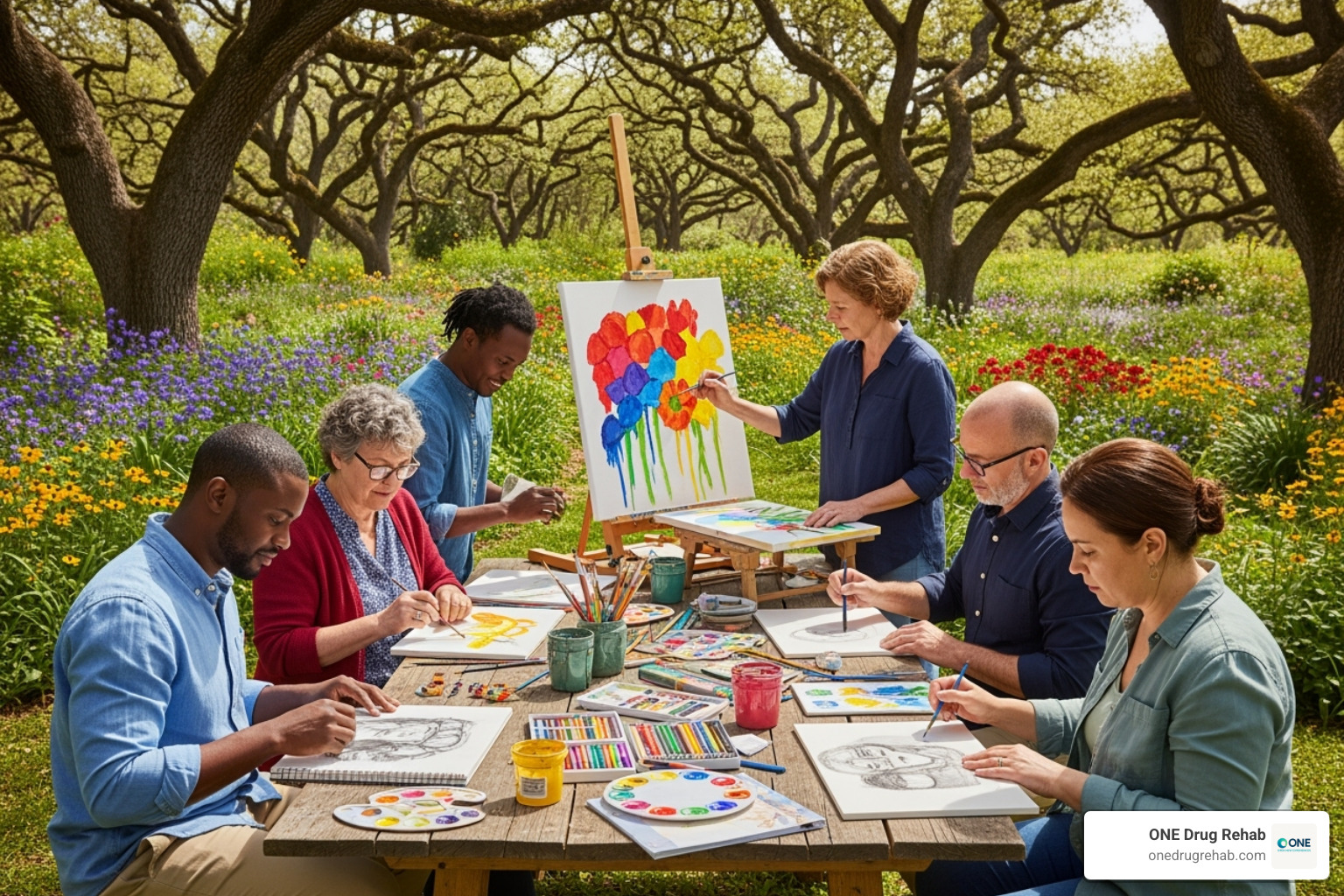
- Expressive Arts: Art and music therapy to provide safe outlets for expression.
- Physical Restoration: Massage and Reiki to restore physical and energetic balance.
The American Hospital Association recognizes this approach as effective for treating the whole person, not just symptoms. Crucially, these programs also offer educational support and job training, providing tools to rebuild stable, meaningful lives. Facilities like Advanced Health and Education integrate these components directly into their treatment.
American Hospital Association on treating the whole person
How Holistic Education Prepares Students for the Future
The world is changing fast, and memorizing facts is not enough. Holistic education programs excel at preparing students for life by building skills that matter in any job. They develop adaptability, critical thinking, and emotional intelligence. Students learn collaboration and creative problem-solving by tackling complex issues. This approach fosters a lifelong love of learning, creating a growth mindset that is invaluable as careers evolve. By helping students connect their passions with practical skills, these programs don’t just prepare them for jobs—they prepare them for life.
Frequently Asked Questions about Holistic Education Programs
Many parents, educators, and those in recovery have questions about how holistic education programs work. Here are answers to some of the most common ones.
How is success measured in a holistic program?
Success is measured by looking at the whole picture of a student’s growth, not just test scores. While academic progress is tracked, the focus is broader. Assessment tools include:
- Portfolios: Collections of student work that show growth in creativity and critical thinking over time.
- Project-based assessments: Real-world projects that demonstrate a student’s ability to plan, execute, and solve complex problems.
- Self-reflection journals: Documents where students articulate their insights and assess their own emotional and social progress.
- Teacher observation: Documentation of growth in social-emotional skills like empathy, conflict resolution, and collaboration.
- Community impact: Measurement of how student projects positively affect their local area.
We look at student well-being and engagement. Happy, enthusiastic, and actively participating students are a key indicator of success.
Can holistic principles be applied in a traditional school setting?
Absolutely. You don’t need to overhaul a school system to incorporate holistic principles. Many educators start small by implementing project-based learning, introducing mindfulness breaks to improve focus, or focusing on building strong student-teacher relationships. Integrating arts into various subjects and organizing community service projects are other effective ways to connect learning to real-world impact. Many universities now offer programs to help educators bring these approaches into diverse settings.
Is holistic education only for a certain type of student?
Not at all. This is a common misconception. Holistic education programs are highly inclusive because they recognize that every student is unique. While a traditional classroom may have one “right” way to learn, holistic education celebrates different learning styles—whether kinesthetic, artistic, or research-oriented. Research shows these programs can improve academic achievement for all children because they cater to individual needs in a supportive environment. The goal is not to change the student to fit the system, but to create a system flexible enough to help every student flourish.
Conclusion: Embracing a More Complete Path to Learning and Growth
Holistic education programs represent a fundamental shift toward nurturing complete human beings. By educating the whole person—mind, body, heart, and spirit—we open up extraordinary potential. Students develop the emotional intelligence, social skills, and sense of purpose needed to steer life’s complexities. The evidence is clear: students report better stress management and gain clarity on their life direction, leading to greater confidence and a readiness to make a difference.
This approach revitalizes educators and benefits communities by fostering citizens who think critically and act compassionately. From Montessori and Waldorf schools to modern initiatives, these principles create positive change wherever they are applied.
Crucially, the same mind-body-spirit approach that helps students thrive is essential for those in addiction recovery. Treating the whole person—not just symptoms—creates the foundation for lasting healing and a meaningful life.
At ONEDrugRehab.com, we understand this connection deeply. As a third-party, non-affiliated resource, we help people find treatment options that address every aspect of their well-being. Just as holistic education nurtures the complete student, comprehensive addiction treatment supports the whole person on their journey to recovery.
The future belongs to individuals who are adaptable, creative, and emotionally balanced. Holistic education programs don’t just prepare students for careers—they prepare them for life itself, fostering well-rounded individuals equipped with resilience, compassion, and wisdom.
Explore different types of addiction treatment