
Sound Healing Therapy: Discover 7 Powerful Benefits
What Sound Healing Therapy Can Do for Your Mind and Body
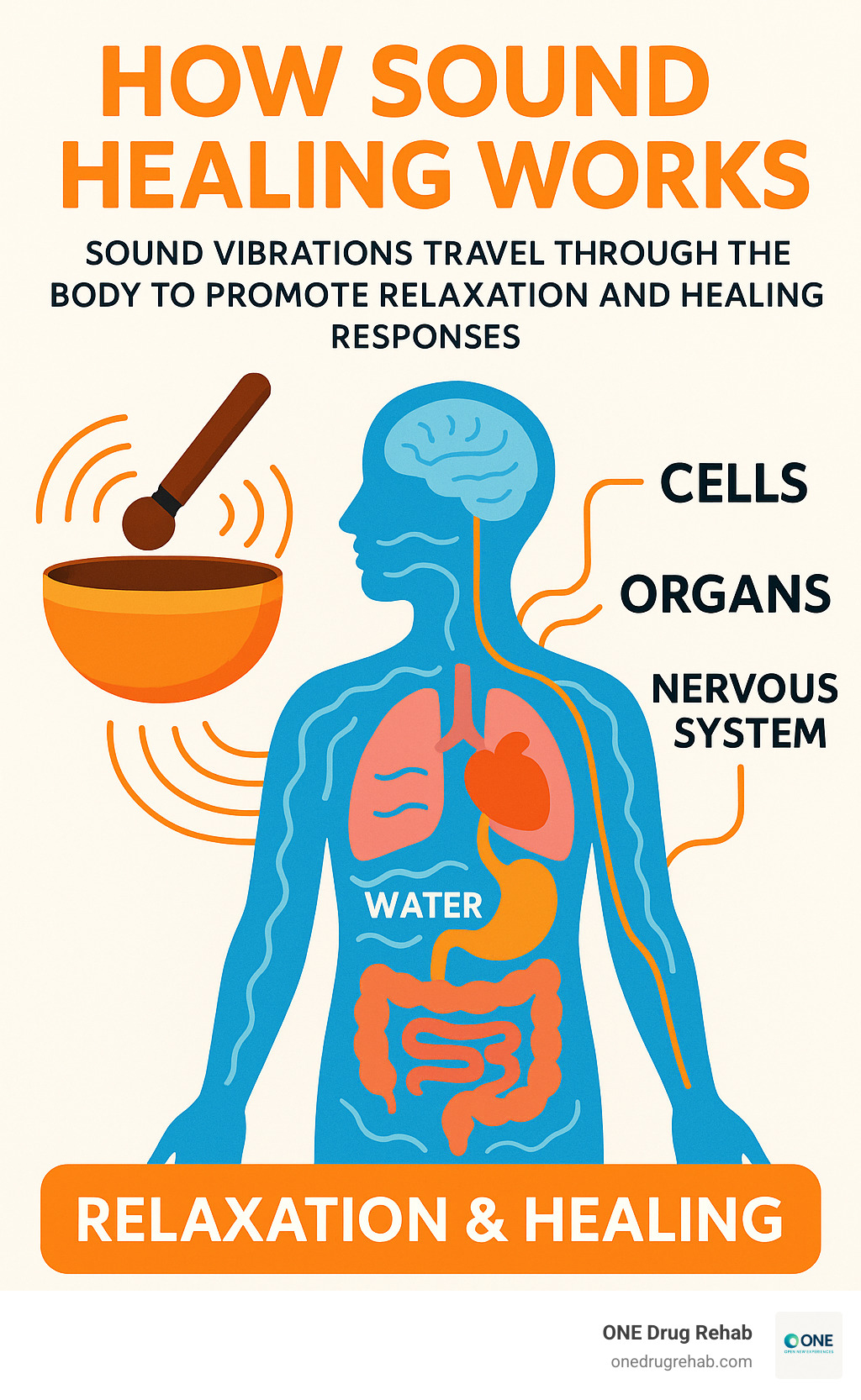
Sound healing therapy uses vibrations from instruments like singing bowls, gongs, and tuning forks to promote relaxation and well-being. This practice works by creating specific frequencies that help calm your nervous system and reduce stress.
Quick Answer: What is Sound Healing Therapy?
- Definition: A therapeutic practice using sound vibrations to promote physical and mental healing.
- How it works: Sound waves affect your body at a cellular level, slowing brain waves and activating your relaxation response.
- Common tools: Tibetan singing bowls, crystal bowls, gongs, tuning forks, chimes.
- Benefits: Reduced anxiety, better sleep, pain relief, and improved mood.
- Session format: Typically involves lying down while a practitioner plays instruments around you.
- Duration: Usually 45-60 minutes.
This practice has ancient roots, from Australian aboriginals using didgeridoos 40,000 years ago to Ancient Greeks using music for mental disorders. Modern research now validates this wisdom; a review of 400 scientific articles confirmed sound’s mental and physical health benefits. One study found a single hour of sound meditation significantly reduced tension, anxiety, and depression.
The science is powerful: your body is about 75% water, an excellent conductor for sound vibrations. When therapeutic sounds wash over you, they can shift your brainwaves from stressed “beta” states to deeply relaxed “theta” and “delta” states in as little as 60-90 seconds.
Sound healing therapy terms to know:
The Science and Spirit of Sound Healing Therapy
Understanding how sound healing therapy works involves both fascinating science and ancient wisdom. You’re tapping into principles that span from modern neuroscience to traditions thousands of years old.
How Sound Influences the Body and Mind
Every cell in your body vibrates at a specific frequency. Stress, illness, or emotional distress can disrupt this natural harmony. Sound healing therapy aims to retune these vibrations.
The therapeutic sounds create resonance, where one vibration causes another to match its frequency. Since your body is about 75% water, it’s an incredible conductor for these sound waves. The vibrations create a gentle internal massage that reaches your cells and organs. This process is studied through cymatics, the science of how sound creates patterns in matter.
Therapeutic sounds trigger your parasympathetic nervous system, which is responsible for rest and healing. This activates your body’s natural relaxation response, shifting you out of the stressed fight-or-flight response. The effects of singing bowl meditation on mood study confirmed this, finding that one session significantly reduced tension, anger, and fatigue.
Brainwave Entrainment and Binaural Beats
Sound healing therapy can change your brainwaves, which are linked to different states of consciousness.
- Beta: Normal waking state, alert and focused.
- Alpha: Relaxed, light meditation.
- Theta: Deep relaxation, creativity, REM sleep.
- Delta: Deep, restorative sleep.
Binaural beats are a powerful tool for this process. When you listen through headphones to two slightly different frequencies (e.g., 400 Hz and 410 Hz), your brain perceives a third “beat” at the difference (10 Hz). Your brain then synchronizes to this new rhythm, guiding you into meditative states effortlessly. This can lead to improved focus, deep relaxation, and sleep induction, as explained by Scientific American’s look at brainwave function.
Historical and Cultural Roots
Humans have used sound for healing for millennia across the globe.
- Australian aboriginals have used the didgeridoo for over 40,000 years in healing ceremonies.
- In Ancient Greece, philosophers like Pythagoras used music to treat mental disorders.
- Tibetan monks have long used singing bowls in spiritual ceremonies to reach deep meditative states.
- Egyptian traditions dating back over 2,600 years describe using vocal tones for healing.
- Drumming is a key part of healing rituals in indigenous cultures worldwide, from Native American ceremonies to African traditions, helping to reduce stress and create connection.
These ancient practices were sophisticated healing technologies, and modern research is now confirming the profound power of sound to heal the body and mind.
Types of Sound Healing and Instruments Used
This section details the various modalities and the tools practitioners use to create therapeutic soundscapes.
Common Sound Healing Modalities
The world of sound healing therapy offers diverse approaches to suit different needs:
- Sound Bath: An immersive group or one-on-one experience where participants lie down and are “bathed” in the sound of various instruments.
- Guided Meditation: Often incorporates soothing music or specific tones to deepen the meditative experience.
- Vibroacoustic Therapy (VAT): Uses specialized beds or chairs with transducers that transmit low-frequency vibrations directly into the body to reduce muscle tension.
- Tuning Fork Therapy: Calibrated tuning forks are applied to specific points on the body, similar to acupuncture but without needles, to relieve pain and balance energy.
- Neurologic Music Therapy (NMT): A clinical approach where a trained therapist uses music to address cognitive, motor, and speech needs for individuals with neurological conditions.
- Bonny Method of Guided Imagery and Music (GIM): Uses classical music and guided imagery to explore personal growth and consciousness.
- Nordoff-Robbins Music Therapy: An active, improvisational music therapy often used with children with developmental delays to facilitate communication and self-expression.
The Instruments of Sound
Sound healing therapy employs a fascinating array of instruments, each with unique vibrational qualities.
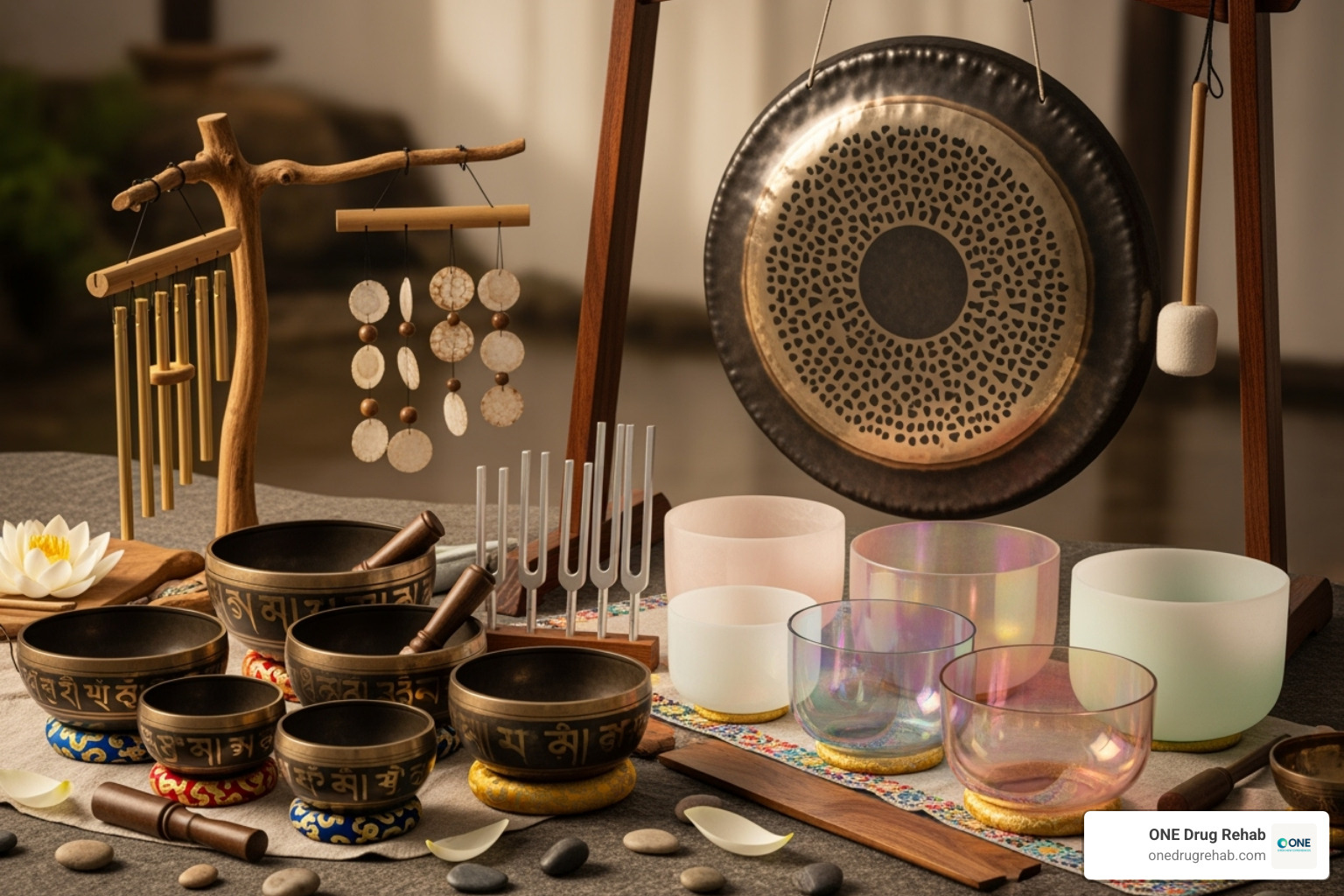
- Tibetan Singing Bowls: Ancient metal bowls that produce rich, sustained tones and powerful vibrations used for meditation and relaxation.
- Crystal Singing Bowls: Made from pure crushed quartz, these bowls produce clear, resonant tones believed to harmonize with the body’s crystalline structure.
- Gongs: Create powerful, immersive sound waves that can quickly guide listeners into a deeply relaxed theta state, ideal for clearing energetic blockages.
- Tuning Forks: Precisely calibrated instruments that produce specific frequencies, often applied to the body to balance energy and alleviate pain.
- Chimes: Add a delicate, ethereal layer to soundscapes, promoting a sense of calm.
- Drums: Provide rhythmic grounding and can be used to induce trance-like states and release emotional blockages.
- Monochord: A single-stringed instrument that creates a continuous, overtone-rich drone, often used in sound beds for an immersive vibrational experience.
- Human Voice: Used in practices like vocal toning and chanting, the voice is a powerful tool for generating healing vibrations to balance the body.
The Scientifically-Supported Benefits of Sound Healing
A growing body of research reveals real, measurable benefits of sound healing therapy for mental and physical health.
Mental and Emotional Well-being
Sound healing therapy can rapidly shift your mental and emotional state. Research shows that just one hour of sound meditation can dramatically reduce tension, anger, fatigue, and anxiety. It works by shifting your brainwaves from stressed patterns to deeply calm states, effectively hitting a “reset button” on your nervous system.
A comprehensive review of 400 articles on music as medicine found strong evidence for measurable improvements in mood regulation and stress reduction.
For those dealing with depression, the deep relaxation can provide relief from difficult emotions. While not a cure, it can create space for healing. Many people also report improved mental clarity and a greater sense of inner harmony after sessions.
Sound healing therapy can be a valuable complement to comprehensive treatment plans, including for addiction recovery. You can find more info about types of addiction treatment that integrate such holistic approaches.
Physical Health and Pain Management
Sound healing therapy also shows remarkable promise for physical healing and pain management. A study on fibromyalgia and sound stimulation found that low-frequency sound treatments significantly improved sleep and decreased pain, with nearly three-fourths of participants reducing their pain medication.
The vibrations penetrate deep into tissues, creating a gentle internal massage. This process can lower blood pressure, improve circulation, and relax muscle tension. By shifting brainwaves toward restful theta and delta states, sound healing also helps the nervous system prepare for restorative sleep.
Research has shown benefits for various types of pain, including arthritis, menstrual pain, and post-operative pain. A 2017 study found that a 30-minute music therapy session after spinal surgery significantly reduced pain levels. Even tuning fork therapy has shown promise for relieving muscle and bone pain.
The cumulative effect is a body that feels more relaxed, less burdened by pain, and better equipped to heal naturally.
What to Expect From Your First Sound Healing Session
Curious about sound healing therapy? It’s a deeply relaxing experience that requires no special skills—just an open mind and comfortable clothes.
Preparing for Your Session
A few simple steps can help you get the most out of your experience.
- Find a qualified practitioner: Look for someone with proper training and experience. Don’t hesitate to ask about their background.
- Dress for comfort: Wear loose, soft clothing. Your body temperature might drop as you relax, so consider bringing a sweater and socks.
- Bring personal items (optional): A small pillow for neck support or an eye mask can improve your comfort.
- Set an intention: A simple goal, like releasing stress or finding clarity, can be helpful. “I just want to relax” is a perfect intention.
- Keep an open mind: Every person’s experience is unique and valid. There’s no right or wrong way to feel.
During and After the Experience
The beauty of sound healing therapy is its simplicity—you just lie down and let the sounds wash over you.
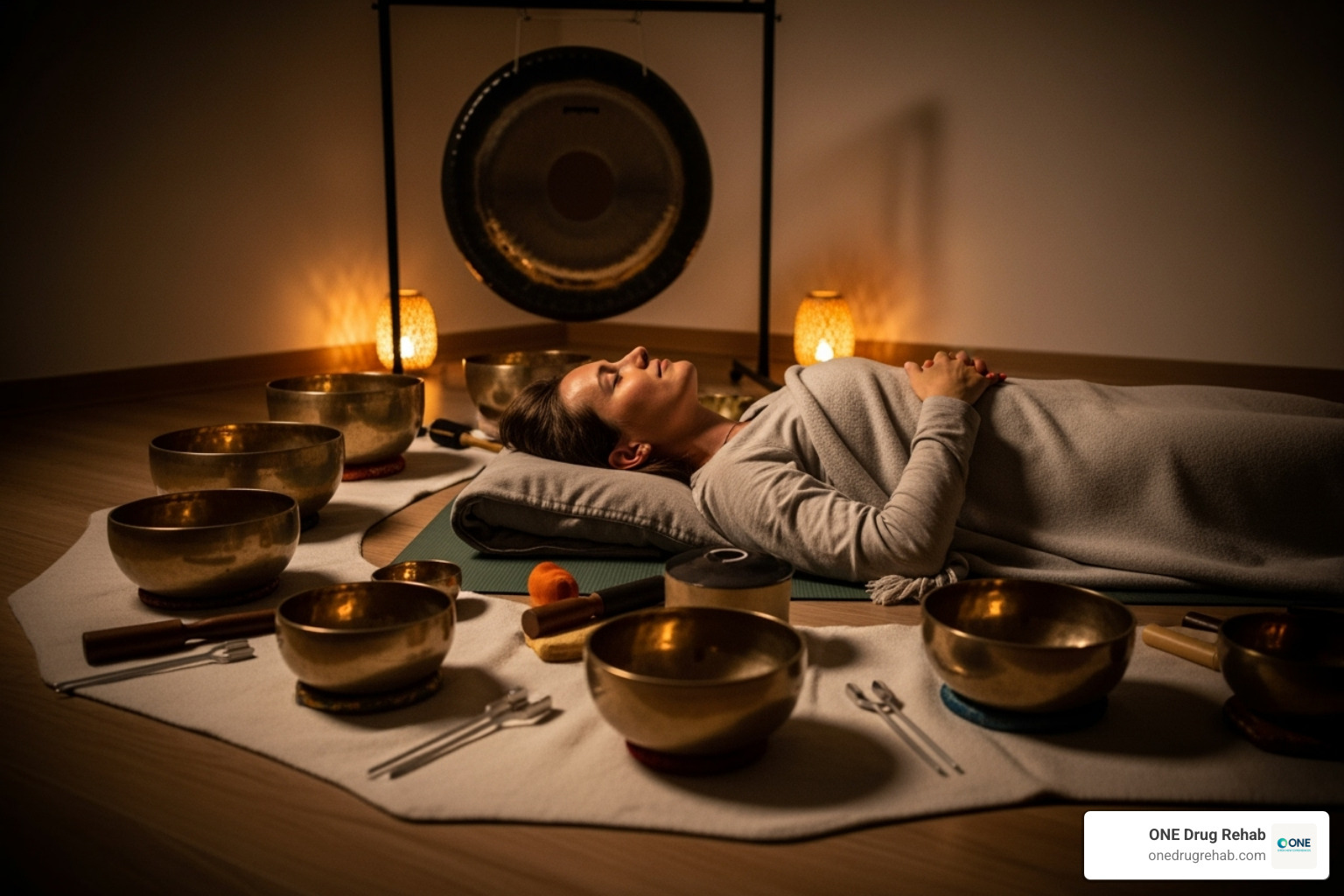
During the session, you’ll get comfortable on a mat, often with a blanket. The practitioner may start with guided breathing before playing instruments like singing bowls and gongs around you.
You might feel physical sensations like gentle tingling or a warm resonance. These are the sound waves moving through your body. It’s also normal for emotions to surface; many find this release deeply cathartic. Some people drift into a dreamlike state, and it’s perfectly fine to fall asleep.
After the session, take your time getting up. You might feel a bit spacey as your nervous system remains in deep relaxation mode. Staying hydrated is important, so drink plenty of water. The vibrations can continue to work in your body for 24-48 hours.
Consider grounding techniques afterward, like taking a gentle walk or having a cup of tea, to help integrate the experience. Whether you have a profound journey or a good nap, both are valuable and healing.
Integrating Sound Healing into Your Wellness Routine
Making sound healing therapy a regular part of your life can deepen its benefits. It can easily flow into your existing wellness practices.
Creating a Consistent Practice
Consistency is key to experiencing the full effects of sound healing.
- At-home practice: You can easily start at home. Many sleep and meditation apps incorporate therapeutic sounds. High-quality recordings of sound baths are also widely available.
- Binaural beats: For these to be effective, headphones are essential. Consistent listening for 15-30 minutes daily is often recommended to feel the full effects.
- Group vs. private sessions: Group sound baths offer a powerful collective energy, while private sessions can be custom to your specific needs. Many people enjoy a mix of both.
- Combine with other practices: Sound can deepen your yoga or meditation practice by helping to quiet mental chatter. Try playing soft background sounds during your routine.
Sound healing therapy complements other treatments well. For those exploring holistic programs or even finding rehab without insurance, it can improve the overall healing journey.
Safety and Best Practices for Sound Healing Therapy
While generally safe, a few considerations will ensure the best experience.
- Consult your doctor: If you have ongoing health concerns, especially serious mental health conditions, discuss sound healing with your healthcare provider.
- Use caution in certain situations: Let your practitioner know if you are pregnant (especially in the first trimester), have epilepsy, or have medical implants like pacemakers or stents. Instruments should not be placed directly on or near these areas.
- Find qualified practitioners: Look for someone with proper training and experience in sound healing to ensure a safe, welcoming environment.
- Listen to your body: If anything feels uncomfortable, speak up. Emotional releases like tears or laughter are normal and part of the process.
- Manage expectations: Approach sound healing as a supportive practice that contributes to your overall well-being, not a magic cure. Curiosity is more helpful than pressure for a specific outcome.
Frequently Asked Questions about Sound Healing
How is sound healing different from music therapy?
While both use sound for healing, their approaches differ. Sound healing therapy uses immersive, pure tones and vibrations from instruments like singing bowls for general wellness and deep relaxation. It’s focused on the vibrational experience. In contrast, music therapy is a clinical health profession where a credentialed therapist uses musical elements like rhythm and melody in a structured process to address specific, diagnosed health goals, such as aiding in neurological rehabilitation.
Can I practice sound healing on my own at home?
Yes. You can easily practice at home with high-quality recordings of sound baths, binaural beats (which require headphones), or by learning to play a simple instrument like a singing bowl. Don’t forget your own voice—humming or chanting is a powerful, free, and accessible tool for creating healing vibrations.
What does sound healing feel like?
Experiences are unique, but common feelings include deep relaxation, a meditative state, and physical tingling as vibrations move through the body. Emotional releases (like tears or laughter) are also normal and considered a positive sign of releasing stored tension. Some people see colors or patterns, while others fall asleep, which is simply a sign that the nervous system has shifted into a beneficial, deeply relaxed state. There is no “right” way to experience it.
Conclusion: Your Path to Harmony and Recovery
Sound healing therapy is an ancient practice with profound relevance for modern life. It offers a gentle yet powerful path to reduce stress, manage pain, and improve overall well-being by working with your body’s natural ability to find balance.
What makes this practice so valuable is its accessibility and how well it complements other wellness approaches. For those in recovery, the stress reduction and emotional balance it provides can create a strong foundation for other therapeutic work. Sound healing therapy can be one piece of a larger puzzle that includes medical care, counseling, and other evidence-based treatments. Resources like ONE Drug Rehab can help you understand the full spectrum of options when you’re ready to explore different types of addiction treatment.
The research is clear: sound healing is backed by science, creating measurable positive changes in our bodies and minds. You can start simply with a local sound bath, a recording at home, or even by using your own voice.
Healing is a personal journey. Sound healing therapy offers a return to a fundamental principle: we are vibrational beings. By working with sound, we can address the harmony of our entire being, finding a peaceful sanctuary in a chaotic world and a way back home to ourselves.