
Why Alternative Cardiac Rehab Options Are Changing Lives
Alternatives to outpatient cardiac rehab programs are game-changers for heart patients who can’t access traditional hospital-based care. For those seeking options beyond the standard clinic, here are the main choices:
Quick Answer – Your Alternative Options:
- Home-based programs – Structured exercise and education delivered to your home with phone support
- Virtual/telehealth rehab – Video sessions, mobile apps, and remote monitoring with healthcare providers
- Hybrid models – Mix of in-person visits and home-based care
- Community programs – Local fitness centers with cardiac-trained staff
- Self-directed programs – Guided exercise plans with periodic medical check-ins
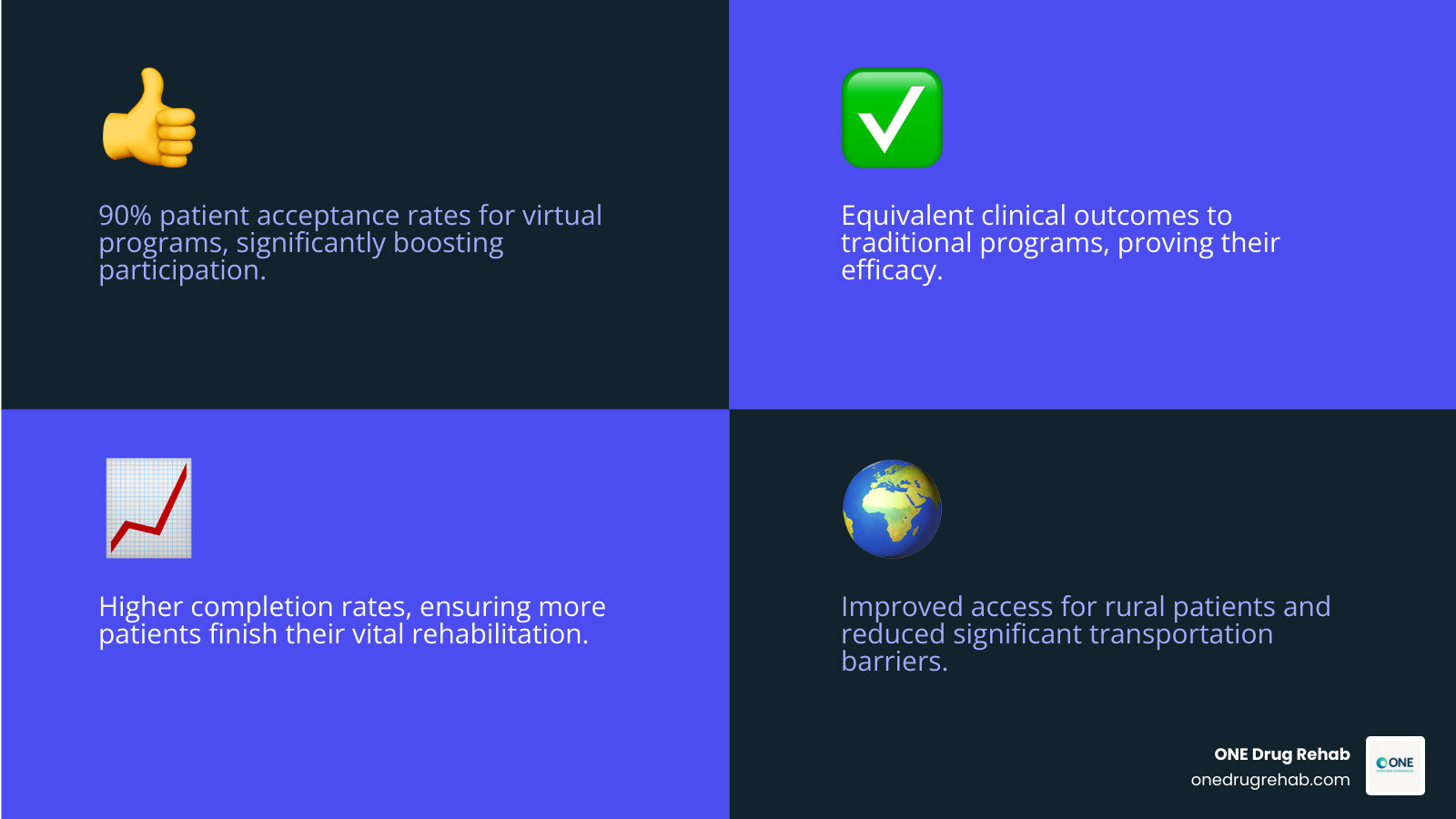
The numbers are powerful: 90% of eligible patients miss out on life-saving care through traditional programs. When given alternatives, participation jumps. For example, Toronto’s virtual rehab programs saw 33% more referrals and 90% patient acceptance.
The COVID-19 pandemic accelerated this shift. Remote cardiac rehab proved as effective as hospital programs for improving heart health, reducing readmissions, and enhancing quality of life. One study even found remote patients had higher quality of life scores.
These alternatives are crucial because traditional cardiac rehab faces major barriers like transportation issues, work conflicts, and limited program availability, preventing many from receiving care after heart attacks, surgery, or heart failure.
Alternatives to outpatient cardiac rehab programs terms to remember:
What is Cardiac Rehab and Why Do So Many People Miss Out?
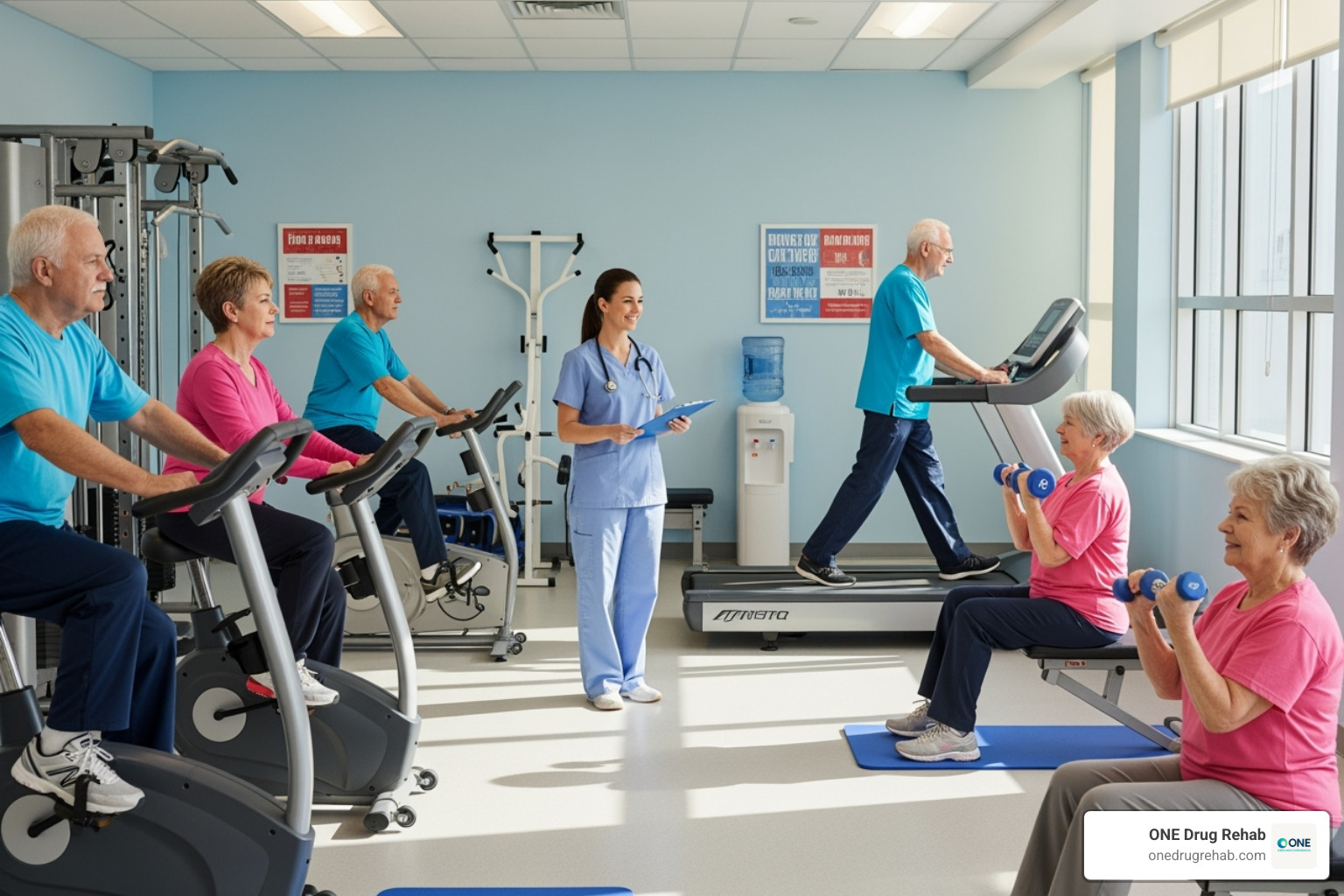
Cardiac rehabilitation is a medically supervised program to help you recover after a heart attack, surgery, or heart failure diagnosis. It’s more than just exercise.
Cardiac rehab combines three key elements: exercise training customized to your heart’s needs, patient education on topics like nutrition and stress, and risk factor counseling to help you quit smoking, control blood pressure, and manage diabetes.
The results are clear: completing cardiac rehab leads to reduced mortality and improved quality of life, offering measurable improvements to your daily and long-term health.
If cardiac rehab is so effective, why is participation low? Traditional programs present significant barriers to participation. The need to travel multiple times a week creates transportation headaches and costs. Scheduling conflicts with work or family are common, and for those in rural areas, geographic distance can make access impossible.
For more information on managing heart conditions, you can explore resources on heart failure.
The Alarming Reality of Participation
The statistics are shocking: over 80% of eligible patients skip cardiac rehab entirely. Between 2007 and 2011, only 16.3% of Medicare patients and just 10.3% of veterans completed it after major heart procedures. This represents a massive underutilization of a life-saving service.
Common Problems to Center-Based Programs
Traditional center-based programs often conflict with real life. Work commitments and family responsibilities take priority. In many areas, there’s a lack of program availability, especially outside major cities. Furthermore, a growing patient preference for home settings is driving the search for alternatives. People often recover better in familiar surroundings, which is why alternatives to outpatient cardiac rehab programs are gaining traction.
Exploring Effective Alternatives to Outpatient Cardiac Rehab Programs
The healthcare world is embracing flexibility, creating new pathways to healing that are essential for the millions who can’t access traditional programs.

What makes these alternatives to outpatient cardiac rehab programs powerful is that they put you in control. Instead of fitting your life into a rigid schedule, programs like home-based, virtual, and hybrid models adapt to you. This is achieved through smart technology integration and a focus on patient empowerment, helping you confidently manage your heart health long-term.
Home-Based Cardiac Rehab (HBCR)
Home-based cardiac rehab delivers a structured program to your home. It’s not a DIY approach; it’s professional care in your personal space. You’ll receive comprehensive manuals and workbooks as your recovery roadmap. The core of HBCR is regular telephone support from your care team, often through a nurse case management model where a dedicated professional is your go-to contact. You’ll also learn self-monitoring to become an expert on your own body.
Virtual & Telehealth Cardiac Rehab
Virtual rehab uses technology to improve home-based care. Mobile apps and web-based platforms create a digital health ecosystem. Wearable sensors like smartwatches provide real-time data transmission to your care team. Video conferencing allows for face-to-face sessions with exercise physiologists, while tele-counseling helps address the emotional and nutritional aspects of recovery.
Hybrid Cardiac Rehab: The Best of Both Worlds
Hybrid models blend on-site and home-based care. Your journey may start with initial on-site sessions for hands-on training and to build relationships with your care team. Once you’re confident, you transition to a home-based program, maintaining support while gaining flexibility. This approach combines professional supervision with flexibility and gradually builds patient confidence for independent program management.
How Effective Are Home-Based Programs? A Look at the Evidence
You might wonder if these alternatives to outpatient cardiac rehab programs actually work as well as traditional methods. The evidence is convincing. Studies show home-based cardiac rehab delivers comparable clinical outcomes—including improvements in exercise capacity, blood pressure, and cholesterol—and often boasts higher completion rates.
Here’s how the two approaches compare:
| Feature | Traditional Outpatient Rehab | Home-Based/Virtual Rehab |
|---|---|---|
| Effectiveness | Highly effective, well-established outcomes | Equally effective for stable patients, comparable clinical outcomes |
| Convenience | Requires travel, fixed schedules, potential logistical challenges | Flexible scheduling, no travel, comfort of home |
| Completion Rates | Often lower due to barriers (e.g., transportation, scheduling) | Potentially higher due to increased convenience and flexibility |
| Typical Components | Supervised exercise, in-person education, group sessions, direct monitoring | Guided exercise (manuals, apps), tele-counseling, remote monitoring, self-management |
The American Heart Association provides extensive scientific research on home-based vs center-based rehab if you want to dive deeper into the data.
Key Study Findings
Recent studies highlight this success. When Toronto’s cardiac rehab programs went virtual during COVID-19, total referrals jumped by 33%, with over 90% of patients accepting the virtual option and attending 85% of their scheduled sessions. Similarly, a University of Tokyo Hospital study found its remote program was as effective as traditional rehab, but remote patients reported higher quality of life scores, possibly due to feeling more comfortable discussing health concerns from home.
Patient Preference and Adherence
When given a choice, nearly half of eligible patients prefer home-based options. The Veterans Health Administration found that offering both home-based and facility-based options made patients four times more likely to participate than those only offered the traditional route. Furthermore, completion rates were slightly higher among home-based participants. When people have control over their care, they are more likely to stick with it.
Practical Guide to Starting an Alternative Rehab Program
Ready to start with alternatives to outpatient cardiac rehab programs? The process is straightforward but requires coordination with your healthcare team.
Your journey begins with a patient assessment to ensure a home-based program is safe for you. This involves a review of your medical history, risk factors, and home environment. Next, provider collaboration creates your custom recovery plan. The technology setup is usually simple, and finally, you’ll need to clarify insurance questions.
Core Components for Success at Home
Successful home-based programs are built on six pillars:
- Personalized exercise plan: Crafted based on your fitness level and goals, with clear guidelines on how to progress safely.
- Risk factor education: Helps you understand your condition and how to prevent future problems.
- Nutrition counseling: A registered dietitian helps create enjoyable, heart-healthy meal plans.
- Stress management: Learn practical tools like deep breathing and mindfulness to cope with anxiety.
- Medication adherence: Support to ensure you understand your medications and take them correctly.
- Continuous healthcare team support: You’re never alone, with regular check-ins via phone, video, or app.
The Role of Your Healthcare Team in alternatives to outpatient cardiac rehab programs
Your healthcare team is your recovery squad. A cardiologist referral confirms you’re stable enough for a home-based approach. Program coordination ensures all parts of your care work together. Regular progress monitoring tracks your exercise, symptoms, and victories. Your team uses motivational interviewing to help you find your own reasons to succeed and establishes clear safety protocols for exercising at home.
Costs and Insurance for alternatives to outpatient cardiac rehab programs
Alternatives to outpatient cardiac rehab programs often lead to potential cost savings, mainly through reduced travel expenses. The healthcare landscape is shifting, with Medicare coverage expansion and updated telehealth reimbursement policies from private insurers making these programs more accessible. However, check with your insurer to understand your specific coverage, copays, and any pre-authorization requirements. Asking the right questions upfront can prevent surprises later.
Frequently Asked Questions about Alternative Cardiac Rehab
Considering alternatives to outpatient cardiac rehab programs brings up questions. Here are answers to the most common concerns.
Is home-based cardiac rehab safe for everyone?
Home-based rehab is safe and effective for most stable, low-to-moderate risk patients. An initial assessment by your healthcare team is crucial to determine if you’re a good candidate. You’ll be taught safety protocols, including how to monitor your heart rate, recognize warning signs, and when to call for help. Communication with providers is a cornerstone of safety. Serious cardiovascular events during rehab are extremely rare, both at home and in a facility.
What technology or equipment will I need?
The basic requirements are simple. You’ll likely need a smartphone or computer with a reliable internet connection for video calls and apps. A blood pressure cuff and a heart rate monitor are necessary for tracking your vitals. For exercise, comfortable exercise equipment can be as simple as good walking shoes, though some may use a stationary bike or treadmill. The core tools are generally accessible and affordable.
How can I stay motivated without a group?
Staying motivated at home is achievable. Scheduled check-ins with your healthcare team create accountability. Personalized goal setting gives you concrete targets to work toward. App-based tracking provides visual feedback on your progress. You can also involve family and friends for support and join online support groups, like the AHA’s Support Network, to connect with others on a similar journey. Motivation often deepens when a program fits seamlessly into your life.
Conclusion: A More Accessible Future for Heart Health
The world of cardiac rehabilitation is changing for the better, moving toward a future of cardiac rehab that prioritizes you. Alternatives to outpatient cardiac rehab programs are proving to be lifelines for those who previously found quality heart care out of reach.
The flexibility of these programs means you can fit life-saving care into your life, not the other way around. This improved accessibility is breaking down barriers for those who juggle work, family, or live far from a rehab center. This patient-centered care approach recognizes that healing happens best when it fits into your world.
Technology is a key enabler, empowering patients in their recovery with user-friendly tools like apps and wearable devices that extend, rather than replace, the human touch of a care team. The conversation is shifting from “Why can’t you come to the clinic?” to “How can we make this work for you?”
Finding the right support system is a key component of recovery, whether from your medical team, family, or peers. For those navigating the complexities of health and wellness, comprehensive directories can provide valuable connections and information.
The future of heart health is brighter because it’s more accessible and flexible. If you’re exploring support resources for your wellness journey, you might find helpful connections at ONEDrugRehab.com.
Your heart deserves the best care possible, and now that care can come to you, on your terms, when you need it most.