

IOP Sober Living: 1st Step to Lasting Success
Why Combining IOP and Sober Living Creates a Powerful Recovery Foundation
Pairing an Intensive Outpatient Program with a sober living home gives you both clinical care and around-the-clock community support in one practical package.
Key reasons the combo works:
- 24/7 Accountability between therapy sessions
- Skill Practice in Real Life the moment you leave group
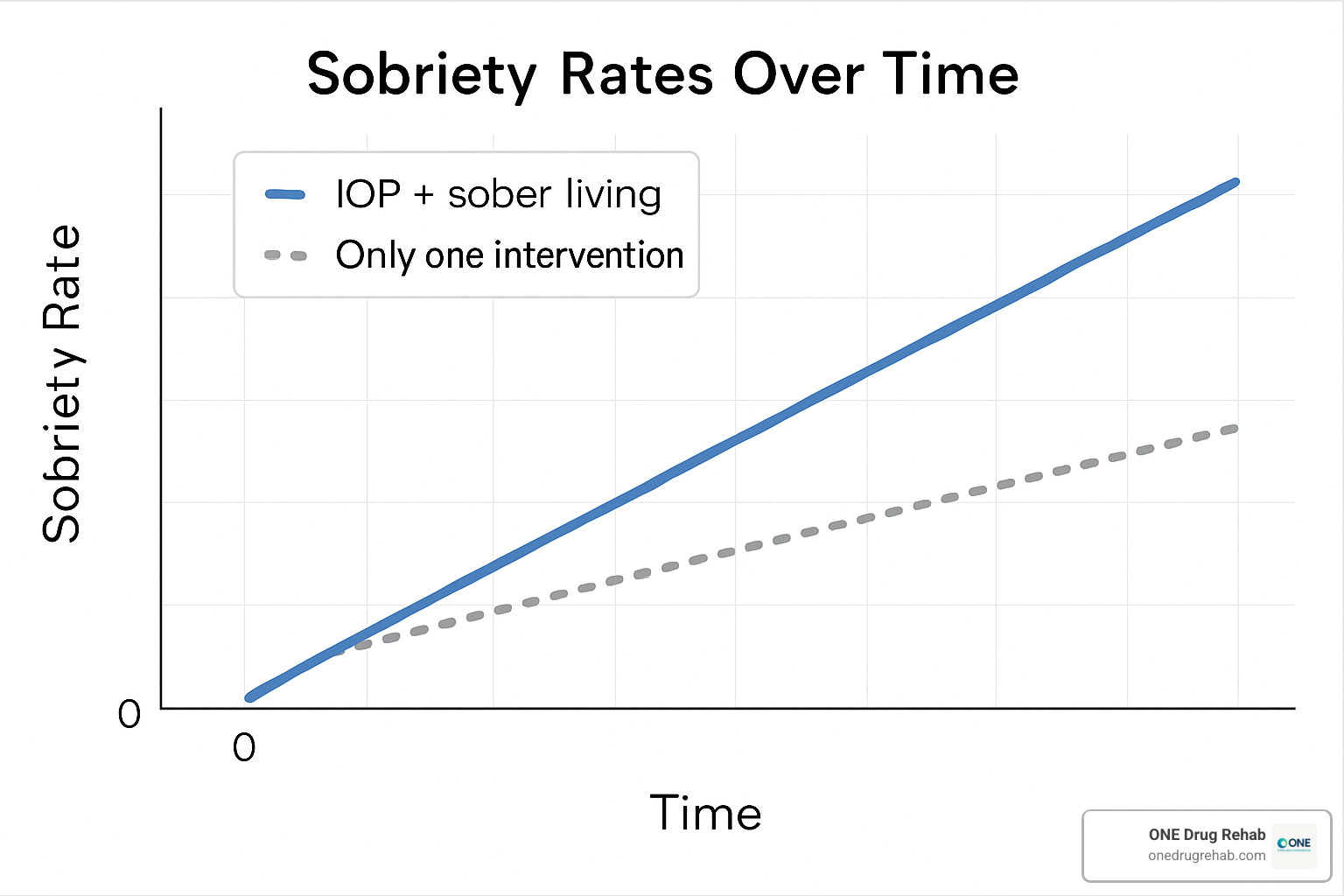
- Higher Success Rates (50-70 % abstinence in studies)
- Lower Cost than inpatient treatment
- Schedule Flexibility for work or school
Detox or a short stay in rehab is rarely enough. True recovery demands consistent therapy and a living space built around sobriety. IOP supplies at least nine hours of evidence-based treatment each week; sober living supplies structure, drug-free housing, and peers who “get it.” Put together, they form a safety net that has helped thousands stay sober long after formal treatment ends.
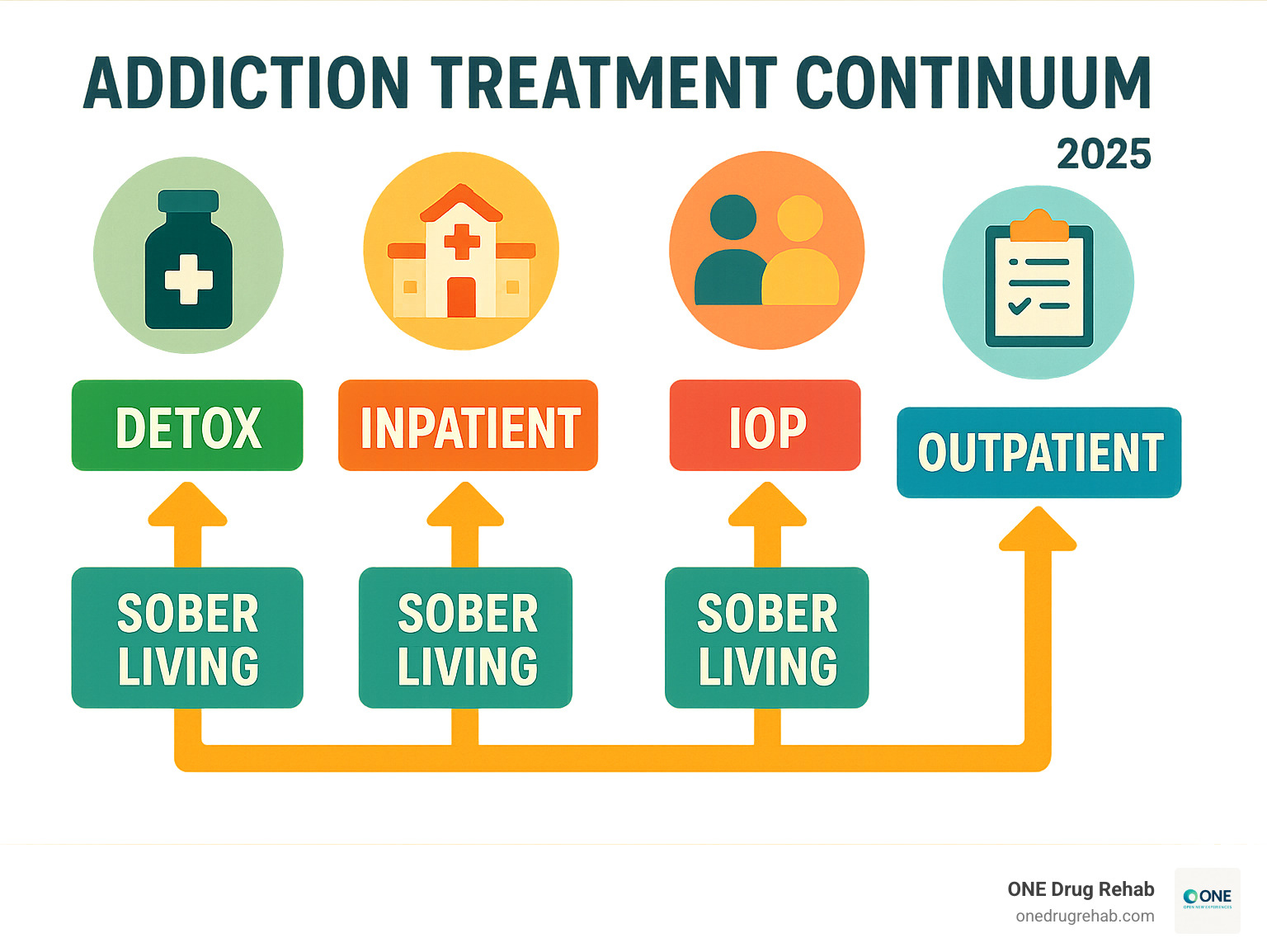
Understanding the Core Components: What Are IOP and Sober Living?
What is an Intensive Outpatient Program (IOP)?
An IOP delivers ASAM Level 2 care—more support than weekly counseling, less than 24-hour inpatient. You attend 9 + hours of therapy (group, individual, family) each week while still sleeping off-site. Because sessions run mornings, evenings, or weekends, you can keep your job, classes, or parenting duties. Research shows IOP can match inpatient outcomes for many people.
What is a Sober Living Environment?
Sober living homes are peer-run or staff-supervised residences where every tenant commits to a substance-free lifestyle. Expect house rules, chore lists, curfews, and random tests—all designed to keep relapse triggers out. Over time you earn more freedom, making sober living a bridge from treatment to full independence. Quality homes follow NARR standards.
Together, IOP + sober living means professional therapy by day and a recovery-focused household by night—two powerful ingredients in one recipe.
The Power of Synergy: Why Combining IOP and Sober Living Works
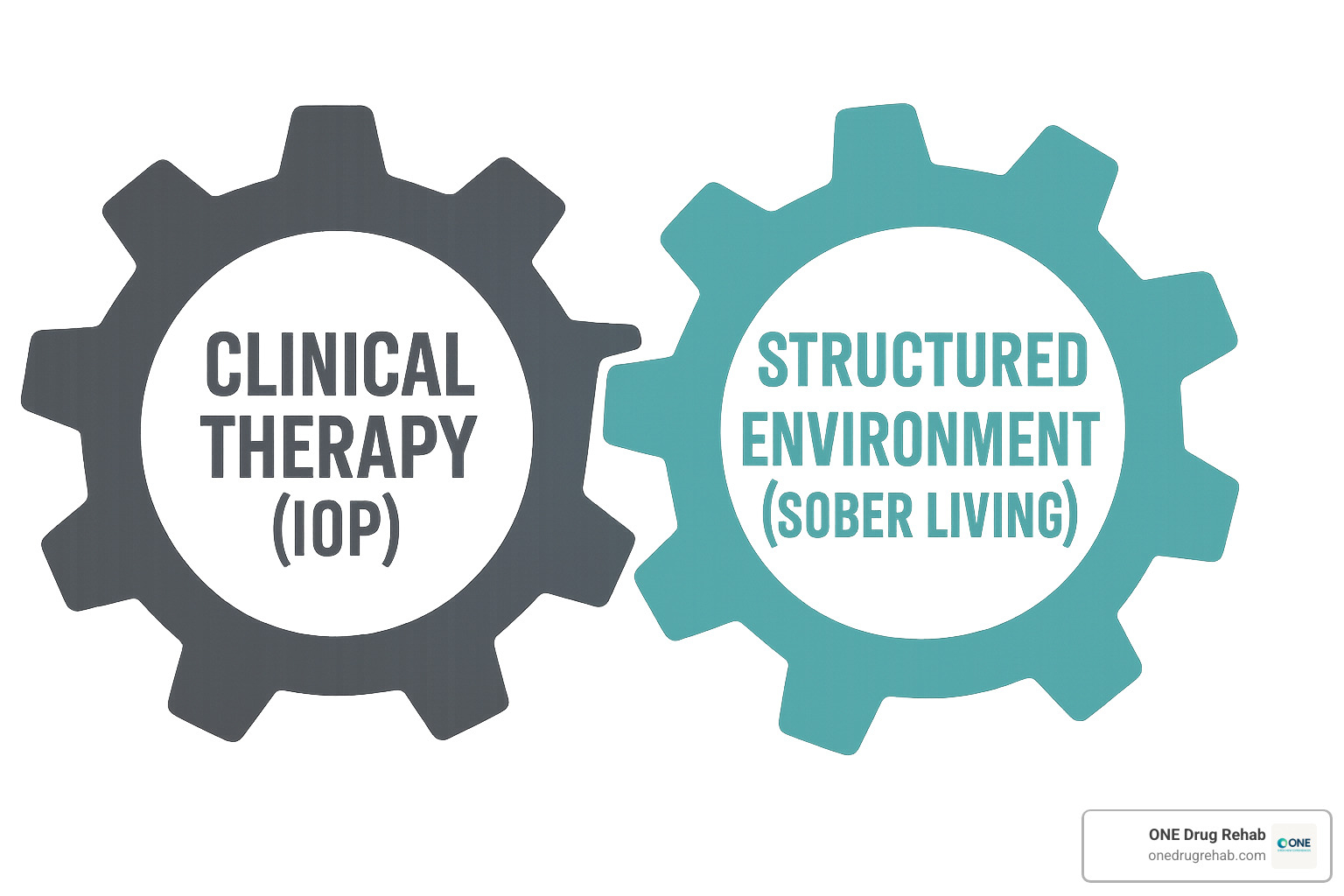
- Continuous Support – Therapy ends at 5 PM, but cravings don’t. Sober-living peers and staff fill the gap so you’re never alone during vulnerable evenings or weekends.
- Instant Skill Practice – Learn a coping tool in Tuesday CBT, test-drive it with housemates that night. Immediate repetition cements new habits.
- Longer Engagement, Better Results – Residents often stay 5–6 months, far beyond a typical 30-day rehab. More time in structured recovery equals better long-term sobriety.
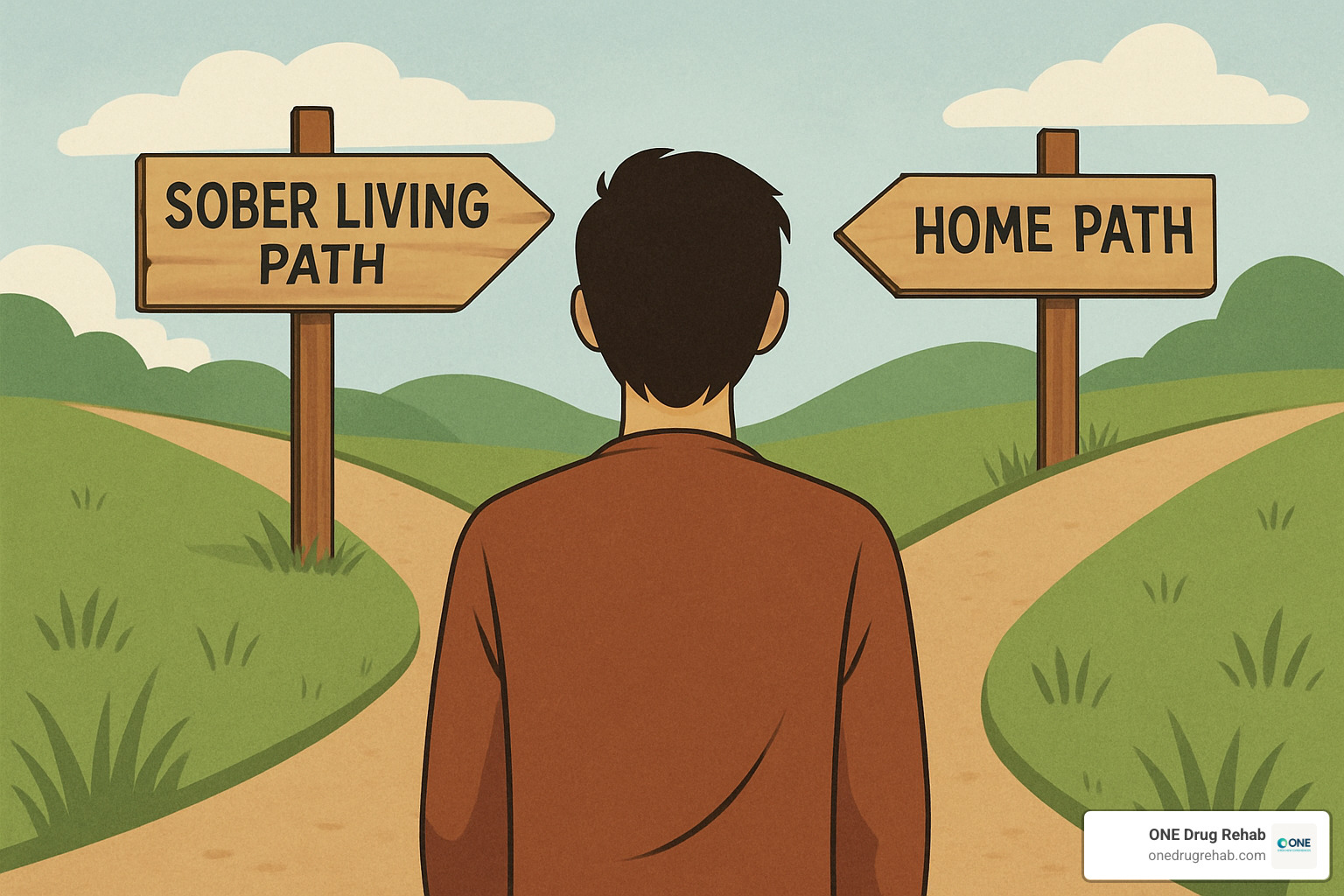
Living Situation During IOP: Sober Living vs. At Home
| Feature | Sober Living | Living at Home |
|---|---|---|
| Environment | Structured & drug-free | Familiar but may hold triggers |
| Support | 24/7 peers + staff | Depends on family/friends |
| Accountability | Curfews, tests, meetings | Self-policed |
| Cost | Rent $300–$2,000 | Usually existing housing |
| Independence | Gradual | Immediate |
Home: Cheaper and comfortable, but old using spots, family conflict, or easy access to substances can trip you up.
Sober living: Costs more and comes with rules, yet supplies a ready-made recovery crew and a break from risky environments. Many people start in sober living, then move home once stable.
Is a Combined IOP Sober Living Program Right for You?
You may benefit most if:
- You’re stepping down from inpatient and want a softer landing.
- Home is stressful or substance-friendly.
- Past attempts ended in quick relapse.
- You need firm structure while managing co-occurring mental health issues.
Before deciding, ask:
- Are there drugs or alcohol in my house?
- Do family/friends truly support sobriety?
- Can I afford sober-living rent or find assistance?
- Am I willing to follow house rules for a period of time?
An honest “yes” to structure and “no” to triggers often points toward the IOP + sober living route.
What to Expect: Therapies and Support Systems
Evidence-Based Therapies in IOP
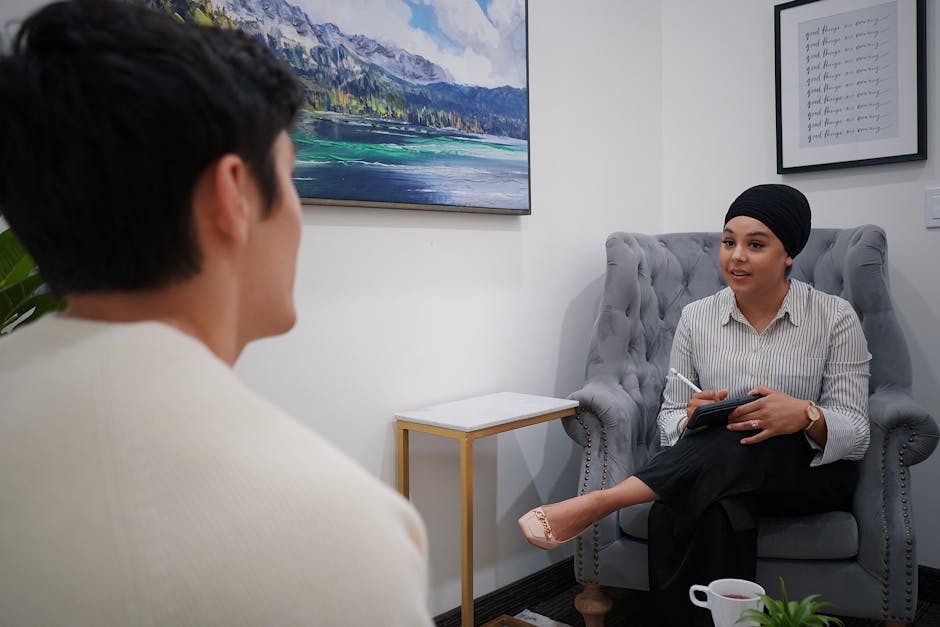
Common methods include:
- CBT to reframe thoughts and behaviors.
- DBT for emotion regulation.
- Motivational Interviewing to strengthen commitment.
- Matrix Model for stimulant or mixed substance issues.
You’ll mix group, individual, and family sessions, usually 3–5 days a week.
Community Support in Sober Living
- 12-Step or other peer meetings such as AA or NA
- House meetings & chores to practice communication and responsibility.
- Peer mentorship from longer-term residents.
- Life-skills & job help so you can pay bills and stay busy.
Therapy supplies the tools; the house supplies the reps.
Frequently Asked Questions about IOP and Sober Living
How long will I stay? Most IOPs run 8–12 weeks. Sober living averages 3–12 months; around 150 days shows the best outcomes.
What does it cost? IOP: roughly $3 k–$10 k total (often partly covered by insurance). Sober-living rent: $300–$2 k per month. Ask about scholarships or sliding scales.
Can I work or study? Yes. IOP schedules are built for evenings or half-days, and sober living expects residents to hold jobs or attend classes once stable.
Conclusion: Building Your Foundation for Lasting Recovery
IOP delivers the clinical know-how; sober living adds the day-to-day practice. Together they create a cost-effective, flexible, and research-backed path to long-term sobriety.
Explore options in your area through our directory of drug rehab centers. An informed choice today can set the stage for a healthier, substance-free life tomorrow.