

The Urgent Need for Effective Treatment for Heroin Addiction
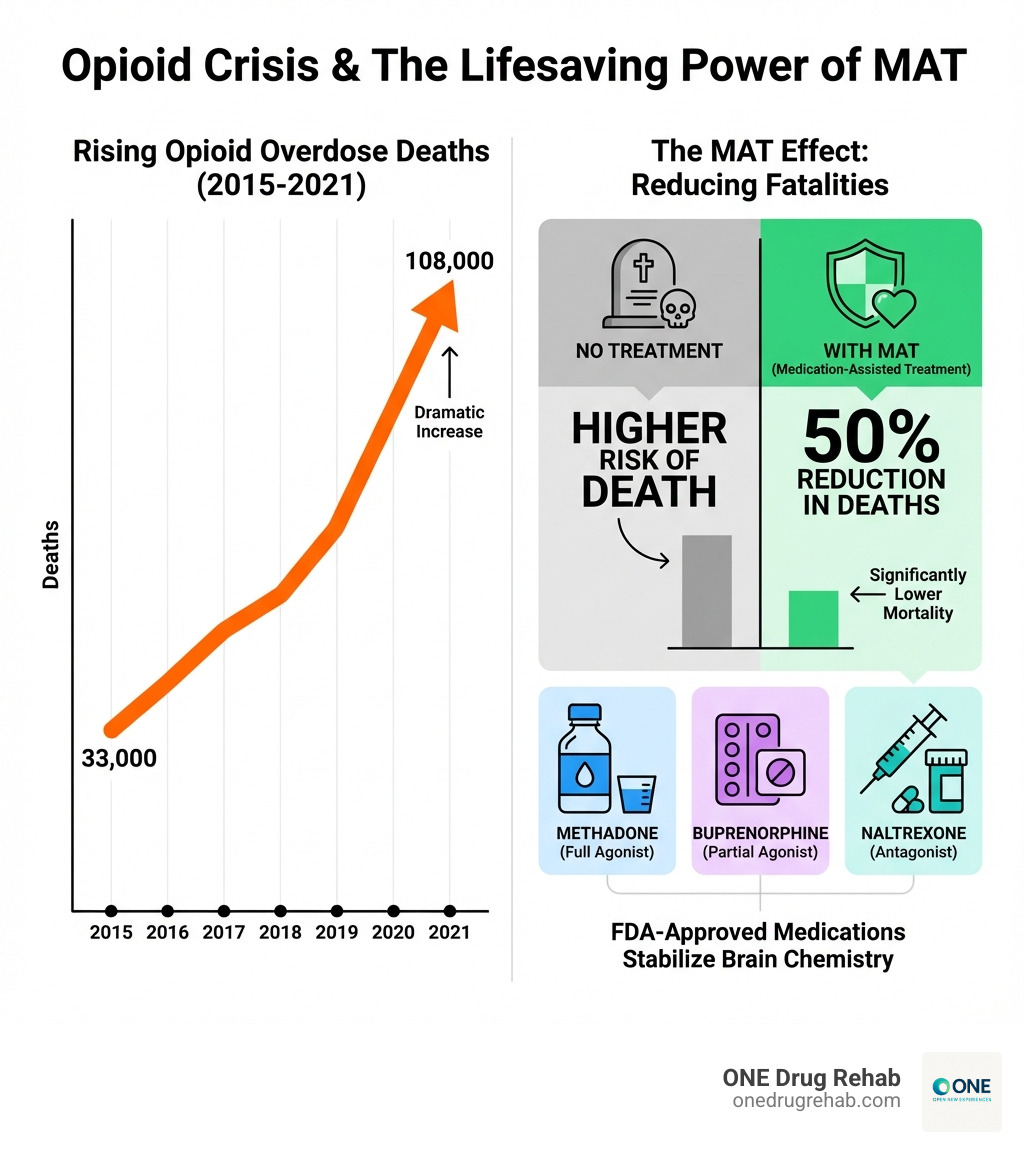
The opioid crisis continues to be one of the most significant public health challenges of our time. In 2021 alone, over 108,000 people in the United States died from a drug overdose, with a staggering number of these deaths involving synthetic opioids like fentanyl, which is often mixed with or sold as heroin. For individuals struggling with untreated opioid use disorder (OUD)—particularly heroin addiction—the consequences can be devastating, not just for them but for their families and communities.
It is crucial to understand that heroin addiction is not a moral failing or a lack of willpower. It is a chronic, relapsing brain disease that fundamentally alters brain chemistry and function. This alteration creates an overwhelming physical and psychological dependence that is incredibly difficult to overcome through sheer will. As former U.S. Health and Human Services Secretary Alex Azar II stated: “Medication-assisted treatment works. The evidence on this is voluminous and ever growing… failing to offer MAT is like trying to treat an infection without antibiotics.”
Medication-Assisted Treatment (MAT) for heroin is a life-saving, evidence-based approach that combines FDA-approved medications with counseling and behavioral therapies to treat opioid use disorder. It works by normalizing brain chemistry, reducing debilitating cravings, preventing painful withdrawal symptoms, and blocking the euphoric effects of opioids. This comprehensive strategy provides a stable foundation, allowing individuals to engage in therapy and rebuild their lives, ultimately helping them achieve and sustain long-term recovery.
Quick Answer: What is MAT for Heroin?
- Three FDA-approved medications: Methadone, Buprenorphine (Suboxone), and Naltrexone (Vivitrol)
- How it works: Stabilizes brain chemistry, reduces cravings, and prevents withdrawal, allowing for focus on recovery.
- Proven results: Can reduce the risk of overdose death by 50% or more compared to no treatment.
- Not a substitute: MAT is a legitimate medical treatment for a chronic brain disease, not “replacing one drug with another.”
- Comprehensive care: It is most effective when combined with counseling and behavioral therapy to address the psychological aspects of addiction.
Despite decades of research proving its effectiveness, MAT remains significantly underused. Stigma, misinformation, and logistical barriers mean that fewer than half of privately-funded substance use disorder treatment programs offer MAT, and only a fraction of patients with opioid dependence actually receive it. This treatment gap has tragic consequences, contributing to the rising number of preventable overdose deaths.
This guide will help you understand how MAT works, what medications are available, and why this approach is considered the gold standard for treating heroin addiction. Whether you’re seeking treatment for yourself or a loved one, you’ll find clear, evidence-based information to help make informed decisions on the path to recovery.
Understanding Medication-Assisted Treatment (MAT) for Opioid Use Disorder
Medication-Assisted Treatment (MAT) is a comprehensive, evidence-based approach to treating substance use disorders, particularly Opioid Use Disorder (OUD). It’s not just about taking a pill; it’s a whole-person approach that combines FDA-approved medications with crucial counseling, behavioral therapies, and peer support. This integrated strategy is designed to address the complex physical, psychological, and social aspects of addiction, providing a stable foundation for lasting recovery.
At its core, MAT works by normalizing the brain chemistry that has been profoundly disrupted by opioid use. Opioids like heroin bind to and activate opioid receptors in the brain, triggering a massive release of dopamine and creating intense feelings of pleasure and euphoria. With repeated use, the brain adapts to this constant presence of the drug, reducing its natural production of endorphins (the body’s own opioids) and increasing the number of opioid receptors. This leads to tolerance, where more of the drug is needed to achieve the same effect, and physical dependence. When the drug is stopped, the brain is thrown into a state of imbalance, causing severe and painful withdrawal symptoms and intense cravings. The medications used in MAT work by interacting with these same opioid receptors, but in a controlled and safe manner. They help to rebalance these systems, effectively reducing cravings and preventing withdrawal symptoms without producing the euphoric high associated with illicit drug use. By stabilizing the body and mind, MAT allows individuals to engage more fully in therapy and other recovery-oriented activities. To learn more about how we integrate various therapeutic approaches, explore our guide on Behavioral Health Treatment.
Why Choose MAT for Heroin Addiction?
Heroin addiction, like other forms of OUD, is a complex, chronic brain disease. It’s not a choice or a moral failing, but a medical condition that fundamentally changes a person’s brain chemistry, making them physically and psychologically dependent on the substance. The brain adapts to the presence of opioids, leading to intense, uncontrollable cravings and severe withdrawal symptoms if use stops. This powerful biological drive is why willpower alone is often insufficient for achieving and maintaining long-term recovery. Attempting to quit “cold turkey” can be not only excruciating but also dangerous, as it often leads to a cycle of relapse and an increased risk of fatal overdose, especially if a person’s tolerance has decreased during a period of abstinence.
Choosing MAT for heroin addiction means treating a medical condition with proven medical solutions. It’s a scientifically supported approach that recognizes addiction as a disease, not a character flaw. Unfortunately, a significant stigma still surrounds MAT, with some viewing it as “replacing one drug with another” or as a “crutch.” This misconception often stems from older, abstinence-only models of treatment. While these models can be effective for some, they have historically had low success rates for individuals with severe OUD, sometimes with tragic consequences.
Unlike illicit opioid use, MAT medications, when prescribed and monitored by a medical professional, do not produce euphoria or impairment. Instead, they stabilize the brain, allowing individuals to feel “normal” again, focus on their recovery, and begin the process of rebuilding their lives. This stability is crucial for engaging in the deep therapeutic work needed to address the root causes of addiction and develop healthy coping mechanisms. For a broader understanding of different paths to recovery, refer to our Addiction Treatment Complete Guide.
The Language of Recovery: MAT and Reducing Stigma
The language we use around addiction and its treatment matters profoundly. The term “Medication-Assisted Treatment” (MAT) itself has been a subject of evolving discussion. Many experts and advocacy groups now prefer the term “Medications for Opioid Use Disorder” (MOUD). This shift in terminology is more than just semantics; it reflects a crucial understanding that these medications are not merely “assisting” treatment—they are a primary, foundational, and often life-saving component of effective care for OUD.
The word “assisted” can inadvertently imply that recovery achieved with medication is somehow less legitimate or “real” than recovery achieved through abstinence alone. This perpetuates a harmful stigma that can discourage individuals from seeking or staying on a treatment path that could save their life. By framing it as “Medications for OUD,” we align the treatment of opioid addiction with how we approach other chronic diseases like diabetes (which is managed with insulin) or heart disease (managed with blood pressure medication). In these cases, medication is correctly seen as a standard, essential part of care, not merely an “assistance.” This change in terminology helps to reduce the stigma that individuals on MAT often face, fostering an environment where seeking and receiving evidence-based care is normalized, supported, and seen for what it is: a courageous step toward health and well-being. We believe in Challenging the Myths about MAT to ensure everyone has access to life-saving treatment.
The Core Medications in MAT for Heroin: A Detailed Comparison
When it comes to MAT for heroin, three FDA-approved medications form the cornerstone of treatment: methadone, buprenorphine, and naltrexone. Each medication works differently, and the choice of which one to use is highly individualized. A healthcare provider will consider factors like the person’s medical history, the severity of their opioid use disorder, their living situation, and their personal preferences. The goal is always to find the best fit for each individual’s unique path to recovery.
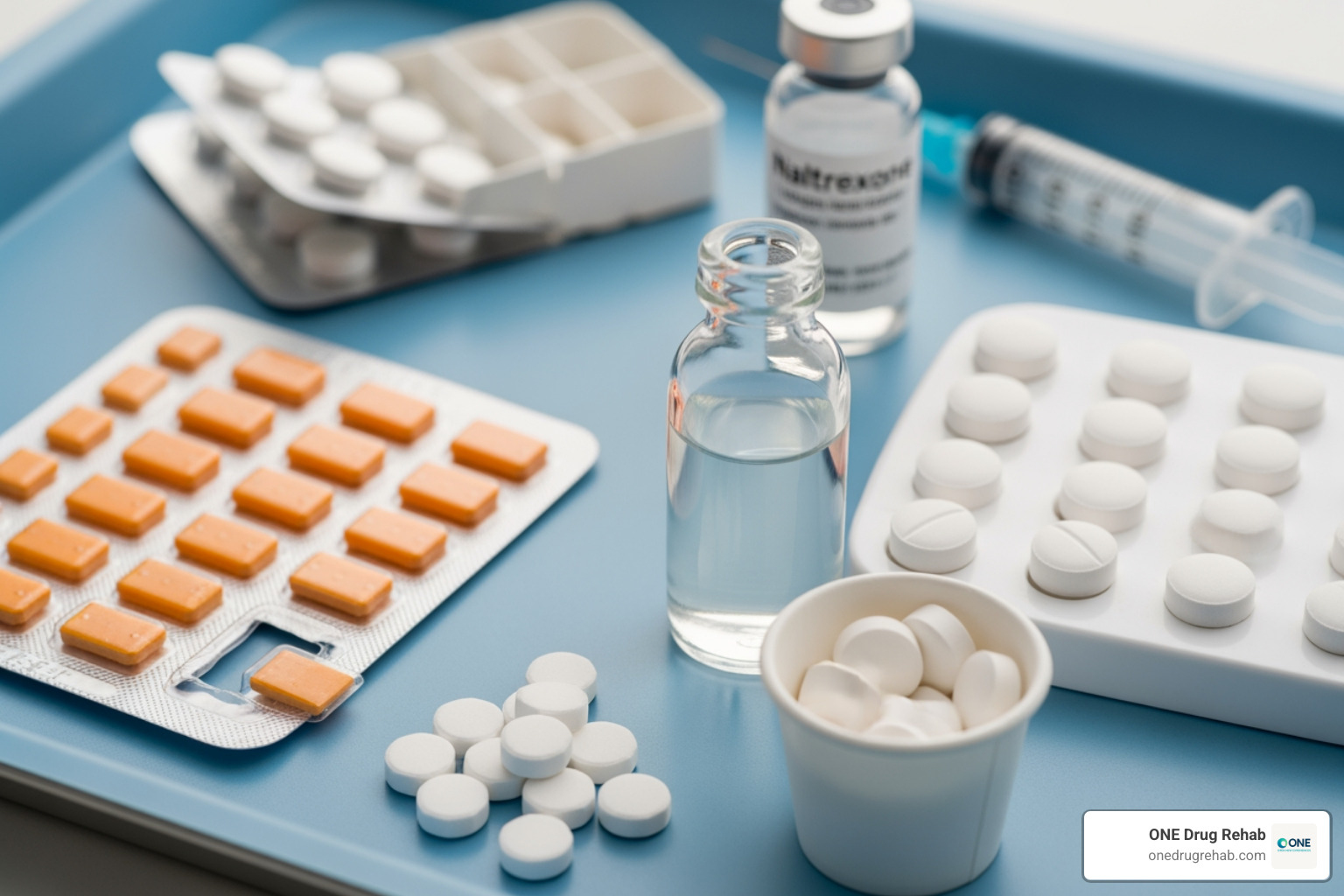
Here’s a detailed comparison of these vital medications:
| Medication | Mechanism of Action | How It’s Taken | Key Benefits | Considerations |
|---|---|---|---|---|
| Methadone | Full Opioid Agonist: Binds to and fully activates opioid receptors, preventing withdrawal and cravings. | Liquid, powder, or diskettes, typically taken once daily at a licensed clinic. | Highly effective for severe OUD. Long history of use. Reduces illicit opioid use and associated risks. | Highly regulated; requires daily clinic visits initially. Can cause sedation. Risk of overdose if misused. |
| Buprenorphine | Partial Opioid Agonist: Binds to opioid receptors but activates them less strongly than full agonists. | Sublingual film or tablet (e.g., Suboxone), or a monthly injection (Sublocade). | “Ceiling effect” reduces overdose risk. Can be prescribed from a doctor’s office, increasing access. | Requires a period of mild to moderate withdrawal before starting. Can be diverted or misused. |
| Naltrexone | Opioid Antagonist: Blocks opioid receptors, preventing the euphoric effects of heroin or other opioids. | Daily oral pill or a monthly intramuscular injection (Vivitrol). | Non-addictive and non-sedating. The monthly injection improves adherence. | Requires a full opioid-free period (7-10 days) before starting to avoid precipitated withdrawal. Does not manage cravings as directly as agonists. |
Methadone: The Long-Standing Gold Standard
Methadone has been used to treat opioid addiction for over 50 years and is considered a gold standard, particularly for individuals with a long history of severe heroin use. As a full opioid agonist, it works by binding to the same opioid receptors in the brain that heroin does. However, when taken as prescribed, it does so slowly and without producing the euphoric rush. This action effectively eliminates withdrawal symptoms and significantly reduces cravings, allowing the individual to stabilize and focus on their recovery. Because of its potential for misuse and overdose, methadone is dispensed under strict federal regulations, typically requiring patients to visit a licensed opioid treatment program (OTP) daily to receive their dose. Over time, as patients demonstrate stability, they may be granted take-home doses.
Buprenorphine (Suboxone, Sublocade): Expanding Access to Care
Buprenorphine is a newer medication that has revolutionized OUD treatment by making it more accessible. As a partial opioid agonist, it binds to opioid receptors but produces a much weaker effect than full agonists like heroin or methadone. This creates a “ceiling effect,” meaning that after a certain dose, its effects plateau, which significantly lowers the risk of misuse and respiratory depression (the primary cause of overdose death). Buprenorphine also has a high affinity for opioid receptors, meaning it can block other opioids from binding, thus reducing the rewarding effects of heroin if a person relapses.
It is most commonly prescribed in a combination formula with naloxone (e.g., Suboxone), which is an opioid antagonist. The naloxone is not absorbed when the medication is taken as prescribed (under the tongue), but it will cause immediate and severe withdrawal symptoms if the medication is crushed and injected, deterring misuse. Because of its improved safety profile, certified physicians can prescribe buprenorphine from their offices, greatly expanding access to care beyond specialized clinics. For more information on different treatment settings, see our guide on Outpatient Rehab Programs.
Naltrexone (Vivitrol): The Non-Opioid Blocker
Naltrexone works differently from methadone and buprenorphine. It is an opioid antagonist, which means it completely blocks the opioid receptors in the brain. It does not activate them at all. By occupying these receptors, it prevents any other opioid, like heroin, from binding and producing a high. This effectively removes the rewarding aspect of drug use. Because naltrexone is not an opioid and has no potential for abuse, it is a preferred option for individuals who are highly motivated to remain abstinent or for those in professions where taking an opioid medication is not permitted.
However, a person must be completely free of all opioids for 7 to 10 days before starting naltrexone. Attempting to take it sooner will trigger a sudden, severe, and painful withdrawal syndrome. Naltrexone is available as a daily pill or as a once-monthly, long-acting injection known as Vivitrol. The injectable form is often more effective as it removes the need for daily adherence.