

Why Outpatient Rehab Programs Are a Game-Changer for Recovery
Outpatient rehab programs offer a flexible path to recovery, allowing you to get treatment while keeping your job, staying home with family, and managing daily responsibilities. Unlike residential treatment, you attend therapy sessions during the day and return home each evening.
Quick Overview of Outpatient Rehab Programs:
- Living arrangement: Stay at home or sober living facility
- Time commitment: 1-30+ hours per week depending on intensity level
- Cost: $2,000-$5,500 for 1-3 months (significantly less than inpatient)
- Best for: Mild to moderate addiction, strong support system, stable home environment
- Program types: Partial hospitalization, intensive outpatient (IOP), standard outpatient
Research shows that patients who stay in treatment for 3 months or longer are much more likely to succeed, with nearly 90% of those abstinent for 2 years remaining so at 10 years.
Outpatient programs work by allowing you to practice recovery skills in real life. You learn coping strategies in therapy and immediately apply them at home and work, which helps the skills stick better than in an isolated residential setting.
The flexibility is a major benefit. With evening and weekend sessions, you can continue working or going to school, maintain health insurance, and stay connected with supportive relationships.
However, outpatient isn’t right for everyone. If you’re dealing with severe addiction, need medical detox, or lack a safe living environment, residential treatment might be a better first step.
What is Outpatient Rehab and Who is it For?

With outpatient rehab programs, you get the help you need while keeping your life moving forward. You attend scheduled therapy sessions and then go home each day. This approach allows you to practice new recovery skills in the real world immediately, which helps them stick.
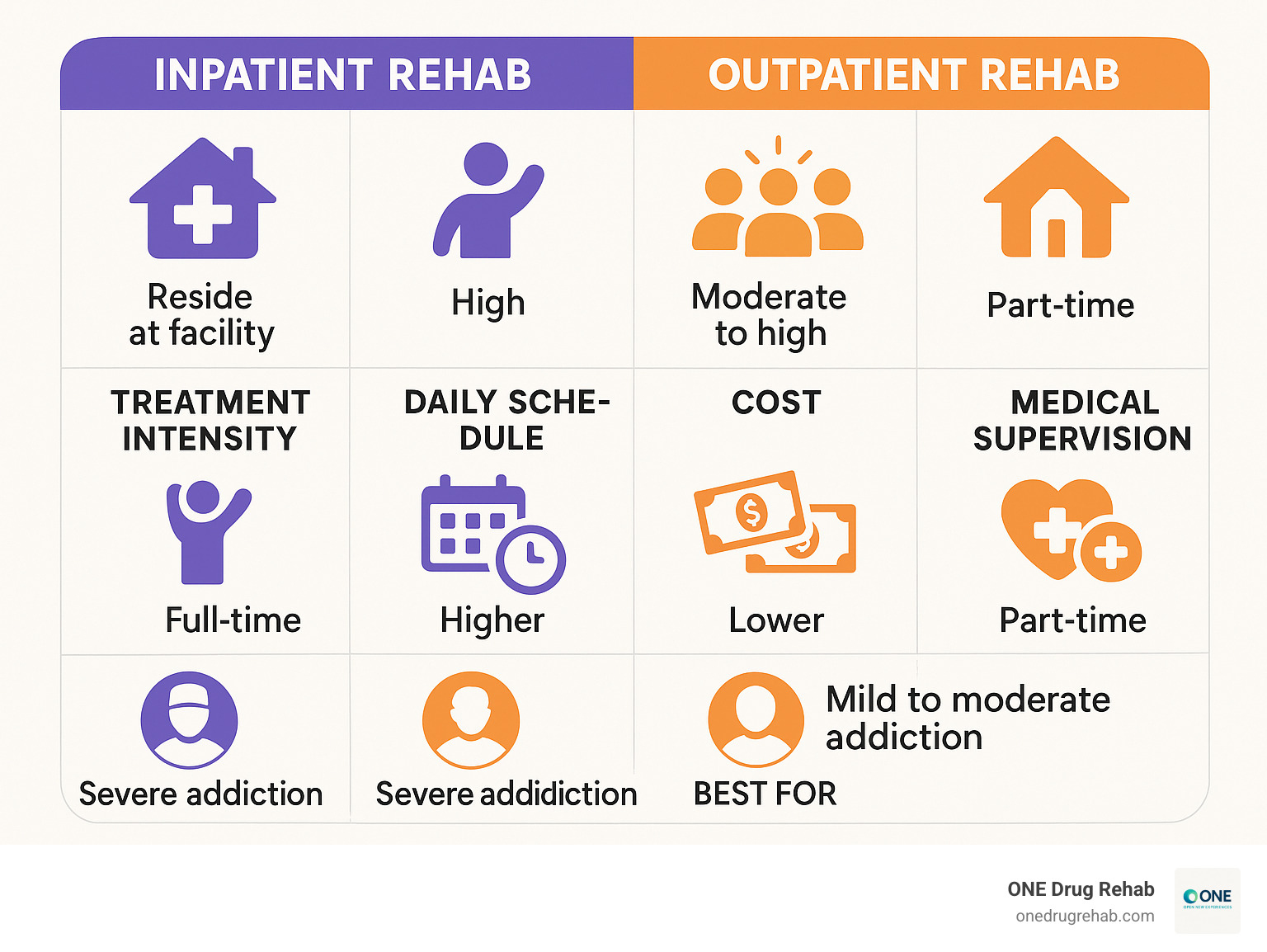
Here’s how the two main treatment types compare:
| Criteria | Outpatient Rehab Programs | Residential (Inpatient) Rehab Programs |
|---|---|---|
| Living Arrangement | Live at home or in a sober living facility | Reside at the treatment facility 24/7 |
| Intensity/Hours | Varies from 9 to 30+ hours per week (PHP, IOP, Standard OP) | 24/7 structured care, highly intensive |
| Cost | Generally lower ($2,000-$5,500 for 1-3 months) due to no lodging costs | Higher (includes room, board, and round-the-clock care) |
| Ideal Candidate | Mild to moderate SUD, stable home, strong support, motivated, no severe withdrawal risk | Severe SUD, need for medical detox, unstable home, co-occurring disorders, history of relapse |
| Level of Support | Scheduled therapy, group sessions, access to community resources; less direct supervision | Constant medical supervision, structured environment, crisis stabilization |
Key Benefits of Choosing an Outpatient Program
The biggest advantage of outpatient rehab programs is that they fit into your life instead of replacing it.
- Flexibility with work and school is a huge benefit. Most programs offer evening or weekend sessions so you can balance recovery with your responsibilities.
- The lower cost compared to residential treatment makes recovery more accessible. You’re not paying for room and board, and insurance plans often provide better coverage for outpatient care.
- The immediate practice of coping skills is a powerful advantage. You learn stress management techniques in therapy and apply them to real-life challenges the same day, building genuine confidence.
- Staying connected with family can be a game-changer. Loved ones can participate in family therapy, which helps repair relationships and builds a stronger support network at home.
- You also get access to community support like local AA or NA meetings, which can become a cornerstone of long-term recovery.
If you’re curious about all the different paths to recovery, more info about different types of addiction treatment can help you understand your options.
Is Outpatient Treatment Right for You?
Outpatient rehab programs work best for people with certain characteristics. Honest self-assessment is key to finding the right level of care.
You’re likely a good candidate if you have:
- A mild to moderate substance use disorder and can function day-to-day without needing 24-hour medical supervision.
- A strong support system from family or friends who are committed to your recovery.
- A stable, substance-free living environment. If your home is unsafe or has readily available substances, residential treatment may be a better first step.
- High motivation for recovery. With more freedom comes more responsibility, so you must be genuinely committed to change.
However, outpatient treatment isn’t suitable if you’re at risk for severe withdrawal symptoms from substances like alcohol, benzodiazepines, or opioids, which require medical monitoring. In these cases, inpatient detox is likely needed first.
Many centers use the ASAM Criteria for patient placement to match you with the most appropriate treatment intensity. Often, outpatient rehab programs serve as a step-down from residential treatment, helping you gradually regain independence while maintaining support.
The bottom line is matching the treatment to your specific needs. It’s not about being “strong enough” for outpatient, but about finding the right fit for your situation.
The Different Levels of Outpatient Rehab Programs
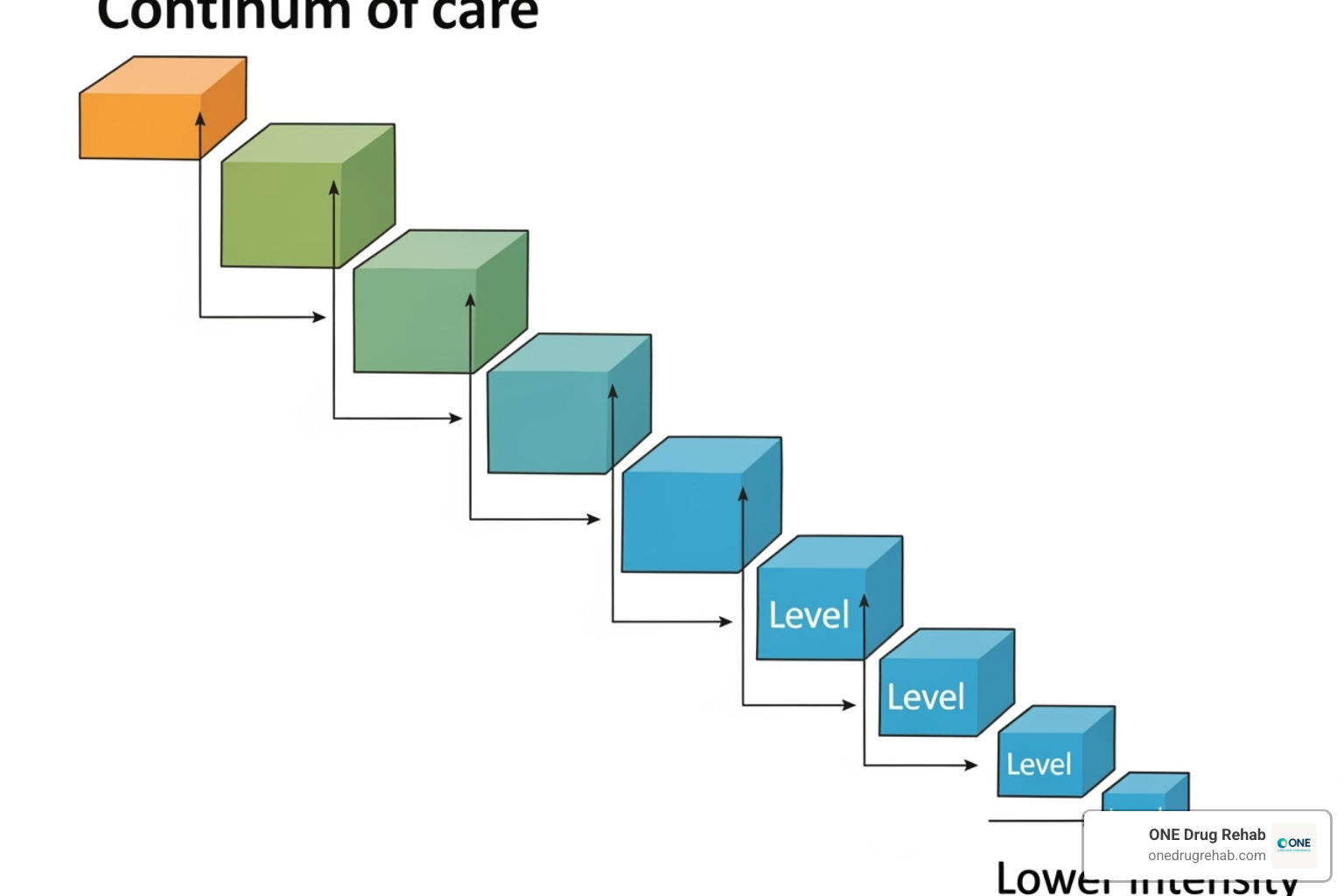
Outpatient rehab programs operate on a continuum of care, like a staircase. You can step up or down in intensity to match your needs as your recovery progresses. This system adapts to your journey, allowing you to move from intensive daily sessions to weekly check-ins, or vice-versa, ensuring you always have the right level of structured support.
High-Intensity Outpatient Programs
At the top of the outpatient intensity scale are Partial Hospitalization Programs (PHPs). These programs offer hospital-level care without the overnight stay.
PHPs require a significant time commitment of 20 to 30+ hours of treatment per week, spread across five to seven days. This structured programming provides comprehensive medical and therapeutic services that mirror residential treatment. The key difference is you go home each night.
PHPs are an excellent alternative to residential treatment if you don’t need 24/7 medical supervision but still require intensive support. They are also frequently used as a step-down from inpatient care, providing structure as you reintegrate into daily life.
Intensive Outpatient Programs (IOP)
A step down in intensity, Intensive Outpatient Programs (IOPs) are a popular choice in outpatient rehab programs, offering a balance between intensive treatment and life’s responsibilities.
IOPs typically require 9 to 20 hours of treatment per week, spread across three to five days. Sessions are often three hours long, allowing time for other obligations.
The core of most IOPs is group therapy, where you can share experiences and learn coping skills with peers. The program is rounded out with individual counseling and educational sessions on addiction, triggers, and relapse prevention.
IOPs are ideal for those who need solid support but cannot commit to a full-time treatment schedule due to work, school, or family.
If you’re considering an IOP, it’s worth shopping around. More info on comparing rehab centers can help you make an informed choice.
Standard Outpatient and Continuing Care
Standard outpatient and continuing care programs form the foundation for long-term recovery, focusing on maintaining sobriety with ongoing support.
These outpatient rehab programs are lighter in time commitment, typically involving less than 9 hours of treatment per week. You might attend one or two sessions weekly, offering maximum flexibility.
The focus shifts to solidifying recovery skills, relapse prevention, and building life skills. This level is well-suited for individuals with milder addiction issues or those stepping down from more intensive programs who need long-term aftercare.
Recovery is a marathon, not a sprint, and these programs help you stay on track. The connection to ongoing support doesn’t end when formal treatment does. Support groups and aftercare resources become your safety net for maintaining sobriety.
What to Expect: Services, Duration, and Cost

Starting an outpatient rehab program means entering a supportive environment designed to give you the tools for recovery. Treatment is personalized, with an individualized plan that addresses your specific needs. This evidence-based approach combines proven therapies with holistic practices to treat the whole person.
Therapies and Services Offered in Outpatient Rehab Programs
An outpatient rehab program offers a rich menu of services. The foundation of most programs includes:
- Individual counseling provides one-on-one time with a therapist to explore the roots of addiction, develop coping strategies, and address co-occurring mental health concerns.
- Group therapy is a core component where you share experiences and learn from peers in a safe, supportive environment, building a strong support network.
- Cognitive Behavioral Therapy (CBT) helps you identify and change negative thought patterns and behaviors related to substance use, teaching you to cope with stress and triggers.
- Dialectical Behavior Therapy (DBT) is effective for intense emotions, teaching skills in mindfulness, emotional regulation, and distress tolerance.
- Family therapy involves loved ones to heal relationships, improve communication, and build a stronger support system at home. More info on rehab for families can help you understand this process.
- Medication-Assisted Treatment (MAT) combines behavioral therapies with FDA-approved medications to reduce cravings and prevent relapse, particularly for opioid or alcohol addiction.
- Holistic therapies like yoga, meditation, or art therapy help heal the mind, body, and spirit.
- Life skills education teaches practical skills like financial management, communication, and job readiness to help you build a fulfilling, sober life.
Typical Duration and Success Factors
The duration of outpatient rehab programs varies based on individual needs, though most programs last one to three months.
However, research consistently shows that people who stay in treatment for 3 months or longer have a much higher likelihood of long-term success. Research on treatment duration and outcomes confirms this link. Longer treatment allows time to rewire the brain, build new habits, and practice recovery skills until they become second nature.
Key factors for success in an outpatient rehab program include:
- Commitment and discipline to attend sessions and apply what you learn.
- A strong support system at home from family and friends.
- Aftercare participation through support groups or alumni programs.
- Addressing co-occurring disorders like depression or anxiety simultaneously.
Understanding the Cost of Outpatient Rehab Programs
Outpatient rehab programs are generally more affordable than residential treatment because they don’t include costs for room and board.
A typical 1-3 month outpatient program costs between $2,000 and $5,500. The exact cost depends on the program’s intensity, location, and services offered.
Insurance coverage has improved significantly. The Affordable Care Act mandates that most health insurance plans cover substance use treatment. Always call your insurance provider to confirm your specific benefits.
If you don’t have insurance, options are still available. Many facilities offer sliding scale fees, payment plans, or connect you with state-funded programs. You can also look for grants and scholarships from non-profits or the centers themselves.
Think of treatment as an investment. The cost of not getting help often far exceeds the price of quality care. If you need guidance, Find rehab without insurance offers practical advice.
How to Find and Select the Best Program for Your Needs

Finding the right outpatient rehab program is a crucial step. It’s important to vet facilities to ensure they align with your needs and goals. Making an informed choice can significantly impact your long-term success.
Where to Find Reputable Programs
Locating a high-quality outpatient rehab program involves using trusted resources:
- ONE Drug Rehab’s Directory: Our non-affiliated directory helps you research treatment options and find facilities near you: ONE Drug Rehab’s directory and resources.
- Government Resources: The Substance Abuse and Mental Health Services Administration (SAMHSA) offers FindTreatment.gov and a National Helpline at 1-800-662-HELP (4357) for confidential searches.
- Doctor or Therapist Referrals: Your primary care physician or a mental health professional can often provide trusted referrals.
- Checking Facility Reviews: While not definitive, reviews can offer insights into patient experiences. Look for patterns in feedback. For more guidance, see: More info on facility reviews.
- Local Mental Health/Behavioral Health Authorities: These local agencies can guide you to state-funded or community-based programs.
Key Questions to Ask a Treatment Center
Once you have a list of potential outpatient rehab programs, ask these key questions to assess their suitability:
- What accreditations do you hold? Look for national accreditations from CARF or The Joint Commission, which indicate high standards of care.
- What are the credentials of your staff? Ensure therapists and medical professionals are licensed and certified in their fields.
- What therapies do you use? Ask about evidence-based practices like CBT and DBT, and the availability of individual, group, and family therapy.
- Do you create individualized treatment plans? Treatment should be custom to your unique history and goals, not a one-size-fits-all program.
- How do you treat co-occurring disorders? If you have a dual diagnosis, it’s crucial that the program integrates treatment for both conditions.
- What is your family involvement policy? Understand how they involve loved ones, as family support is key to recovery.
- What aftercare programs do you offer? Ask about continuing care, alumni networks, and relapse prevention planning for long-term support.
- How do you measure success? Understanding how a center tracks outcomes provides insight into its effectiveness.
Frequently Asked Questions about Outpatient Rehab
We know that choosing the right treatment path brings up a lot of questions. Here are answers to some of the most common concerns about outpatient rehab programs.
Can I keep my job while attending an outpatient program?
Yes. This is a primary advantage of outpatient rehab programs. Most offer evening and weekend sessions to accommodate work schedules, allowing you to maintain your job while receiving treatment. You can immediately apply recovery skills in your work environment.
Is outpatient rehab as effective as residential rehab?
It depends on your specific situation. For those with mild to moderate SUDs, a stable home, and a strong support system, outpatient rehab can be just as effective as residential care. Success is tied to completing the program and engaging in aftercare. However, residential treatment is often a better first step for severe addiction, medical detox needs, or an unstable living environment. The goal is to match the level of care to your individual needs.
How do I pay for treatment if I don’t have insurance?
Several options exist if you don’t have insurance. Look into state-funded facilities, which often provide services at little to no cost for qualifying individuals. Many treatment centers offer sliding scale fees based on income or payment plans. You can also seek out grants and scholarships from non-profit organizations or the centers themselves. Be sure to ask admissions staff about financial assistance, as they are a key resource in finding affordable care.
Take the Next Step in Your Recovery Journey
You’ve learned about the key advantages of outpatient rehab programs: flexibility, affordability, and the real-world application of recovery skills. These benefits empower you to find a treatment path that fits your unique circumstances, because recovery isn’t one-size-fits-all.
Recovery is absolutely possible. Many people have found lasting sobriety through outpatient treatment, and you have the strength within you to make this change.
As a non-affiliated resource, ONEDrugRehab.com exists to support your research without pushing you toward any specific provider. We believe you deserve honest, comprehensive information to make the best decision for your unique situation. Our directory gives you the tools to explore your options with confidence.
Your healing journey starts with a single decision. Taking action today brings you one step closer to the life you deserve.
Don’t wait for the “perfect” moment. The right time is now, and the right support is within reach. Find the right treatment program for you and take that first step toward your healthier, more fulfilling future.