
Understanding the Landscape of Addiction Treatment
Best drug rehab programs are those that meet your specific needs through personalized care, evidence-based treatment, and comprehensive support. The right facility for you depends on several key factors:
| Factor | What to Look For |
|---|---|
| Accreditation | CARF, Accreditation Canada, or state certification |
| Treatment Type | Detox, inpatient, outpatient, or sober living |
| Specialized Care | Co-occurring mental health support, trauma-informed care |
| Evidence-Based Therapies | CBT, DBT, medication-assisted treatment |
| Aftercare Programs | Alumni support, relapse prevention, lifetime access |
| Payment Options | Insurance acceptance, financing plans, sliding scale |
In 2022, 48.7 million Americans had a substance use disorder, yet only a fraction received the help they needed. The good news is that recovery is absolutely possible, with 71 percent of adults who’ve battled addiction identifying as recovered or in recovery.
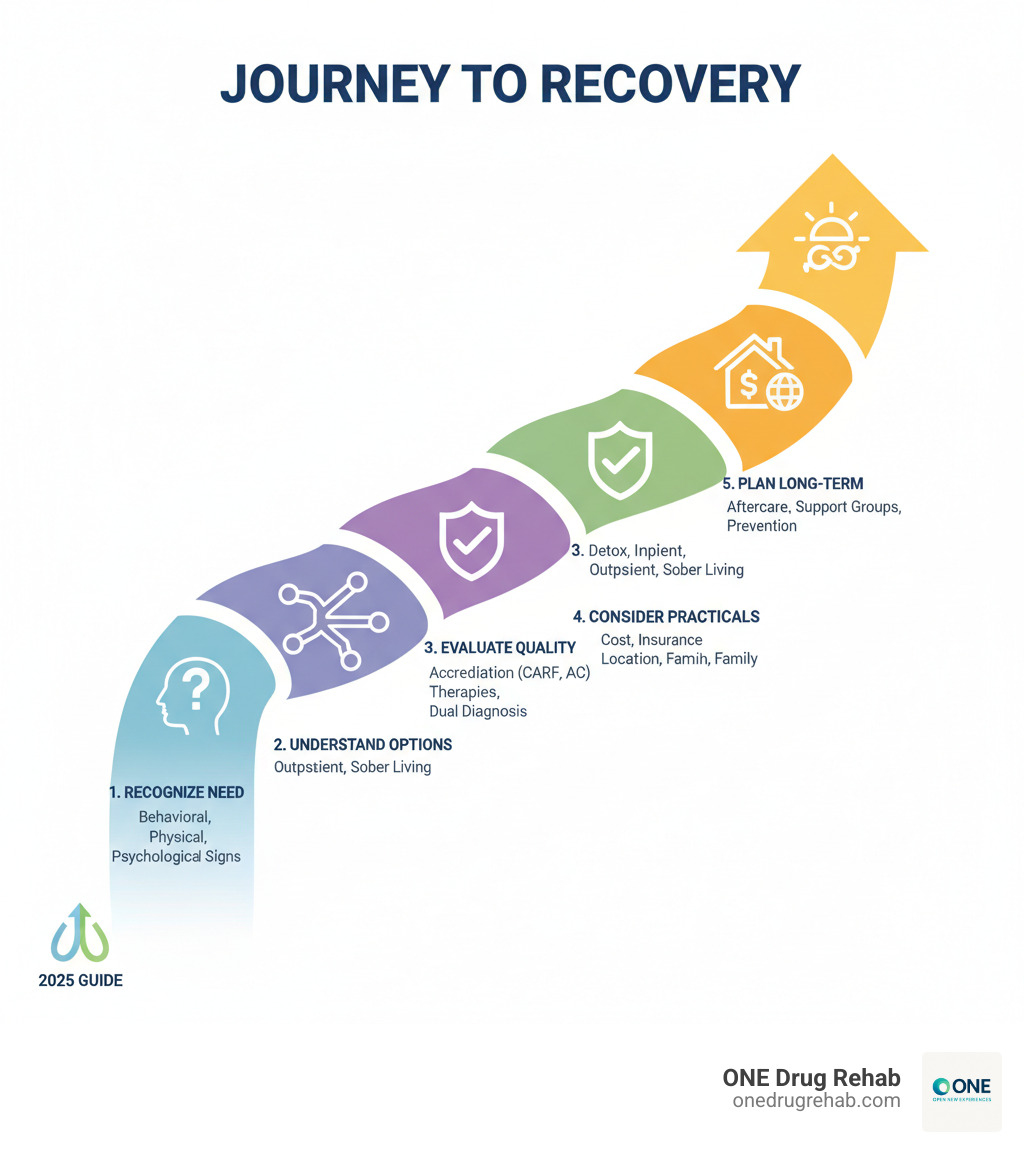
However, with over 17,000 substance abuse facilities in the U.S., finding the right one can feel overwhelming. This guide cuts through the confusion to help you identify a quality program. We’ll cover how to recognize the need for help, understand your treatment options, and evaluate facilities based on accreditation, therapies, and your unique circumstances. The best rehab is one that matches your needs. Let’s help you find it.
Recognizing the Need: When Is It Time for Professional Help?
Admitting that addiction has taken control is one of the hardest but most important steps. It often begins by recognizing a pattern of changes that signal it’s time to seek professional help.
Behavioral changes are often the first red flags. This can include missing work or school, abandoning hobbies, becoming secretive or dishonest, and engaging in risky behaviors to obtain or use substances. Social circles may change, or the person may become increasingly isolated.
Physical signs vary by substance but often include dramatic weight changes, bloodshot eyes, poor personal hygiene, and unexplained marks or nosebleeds. Withdrawal symptoms like sweating, nausea, or tremors when trying to stop are clear indicators of physical dependence.
Psychological changes can be profound. Look for increased anxiety, depression, unpredictable mood swings, paranoia, or confusion. Many people struggling with addiction also experience deep feelings of hopelessness, shame, and guilt.
Neglecting responsibilities is a major concern. When substance use consistently takes priority over paying bills, caring for children, or maintaining employment, professional intervention is necessary.
Relationship strain is almost inevitable, leading to frequent arguments, mistrust, and conflict. The emotional toll on families can be devastating.
Perhaps the clearest sign is failed attempts to quit. If someone has tried to stop using on their own but repeatedly fails, they have likely lost control and need structured, professional support to succeed.
For younger individuals, specialized resources like Addiction Help for Teens can provide age-appropriate care.

If you recognize these patterns in yourself or a loved one, know that seeking help is a sign of courage. The best drug rehab programs are equipped to meet you where you are. You don’t have to do this alone.
Understanding Your Options: A Guide to Different Addiction Treatment Programs
Once you’ve recognized the need for help, the next step is understanding the spectrum of care available. The best drug rehab for you depends on the severity of your addiction, your home environment, and your personal needs.
Medical Detox is often the first step, especially for substances that cause physical dependence. It’s a medically supervised process that safely manages withdrawal symptoms, which can range from uncomfortable to dangerous. Detox prepares your body for the therapeutic work ahead.
Residential treatment, or Inpatient Rehab for Drugs, involves living at a facility for 30, 60, or 90 days. This provides 24/7 care and immersion in recovery, free from daily triggers. The structured environment of therapy, group sessions, and support is highly effective for those with severe addiction.
Outpatient programs allow you to live at home while attending treatment. These vary in intensity, from Partial Hospitalization Programs (PHPs) with daily sessions to Intensive Outpatient Programs (IOPs) with several sessions per week. Standard outpatient care may involve just one or two weekly sessions. These are good options for those with milder addictions or strong home support.
Sober living homes are a bridge between residential treatment and independent living. They offer a safe, substance-free environment with peer support and house rules, allowing you to practice recovery skills while working or attending school.
Effective treatment is customized. Specialized programs cater to specific needs, such as gender-specific treatment, tracks for young adults, or programs for working professionals. Our Inpatient Rehab for Professionals Guide offers more on this. For those with addiction rooted in trauma, trauma-informed care is essential.
To get a complete picture of all your options, explore our page on Types of Addiction Treatment. Understanding these pathways is about finding the approach that gives you the best chance at lasting recovery.
What Makes for the Best Drug Rehab? Key Factors to Consider
Choosing the best drug rehab is about finding a center that builds a treatment plan around you. Personalized care is the cornerstone of effective treatment, focusing on healing the whole person and building a life worth living.

When evaluating centers, several factors separate the good from the exceptional. Our Compare Rehab Centers page can help you see how different facilities stack up.
The Foundation: Why Accreditation is a Mark of Quality
Accreditation is a stamp of approval from an independent body, signifying a facility meets high standards for safety, practices, and outcomes. Major accrediting bodies include CARF (Commission on Accreditation of Rehabilitation Facilities) and Accreditation Canada. Accredited facilities are committed to evidence-based care—treatments backed by research—and prioritize patient safety through established protocols. It’s a key indicator of a rehab’s commitment to quality. To learn more, explore our page on Rehab Accreditation Standards.
Integrated Treatment: A Hallmark of the Best Drug Rehab Programs
Approximately 50% of people with substance use disorders have dual diagnoses, meaning they also battle conditions like anxiety, depression, or PTSD. Treating addiction without addressing these co-occurring mental health issues is often ineffective. The best drug rehab programs offer integrated treatment, addressing both issues simultaneously with a coordinated team. This approach targets the root causes of addiction, leading to more genuine and lasting recovery. For a comprehensive look, visit our Behavioral Health Treatment Complete Guide.
Customizing Your Care: Therapies and Amenities to Look For
Individualized treatment plans are essential. Top-tier centers offer a range of evidence-based therapies like Cognitive Behavioral Therapy (CBT) to change destructive thought patterns and Dialectical Behavior Therapy (DBT) to teach emotional regulation. Many also incorporate holistic therapies like yoga, meditation, and art therapy to treat the whole person, which you can learn about at Holistic Drug Treatment.
Philosophical approaches vary, from the traditional 12-Step model to non-12-Step alternatives. The environment also matters. Amenities like private rooms, fitness centers, and good nutrition programs are not just luxuries; they create a safe, supportive setting for healing. Our guide on Rehab with Private Rooms explores this option further.

The Role of Family in Finding the best drug rehab
Addiction affects the entire family, so recovery should involve them too. Quality treatment programs recognize that healing needs to happen on multiple levels. Family involvement is critical. Family therapy sessions help rebuild trust and improve communication, while educational programs teach loved ones about addiction, enabling, and how to create a supportive home environment. Many centers also provide support specifically for family members, helping them establish healthy boundaries and manage their own well-being. This collective healing creates a stronger foundation for lasting recovery. Explore more resources on our page on Rehab for Families.
Navigating the Financials: The Cost of Quality Addiction Treatment
While cost is a significant concern, recovery is one of the most valuable investments you can make. There are more ways to afford quality care than you might think.
The cost of treatment varies based on several factors. Program type is the biggest driver; 24/7 inpatient care costs more than outpatient programs. The length of stay and amenities like private rooms and specialized therapies also affect the price.
You’ll find both public and private rehab facilities. Publicly funded rehabs are more affordable or free but may have long waitlists and fewer amenities. Private rehabs cost more but typically offer immediate access, a wider range of therapies, and more comfortable environments.
Some private facilities are considered “luxury,” offering improved privacy, premium amenities like gourmet meals, higher staff-to-client ratios, and cutting-edge therapies. For those seeking a more exclusive and comfortable environment, these benefits can be valuable. Our Rehab Cost Comparison guide can help you understand what you get for your investment.
Many private health insurance plans cover at least a portion of addiction treatment. Always call your provider to confirm your benefits. If insurance isn’t an option, many rehabs offer flexible payment plans, and some use a sliding scale based on income. For those without financial resources, state-funded programs and non-profits are available. Our guides on how to Find Rehab Without Insurance and How to Afford Rehab can help you explore these options.
The cost of not getting treatment is far greater than any program fee. Don’t let finances stop you from seeking help.
The Journey Doesn’t End at Discharge: The Importance of Aftercare
Completing a rehab program is a huge achievement, but it’s the beginning of the recovery journey, not the end. Addiction is a chronic disease that requires ongoing management. Aftercare is the essential bridge between the structured environment of treatment and the complexities of daily life, significantly reducing the risk of relapse.
The best drug rehab programs build comprehensive aftercare planning into their treatment from day one. This ongoing support is what transforms short-term sobriety into lasting recovery.
Relapse prevention is at the heart of aftercare. It involves identifying personal triggers and developing a detailed action plan with coping strategies for when cravings or life’s stressors hit.
Sober living homes offer a crucial step-down option. These residences provide a drug- and alcohol-free environment where you can practice recovery skills with peer support and structure before returning to full independence. Our Coed Halfway Houses Near Me page can help you explore what’s available.
Support groups like Alcoholics Anonymous (AA), Narcotics Anonymous (NA), or SMART Recovery are a lifeline for many. They offer a powerful connection with peers who understand the journey and provide mutual, judgment-free support.
Alumni programs extend this connection to graduates of the same facility, fostering a robust network through meetings, events, and mentorship. This creates a lasting support system that understands your specific path.
Ongoing therapy and counseling are also vital. Continuing to work with a therapist helps reinforce skills, address new challenges, and provide consistent professional guidance as you steer life in recovery.
When people ask Does Rehab Work, the answer often depends on the quality of the aftercare and the individual’s commitment to engaging with it. Recovery is a continuous process, and with the right support, you don’t have to walk the path alone.
Frequently Asked Questions about Finding the Best Drug Rehab
Navigating your options can be confusing. Here are answers to some of the most common questions about finding the right help.
How do I choose the right rehab for my specific needs?
Choosing the best drug rehab is about finding the right personal fit. A quality center will conduct a thorough assessment to match treatment to your addiction severity and unique circumstances. Key factors to consider include:
- Co-occurring Disorders: If you struggle with anxiety, depression, or trauma, ensure the facility offers integrated treatment for dual diagnosis.
- Location and Environment: Decide if you’d heal better far from home or close to your support system, and whether you prefer a natural or urban setting.
- Therapeutic Approach: Consider whether you prefer 12-Step programs, non-12-Step alternatives, or holistic therapies like yoga and meditation.
Don’t hesitate to ask about staff credentials, daily schedules, and aftercare programs. For more guidance, the Mental Health Toolkit from CAMH offers valuable resources.
What is the success rate of drug rehab?
Defining “success” is complex, but recovery is absolutely possible. In 2022, 71% of adults who had battled a substance use disorder identified as being in recovery. Success rates are influenced by several factors:
- Individual Commitment: The person’s motivation to change is the most significant factor.
- Program Quality: Facilities using evidence-based treatments and individualized care have better outcomes.
- Duration of Treatment: Longer engagement in treatment generally leads to better long-term results.
- Aftercare: Robust aftercare planning and ongoing support are crucial for sustaining recovery.
While inpatient programs may have higher initial success rates, long-term recovery depends more on continued support and personal commitment. Our Alcohol Rehab Success Rate Ultimate Guide offers more insight.
Can someone be forced to go to rehab?
This is a complicated issue. In most cases, adults cannot be legally forced into treatment unless they are an immediate danger to themselves or others. However, external pressure can be a catalyst for change.
- Interventions: A structured, loving confrontation planned with a professional can break through denial and motivate someone to accept help.
- Family Boundaries: Sometimes, the consequences of family members setting firm boundaries can provide the necessary push.
- Court-Ordered Treatment: Judges may mandate rehab as an alternative to incarceration for substance-related offenses. You can learn more on our Court Ordered Inpatient Rehab page.
While external pressure can get someone in the door, genuine personal motivation for treatment is the strongest predictor of long-term success. The goal is to help the individual find their own reasons to change.
Your Path to Recovery Starts with the Right Information
Finding the right addiction treatment can feel overwhelming, but you are not alone. This guide has covered the essential steps: recognizing the need for help, understanding program types, and identifying the hallmarks of a quality center, from accreditation and integrated care to personalized therapies and aftercare.
The best drug rehab is the one that matches your unique needs, circumstances, and goals. It’s the place where you feel supported and empowered to change your life.
Recovery is possible. Statistics show that 71 percent of adults who’ve faced substance use disorder now consider themselves in recovery. These are real people rebuilding their lives and finding hope.
As a third-party, non-affiliated resource, ONEDrugRehab.com exists to provide clear, honest information, helping you make a confident choice without pressure. Choosing a rehab is a deeply personal decision.
Your path to recovery starts with the right information. When you’re ready to take the next step, our directory is here to help you explore your options. Start your search for a provider that can help you find your breakthrough.