
Understanding Inpatient Rehab for Professionals
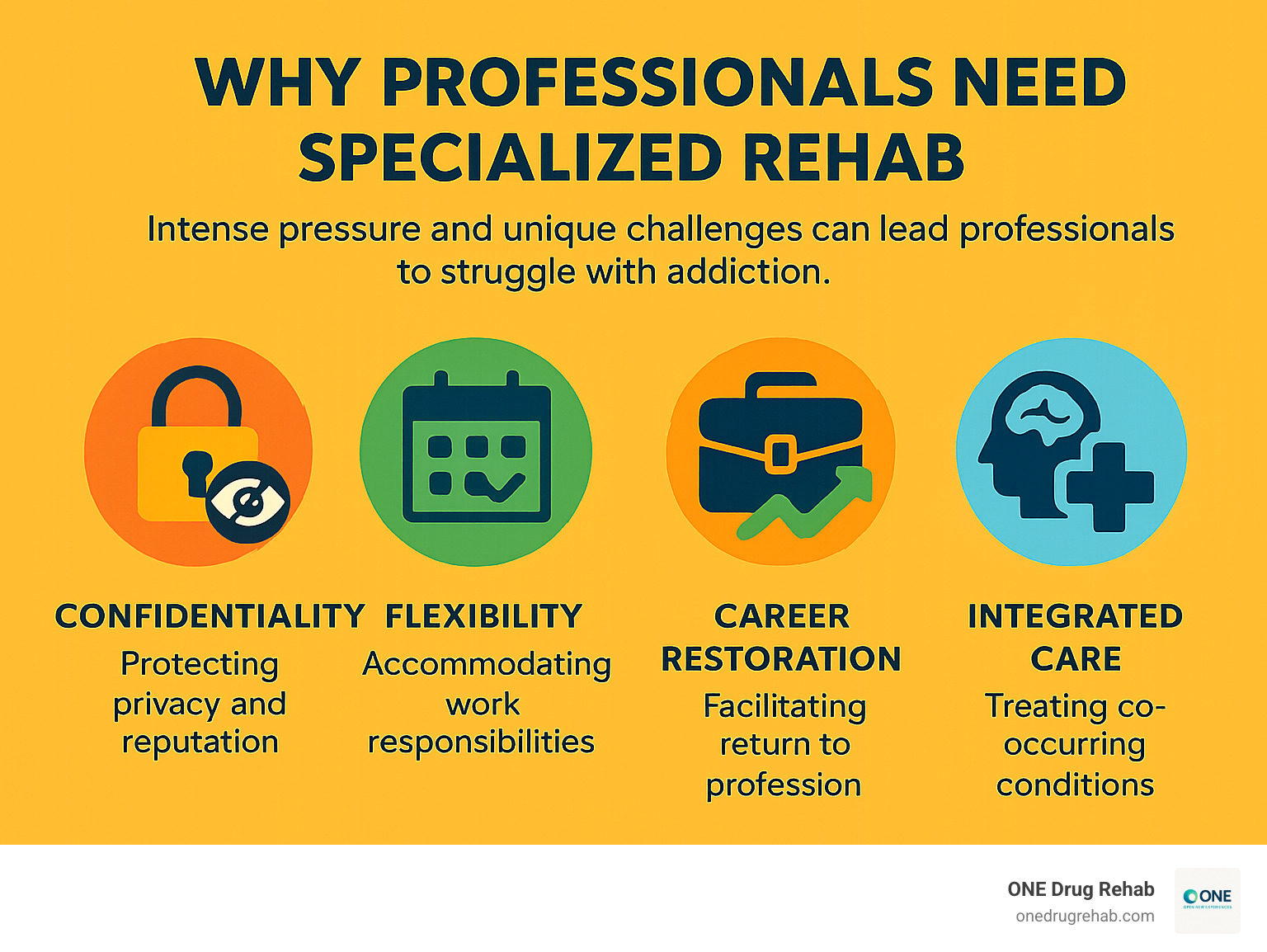
Inpatient rehab for professionals offers specialized addiction treatment programs designed for individuals in demanding careers. These programs typically provide:
- Confidential and discreet environments to protect your privacy and reputation.
- Flexible schedules that may accommodate limited work responsibilities.
- A career restoration focus, including help with licensing boards.
- Peer support from others who understand professional pressures.
- Integrated care for co-occurring mental health conditions.
Intense professional pressure can lead to hidden struggles with addiction, an issue affecting nearly half of all American workers (49%). For those in high-stakes jobs, the fear of losing one’s job, status, or license can make asking for help feel risky.
However, recovery is possible through specialized programs designed to help you heal without sacrificing your career. These programs understand your unique challenges, offering a path to wellness while protecting your professional future.
Terms related to inpatient rehab for professionals:
Why Specialized Rehab is Crucial for Career-Driven Individuals
For many professionals, addiction is a “high-functioning” secret hidden behind a facade of success. This makes specialized inpatient rehab for professionals crucial, as a one-size-fits-all approach fails to address the unique needs of individuals whose careers are central to their identity.
Unique professional pressures like the relentless push for perfection, long hours, and the need to always be “on” can lead to burnout. Some may turn to alcohol or drugs to manage stress or anxiety. Addiction is a disease that affects the brain, not a moral failing.
The stigma surrounding addiction is a major hurdle for professionals. The fear of career loss—damaging one’s reputation, job, or license—is powerful and often causes delays in seeking help, which only worsens the problem. Specialized inpatient rehab for professionals provides a safe, understanding environment to address these fears directly.
To illustrate the distinct advantages, let’s compare specialized professional rehab to a general inpatient facility:
| Feature | Specialized Professionals Rehab | General Inpatient Rehab |
|---|---|---|
| Peer Group | Other professionals who understand career pressures and ethics | Diverse backgrounds, potentially less relatable career-wise |
| Work Flexibility | Often allows limited work/communication; dedicated work areas | Generally no work allowed; focus solely on treatment |
| Confidentiality | Improved discretion; specific protocols for privacy | Standard medical confidentiality; less custom to public figures |
| Career Support | Licensing board advocacy, return-to-work plans, professional monitoring | Less emphasis on career reintegration; more general aftercare |
The Unique Challenges Professionals Face
Professionals face unique challenges beyond general stress. Maintaining a composed public image is paramount, making it difficult to admit a struggle. The stakes are incredibly high, involving licenses, community standing, and leadership roles. This pressure often leads to isolation and sophisticated denial mechanisms. Furthermore, some professionals, especially in healthcare, have easy access to controlled substances, which can increase their vulnerability. Addiction doesn’t just affect the individual; it impacts loved ones too. For more on how addiction affects families, and resources to help, you can visit More info about addiction and families.
Professions at Higher Risk for Substance Abuse
Certain jobs carry a higher risk of substance use disorders due to a mix of stress, access, and workplace culture.
- Physicians: Long hours, high pressure, and access to medications contribute to higher rates of prescription drug misuse.
- Lawyers: A high-stress, combative environment leads to more mental health issues and problematic alcohol use compared to other professions.
- Dentists: Isolation and access to controlled substances can contribute to misuse.
- Veterinarians: Emotional and demanding situations are linked to depression, suicide, and substance use.
- Pilots: Despite rigorous monitoring, unique job pressures can lead to substance use issues.
- Executives: Constant pressure to perform and maintain a certain image makes them vulnerable to stress-related substance use.
- First Responders: Daily trauma and high-stress scenarios can lead police, firefighters, and paramedics to use substances to cope.
These insights highlight why specialized programs are essential. For more detailed research on substance use among healthcare workers, you can explore this resource: Research on substance use among healthcare workers.
What to Expect from Inpatient Rehab for Professionals
Choosing inpatient rehab for professionals means selecting a comprehensive program designed to address addiction while respecting your professional identity. It’s a sanctuary for healing, free from the pressures of daily life.

These programs are built on individualized care. A multidisciplinary team of experts (physicians, therapists, etc.) uses criteria like ASAM (American Society of Addiction Medicine) to create a unique, holistic treatment plan. This approach addresses your physical, mental, and emotional well-being, which is crucial for lasting recovery.
For a broader understanding of the various treatment options available, you can explore different Types of Addiction Treatment.
Core Treatment Services and Therapeutic Approaches
In inpatient rehab for professionals, you can expect a robust array of evidence-based services:
- Medical Detox: The first step is often a medically supervised detox to ensure a safe, comfortable withdrawal while managing symptoms to prevent complications.
- Individual Therapy: Personalized sessions using therapies like Cognitive Behavioral Therapy (CBT) and Motivational Interviewing (MI) help you change negative thought patterns and build motivation.
- Peer-Specific Group Therapy: A cornerstone of these programs, group therapy with fellow professionals fosters understanding and camaraderie. It helps address shared issues like stigma and career pressure.
- Dual Diagnosis Treatment: Specialized programs are equipped to treat co-occurring mental health conditions like depression, anxiety, or trauma alongside addiction, which is vital for long-term recovery.
- Family Programs: Many programs offer family therapy and education to help loved ones heal and build a supportive recovery environment.
Amenities and Features Custom for the Modern Professional
One of the defining characteristics of inpatient rehab for professionals is an environment designed for healing, discretion, and limited work engagement.
- Absolute Confidentiality: Privacy is paramount. Facilities have stringent protocols and uphold medical confidentiality laws to protect your professional reputation.
- Private Rooms: Professional programs often offer private rooms, providing personal space for quiet reflection.
- Work Accommodations: A key differentiator is allowing for limited work. This can include access to personal phones, laptops, and Wi-Fi during designated hours.
- Executive vs. Professional Programs: While similar, “executive rehab” typically refers to the most luxurious programs with high-end amenities and a higher price tag. “Professional programs” focus more broadly on career-specific needs.
- Wellness Amenities: To support holistic well-being, you might find gyms, yoga studios, meditation spaces, and gourmet dining.
Balancing Recovery and Career: How it Works
Specialized programs offer practical solutions to balance recovery with essential work responsibilities.
- Flexible Schedules: While recovery is the priority, some programs build in flexible schedules with designated “work blocks.”
- FMLA/Disability Benefits: Many professionals can use FMLA or short-term disability benefits to protect their job while in treatment. Staff can often help steer this process.
- Communication Policies: Facilities have clear policies on phone and laptop use, typically allowing controlled access after an initial settling-in period.
- Maintaining Professional Identity: Programs help you address stigma in your field and develop strategies for a successful return, allowing you to reclaim your professional standing with confidence.
The Logistics: Cost, Duration, and Finding a Program
Deciding on inpatient rehab for professionals is a huge step. Naturally, practical questions about duration, cost, and choosing the right program will arise. This section will help you steer these logistics.

Planning for recovery is like planning a major project; you need to understand the budget and timeline. Always verify your benefits with your insurance provider or the facility’s admissions team to ensure your choice is both clinically sound and financially feasible.
Understanding the Length of Stay
The time you spend in inpatient rehab for professionals varies. Programs typically range from 30 to 90 days or longer.
- 30-day programs offer an intensive start to get stable.
- 60-day programs allow for more in-depth therapy and skill-building.
- 90+ day programs are often recommended for more severe or complex cases, including co-occurring conditions. Research suggests that longer stays lead to better outcomes, especially for professionals who need time to address career-specific stressors.
Factors influencing your length of stay include addiction severity, mental health, medical history, and personal motivation.
Navigating the Cost of Professional Rehab
The cost of inpatient rehab for professionals is typically higher than standard programs due to specialized services and amenities. Prices can range from tens of thousands to over a hundred thousand dollars for a 30-day stay.
However, there are several ways to manage the cost:
- Insurance Coverage: Most private plans (PPO and HMO) cover a significant portion of addiction treatment. It’s crucial to call your provider to understand your specific benefits.
- Private Pay: This is an option for those without insurance or who prefer complete privacy.
- Financing: Some facilities offer payment plans or can connect you with healthcare financing solutions.
If you’re wondering how to find treatment without relying on insurance, we have a helpful resource: Find Rehab Without Insurance.
How to Find the Right Inpatient Rehab for Professionals
Finding the right program requires some research. Here’s what to look for:
- Look for Credentials: Ensure the facility is accredited by reputable organizations like CARF (Commission on Accreditation of Rehabilitation Facilities) or the Joint Commission, which indicates high standards of care.
- Ask About Staff Experience: The clinical team should have experience working with professionals and understanding the unique pressures of fields like law, medicine, or business.
- Read Facility Reviews: Reviews from past clients can offer valuable insights, but should be balanced with other research.
- Use a Trusted Directory: ONEDrugRehab.com is a third-party resource that provides unbiased information to help you research and Compare Rehab Centers objectively.
If you feel overwhelmed, don’t hesitate to Contact ONE Drug Rehab for guidance. We’re here to help you identify programs that fit your professional needs.
Life After Rehab: Returning to Your Career with Confidence
Completing inpatient rehab for professionals is a major accomplishment and the beginning of a new chapter. Long-term recovery involves building a strong foundation for your life and career. This section provides a blueprint for thriving professionally while prioritizing your recovery through continuous relapse prevention.
The Role of Licensing Boards and Monitoring Programs
For licensed professionals like doctors, lawyers, or pilots, returning to work involves specific considerations. Specialized inpatient rehab for professionals understands this and can act as your ally.
Many states have Professional Health Programs (PHPs) that offer a supportive, non-punitive pathway to recovery, helping you return to work safely. Before returning, you may undergo fitness-to-practice evaluations to ensure you can perform your duties. Your rehab program can provide advocacy and support, working with these monitoring programs to smooth your return.
These monitoring programs are typically confidential and supportive, with the primary goal of aiding recovery and ensuring public safety, not punishment.
Strategies for a Successful Return to Work
Bring the tools and insights you gained in rehab into your professional life to ensure a successful return.
- Continuing Care: This is paramount for lasting recovery. Your ongoing wellness plan may include individual or group therapy, 12-step meetings (AA/NA), or sober living. Research shows aftercare significantly improves long-term outcomes.
- Sober-Life Skills for High-Stress Jobs: Your rehab experience equipped you with new ways to handle stress, manage conflict, and spot triggers, which are invaluable in demanding professional environments.
- Back-to-Work Conferences: Some programs facilitate supportive meetings with employers or licensing boards to create a clear, structured plan for your reintegration.
- Professional Alumni Networks: Connecting with other professionals who have successfully steerd recovery provides invaluable peer support, mentorship, and accountability.
To stay connected with recovery insights, we encourage you to Read our recovery blog for ongoing inspiration.
Frequently Asked Questions about Inpatient Rehab for Professionals
It’s natural to have questions about privacy, your job, and how inpatient rehab for professionals works. Here are answers to some common concerns.
Will my employer and colleagues find out I’m in rehab?
Your privacy is protected by federal HIPAA (Health Insurance Portability and Accountability Act) laws, meaning treatment centers cannot share your information without your written consent. Specialized professional rehabs have even stricter confidentiality policies and prioritize discretion. The decision to inform your employer is yours. Options like the FMLA (Family and Medical Leave Act) can protect your job without you needing to reveal the specific medical condition you’re addressing.
Can I continue to work while in an inpatient program?
Yes, some specialized programs offer work-flexible options, understanding that completely disconnecting can be stressful. These programs typically provide designated work hours with controlled access to phones, laptops, and Wi-Fi. This allows you to manage essential tasks while ensuring treatment remains the priority. Your eligibility for such an option is usually determined through an assessment to ensure a healthy balance can be maintained.
How is rehab for a doctor or lawyer different from a standard program?
Rehab for professionals is like a custom-custom suit versus an off-the-rack one. Key differences include:
- Peer Group of Fellow Professionals: You’ll be with others who understand your unique career pressures, which fosters camaraderie and reduces shame.
- Understanding of Specific Career Stressors: Therapists are experienced with the pressures of high-stakes professions, such as perfectionism, burnout, and imposter syndrome.
- Focus on Professional Ethics and Licensing: Programs address licensing issues, legal implications, and professional conduct, which is critical for many careers.
- Return-to-Work Planning with Board Considerations: There’s a strong focus on creating a structured plan for your return, often in collaboration with licensing boards or professional monitoring programs.
Conclusion

Addiction doesn’t have to end your career. As this guide has shown, inpatient rehab for professionals offers a path forward that honors both your healing and your professional commitments.
Recovery is absolutely possible. While statistics show many workers struggle with substance use, countless professionals have found their way back to thriving careers. You can be one of these success stories.
Protecting your career and health is not an either/or choice. Specialized treatment programs provide the confidentiality, flexibility, and peer support you need to balance both.
Specialized treatment is the key for professionals. Generic programs often can’t address the unique pressures of high-stakes careers or licensing board issues. You deserve treatment that understands your world.
ONEDrugRehab.com is a third-party resource, not a treatment provider. Our goal is to provide unbiased information to help you research and compare facilities, empowering you to make the best choice for your needs.
Taking the first step by admitting you need help is often the hardest part. Seeking treatment is not a sign of weakness; it’s one of the strongest, most professional decisions you can make.
Don’t wait. Find a rehab center that fits your professional needs and start writing the next chapter of your story—one where both your health and your career can thrive.