
Why Holistic Drug Treatment Is Changing Recovery
Holistic drug treatment addresses addiction by healing the whole person—mind, body, and spirit—rather than focusing only on stopping substance use. This approach recognizes that addiction affects every part of a person’s life and requires comprehensive care for lasting recovery.
Key aspects of holistic drug treatment:
- Treats underlying causes of addiction, not just symptoms
- Combines traditional therapies with complementary practices like yoga, meditation, and nutritional counseling
- Addresses physical, emotional, mental, and spiritual wellness
- Focuses on developing long-term coping skills and self-awareness
The philosophy behind holistic programs is that the mind, body, and spirit are connected. When addiction disrupts one area, it affects all others. By addressing these interconnected aspects together, holistic drug treatment creates a stronger foundation for recovery.
Many people seek holistic approaches when traditional methods haven’t provided lasting results or when they want to address deeper issues contributing to their substance use. This comprehensive method doesn’t replace evidence-based treatments but improves them for a more complete healing experience.
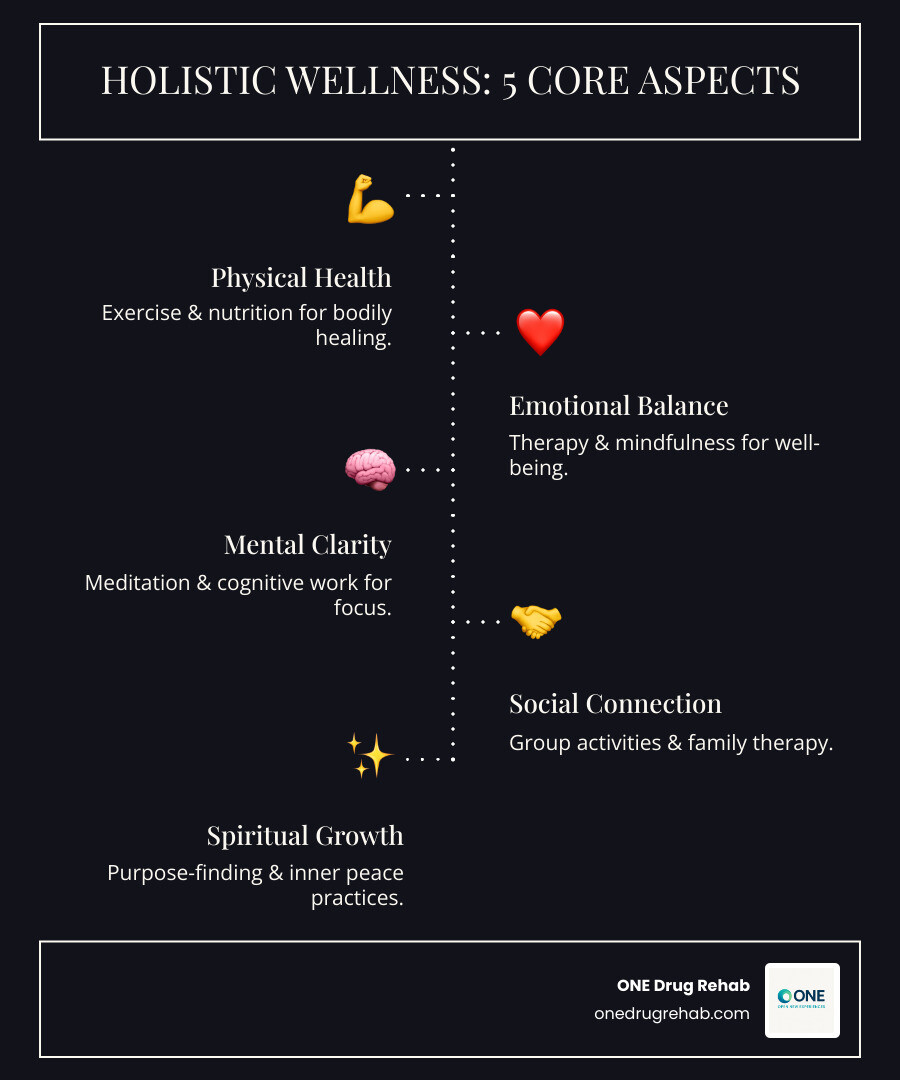
Basic holistic drug treatment glossary:
What is Holistic Drug Treatment?
Holistic drug treatment is built on the idea that you are more than your addiction. This approach looks at the whole person—mind, body, and spirit—rather than just focusing on stopping drug use. It aims to heal the underlying causes of the addiction, not just the symptoms.
While traditional treatment uses therapy and medical care to break the addiction cycle, holistic drug treatment asks deeper questions: Why did substance use begin? What pain was being masked? What parts of life need healing? This philosophy recognizes that addiction is often linked to anxiety, trauma, or physical pain. By addressing these root causes, it offers a more comprehensive path to recovery.
The mind-body connection is central to this approach. Stress impacts the body, and physical wellness affects mood. Holistic programs combine traditional counseling with practices like yoga, meditation, or nutritional therapy to restore balance to the entire system.
Treatment is highly personalized. Instead of a one-size-fits-all model, teams evaluate your physical health, emotional state, and spiritual needs to create a unique plan. An holistic approach to substance abuse treatment research shows this individualized care is effective for complex needs.
Here’s how holistic and traditional approaches compare:
| Feature | Traditional Treatment | Holistic Drug Treatment |
|---|---|---|
| Focus | Primarily on stopping substance use | Healing the whole person (mind, body, spirit, environment) |
| Methods | Detox, individual/group therapy, medication | Integrates traditional with complementary therapies |
| Goals | Sobriety, relapse prevention | Comprehensive well-being, addressing root causes, personal growth |
Holistic drug treatment doesn’t replace proven methods—it improves them. You still receive essential counseling and medical care, but you also gain tools for managing stress, healing trauma, and improving physical health. This approach helps build not just sobriety, but a life worth living.
The Core Components and Therapies in Holistic Rehab
Holistic drug treatment integrates a mix of healing practices that address the mind, body, and spirit. True healing requires attending to all aspects of your well-being.
Mind-Body Practices for Mental Clarity
These practices help quiet the mind and reduce stress after the chaos of addiction.
- Yoga: Combines stretching, breathing, and meditation to calm the nervous system and reduce cravings.
- Meditation and Mindfulness: Practices like Mindfulness-Based Stress Reduction (MBSR) teach you to observe thoughts without acting on every urge, which can lower relapse rates.
- Tai Chi: This “meditation in motion” uses slow, flowing movements to improve balance and focus.
- Breathwork: Conscious breathing techniques can instantly change the body’s stress response, providing a tool you can use anywhere.
For more on how movement supports recovery, see our Holistic Fitness Programs.
Physical and Nutritional Therapies for Bodily Healing
These therapies focus on healing physical damage and building strength.
- Acupuncture and Massage: Acupuncture can ease withdrawal symptoms like anxiety and muscle aches, while massage therapy releases tension and promotes relaxation.
- Nutritional Counseling: Addiction often leads to malnourishment. A proper diet provides the brain with the fuel it needs to heal. Some programs use biochemical restoration to correct specific imbalances that contribute to cravings.
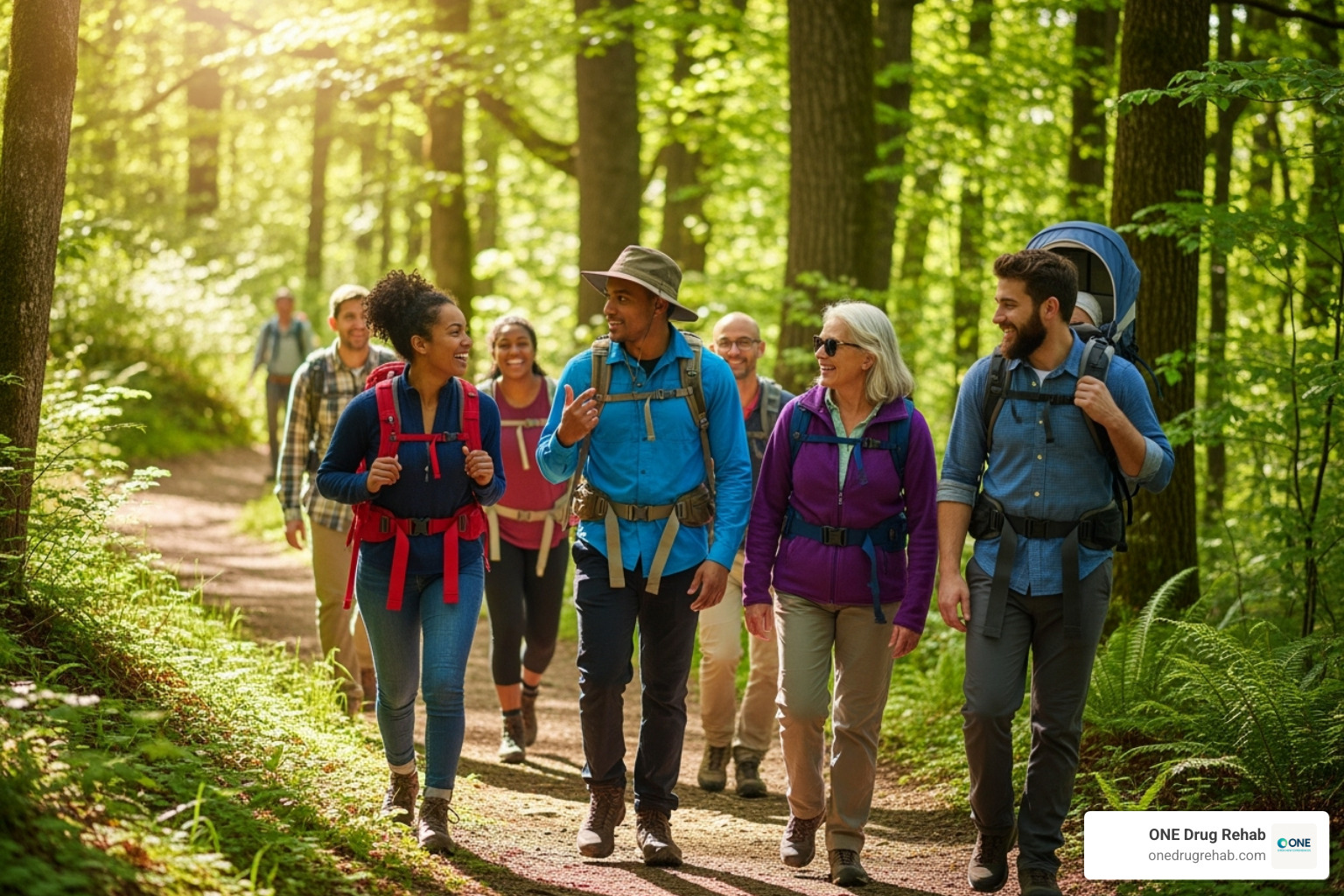
- Exercise and Recreational Therapy: Activities like hiking or swimming release feel-good chemicals, providing a natural mood boost and building confidence.
The Health Consequences of Drug Misuse highlights why physical healing is a vital part of recovery.
Emotional and Expressive Therapies for Self-Findy
When feelings are too big for words, creative therapies offer another path to healing.
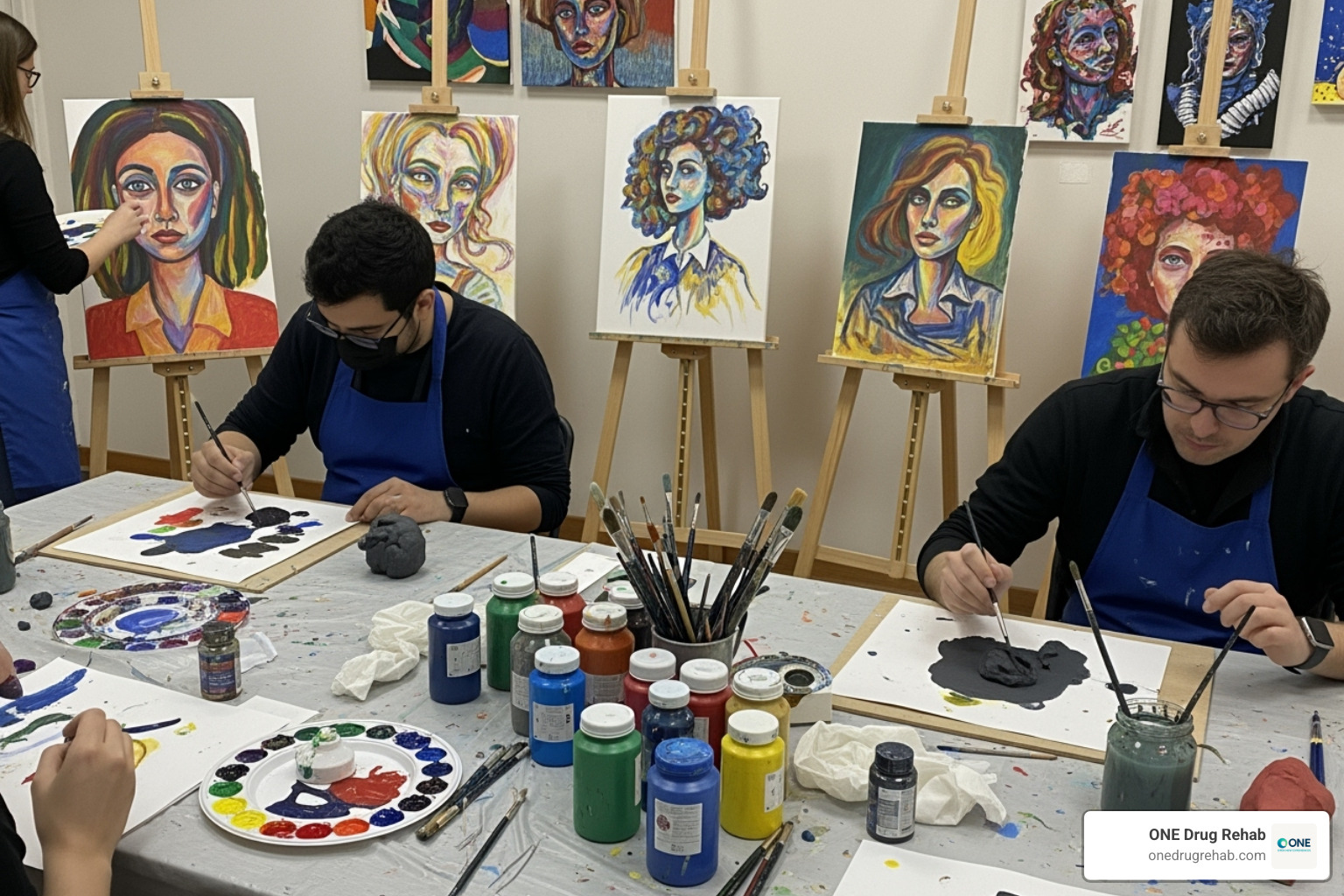
- Art and Music Therapy: These therapies allow for non-verbal expression, helping you process emotions that talk therapy may not reach.
- Equine-Assisted Therapy: Working with intuitive animals like horses provides immediate feedback on your emotional state and helps build trust and communication skills.
- Journaling: Writing provides a private space to process thoughts, identify patterns, and track progress.
- Trip Therapy: Outdoor activities like hiking or canoeing build confidence and connect you with the healing power of nature.
Explore the full range of therapies on our Holistic Treatment Programs page.
The Benefits of a Whole-Person Approach to Recovery
Choosing holistic drug treatment means building a new foundation for your life. This approach creates positive changes that affect your physical health, emotional well-being, and daily experiences.
Improved Physical and Mental Well-being
Treating the whole person allows the body and mind to heal together. Key benefits include:
- Reduced Stress and Anxiety: Practices like meditation, yoga, and breathwork calm the nervous system, providing real tools for managing daily pressures without substances.
- Better Sleep: A combination of holistic therapies, proper nutrition, and exercise helps reset the body’s natural sleep rhythms.
- Manageable Withdrawal Symptoms: While medical detox is crucial, therapies like massage and acupuncture can ease physical discomfort and restlessness.
- Addresses Co-Occurring Disorders: Holistic approaches help heal underlying causes of depression and anxiety that often accompany addiction, leading to genuine improvement from the inside out.
- Increased Self-Esteem: Finding new strengths through activities like art therapy or yoga helps rebuild self-worth and confidence.
Developing Skills for Lasting Sobriety
A whole-person approach prepares you for life after treatment with a toolkit of positive strategies.
- Improved Coping Mechanisms: You learn healthy, sustainable ways to handle stress, such as mindful walking or journaling, which become stronger with practice.
- Better Emotional Regulation: Therapies provide a safe space to process difficult emotions, teaching you that feelings are manageable and don’t require escape through substance use.
- Increased Self-Awareness: Holistic practices help you recognize triggers before they become overwhelming, allowing you to make different choices and maintain balance.
- Higher Treatment Engagement: When you feel cared for as a whole person, you are more likely to remain in treatment, which is critical for successful, long-term recovery.
This comprehensive approach helps you build a life you want to live. For more insights, explore our Holistic Education Programs.
Integrating Holistic and Evidence-Based Treatments
Holistic drug treatment is not a replacement for traditional medicine but a powerful addition to it. The goal is to create a unique treatment plan by combining the best of both worlds. Traditional methods address the immediate medical and psychological needs, while holistic therapies nurture overall well-being, building inner strength and resilience.
How Holistic Therapies Support Traditional Methods
Holistic therapies make traditional treatments more effective:
- Paired with Cognitive Behavioral Therapy (CBT): CBT helps change negative thought patterns, while practices like meditation provide practical tools to manage the stress and emotions that arise during therapy.
- Supporting Medically Supervised Detox: While medical staff ensure safety, therapies like acupuncture and massage can ease the physical discomfort, anxiety, and cravings of withdrawal.
- Enhancing Counseling: Expressive therapies like art or music provide non-verbal outlets to explore emotions, giving you more to work with in individual and group counseling.
- Providing Non-Medicinal Comfort: For those who prefer to minimize medication, natural options like breathwork or massage can provide real relief from anxiety and stress.
The Effectiveness of an Integrated Model
Combining evidence-based and holistic treatments builds a strong foundation for a fulfilling life, not just sobriety.
- Builds a Foundation for Long-Term Recovery: By addressing root causes and teaching skills like stress management and emotional regulation, this approach provides a toolkit for life after treatment.
- Improves Patient Satisfaction and Retention: Feeling cared for as a whole person increases engagement and the likelihood of completing treatment, which is critical for success.
- Reduces Relapse Rates: Complementary therapies can improve symptoms like anxiety and depression that often lead to relapse. Mindfulness-based interventions, in particular, have shown effectiveness for substance use disorders.
- Creates a Resilient Mindset: Holistic practices help develop inner peace, self-awareness, and empowerment, enabling you to face life’s challenges with confidence.
This integrated approach honors your individual needs. Explore the different Types of Addiction Treatment to find what resonates with you.
How to Choose the Right Holistic Rehab Program
Finding the right holistic drug treatment program is a critical step in your recovery. It’s important to look beyond marketing and evaluate what centers actually provide to find a place where you feel supported.

Key Factors to Evaluate
When researching holistic drug treatment centers, consider these factors:
- Licensing and Accreditation: Ensure the facility holds proper state licensing and accreditations (e.g., from CARF or The Joint Commission), which indicate they meet safety and quality standards.
- Staff Qualifications: Verify that medical staff and holistic practitioners have proper training, licenses, and experience in addiction recovery.
- Treatment Philosophy: Look for a program that genuinely treats the whole person (mind, body, spirit) and whose approach aligns with your personal needs, whether it’s focused on biochemical restoration, spiritual growth, or nature.
- Range of Therapies: A quality program should offer diverse options like yoga, meditation, acupuncture, nutritional counseling, and art therapy.
- Personalized Care: Ask how they develop and customize treatment plans to address your specific challenges, including any co-occurring mental health conditions.
Questions to Ask a Potential Center
When you contact a center, have these questions ready:
- Integration: “How do you integrate holistic and evidence-based therapies like CBT?”
- Daily Schedule: “What does a typical day look like for a client?”
- Aftercare: “How do you measure success and support clients after they leave?”
- Underlying Issues: “How do you address co-occurring disorders like depression or anxiety?”
- Logistics: Ask about the average length of stay, costs, insurance coverage, and staff availability.
Taking the time to ask questions and research your options will help you find a program where you can do the important work of healing.
Frequently Asked Questions about Holistic Treatment
It’s natural to have questions when exploring holistic drug treatment. Here are answers to some of the most common ones.
Is holistic drug and alcohol treatment covered by insurance?
Coverage depends on your specific plan and the treatment center. Most insurance plans cover the traditional, evidence-based components of treatment, such as medical detox and therapy. Coverage for complementary therapies like acupuncture or massage varies widely.
What to do:
- Call your insurance provider to ask about specific coverage for addiction treatment and holistic modalities.
- Contact the admissions team at potential treatment centers. They can often help you verify your benefits.
Can holistic therapies cure addiction on their own?
No. Holistic therapies are not a standalone cure for addiction. They are most effective when integrated into a comprehensive program that includes evidence-based treatments like medical detox, behavioral therapies (CBT), and counseling.
Addiction is a complex condition requiring multiple approaches. Holistic practices support the healing process by reducing stress, improving physical health, and providing healthy coping skills. The combination of traditional and holistic methods creates the strongest foundation for lasting recovery.
What is the difference between “holistic” and “natural” rehab?
These terms are related but distinct.
- Holistic drug treatment focuses on treating the whole person—mind, body, and spirit. It integrates a wide range of effective tools, which can include traditional therapy, medication when necessary, and complementary practices like yoga and nutrition.
- “Natural” rehab is a type of holistic treatment that specifically emphasizes avoiding synthetic medications. It relies on non-pharmaceutical approaches like herbal remedies, meditation, and exercise.
A holistic program may use medication if it serves the patient’s overall health (e.g., for safe detox or managing a co-occurring disorder), whereas a strictly natural program would seek non-medicinal alternatives. The right choice depends on your individual health needs.
Conclusion: Your Path to Complete and Lasting Healing
Starting on a holistic drug treatment journey is a choice to heal every part of yourself. This whole-person approach moves beyond just stopping substance use to address the root causes of addiction by healing the mind, body, and spirit.
Holistic treatment empowers you with lifelong skills for managing stress, rebuilding physical health, and processing emotions. It helps you become an active participant in your own recovery, building a foundation for a meaningful and fulfilling life.
Choosing the right treatment can feel overwhelming, as every person’s journey is unique. ONEDrugRehab.com is a trusted, unbiased resource to help you research and understand your options without pressure. We are here to provide information so you can find a program that fits your individual needs.
Your healing journey deserves thoughtful consideration. Take the time to explore different approaches, ask questions, and trust your instincts. Seeking help is a sign of strength, and you deserve comprehensive care that honors who you are. The most important step is taking action toward the healthier life you deserve.
Explore different types of addiction treatment to find the support that’s right for you.