

Understanding Holistic Residential Treatment: A Whole-Person Approach to Recovery
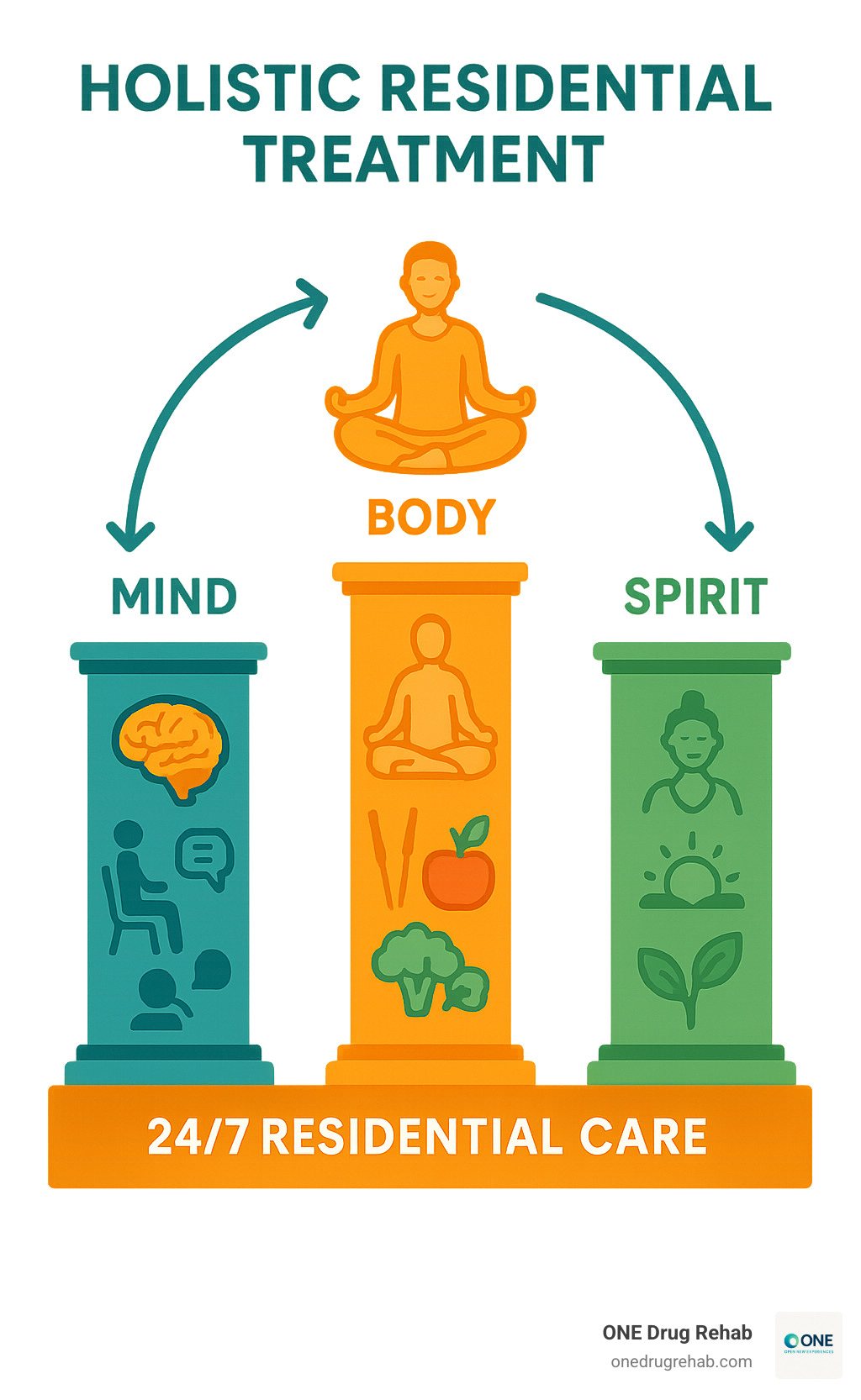
Holistic residential treatment combines traditional addiction therapy with complementary approaches that address your mind, body, and spirit in a live-in setting. This comprehensive model treats the whole person, not just the symptoms of addiction.
Key Components of Holistic Residential Treatment:
- Mind: Individual therapy, group counseling, and cognitive behavioral therapy
- Body: Yoga, acupuncture, nutritional counseling, and fitness programs
- Spirit: Meditation, mindfulness practices, and spiritual guidance
- Setting: 24/7 care in a safe, home-like environment away from daily triggers
- Duration: Typically 30-90+ days depending on individual needs
Traditional treatment often focuses on stopping substance use, but holistic residential treatment centers recognize that lasting recovery requires healing the underlying causes. Research shows that holistic approaches can improve symptoms like anxiety, depression, and chronic pain. These therapies work alongside evidence-based treatments to create a more complete healing experience.
The residential aspect means you live at the facility full-time, receiving round-the-clock support. This immersive environment removes you from daily stresses, allowing you to focus entirely on your recovery. The core philosophy is to treat the entire person—mind, body, spirit, and emotions—because addiction affects every part of your life.
Basic holistic residential treatment terms:
What is Holistic Residential Treatment?
Holistic residential treatment offers a comprehensive approach that sees you as a complete person, not just a collection of symptoms. The word “holistic” comes from the Greek word “holos,” meaning “whole.” This means understanding that your mind, body, and spirit are interconnected; when one area struggles, it affects the others.
Residential treatment means you live at the facility, providing a safe, comfortable space where you can focus on healing without daily stresses and triggers.
The core of this approach is digging deeper to find the root causes of addiction, such as using substances to cope with anxiety, trauma, or emptiness. Holistic care helps uncover and address these underlying issues directly. Because every person’s story is unique, treatment plans are highly individualized to create lasting change. As the American Hospital Association emphasizes, effective care means treating the whole person, not just the addiction.
The Core Principles and the Mind-Body-Spirit Connection
Holistic treatment is built on several key principles that all center on the mind-body-spirit connection. This isn’t just a trendy phrase; it’s how healing works. Emotional stress (mind) can cause physical symptoms (body), which can diminish your sense of hope (spirit). Holistic care works to break this cycle.
- Uncovering Underlying Issues: Treatment goes beyond symptoms to ask, “Why did this behavior start?” This involves exploring trauma, co-occurring mental health conditions, and family patterns.
- Emotional and Physical Wellness: You learn healthy ways to process feelings and develop coping strategies that don’t involve substances. Physical health is restored through proper nutrition, exercise, and sleep, which are crucial for brain and body healing.
- Spiritual Grounding: This doesn’t require specific religious beliefs but focuses on connecting with something larger than yourself, like nature, community, or personal values. This provides a sense of purpose that supports lasting change.
By addressing all these areas together, you build a strong foundation for long-term recovery and overall well-being. You become more self-aware, giving you control over your responses to life’s challenges. To learn more about the residential aspect, see our guide on inpatient rehab for drugs.
Common Holistic Therapies and Their Effectiveness
A holistic residential treatment program introduces you to a world of healing approaches, often called Complementary and Alternative Medicine (CAM). It’s important to know that these therapies don’t replace proven treatments like therapy and medication. Instead, they work alongside them to create a more complete healing experience.
Research shows CAM therapies can improve symptoms common in substance use disorders, such as anxiety, depression, and chronic pain. They also boost patient satisfaction and engagement, which often leads to better outcomes. For some, these gentler, less clinical approaches can make starting the recovery process feel more accessible. You can explore the full range of options in various holistic treatment programs.

[LIST] of Common Holistic Therapies
- Yoga, Meditation, and Mindfulness: These practices combine physical postures, breathing, and present-moment awareness to reduce stress, manage cravings, and calm the mind.
- Acupuncture: Rooted in traditional Chinese medicine, this practice uses thin needles to help manage pain, stress, and withdrawal symptoms.
- Art, Music, and Equine-Assisted Therapy: These experiential therapies offer powerful, non-verbal ways to process emotions, trauma, and build trust. No special talent is required.
- Nutritional Counseling: This addresses the physical damage of addiction and is essential for healing both the body and brain.
- Wilderness Therapy and Fitness: Programs like holistic fitness programs and wilderness trips build resilience and problem-solving skills.
- Biofeedback: This technique uses electronic monitoring to teach you how to control bodily functions like heart rate to manage stress and anxiety.
Are Holistic Therapies Evidence-Based?
This is a critical question. These approaches are designed to complement proven treatments, not replace them. Organizations like SAMHSA (Substance Abuse and Mental Health Services Administration) increasingly recognize the value of wellness in recovery. You can learn more about SAMHSA’s view on wellness approaches.
While research on some specific holistic treatments for addiction is still growing, there is strong evidence for their benefits on co-occurring symptoms. For example, mindfulness is well-supported for reducing anxiety and depression. What is consistently seen is that these therapies improve patient engagement. When you feel cared for as a whole person, you are more likely to participate fully in your treatment, leading to better long-term outcomes.
How Holistic Care Differs from Traditional Methods
How does holistic residential treatment differ from conventional methods? Traditional treatment historically focuses on the addiction itself—stopping substance use, managing withdrawal, and addressing addictive behaviors. These clinical approaches, like cognitive behavioral therapy and medication management, are crucial and life-saving.
Holistic residential treatment expands this focus, asking, “What is happening with this person as a whole?” It operates on the principle that addiction often stems from deeper imbalances, such as unresolved trauma, chronic stress, or spiritual emptiness. Instead of only treating the addiction, it aims to heal the entire person.
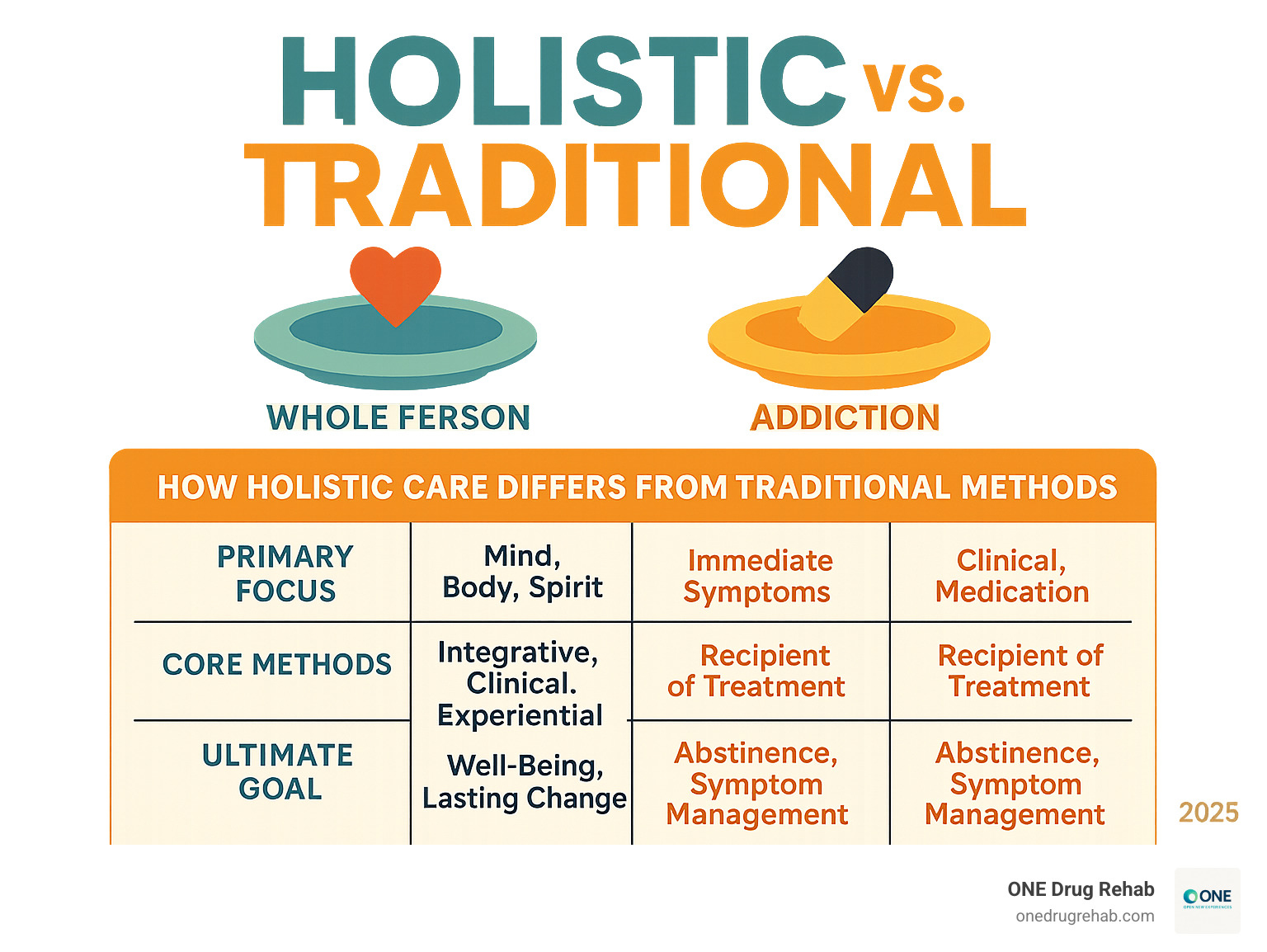
Most quality holistic programs use an integrated model, combining the best of both worlds. You receive evidence-based clinical therapies, which are augmented with complementary approaches like yoga, meditation, and nutritional counseling.
Your role also shifts. Instead of being a patient receiving care, you become an active participant in your own healing journey. The ultimate goal is broader than just abstinence; it’s about achieving overall well-being and lasting change. By treating the mind, body, and spirit, holistic programs aim to build a life you genuinely want to live. Understanding the various types of addiction treatment can help you see where this approach fits.
Benefits of Choosing a Holistic Residential Treatment Center
Choosing a holistic residential treatment center is an investment in rebuilding your life on a stronger, healthier foundation. The benefits extend far beyond just stopping substance use.
One of the first benefits is stress reduction. The peaceful, supportive environment, combined with calming therapies like meditation and yoga, helps lower chronic tension. This mental clarity allows you to engage in the deeper work of healing. This leads to profound self-findy, as you begin to understand your thought patterns, triggers, and inner strengths through various therapies.
You’ll also start developing healthy coping skills. Instead of turning to substances, you learn to use tools like breathing exercises, physical activity, or creative expression to manage life’s challenges. Your physical health improves dramatically with proper nutrition, regular movement, and better sleep. This mind-body connection is key to feeling better overall.
Together, these benefits promote long-term wellness and effective relapse prevention. You’re not just surviving; you’re building a toolkit for thriving. Many programs also offer holistic education programs to support your journey.
Supporting Co-occurring Disorders and Building for the Future
Holistic residential treatment is particularly effective for individuals with a dual diagnosis (both addiction and a mental health challenge). It naturally addresses underlying trauma and mental health issues that often drive substance use. With integrated care for mental health, you might receive therapy for trauma, meditation for anxiety, and nutritional counseling for brain health—all in one comprehensive plan. This is especially helpful for managing anxiety, depression, and PTSD. For specialized care, explore co-occurring disorder treatment options.
The ultimate goal is to build a foundation for long-term recovery. You learn to make sustainable lifestyle changes and develop the emotional resilience to handle life’s challenges. This sense of empowerment leads to post-treatment success and overall well-being. For those whose addiction is rooted in trauma, an inpatient trauma treatment center can provide this essential foundation.
What to Look for When Selecting a Program
Finding the right holistic residential treatment program is an empowering step. To make a confident choice, focus on these key areas.
- Accreditation and Licensing: Your first check should be for state licensing and accreditation from respected bodies like The Joint Commission or CARF. These credentials ensure the facility meets high standards for safety and quality care.
- Staff Qualifications: The team guides your healing. Ensure therapists are licensed and that instructors for specialized therapies (like yoga or equine therapy) are certified. A reputable program will be transparent about its team’s qualifications.
- Integrated Treatment Model: The best programs blend evidence-based therapies (like CBT) with complementary approaches. You shouldn’t have to choose between science-backed treatment and holistic practices.
- Individualized Treatment Plans: Avoid cookie-cutter programs. Look for facilities that create a personalized plan based on your unique history, needs, and goals.
- Aftercare and Family Support: Recovery continues after you leave. Strong aftercare support (like alumni programs or referrals) and family involvement (like therapy and workshops) are crucial for long-term success.
If costs are a concern, you can research options for addiction treatment without insurance.
Key Questions to Ask a Potential Facility
When speaking with admissions teams, you are interviewing them. Be prepared with questions to ensure it’s the right fit.
- Staff Credentials: “What specific training and certifications do your therapists and holistic practitioners have?”
- Daily Schedule: “What does a typical day look like? How is time divided between individual therapy, group sessions, and holistic activities?”
- Success Metrics: “How do you measure success, and what are your program’s completion and long-term recovery rates?”
- Family Involvement: “What specific options do you offer for family therapy and support?”
- Detox Protocols: “How do you manage medical detox while incorporating a holistic approach?”
- Aftercare Program: “What specific support do you provide after a client completes the residential program?”
- Staff-to-Patient Ratio: “What is your staff-to-patient ratio?”
Asking detailed questions is smart. A quality program will welcome them and provide honest, thorough answers.
Frequently Asked Questions about Holistic Treatment
It’s natural to have questions when considering holistic residential treatment. Here are answers to some of the most common concerns.
How long does holistic residential treatment typically last?
There is no one-size-fits-all timeline; treatment is custom to your unique needs. Most programs offer stays of 30, 60, or 90+ days, with the possibility of longer stays if needed. The ideal duration depends on factors like the severity of your condition, your individual progress, and your personal recovery goals. The treatment team will work with you to determine the right length of stay to ensure you build a solid foundation for recovery. Aftercare planning starts early, so you are well-supported for your transition.
Will my insurance cover holistic therapies?
This is a common and important question. Most insurance plans cover the core clinical components of residential treatment, such as individual and group therapy, medical supervision, and the residential stay itself.
Coverage for specific holistic therapies like acupuncture or equine therapy can vary widely depending on your provider and plan. The best first step is to call your insurance company to ask about your specific benefits for residential addiction treatment. The admissions team at a treatment facility can also help you verify your coverage and understand any out-of-pocket costs. Don’t let financial concerns stop you from seeking help; many centers offer payment plans, and resources like free alcohol rehab programs may be available.
Can holistic treatment work for any addiction?
Yes, the holistic approach can be effective for nearly any type of addiction, including alcohol, drugs (opioids, stimulants, prescription medications), and behavioral addictions like gambling.
This is because holistic treatment doesn’t just focus on the specific substance or behavior. It addresses the underlying causes that often drive addiction, such as trauma, untreated mental health conditions like anxiety or depression, or a lack of healthy coping skills. Since these root issues are common across different types of addiction, the personalized approach of healing the whole person provides a strong foundation for recovery, regardless of the specific addiction.
Conclusion: Begin Your Journey to Whole-Person Healing
Taking the first step toward holistic residential treatment is a powerful choice for comprehensive, whole-person healing. This approach goes beyond just stopping substance use; it helps you build an entirely new way of living by addressing your mind, body, and spirit.
By healing underlying trauma, learning to manage co-occurring conditions, and developing a strong mind-body connection, you create a resilient foundation for lasting recovery. You gain healthy coping skills, reduce stress, and improve your physical wellness, equipping you for a life of genuine happiness.
Choosing the right program is a personal decision. Look for proper accreditation, qualified staff, individualized plans, and strong aftercare support. At ONEDrugRehab.com, we serve as your unbiased guide, providing accurate information to help you explore your options. Our goal is to empower you with knowledge so you can make the best choice for your unique journey.
Your recovery is yours, but you don’t have to walk the path alone. If you’re ready to heal the root causes of your struggles, take that courageous first step today. Explore your options and find the right addiction treatment program for you.