
Understanding the Unique Challenges Mothers Face in Addiction Recovery
Inpatient rehab for mothers offers specialized residential treatment that addresses the unique challenges women face while maintaining their parental roles. These programs often allow young children to live with their mothers during treatment, providing integrated childcare, trauma-informed care, and parenting support alongside addiction therapy.
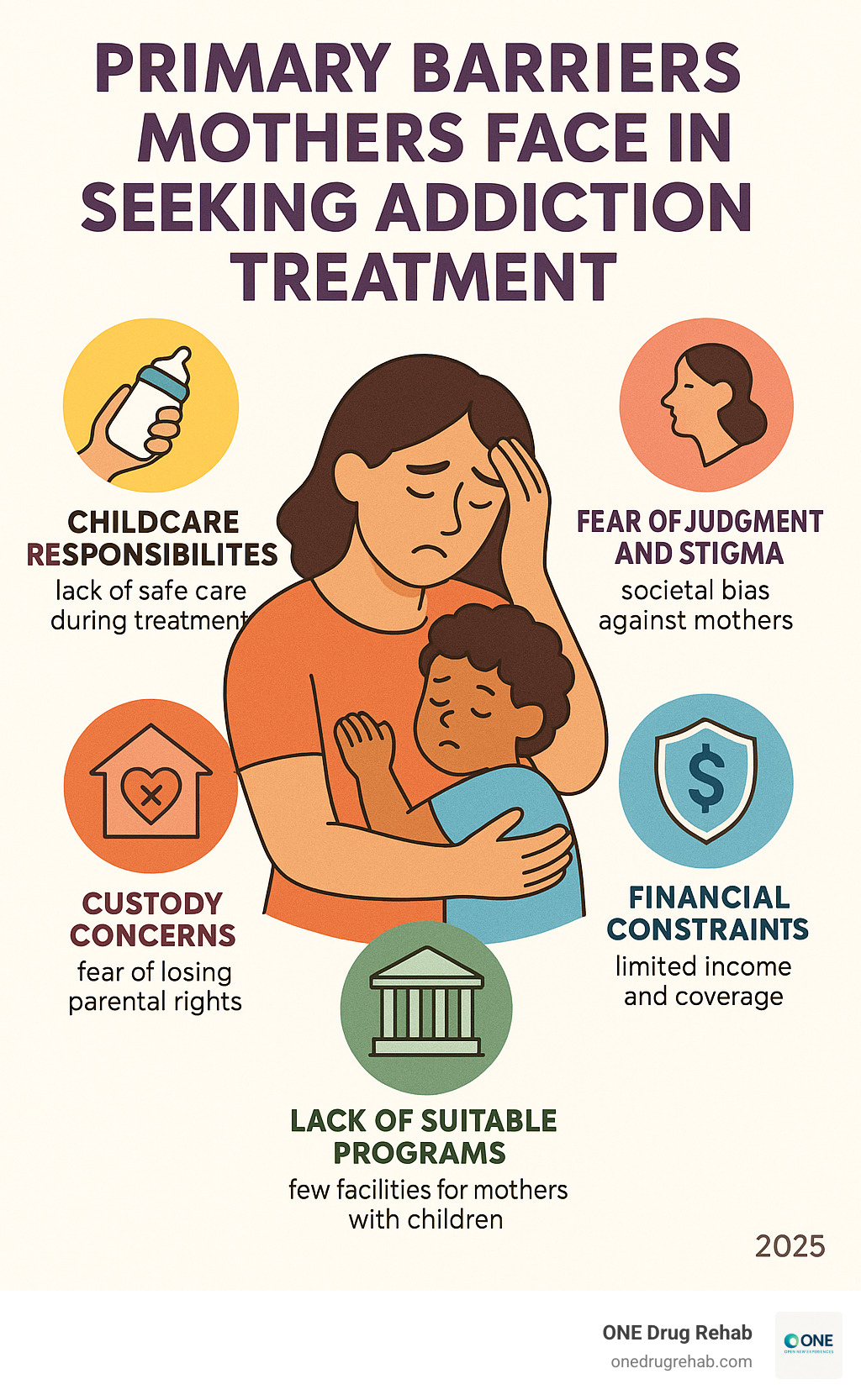
Many mothers struggling with addiction avoid seeking help due to the fear of losing custody, societal stigma, and a lack of childcare. Specialized programs are designed to overcome these barriers by keeping families together during the healing process. As one mother shared, “I have more confidence in myself, in my role as a mother, and I feel less guilty.”
Key features often include:
- Mother-child co-residence
- On-site professional childcare
- Gender-specific and trauma-informed care
- Parenting skills training
- Typical program duration of 3-8 months
Must-know inpatient rehab for mothers terms:
What is Specialized Inpatient Rehab for Mothers?
Specialized inpatient rehab for mothers provides addiction treatment in a nurturing, women-only environment where safety and peer support are prioritized. This approach allows mothers to focus on recovery without the overwhelming stress of finding childcare or being separated from their children. These programs recognize that women often have different paths to addiction than men, addressing unique female physiology, psychology, and the impact of past trauma. A core component is helping mothers develop and strengthen their parenting skills to build healthier family relationships.
For example, some programs directly tackle the common “fear of custody loss” by ensuring mothers and their young children can receive treatment together. This holistic approach helps mothers heal and reconnect with their true selves.
Here’s how specialized inpatient rehab for mothers differs from standard programs:
| Feature | Standard Inpatient Rehab | Inpatient Rehab for Mothers |
|---|---|---|
| Childcare | Not typically provided; external arrangements needed | Integrated on-site childcare, often allowing children to reside with mothers |
| Therapy Focus | General addiction treatment; broad life skills | Addiction treatment specific to women; extensive parenting skills, mother-child bonding, family systems, trauma-informed care |
| Peer Group | Mixed-gender | Women-only or mother-focused |
| Environment | General residential setting | Home-like, nurturing, often designed for families |
| Trauma Care | May be offered as a specialty | Integrated as a standard; addresses unique female trauma |
| Family Role | Family therapy may be an adjunct | Central to treatment; children often direct participants or beneficiaries of care |
For more general information about various addiction treatment options, you can explore our guide on different types of addiction treatment.
The Unique Challenges Mothers Face
Mothers seeking addiction treatment face a unique set of challenges rooted in societal expectations and family responsibilities:
- Societal Stigma and Judgment: Mothers with addiction are often judged more harshly than men, leading to intense shame and guilt that prevents them from seeking help.
- Increased Familial Responsibilities: As primary caregivers, many mothers find it nearly impossible to step away for treatment without a strong support system.
- Higher Rates of Co-occurring Trauma and Mental Health Issues: Many women in recovery have histories of trauma, such as domestic violence or sexual assault. This often leads to co-occurring conditions like PTSD, depression, or anxiety. A trauma-informed approach, as outlined by leading health organizations like SAMHSA, is essential for effective treatment.
- Financial Dependency: A lack of independent income can make it difficult for mothers to afford treatment or leave damaging relationships.
- Fear of Child Protective Services (CPS) Involvement: The fear of losing custody is one of the most significant barriers, causing many mothers to delay or avoid seeking the help they need.
Key Differences from Standard Rehab
The differences between standard and mother-focused rehab are profound, built on the understanding that a mother’s recovery is tied to her family’s well-being.
- Integrated Childcare and Co-residence: The most significant distinction is that children can often live with their mothers at the facility. This removes a major logistical and emotional barrier to treatment.
- Trauma-Informed Care as a Standard: Because trauma is so prevalent among women with addiction, these programs integrate trauma-informed care into every aspect of treatment, ensuring a safe and supportive healing environment.
- Gender-Specific Curriculum: Treatment is designed to address women’s unique psychological and physical challenges, exploring topics like self-esteem, relationships, and identity in a way that resonates deeply.
- Focus on Mother-Child Bonding: These programs actively work to heal and strengthen the mother-child relationship through integrated family therapy, parenting skills development, and attachment-focused activities.
By offering these specialized services, inpatient rehab for mothers creates an environment where women can heal without sacrificing their role as a parent, paving the way for a healthier future for the entire family. If you’re interested in broader family support in recovery, our Rehab for Families guide offers additional insights.
The Transformative Benefits of Mother-Child Programs

When families heal together, the positive effects extend far beyond the mother’s individual recovery. Inpatient rehab for mothers that includes children keeps families intact during a vulnerable time, creating a powerful ripple effect of healing.
The impact is profound. With children safe and nearby, mothers can fully commit to treatment, motivated by the knowledge that they are modeling healthy choices for their kids in real-time. More importantly, these programs work to break intergenerational cycles of addiction by giving children a stable environment and their first consistent experience of a sober, engaged parent.
Benefits for the Mother
Knowing she doesn’t have to choose between her children and her health provides immense relief, removing the guilt and stress that can derail recovery. The benefits are clear:
- Increased Motivation: With their children present, mothers have a tangible, daily reminder of why they are working so hard to get well.
- Real-Time Parenting Practice: Mothers learn and apply effective parenting techniques in a supportive environment with guidance from professional staff.
- Strong Support Network: Living with other mothers who share similar struggles creates a powerful sisterhood and a built-in support system that often lasts a lifetime.
- Trauma Healing: In a safe, women-only space, mothers can finally address the underlying trauma that often fuels addiction, allowing them to parent from a place of strength.
Benefits for the Child
Children in these programs are not just observers; they are active participants in their family’s healing. They benefit from:
- Developmental Support: Many facilities offer developmental screenings and early intervention services to address any physical, emotional, or behavioral needs.
- A Stable, Nurturing Environment: While mothers are in therapy, children participate in structured daycare and educational activities, allowing them to thrive and just be kids.
- Healing Their Own Trauma: Through age-appropriate therapies like art and play, children can process their own experiences of living with addiction.
- A Healthy Parent-Child Bond: For the first time, many children experience a consistently present and engaged mother, which is foundational for their emotional development.
- Learning Healthy Coping Skills: By being immersed in a healing environment, children learn healthy ways to manage emotions, breaking cycles of dysfunction for the next generation.
A Closer Look at Inpatient Rehab for Mothers: Services, Duration, and Eligibility

Understanding the practical details of inpatient rehab for mothers can help you make an informed decision. These programs are designed to be accessible to women at the most vulnerable points in their lives.
Who is Eligible for Inpatient Rehab for Mothers?
Eligibility is designed to be inclusive, typically welcoming:
- Pregnant women who need specialized medical care for themselves and their unborn babies.
- Mothers with young children, generally from newborn through elementary school age (e.g., up to age 6 or 11, depending on the facility).
- Women with a diagnosed substance use disorder requiring intensive, residential care.
- Women with co-occurring mental health conditions like depression, anxiety, or PTSD, as many programs specialize in dual diagnosis treatment.
Most programs require mothers to be over 18 and may prioritize those with a history of relapse or complex needs. For more details, you can explore our maternal addiction services page.
Core Services and Therapies Offered
These programs offer a comprehensive mix of services to support both mother and child, including:
- Medically Supervised Detox: A safe and comfortable withdrawal process, with special protocols for pregnant women.
- Individual and Group Counseling: Using evidence-based therapies like CBT and DBT to address addiction, trauma, and coping skills.
- Family Therapy: To repair and strengthen the bonds between mother and child.
- Parenting and Life Skills Classes: Practical training on child development, positive discipline, budgeting, and job readiness.
- Trauma-Informed Care: An approach that is woven through all aspects of treatment.
- Holistic Therapies: Activities like yoga, art, and meditation to support overall well-being.
- Prenatal and Postnatal Care: Integrated medical services for expectant and new mothers.
If you’re dealing with both addiction and mental health challenges, our guide on co-existing psychological conditions offers additional insights.
Program Duration and Aftercare Support
The length of stay is based on individual needs, not a fixed calendar. While some programs are shorter, most mother-child residential programs are longer-term, typically lasting 3 to 8 months. This extended timeframe allows for deep healing and skill-building for the entire family.
Recovery is a lifelong journey, so strong aftercare support is crucial. This often includes:
- Transitional or sober living housing to provide a safe, structured environment post-treatment.
- Continued outpatient therapy and support groups (e.g., AA/NA).
- Alumni programs to maintain connections with a supportive community of peers.
Navigating Admissions, Costs, and Practicalities
Taking the first step toward inpatient rehab for mothers involves a few practical considerations. Here’s what you need to know about the admissions process, costs, and preparing for your stay.
The Admission Process
The process is designed to ensure the program is the right fit for you and your child:
- Initial Contact & Assessment: The first step is a confidential call with an admissions officer to discuss your situation and determine eligibility.
- Referral (if needed): Some programs require a referral from a healthcare professional, while many accept self-referrals.
- Application & Documentation: You will likely complete an application package with your medical and substance use history.
- Funding Verification: The facility will help you verify insurance coverage or other funding options.
- Intake & Preparation: Once accepted, you’ll receive guidance on what to bring and when to arrive. Be aware that waitlists are common, though not universal.
If you need help navigating these initial steps, you can Contact ONE Drug Rehab for Admissions.
Understanding Costs and Financial Assistance
Cost should not be a barrier to getting help. Several options are available:
- Private Insurance: Many health plans cover addiction treatment. Verify your specific coverage for residential care.
- Government-Funded Programs: Many states and provinces offer publicly funded treatment at little to no cost for eligible residents.
- Sliding-Scale Fees: Some facilities adjust costs based on your income.
- Grants and Scholarships: Non-profits and treatment centers may offer financial aid.
- Self-Pay: Payment plans may be available if you are paying out-of-pocket.
For more options, explore our guide on finding rehab without insurance.
Practical Preparations: What to Bring
Each facility has specific rules, but here are general guidelines. Always confirm with the center before packing.
-
For Mother:
- Comfortable, casual clothing for several weeks.
- Alcohol-free personal hygiene products.
- ID, insurance cards, and prescription information (not filled medications).
- A journal, pens, and a small amount of spending money.
-
For Children:
- An initial supply of diapers, formula, wipes, and pull-ups.
- Comfortable clothing for the duration of the stay.
-
Prohibited Items:
- Electronics (cell phones, laptops) are almost always prohibited and stored until discharge.
- Outside food, non-approved medications, and outside bedding are typically not allowed.
- Personal vehicles are generally not permitted.
-
Visitation and Phone Calls:
- Facilities usually have an initial blackout period with no calls or visits. Afterward, scheduled visitation and phone times are allowed. Always check the current policy.
Frequently Asked Questions about Inpatient Rehab for Mothers
It’s normal to have questions when considering a life-changing decision like entering inpatient rehab for mothers. Here are answers to some of the most common concerns.
Will I lose custody of my children if I go to rehab?
This is a primary fear, but the opposite is often true. Seeking help for addiction is viewed as a sign of responsible parenting. Specialized mother-child programs are designed to keep families together. By entering treatment, you are actively demonstrating to courts and child protective services (CPS) that you are committed to providing a safe, stable home for your children. The goal of these programs is often family reunification, and taking this step significantly increases your chances of maintaining or regaining custody.
How does inpatient rehab for mothers differ from standard rehab programs?
The key differences make these programs uniquely effective for mothers:
- Integrated Childcare & Co-residency: The most significant distinction is that children can live with you, and professional childcare is provided during your therapy sessions.
- Focus on the Mother-Child Relationship: Treatment includes therapies designed to heal and strengthen the family unit and teach effective parenting skills.
- Gender-Specific & Trauma-Informed Care: The entire program is custom to women’s unique needs, providing a safe space to address sensitive issues like trauma and domestic violence.
- Holistic Family Support: These programs often view the child as a client, too, offering developmental screenings and support to ensure the whole family heals.
Can I get treatment if I am pregnant?
Yes, absolutely. Seeking treatment while pregnant is a courageous act of love for you and your baby. Specialized programs are equipped to handle the unique medical and emotional needs of pregnancy.
They provide medically supervised detox to ensure the safety of both mother and baby, often using medications like Methadone or Subutex that are safe for use during pregnancy. These programs also include integrated prenatal care and focus on preventing or treating Neonatal Abstinence Syndrome (NAS), giving your baby the healthiest possible start in life. Do not let fear stop you from getting the comprehensive care you both deserve. You can learn more about treatment for pregnant women on our dedicated page.
Conclusion: Taking the First Step Towards Healing for You and Your Family
Recovery is about more than sobriety—it’s about reclaiming your life and your role as a mother. The journey may seem daunting, but you are not alone. Inpatient rehab for mothers offers a unique path to healing that honors the sacred bond between you and your children.
These programs understand that keeping families together strengthens recovery. The fear of losing custody or being judged doesn’t have to control your decision. Help is available, designed specifically for a mother who wants the best for her family.
Taking the first step is the most powerful gift you can give yourself and your children. The healthy, present, and sober version of you is waiting to emerge.
You don’t have to figure this out alone. ONE Drug Rehab is here to help you explore your options without pressure or judgment. Take the first step today to Compare Rehab Centers and find a path to the healthier, sober life your family deserves.