
Why Understanding Group Therapy Dynamics Matters in Recovery
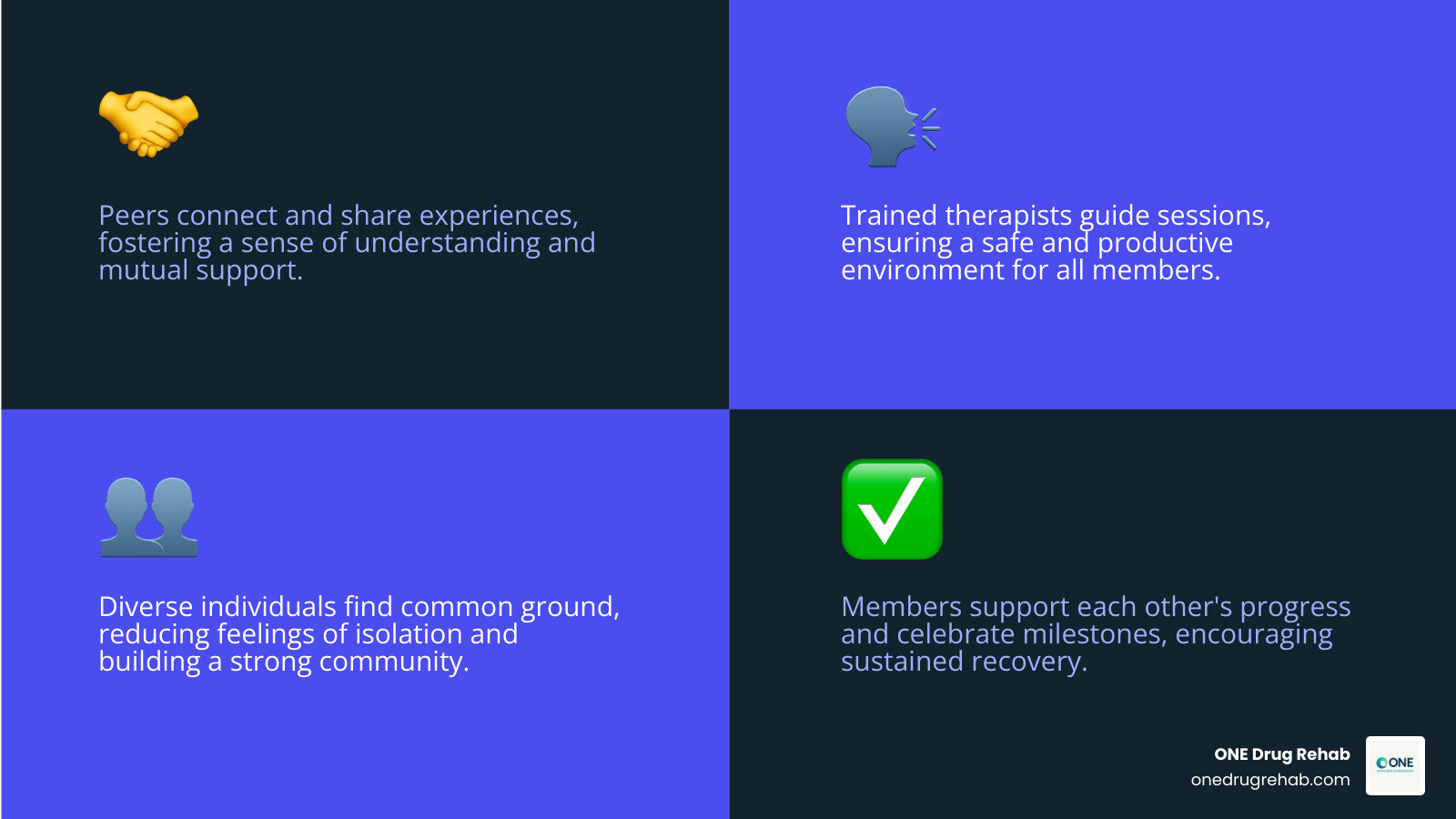
What does group therapy in addiction entail? It’s a structured recovery method where a small group of 6-12 people with similar struggles meet with a trained therapist. These sessions combine professional guidance with peer support, skill-building, and accountability in a safe, confidential environment.
Group therapy is a proven treatment approach that research shows can be as effective as individual therapy. Its power lies in combining professional expertise with the connection that comes from shared experiences. Many people enter therapy feeling isolated by their addiction. As one group member shared in research, “You realize you’re not alone in your struggles”—a realization that often marks the beginning of true healing.
This approach is effective because addiction thrives in isolation, while recovery flourishes in community. Hearing others share similar stories and victories breaks down the walls addiction builds, fostering a sense of connection that is vital for healing.
What Does Group Therapy in Addiction Entail?
What does group therapy in addiction entail? It is a structured healing process where 6-12 individuals with similar addiction challenges meet under professional guidance. The group dynamics create a powerful sense of community that individual therapy cannot replicate. The shame of addiction often dissolves when you realize you are not alone in your struggles.
Sessions are typically held weekly for 1.5 to 2.5 hours. Strict confidentiality rules ensure a safe environment for vulnerability. Groups can be open (new members can join) or closed (the same members stay together), each offering unique benefits.

What to expect during a typical session
A typical session begins with a check-in, where everyone briefly shares their progress or challenges. This is followed by a themed discussion led by the therapist on topics like managing stress or triggers. The core of the session is open sharing, where members relate the topic to their own experiences. The therapist facilitates the conversation, ensuring respectful listening and that everyone has a chance to speak. The session concludes with a wrap-up and reflection, where members share key takeaways.
The types of addictions addressed
Group therapy is effective for a wide range of addictions. It is commonly used for substance use disorders, including alcohol addiction, drug addiction, and prescription medication misuse. It also addresses substance-related and behavioral addictions such as gambling addiction, food addiction, and internet addiction. The underlying patterns of shame, secrecy, and relapse are often similar across different addictions, creating common ground for healing.
The professional’s role in the group dynamic
The licensed therapist or certified addiction counselor is a skilled facilitator vs. lecturer. Their role is to guide conversations, ensure safety by maintaining boundaries, and manage conflict constructively. They model healthy communication by listening with empathy and offering kind feedback. Their expertise helps the group identify patterns and grow, creating the conditions for healing to occur naturally. You can find more info about addiction services and the professionals who provide this support.
Exploring the Different Models of Group Therapy
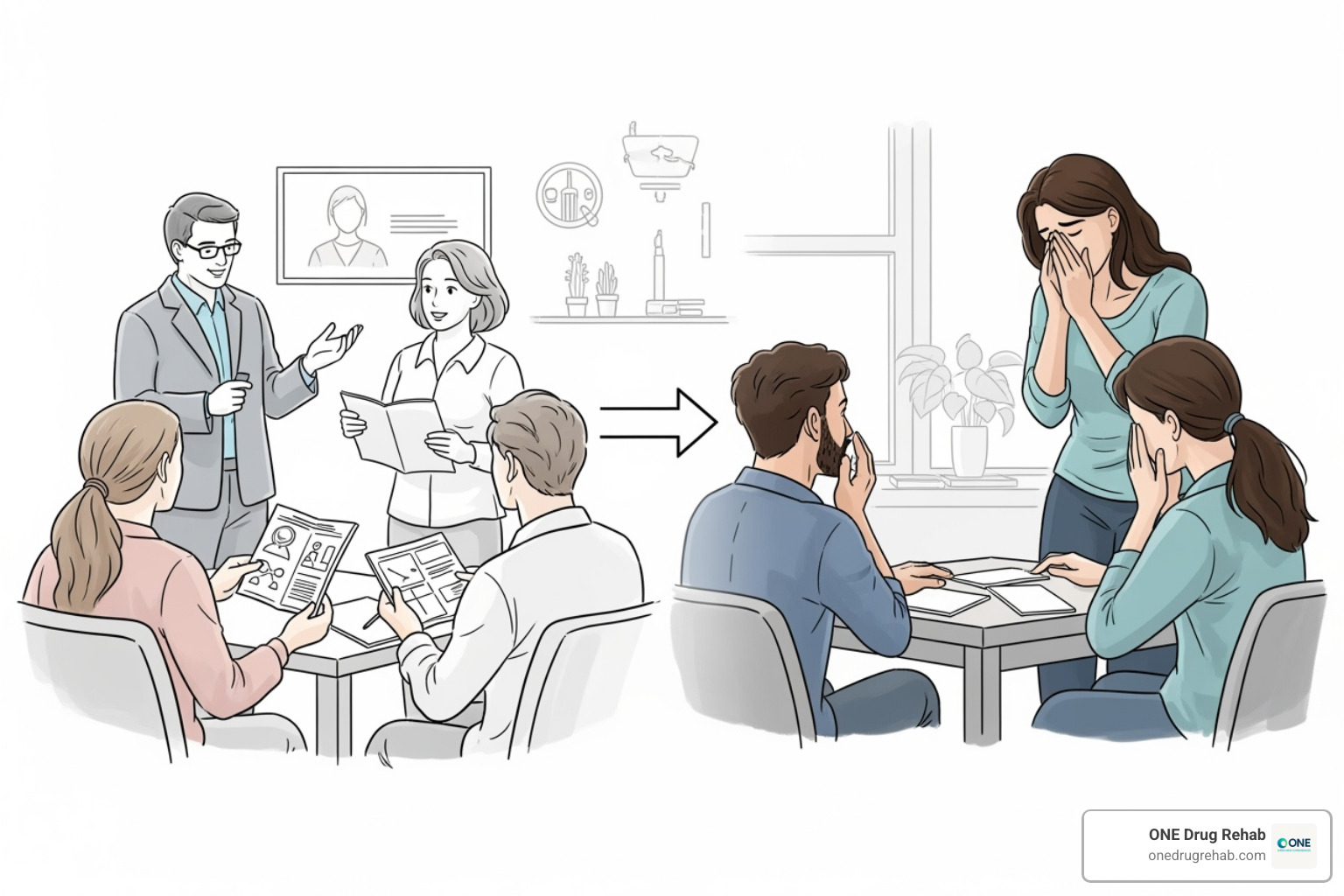
Group therapy models are like different recipes for recovery, each designed to meet people at various stages of their healing journey. What does group therapy in addiction entail often depends on the specific model used. Research highlights five group models that are effective for substance use disorders, which are often integrated into a comprehensive treatment plan.
Psychoeducational Groups
These groups empower individuals through addiction education. They focus on helping you understand addiction as a medical condition, not a moral failing. Topics include brain chemistry, the consequences of addiction, and relapse prevention basics. The goal is to provide the knowledge needed to become recovery ready and motivated for change.
Skills Development Groups
These hands-on groups teach practical tools for daily life without substances. Participants practice coping mechanisms for stress and difficult emotions. Key areas include emotional regulation, communication skills, stress management, and learning refusal skills to confidently say “no” in risky situations.
Cognitive-Behavioral Therapy (CBT) Groups
CBT groups focus on the link between thoughts, feelings, and behaviors. The goal is to start identifying negative thoughts that fuel addiction and learn to replace them with healthier ones, changing behavior patterns. Using specific techniques, these groups teach problem-solving skills and develop sophisticated relapse prevention strategies.
Support Groups
Support groups provide a circle of understanding where shared experiences build strength and community. Whether peer-led or professionally-led, the focus is on emotional support and hope instillation. The key goals include fostering genuine connections through sharing experiences in a non-judgmental space.
Interpersonal Process Groups
For those ready to dig deeper, these groups explore how relationship patterns affect addiction. With a here-and-now focus, the group itself becomes a space to work on relationship dynamics. Members practice building trust and examine attachment patterns from their past through real-time interactions, as described in the key concepts of this model.
The Transformative Power: Key Benefits of Group Therapy
When people ask what does group therapy in addiction entail, they soon learn its transformative power. The magic lies in creating shared understanding among people on similar journeys. In a group, you don’t have to explain the overwhelming nature of addiction—everyone gets it. This shared foundation fosters mutual encouragement and hope instillation, as you witness recovery working for others. These benefits are not just fleeting moments; they are measurable changes that support long-term recovery. Learn more about The Benefits of Group Therapy in Addiction Treatment.

Reducing Isolation and Building Community
Addiction is often called a “disease of isolation.” Group therapy directly combats this by combating loneliness from the very first session. Hearing others share similar thoughts and fears helps to normalize your struggles, which research shows helps reduce feelings of isolation. This shared understanding evolves into a vital support network, and members often form strong, honest relationships. Group therapy helps foster a sense of connection, helping you find your tribe.
Fostering Accountability and Motivation
Group therapy creates natural peer accountability. Committing to your goals in front of a supportive group provides gentle but real pressure to follow through. The group is a safe place for sharing progress and setbacks, where both are met with understanding. Celebrating milestones as a group amplifies the joy of recovery and reinforces positive behaviors. Witnessing others’ success is also a powerful motivator, providing tangible proof that recovery is possible and helping to reignite personal motivation.
Gaining Perspective and Identifying Triggers
Group therapy provides a wealth of perspectives you can’t get alone. Learning from others’ experiences offers a toolkit of real-world solutions for handling challenges. You may also start seeing patterns in yourself by recognizing your own behaviors in others’ stories. The group setting is a safe laboratory for identifying social triggers and practicing social skills, like setting boundaries, without real-world consequences. This collective wisdom equips you with practical strategies for maintaining sobriety.
Group vs. Individual Therapy: A Comparative Look
Choosing between group and individual therapy is a common question in addiction treatment. The good news is that they are both vital components of a comprehensive plan, and you often don’t have to choose just one. Research shows that group therapy is as effective as individual therapy, and sometimes more so due to the peer support element. The best approach often combines both, depending on personal preference and individual needs.
| Feature | Group Therapy | Individual Therapy |
|---|---|---|
| Peer Interaction | High – Learn from others’ experiences and build support networks | Limited – Focus is solely on your personal journey |
| Cost | More affordable – Shared therapist time reduces individual costs | Higher cost – Full therapist attention comes at premium price |
| Focus | Broader perspective – Address common addiction challenges and social skills | Personalized – Deep dive into your specific trauma, family history, and unique needs |
| Confidentiality | Shared space – Trust group members to maintain privacy | Complete privacy – Only you and your therapist |
| Feedback Source | Multiple perspectives – Peers and professional guidance | Single expert viewpoint – Therapist’s professional insight |
Effectiveness, Cost, and Insurance Coverage
Group therapy offers significant cost-effectiveness, as one therapist serves multiple clients. This makes quality care more accessible. Most insurance plans recognize this value, and group therapy is commonly included in outpatient program coverage. You can use a Rehab Cost Comparison guide to understand your options. For more details on treatment settings, check out our guide on Understanding Outpatient Rehab Programs.
Potential Disadvantages and Limitations
Group therapy isn’t a perfect fit for everyone. Some potential drawbacks include confidentiality concerns, as you are sharing with a group. Social anxiety can make participation feel overwhelming at first. You will also receive less individual attention than in one-on-one sessions. Occasionally, group conflicts can arise, though therapists are trained to manage them. This pacing mismatch can also be a challenge, as the group moves at a collective pace.
What Does Group Therapy in Addiction Entail?
When people ask what does group therapy in addiction entail, they are asking about a powerful process that combines professional guidance with peer support. It is a form of psychotherapy where 6-12 individuals meet to share experiences and support one another’s healing. The group dynamics create a unique environment where the isolation of addiction is broken by connection.
Sessions follow a semi-structured format, typically meeting weekly for 1.5 to 2.5 hours. Sacred confidentiality rules create a safe space for honesty. Groups can be “open” (new members can join) or “closed” (the same members participate throughout), with the small size ensuring everyone can connect.
What to expect during a typical session
A typical session begins with a check-in process for members to share updates. This is followed by a themed discussion introduced by the therapist, covering topics like cravings or stress management. The heart of the session is open sharing and discussion, where members offer insights and receive feedback from both peers and the therapist. The therapist facilitates to ensure a safe and productive conversation. Sessions conclude with a reflection or “check-out” to summarize takeaways.
The types of addictions addressed
Group therapy is versatile and effective for many addictions. It is commonly used for substance use disorders like alcohol addiction and drug addiction. It also extends to substance-related and behavioral addictions, including gambling addiction, food addiction, and internet addiction. The common thread is the compulsive nature of the behavior and its impact on a person’s life.
The professional’s role in the group dynamic
The success of group therapy relies on the licensed therapist or certified addiction counselor. This professional acts as a facilitator, not a lecturer, creating a safe and productive environment. Their key roles include ensuring safety by upholding confidentiality and managing conflict, guiding conversation toward therapeutic goals, and modeling healthy communication. They introduce therapeutic techniques to ensure the group remains focused on healing. For more info about addiction services, you can explore the professionals who provide this support.
Exploring the Different Models of Group Therapy
Group therapy models are different tools in a recovery toolbox, custom to an individual’s needs and stage of recovery. What does group therapy in addiction entail can vary based on the approach. Research has identified five group models for substance use recovery, which are often blended in a complete treatment plan.
Psychoeducational Groups
These groups provide knowledge as a form of power. The goal is to help you become recovery ready by understanding addiction as a brain disease, not a moral failing. You’ll learn about brain chemistry, the consequences of substance use, and relapse prevention basics. This foundation of knowledge is crucial for fighting addiction effectively.
Skills Development Groups
These groups are a recovery boot camp, teaching practical tools for daily life. The focus is on effective coping mechanisms for stress and difficult emotions. You’ll practice emotional regulation, communication skills, and refusal skills to handle risky situations. These skills are rehearsed in the group, preparing you for real-life challenges.
Cognitive-Behavioral Therapy (CBT) Groups
CBT groups help you uncover the connection between your thoughts, feelings, and behaviors. Using specific techniques, you learn to identify negative thoughts that lead to using and develop healthier responses to change behavior patterns. The group practices structured problem-solving and creates detailed relapse prevention strategies.
Support Groups
Sometimes, the greatest need is to know you’re not alone. The key goals of support groups are connection and mutual encouragement. Through sharing experiences, members break through isolation and shame. These groups, which can be professionally led or peer-led like 12-step programs, provide emotional support and help in fostering community.
Interpersonal Process Groups
For those ready to go deeper, these groups explore the relational roots of addiction. They focus on the “here-and-now” dynamics within the group to explore relationship dynamics safely. Based on key concepts of interpersonal therapy, members work on building trust and addressing attachment patterns, practicing new behaviors in real time.
The Transformative Power: Key Benefits of Group Therapy
What does group therapy in addiction entail at its core? It’s about finding light in the shared understanding and mutual encouragement of a community. Group therapy combines professional guidance with peer connection, creating a powerful force for recovery. It dismantles the feeling that you are alone in your struggle. For more on how this works, you can read more about The Benefits of Group Therapy in Addiction Treatment.
Reducing Isolation and Building Community
Addiction is a disease of isolation. Group therapy directly fights this by combating loneliness and creating an instant community. Normalizing struggles by hearing others voice similar fears helps reduce feelings of isolation. These shared experiences help create a support network of sober peers and foster a sense of connection that is vital for long-term recovery. You’re not just getting sober; you’re finding your tribe.
Fostering Accountability and Motivation
Group therapy provides “loving accountability.” Sharing goals with peers who are invested in your success creates a natural motivation to follow through. This peer accountability comes from a place of understanding, not judgment. The group is a safe space for sharing progress and setbacks, and celebrating milestones together reinforces positive behaviors. Witnessing others’ success provides living proof that recovery is possible and can reignite personal motivation.
Gaining Perspective and Identifying Triggers
Group therapy offers multiple perspectives on similar struggles. Learning from others’ experiences provides new viewpoints and coping strategies. You may start seeing patterns in oneself by hearing your own behaviors described in others’ stories. The group also helps identify social triggers and serves as a safe place for developing social skills, like assertiveness and boundary-setting, which are crucial for navigating real-world situations.
Group vs. Individual Therapy: A Comparative Look
It’s natural to wonder whether group or individual therapy is better for addiction treatment. Both are vital, and research shows that group therapy is as effective as individual therapy, sometimes more so. Individual therapy is like having a personal trainer, while group therapy is a supportive fitness class. The best approach often combines both.
Effectiveness, Cost, and Insurance Coverage
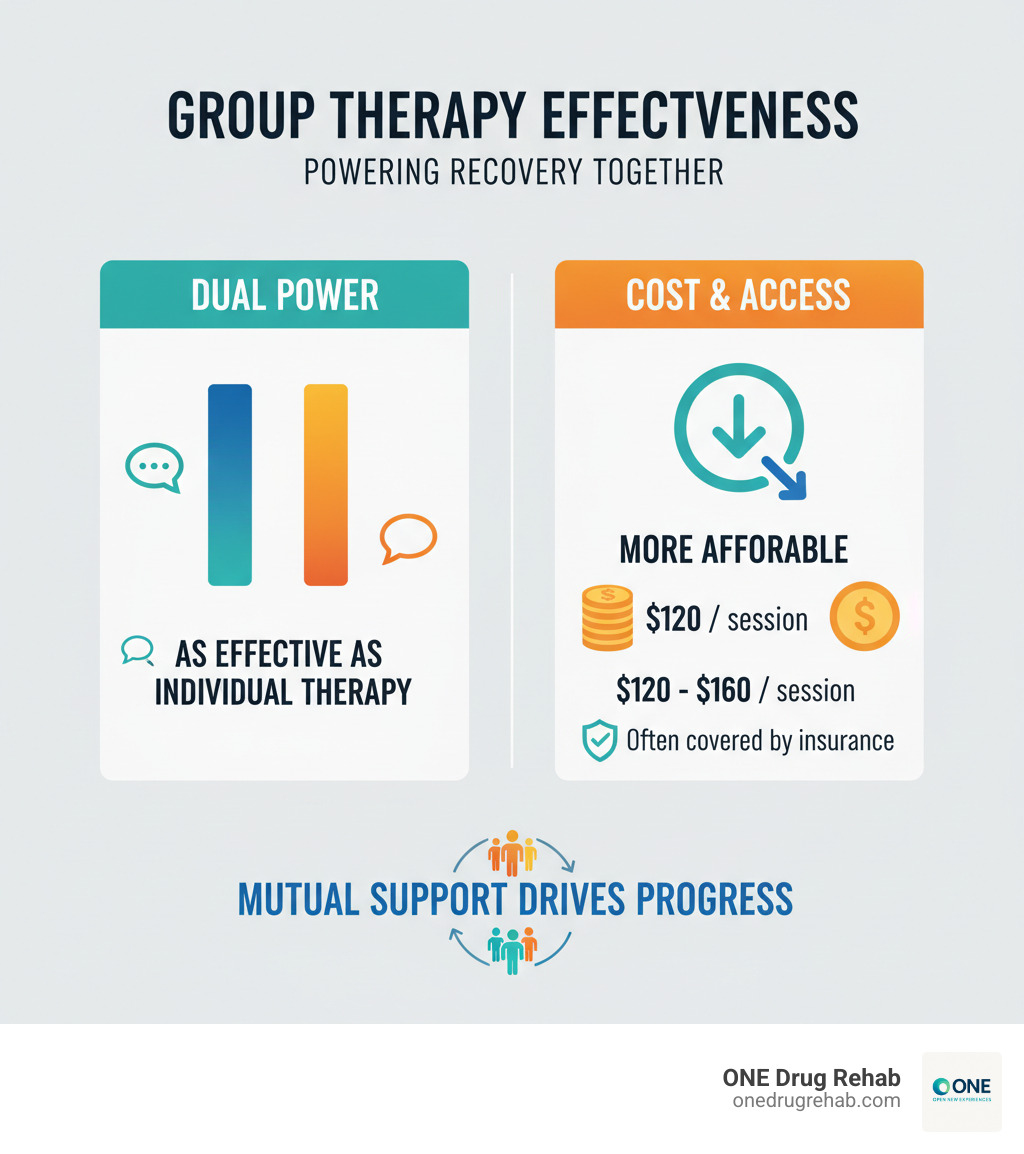
Group therapy is proven to be just as effective as individual therapy for addiction, with the added benefit of peer support. It is also more affordable, with sessions typically costing $120 to $160 per session. Thanks to the Affordable Care Act and the Mental Health Parity Act, most insurance plans cover group therapy, especially as part of outpatient programs. You can use a Rehab Cost Comparison to explore your budget, and learn more about Understanding Outpatient Rehab Programs.
Potential Disadvantages and Limitations
Group therapy has some limitations. Confidentiality concerns are common, though strict rules are in place. Social anxiety can make it intimidating to speak up at first. Other factors include less individual attention compared to one-on-one therapy and the potential for group conflicts. The group’s collective pacing can be challenging if it doesn’t match your personal needs. For some, such as those with severe antisocial behaviors, group therapy may not be the right initial fit.
Frequently Asked Questions about Group Therapy for Addiction
Starting group therapy can bring up many questions. Here are answers to some common concerns to help you feel more confident.
How do I know if group therapy is right for me?
You don’t have to be certain. Group therapy often works well if you have some readiness for sharing, need peer support, or are feeling isolated. It’s also a great step when transitioning from inpatient care. The best way to know for sure is through a consultation with a professional, who can help determine if it’s a good fit for your treatment plan.
Can I benefit from group therapy if I have social anxiety?
Yes, and it can be particularly valuable. Group therapy offers a safe, controlled environment for developing social skills. There is no pressure to speak immediately; you can start by starting by listening and observing. Gradual participation is encouraged, and your therapist will support you at your own pace. For some, individual therapy can be an excellent alternative or a stepping stone to build confidence first.
How can I prepare for my first group therapy session?
The best preparation is the right mindset. Come with open-mindedness and a willingness to listen to others’ experiences. Remember there is no pressure to share immediately—you can contribute when you feel ready. It can be helpful to reflect on your personal goals for recovery beforehand. Most importantly, trust in the rule of confidentiality that makes the group a safe space for healing.
Conclusion
Understanding what does group therapy in addiction entail reveals a powerful, community-based path to recovery. It is about genuine connection, learning from peers who understand, and growing under professional guidance. Group therapy creates a safe haven where isolation and shame are replaced by accountability and hope.
The diverse models available ensure that treatment can be custom to your specific needs, whether you’re learning basic coping skills or exploring deep-seated relational patterns. While individual therapy is also valuable, group therapy is an equally effective option that is often more affordable and covered by insurance.
While stepping into a group may feel intimidating, the power of finding your tribe often outweighs any initial fears. Recovery is most successful when it is not a lonely journey. The shared experiences create bonds and prove that you are not broken, but human.
If you are considering treatment, we encourage you to take the next step. Understanding your options is where healing begins. Explore different types of addiction treatment to see how group therapy can fit into a plan for you. At ONE Drug Rehab, we are your unbiased resource to help you steer treatment options and find your chance at lasting recovery.