

Alcohol Rehab Success Rate Ultimate Guide: How Time in Treatment Relates to Rehab Outcomes
When people compare alcohol or drug rehab programs, one question often rises to the top: “How long does treatment need to last to work?” It is a reasonable question, but there is no universal number of days that can guarantee recovery.
Time in treatment can matter. It may give a person time to stabilize, participate in therapy, practice recovery skills, address practical problems, and plan for life after a higher level of care. Yet duration is only one part of the picture. A safe starting point, the right level of care, consistent participation, and continuing support can all affect what treatment looks like and what happens next.
For individuals and families considering alcohol and drug rehab in Phoenix, the most useful question is usually not “What is the best program length?” It is: “What type of care is appropriate now, and what support may be needed as the person progresses?” This guide explains how to think about time in treatment rehab outcomes without reducing recovery to a scorecard.
For broader context on how outcome claims should be interpreted, read the Alcohol Rehab Success Rate Ultimate Guide.
What Does “Time in Treatment” Mean in Rehab Outcome Research?
“Time in treatment” may sound straightforward, but it can refer to several different things. Depending on the program, setting, or study being discussed, it could mean:
- The number of days a person remains in a residential or inpatient setting.
- The number of weeks or months they attend outpatient therapy.
- The number of individual, group, family, education, or medication-management appointments completed.
- The time spent in a full treatment pathway, such as detox followed by residential care, outpatient services, and continuing care.
- The extent to which a person remains connected to care after returning home, work, school, or family responsibilities.
That distinction matters. Someone may complete a short medically supervised detox stay because withdrawal is stabilized, then move into residential treatment or outpatient care. Another person may not need detox but may benefit from a structured outpatient schedule over a longer period. Comparing only the number of days in one setting can miss much of the actual care being provided.
Why programs and researchers track duration
Length of stay in rehab and attendance are commonly tracked because they are practical measures. Programs need to know whether people can access care, remain engaged, and transition safely when their needs change. Treatment teams also need to recognize when a person is leaving before a plan is in place, missing sessions, or struggling with barriers such as transportation, housing instability, work demands, childcare, medical needs, or ongoing exposure to substance use.
Time can create an opportunity for important work. In alcohol and drug rehab, that work may include learning about cravings, identifying triggers, practicing ways to respond to stress, discussing relationships, developing a relapse-prevention plan, coordinating medical or mental health follow-up, and arranging continuing care. These processes cannot always be compressed into a single standard timeline.
However, treatment retention in addiction recovery is not the same as recovery itself. Staying enrolled is generally different from actively participating, feeling safe enough to speak honestly, using support between sessions, and following through after a transition. Retention matters because leaving care abruptly can create risk or interrupt support, but it does not tell the whole story about a person’s health, safety, functioning, or long-term recovery.
What time in treatment cannot tell you
A program’s average duration cannot predict one individual’s outcome. Two people can spend the same amount of time in care and have very different needs, resources, stressors, and next steps. One person may require withdrawal management before therapy can be useful. Another may be medically stable but need a treatment schedule that accommodates parenting or employment. A third may need more support because returning home would place them around alcohol, drugs, violence, or other immediate risks.
Time also does not answer every question a family may have. It does not, by itself, show:
- Whether the person received a level of care appropriate for withdrawal risk and current stability.
- Whether the treatment plan addressed alcohol use, drug use, mental health concerns, trauma, physical health, or prescribed medications when relevant.
- Whether the person had a safe place to go after treatment.
- Whether family members understood how to offer support while maintaining healthy boundaries.
- Whether there was a clear follow-up plan for appointments, peer support, recovery housing, or step-down services.
For these reasons, claims about alcohol rehab success rates should be read carefully. Ask what outcome was measured, when it was measured, who was included, and what type of treatment was being evaluated. A single percentage or a fixed program length is not a personal forecast.
Does a Longer Stay in Rehab Always Lead to Better Results?
No. More time is not automatically better in every circumstance, and no program length can guarantee recovery. The goal is not simply to accumulate days. The goal is to provide enough appropriately matched, clinically guided support for the person’s current needs and to create a realistic next-step plan.
In general, a treatment plan should be reviewed over time. As withdrawal symptoms improve, cravings change, living circumstances become clearer, or a person gains stability, the recommended setting may change too. That is why it can be more helpful to think of treatment as a continuum rather than a single stay.
Is a 30-day rehab program long enough to help?
A 30-day program may be a useful starting point for some people, especially when it provides a structured environment, treatment participation, and discharge planning. But “30 days” is not a clinical guarantee, a finish line, or a complete answer to a person’s needs.
For one person, a month may provide enough time to stabilize and transition to intensive outpatient treatment near home. For another, ongoing withdrawal concerns, repeated return to use, a difficult home environment, co-occurring health needs, or a lack of safe support may point toward more time in a structured setting or a different step-down plan. For someone else, outpatient care may be appropriate from the beginning if withdrawal risk is low and daily life is stable enough to support regular attendance.
Rather than asking whether a 30-day program is “enough,” ask what the program will assess during that period and how it makes transition decisions. A responsible answer should include individual progress, safety, engagement, recovery environment, and aftercare—not a promise that a calendar date will solve everything.

When additional time may be considered
A treatment team may discuss continuing or adjusting care when a person is still facing significant barriers to a safe transition. Examples may include:
- Ongoing alcohol or drug withdrawal concerns that require medical attention.
- Difficulty maintaining safety outside a structured setting.
- A return home that would expose the person to active substance use, violence, or severe instability.
- Unresolved transportation, housing, legal, employment, or family pressures that could interfere with outpatient attendance.
- Limited ability to use coping tools or seek support when cravings, stress, or conflict arise.
- A need to coordinate ongoing medical, mental health, or medication-related care.
These are not reasons to assume someone will fail without a longer stay. They are reasons to have an honest conversation about fit and support. Care decisions should be individualized and revisited as circumstances change.
When a step-down can be a positive sign
Moving from a higher level of care to outpatient treatment is not necessarily “leaving treatment early.” It can be a planned step that allows a person to practice recovery skills in everyday life while staying connected to clinical support.
For example, a Phoenix resident may complete withdrawal management, attend a residential program, and then move into intensive outpatient treatment while living in a supportive environment. Another person may enter day treatment after a hospital or detox referral, then shift to evening outpatient sessions as they return to work. In both cases, the full pathway—not just the inpatient rehab length of stay—helps explain the treatment plan.
If you are specifically comparing residential timelines, this guide on how long inpatient rehab can last for alcohol use can help you prepare more focused questions.
Why the Right Level of Care Matters Before Counting Days
Before deciding how long treatment should last, it is important to identify the safest and most appropriate starting point. People do not all begin in the same place. Alcohol and drug use can involve different substances, patterns of use, medical concerns, withdrawal histories, living conditions, and support systems.
A qualified assessment can help identify whether someone may need medically supervised detoxification, inpatient or residential rehab, day treatment, intensive outpatient treatment, standard outpatient care, virtual outpatient support, or a planned transition between levels of care.
Alcohol withdrawal may require medically supervised detox
Alcohol withdrawal can be medically serious for some people. A person should not assume they can safely stop drinking on their own simply because they want treatment quickly. The need for detox depends on individual factors, including current use, prior withdrawal experiences, medical history, prescribed medications, and symptoms.
Detox is primarily a stabilization service; it is not the same as comprehensive rehabilitation. During medically supervised detoxification, a care team may monitor withdrawal and help determine a safe next step. Once stable, a person may need alcohol rehab, counseling, medication follow-up when clinically appropriate, or another structured form of ongoing care.
Urgent symptoms should never be managed through online research alone. If someone has severe confusion, hallucinations, seizures, chest pain, trouble breathing, repeated vomiting, loss of consciousness, signs of overdose, thoughts of self-harm, or is in immediate danger, seek emergency help right away. If there is concern about alcohol or drug withdrawal but no immediate emergency, speak with a qualified medical or addiction treatment professional promptly before attempting to stop.
Residential and inpatient care
Inpatient and residential rehab provide a structured setting away from many daily triggers and pressures. This level of care may be considered when someone needs substantial support, cannot safely manage early recovery in their current environment, has repeatedly struggled to remain abstinent outside of structure, or needs close coordination around health and behavioral needs.
Residential care may offer time and space to establish daily routines, attend therapy, participate in recovery education, and prepare for a transition. Yet even here, the right inpatient rehab length of stay depends on the person’s progress and discharge plan. A responsible recommendation should include what will happen after residential care, not simply when the stay will end.
Outpatient, intensive outpatient, and day treatment
Outpatient treatment duration can vary widely because outpatient services are delivered while the person lives at home or in another community setting. Standard outpatient care may involve scheduled counseling and support sessions. Intensive outpatient treatment generally provides a more structured schedule, while day treatment can offer a greater level of daytime clinical support without overnight residence.
These options may fit people who are medically stable, have a safe enough living situation, and can participate consistently. They can also be valuable as step-down care after detox or residential treatment. Virtual outpatient rehab may reduce access barriers for some people, though it may not be appropriate when in-person monitoring, a higher level of structure, or immediate medical attention is needed.
Families should be wary of any provider that recommends a level of care without first asking meaningful questions about safety, withdrawal history, substance use, health, mental health, current environment, and practical ability to attend.
What Makes Time in Treatment More Effective
The calendar matters less than what happens during the time a person is in care and how well the plan fits real life. Treatment is more likely to be useful when it is active, individualized, and connected to the challenges a person will face after each session or transition.
Consistent engagement
Engagement is more than physically being present. It can include attending scheduled sessions, communicating openly about cravings or return-to-use risk, asking questions, participating in individual or group work, and telling the team when something is not working. It may also mean addressing obstacles early rather than disappearing from care after a difficult week.
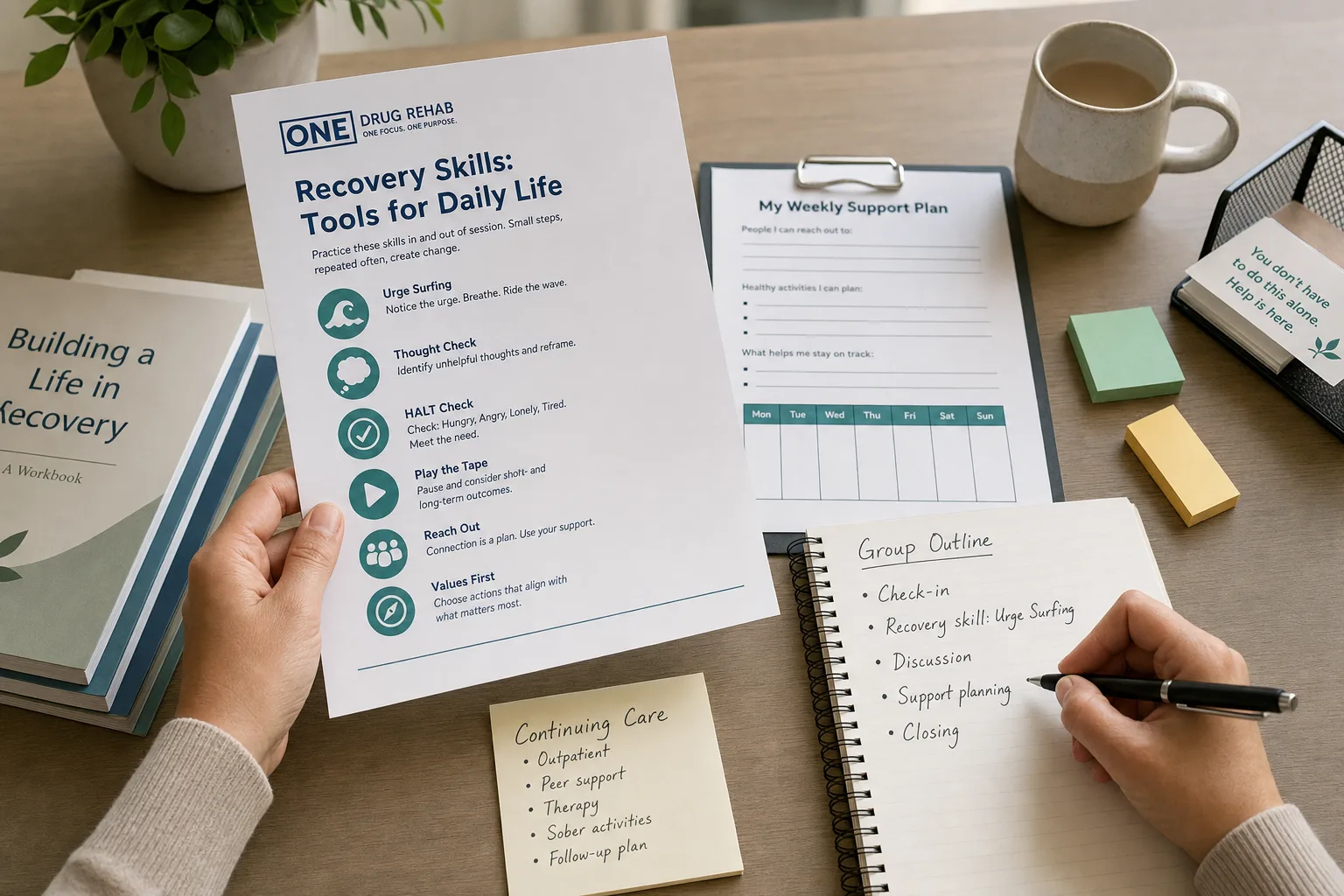
For family members, engagement can be difficult to observe from the outside. Instead of demanding proof of perfect progress, it can be more useful to ask whether the person has a current plan, knows their next appointment, has discussed barriers with the team, and understands what support is available when cravings or stress increase.
Skills that can be used outside the treatment setting
Time in rehab can help when it includes practical preparation for real situations. These may include recognizing high-risk patterns, building routines, responding to urges, managing conflict, identifying supportive people, and making a plan for difficult times of day or events where alcohol or drugs may be present.
For example, someone leaving a Phoenix residential program may need a concrete plan for the first weekend at home: where they will stay, how they will get to appointments, which supportive person they can call, how they will handle contact with people who use substances, and what they will do if cravings become intense. These details often matter more than a generic statement that treatment has been “completed.”
Attention to the whole situation
Alcohol and drug use rarely exists in a vacuum. An effective treatment plan may need to consider sleep, nutrition, physical health, grief, trauma experiences, anxiety or depression symptoms, chronic pain, family conflict, employment, financial strain, legal issues, and prescribed medications. This does not mean every person needs the same services. It means meaningful assessment should look beyond substance use alone.
People seeking care for the first time often do not know what questions they are allowed to ask. This overview of what addiction treatment includes for adults seeking help for the first time explains the types of support that may be part of a personalized plan.
Continuing care after rehab
Continuing care after rehab is a central part of planning, not an optional afterthought. A person may benefit from outpatient counseling, recovery support groups, medication follow-up, family support, peer recovery services, recovery housing, primary care, behavioral health care, or regular check-ins with a treatment provider. The appropriate combination depends on the person.
Leaving a residential program or completing an outpatient phase does not mean support is no longer needed. Recovery can involve periods of improvement, stress, setbacks, and renewed adjustment. Continued connection helps a person respond to those changes earlier and with more options.
Measures beyond abstinence alone
When comparing rehab outcomes, it is reasonable to consider whether substance use decreases or stops. But that is not the only meaningful measure. A fuller conversation may also consider:
- Whether the person is safer during withdrawal and after discharge.
- Whether overdose risk, dangerous drinking, or other immediate harms are being addressed.
- Whether they can attend work, school, medical appointments, or family responsibilities more consistently.
- Whether sleep, nutrition, mood, relationships, and daily functioning are improving.
- Whether they have a plan and support system for periods of stress or craving.
- Whether they remain connected to continuing care when it is recommended.
None of these measures should be used to shame someone who is struggling. They are practical indicators that can help a treatment team and family identify where more support may be needed.
How Detox, Residential Rehab, Outpatient Care, and Continuing Care Can Work Together
It is helpful to see addiction treatment as a pathway with possible transitions, rather than a choice between only “rehab” and “no rehab.” The path is not identical for everyone, but several common patterns can show why treatment duration cannot be judged by one number.
Example: Detox followed by structured rehabilitation
A person who has been drinking heavily and is at risk for significant alcohol withdrawal may first need medically supervised detoxification. Once withdrawal is stabilized, the next question is not necessarily whether detox “worked.” The next question is what ongoing setting can best support recovery.
Depending on the assessment, that person might move into residential rehab for a period of structured care, then transition to intensive outpatient treatment and continuing care. The total time in treatment may span multiple settings, each with a different purpose.
Example: Starting with outpatient treatment
Another person may be medically stable, not at substantial withdrawal risk, and able to live in a supportive environment. They may start with outpatient rehab or intensive outpatient treatment, attending several sessions each week while maintaining responsibilities at home or work.
The team may later recommend more support if attendance becomes difficult, use escalates, safety changes, or the home environment becomes less stable. Conversely, the person may gradually step down to fewer appointments as they build a stronger routine. This is a treatment adjustment, not a pass-or-fail judgment.
Example: Returning to care after a setback
A return to alcohol or drug use after treatment does not erase the work a person has done, nor does it automatically mean the prior program was ineffective. It is a signal to reassess safety, triggers, treatment fit, and the current level of support.
For some people, the appropriate next step may be a rapid return to outpatient sessions. For others, detox or a higher level of care may be needed, especially if withdrawal risk or immediate safety concerns are present. A practical plan focuses on what is needed now, not on blame.

What a thoughtful care transition includes
Before moving between levels of care, a person and family can ask about the transition in concrete terms. Helpful planning may address:
- The reason for the recommended step-down, step-up, or referral.
- Who will provide the next level of support and when the first appointment will occur.
- Whether medications, medical records, and treatment information can be coordinated appropriately.
- Transportation, virtual access, work schedules, and childcare needs.
- Where the person will live and whether that setting supports recovery.
- What to do if withdrawal symptoms, cravings, overdose concerns, or a return to use occur.
- How supportive family members can participate, where appropriate and with consent.
For Phoenix-area readers, Alcohol Rehab Phoenix offers additional information about considering local alcohol treatment options and the questions to bring to an initial conversation.
Questions to Ask When Comparing Rehab Program Lengths
Program length is a valid question, but it should lead to a deeper discussion. A provider should be able to explain its recommendation in clear language, without pressure or vague promises. Consider asking the following.
Questions about safety and placement
- How do you assess whether medically supervised detox is needed before rehab begins?
- What withdrawal symptoms or medical concerns would change the recommended starting level of care?
- How do you decide between residential, day treatment, intensive outpatient, outpatient, and virtual services?
- What happens if the recommended level of care no longer fits after treatment begins?
Questions about duration and review
- What factors are considered when recommending this length of stay in rehab?
- How often will the treatment plan be reviewed?
- How will progress, safety, engagement, and barriers to attendance be discussed?
- Is there flexibility to adjust the plan if the person needs more structure or can safely step down?
- What would indicate that outpatient treatment duration should be extended or changed?
Questions about treatment content
- What does a typical week of treatment involve?
- How are individual needs, family concerns, medical issues, and behavioral health needs addressed?
- What support is available for cravings, stress, relationships, and returning to daily responsibilities?
- How does the program help participants make a continuing-care plan before discharge or transition?
Questions about life after the program
- What follow-up care is recommended after this level of treatment?
- Will appointments or referrals be arranged before the person leaves?
- What options are available if transportation, work, or childcare make in-person attendance difficult?
- What should the family do if the person appears unsafe, starts drinking or using again, or stops attending?
Families should also pay attention to how a program responds to questions. Clear explanations, realistic expectations, and a willingness to discuss alternatives are generally more useful than a hard sell around a preset number of days.
Frequently Asked Questions About Time in Treatment and Rehab Outcomes
How long should someone stay in rehab for alcohol or drug use?
The appropriate duration depends on the person’s withdrawal risk, substance use pattern, medical and behavioral health needs, recovery environment, treatment engagement, and available support after each transition. Some people begin with detox and move through several levels of care. Others start in outpatient treatment. A qualified assessment can help determine the safest and most appropriate current level of care, then revisit the plan as needs change.
Is a 30-day rehab program long enough to help?
It can be a helpful starting point for some people, but it cannot guarantee recovery or serve as a universal endpoint. The most important questions are whether the person receives appropriate treatment during that time, whether their safety and progress are reviewed, and whether a realistic continuing-care plan is in place afterward.
Why do some people need detox or residential treatment before outpatient rehab?
Some people may need medically supervised detox because alcohol or certain drugs can cause withdrawal that requires medical monitoring. Others may need residential treatment because their current living situation, safety concerns, repeated return to use, or health needs make outpatient care difficult to manage initially. Detox and residential care can provide structure, but they are usually part of a larger care plan rather than the entire recovery process.
What matters besides length of stay when comparing rehab outcomes?
Important factors include treatment fit, safety, participation, the quality of the care transition, access to follow-up services, housing and family environment, medical and mental health coordination, and the person’s ability to use support in daily life. Treatment retention in addiction recovery is meaningful, but it is only one measure. Safety, functioning, and connection to continuing care also matter.
How can a family tell whether a program’s recommended length of treatment is appropriate?
Ask the provider to explain the recommendation in relation to the person’s current needs rather than a standard package. A thoughtful explanation should address withdrawal risk, level of supervision, living environment, progress, barriers to participation, and the next level of care. Families can also ask how often the plan will be reassessed and what supports will be arranged before a transition.
What if someone wants to leave treatment early?
The safest response is to encourage a conversation with the treatment team before a decision is made. The person may be experiencing discomfort, conflict, fear about responsibilities at home, financial concerns, or uncertainty about the program. Those concerns deserve to be heard. The team can discuss risks, alternatives, a possible step-down plan, and immediate safety needs. If a person is in danger, experiencing severe withdrawal symptoms, or has an overdose concern, urgent medical help is more important than negotiating a treatment timeline.
When to Get Help Choosing the Next Step
You do not need to know the “right” rehab duration before asking for help. If alcohol or drug use is affecting safety, health, relationships, work, housing, or the ability to manage daily life, an assessment can clarify the options. This is especially important when someone has had prior withdrawal symptoms, uses multiple substances, takes prescription medication, has recently returned to use, or does not have a stable place to recover.
For a family member, it can help to gather basic information before speaking with a treatment provider: the substances involved, how recently the person used, any known withdrawal history, medical concerns, current medications, immediate safety issues, insurance or payment questions, and practical limits such as travel or work. You do not need every detail to begin the conversation, and the person seeking care should be treated with dignity and privacy.
It is also okay to say, “We are not sure what level of care fits.” In fact, that is often the most honest and useful place to start. A safe recommendation should come after asking the right questions—not after choosing a fixed number of days from a website menu.
Choose a Treatment Path, Not Just a Program Length
Time in treatment can support better rehab outcomes when it gives someone the opportunity to stabilize, engage in care, develop practical recovery tools, and move into continuing support. But duration alone cannot predict recovery, and no alcohol rehab program can promise a particular result.
For people in Phoenix and families helping from a distance, the better comparison is between treatment pathways: whether detox may be needed, whether residential or outpatient care fits current safety needs, how progress will be reviewed, and what support will continue after a transition.
If you are unsure whether detox, residential care, outpatient treatment, or a care transition fits your situation, ask the One Drug Rehab admissions team for a practical level-of-care recommendation based on the person’s immediate needs, safety concerns, and next-step options.