

Why Understanding Youth Recovery Programs is Critical for Parents Today
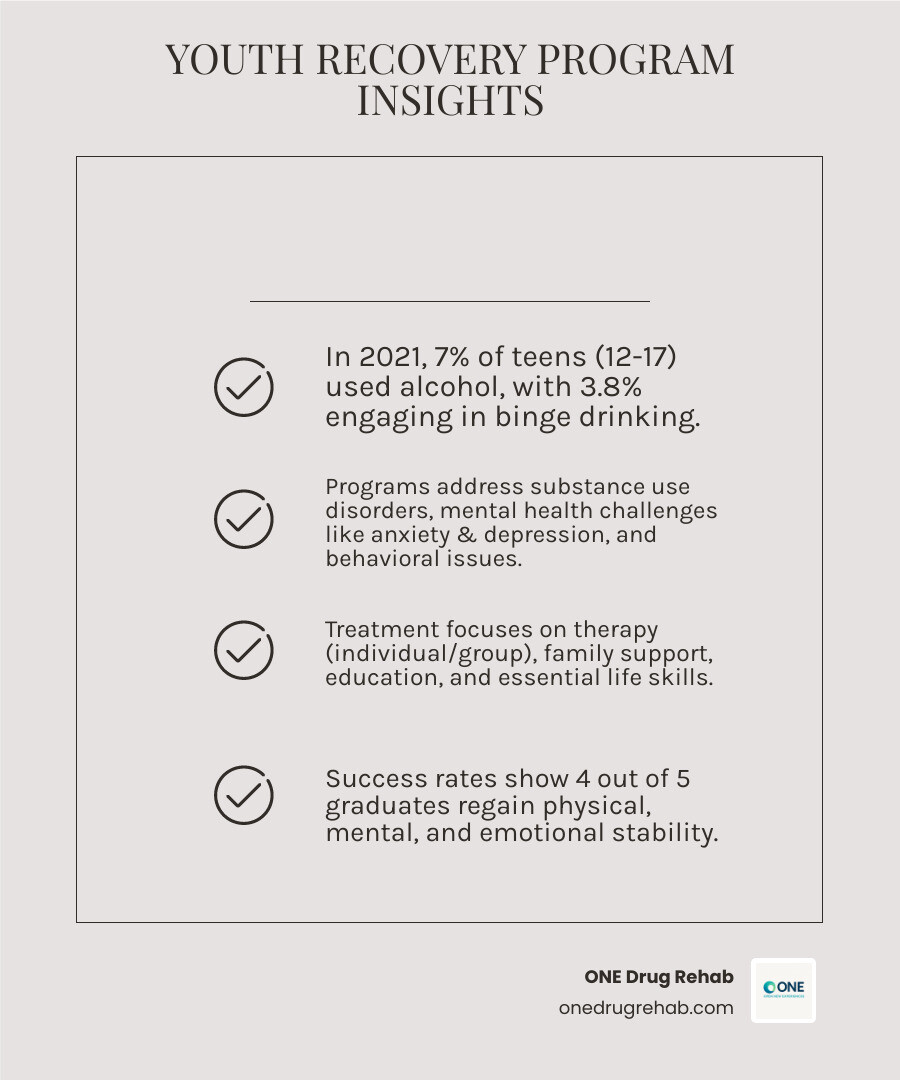
A youth recovery program is a specialized service designed to help adolescents (typically ages 12-25) overcome substance use, addictive behaviors, and mental health challenges. Using evidence-based therapies, family involvement, and structured support, these programs help young people reclaim their futures. They range from 30-day sessions to year-long residential stays, with studies showing four out of five graduates regaining stability.
If you’re a parent watching your teenager struggle, you’re not alone. In 2021, 1.8 million young people aged 12-17 used alcohol in the past month. Behind each statistic is a family facing difficult questions about whether their child’s behavior is experimentation or something more serious.
As one parent shared about their experience with Pine River Institute: “Pine River gave our family everything we needed to heal and more importantly, gave us back our son.”
Today’s youth recovery programs are not just scaled-down adult treatments. They are sophisticated systems that address the unique challenges adolescents face, from peer pressure and social media to co-occurring mental health issues like depression and anxiety.
This guide will help you recognize when your teen needs help, understand what programs offer, and learn how to support your child’s recovery. It provides the knowledge you need to make informed decisions for your family.
Recognizing the Need: When to Consider a Youth Recovery Program
It can be hard to distinguish typical adolescent boundary-pushing from signs of a deeper struggle. Recognizing warning signs early is the first step toward getting your child help. Look for a cluster of changes rather than a single incident to determine if your teen might need a youth recovery program.

Here are some common warning signs:
-
Behavioral and Social Changes:
- Sudden change in friends or social circles.
- Withdrawal from family, increased secrecy, or lying.
- Loss of interest in hobbies, sports, or school.
- Extreme mood swings, irritability, or lethargy.
- Neglecting personal hygiene or appearance.
- Possession of drugs or paraphernalia.
-
Academic Decline:
- A noticeable drop in grades or school attendance.
- Difficulty concentrating in class or on assignments.
-
Physical Signs:
- Unexplained changes in appetite or weight.
- Bloodshot eyes, dilated pupils, or other physical indicators of substance use.
Adolescents may misuse substances like alcohol, marijuana, and opioids. Despite its legality in some places, marijuana can lead to dependence, and the use of heroin and other opioids presents significant risks for teens.
If you observe several of these signs, it’s crucial to seek professional guidance. Early intervention is key to supporting your child’s recovery.
What is a Youth Recovery Program? A Deep Dive
A youth recovery program is custom to the unique developmental and social pressures young people face. These programs address a range of issues, including substance use disorders, process addictions like video gaming, and co-occurring mental health conditions such as depression, anxiety, and trauma. Most programs serve youth from 12 to 25 years old, aiming to help them achieve sobriety, improve well-being, develop life skills, and heal family relationships.
Types of Youth Recovery Programs
The right program depends on the severity of the substance use, mental health needs, and the level of support required. Common types include:
-
Residential Treatment Programs: These are live-in programs offering 24/7 supervision and a highly structured environment away from triggers. Stays can range from a few weeks to several months, providing intensive therapy and stabilization. Examples include programs at Pine River Institute and Hull Services.
-
Outpatient Treatment Programs: Youth live at home while attending scheduled therapy sessions. This option is suitable for those with a stable home environment.
- Intensive Outpatient (IOP) and Partial Hospitalization (PHP): These offer structured therapy for several hours a day, multiple days a week, with PHP being the more intensive option.
- Community-based services: These programs, like those from Alternatives for Youth, engage youth and families within their own communities.
-
Specialized Programs: Many programs have a specific focus:
Understanding these types helps parents find a program that aligns with their child’s needs.
Inside a Youth Recovery Program: Therapy, Education, and Core Components
A comprehensive youth recovery program goes beyond stopping drug use; it equips young people with tools for a healthier life using evidence-based methods and holistic support.
Therapeutic Approaches and Methodologies
Effective programs use therapies custom to the adolescent brain. Common approaches include:
- Individual and Group Therapy: Private sessions provide a safe space for personal issues, while group therapy with peers reduces isolation.
- Cognitive Behavioral Therapy (CBT): Helps youth change negative thought patterns and behaviors linked to substance use.
- The Adolescent Community Reinforcement Approach (A-CRA): A cognitive treatment for ages 12-24 that uses positive reinforcement to support recovery. It teaches skills like problem-solving and communication to cope with stressors. Learn more about The Adolescent Community Reinforcement Approach.
- Skill-building: Focuses on practical skills like emotional regulation, communication, and refusal techniques.
- Holistic and Experiential Therapies: Many programs include outdoor/wilderness therapy, recreation, and expressive arts to support overall well-being.
Addressing Co-Occurring Mental Health Disorders
Substance use in youth rarely exists in isolation. Mental health challenges like depression and anxiety are common, making integrated treatment for a dual diagnosis essential. Programs address this through:
- Integrated Treatment: Addressing substance use and mental health simultaneously for better outcomes.
- Comprehensive Assessment: Thorough evaluations upon admission identify conditions like depression, anxiety, ADHD, or trauma.
- Psychiatric Support: Access to psychiatrists for diagnosis, care, and medication management.
- Targeted Therapies: Using techniques like trauma-informed care or dialectical behavior therapy (DBT) for specific mental health concerns.
The Crucial Role of Family Involvement
Addiction impacts the entire family, making parental involvement crucial for success. As one parent stated, “Pine River gave our family everything we needed to heal and more importantly, gave us back our son.”
Family involvement includes:
- Family Therapy: Sessions to improve communication, rebuild trust, and heal relationships.
- Parent Education Programs (PEP): Educating parents on addiction and recovery improves youth treatment outcomes.
- Skills Training: Teaching families healthier ways to communicate and set boundaries essential for a supportive home environment.
Education and Life Skills for a Successful Future
Modern programs integrate education and life skills to ensure recovery doesn’t hinder a teen’s future. Key components include:
- Accredited Education: Many residential programs offer on-site, accredited schooling to keep youth on track academically. For example, Alberta Health Services provides schooling delivered by a certified teacher.
- Academic Support: Tutoring and guidance help youth catch up on missed work or prepare for a GED.
- Life Skills Training: Programs teach essential skills for independence, including:
- Emotional regulation and relapse prevention.
- Problem-solving and conflict resolution.
- Healthy habits related to nutrition and physical activity.
- Vocational training and job-finding skills for older adolescents.
Finding and Choosing the Right Program
Navigating the options for a youth recovery program can feel overwhelming. This section provides a roadmap for making an informed choice.
How to Find a Youth Recovery Program
Finding the right program involves research, referrals, and direct contact. Here are some places to start:
- Healthcare Professionals: Your child’s pediatrician, doctor, or school counselor can provide referrals.
- Online Directories and Resources: Websites like ours, ONEDrugRehab.com, offer information on rehab facilities. Government resources, like Texas’s Find State Funded Substance Use Programs in Texas, can also help.
- Government Agencies and Helplines: The Substance Abuse and Mental Health Services Administration offers a national helpline (800-662-HELP) and online treatment locators.
- Local Mental Health Authorities: These agencies can assess needs and provide local referrals.
The Importance of Accreditation and Licensing
Accreditation and licensing are critical indicators of a program’s quality and safety. All facilities must be licensed by a state or provincial health authority. Accreditation by an independent body like the Canadian Centre for Accreditation (CCA) or Accreditation Canada signifies a higher commitment to best practices. These credentials ensure the program meets quality standards, prioritizes patient safety, and follows ethical guidelines. Always verify a program’s status.
Understanding Costs and Financial Assistance
Costs for a youth recovery program vary, but financial help is often available. Explore these options:
- Insurance Coverage: Many private health insurance plans cover substance use treatment. Contact your provider to understand your benefits.
- Publicly-Funded Facilities: State-funded programs are a more affordable option, though they may have waitlists.
- Scholarships and Grants: Some non-profits and treatment centers offer financial awards.
- Financing Options: Many centers offer payment plans or connect families with third-party financing.
Don’t let cost be a barrier. Discuss all financial options with admissions staff.
Key Questions to Ask Admissions
To find the best fit, prepare a list of questions for the admissions team. Here are some essential ones:
- What specific therapies do you use (e.g., CBT, A-CRA, family therapy)?
- What is the typical program duration, and is it flexible?
- What are the qualifications and staff-to-client ratio of your clinical team?
- How is family involved in the treatment process?
- How do you address co-occurring mental health disorders?
- Do you offer academic support or on-site schooling?
- What life skills and relapse prevention training do you provide?
- What does your aftercare planning and support include?
- What is your program’s accreditation and licensing status?
- What are the full costs, and what financial assistance is available?
- Can we visit the facility and meet the staff?
Life After the Program: Ensuring Long-Term Success
Completing a youth recovery program is a major achievement, but recovery is an ongoing journey. The period after treatment is critical, and aftercare is essential for long-term success.
Aftercare and Continuing Support
Effective aftercare helps youth transition back to daily life and prevent relapse. Key components include:
- Transition Support: Assistance with re-integrating into school and social life.
- Step-Down Programs: Moving from residential care to less intensive options like an Intensive Outpatient Program (IOP).
- Sober Living Homes: Structured, drug-free environments that offer accountability.
- Peer and Alumni Support: Networks like those at Last Door and Odyssey House provide encouragement and a sense of community.
- Ongoing Therapy: Continued individual, group, and family counseling to address new challenges.
- Community Groups: Participation in 12-step programs (AA, NA) or SMART Recovery.
Success Rates and Long-Term Outcomes for a youth recovery program
Parents understandably want to know about a program’s effectiveness. Success is more than just abstinence; it includes improved well-being, re-engagement with school and family, and the development of life skills. Encouragingly, research from programs like Pine River Institute shows that “Four out of five graduates regain physical, mental, and emotional stability.”
Programs also aim to build “Recovery Capital”—the personal and social resources an individual can use to maintain recovery. It’s also important to consider program length, as research suggests that treatment lasting 90 days or more generally leads to better outcomes. A successful youth recovery program equips young people with the resilience and support systems needed to thrive long-term.
Frequently Asked Questions about Youth Recovery Programs
Here are answers to some of the most common questions parents have when exploring a youth recovery program.
How long do youth recovery programs typically last?
The duration of a youth recovery program varies based on individual needs. Programs can be short-term (around 30 days), mid-term (90 days), or long-term (up to a year or more). Research suggests that programs lasting 90 days or longer often have better outcomes, as this allows for more in-depth therapeutic work. The ideal length should be determined with the program’s clinical staff.
Can my child be forced to go to a youth recovery program?
This depends on the child’s age, the severity of the situation, and local laws. While voluntary participation with parental consent is ideal and leads to better engagement, legal intervention is possible in high-risk situations. Court-ordered programs, such as the Protection of Children Abusing Drugs (PChAD) program at Hull Services, exist for youth who are a danger to themselves or others. A structured family intervention can also be a powerful tool to encourage a resistant teen to accept help.
Will treatment affect my child’s school and college applications?
This is a valid concern, but reputable programs are designed to protect a child’s future. Confidentiality laws like HIPAA (and PHIPA in Canada) protect health information from being shared without consent. Many programs offer accredited on-site schooling to prevent academic gaps. Furthermore, colleges often view completing a recovery program as a sign of maturity and resilience. Prioritizing your child’s health is an investment in their long-term academic and personal future.
Conclusion
Helping a teenager who is struggling with substance use or mental health is a profound challenge. This guide has provided a roadmap for understanding and choosing a youth recovery program, from recognizing warning signs to planning for aftercare. We’ve highlighted the integrated approaches that combine therapy, education, and family involvement to foster lasting change.
Remember the encouraging statistic that four out of five graduates regain stability. Recovery is possible, and with the right support, your child can reclaim their future. As you consider your options, ONEDrugRehab.com is here as a trusted resource to help you research treatment options without bias.
Empower yourself with knowledge and take the next step for your child’s well-being.
Explore youth recovery programs and specialized options for teens