

Why Choosing the Right Youth Recovery Program Matters
Youth recovery programs are specialized treatment services designed to help teenagers and young adults overcome substance use disorders and related mental health challenges. These programs range from medical detox and residential treatment to outpatient care and aftercare services.
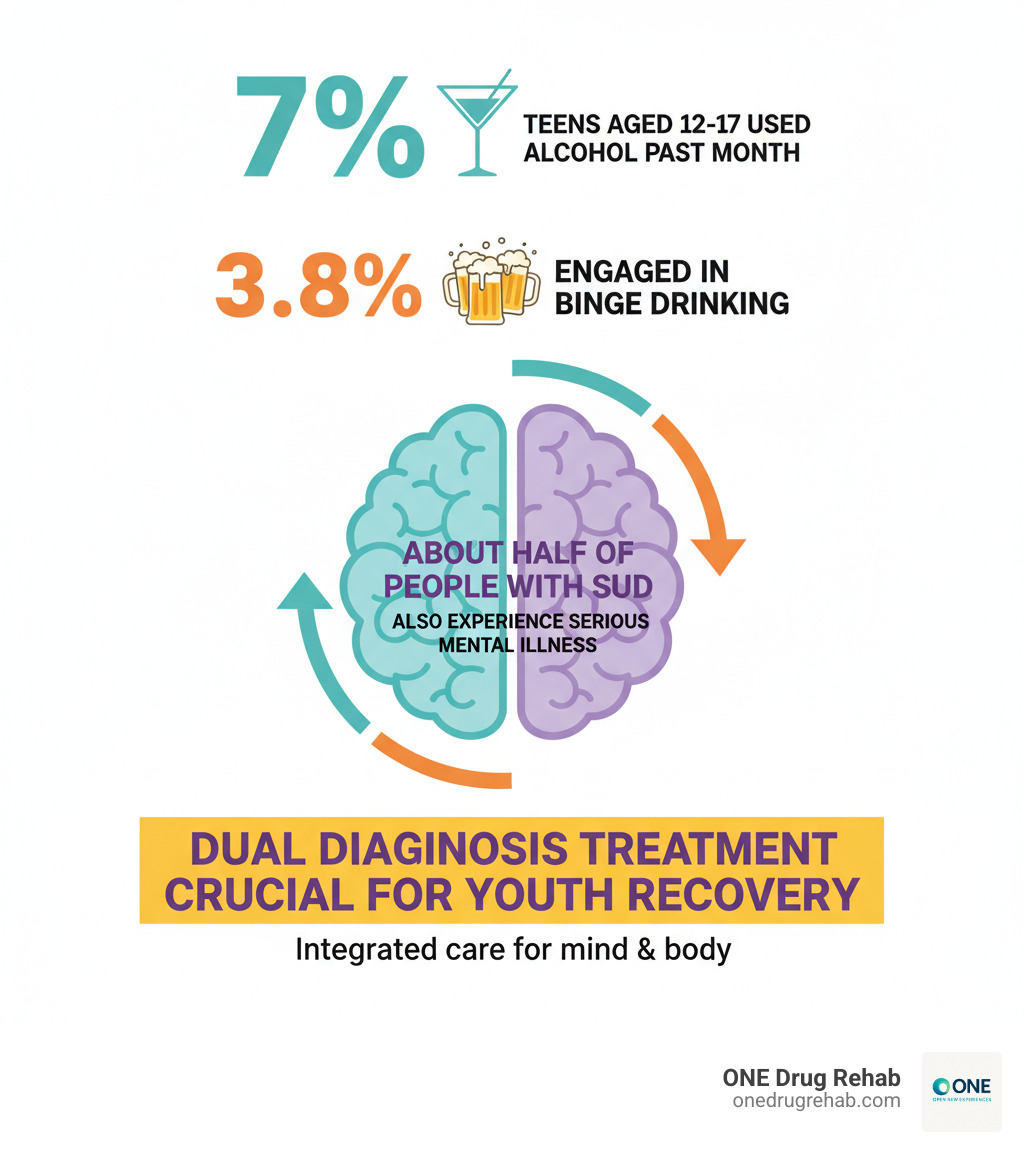
The stakes are high. In 2021, 1.8 million young people aged 12 to 17 used alcohol in the past month, and adolescents with substance use issues frequently struggle with co-occurring mental health disorders like depression and anxiety.
Here’s the challenge: not all recovery programs are created equal. Adult treatment approaches often fail teenagers, who have unique developmental needs, face different peer pressures, and require specialized care that addresses their brain development and family dynamics.
Choosing the wrong program can mean wasted time, money, and a missed opportunity for recovery. The right program, however, can set your teen on a path toward a healthy future.
This guide will walk you through five critical questions to ask before choosing a youth recovery program. These questions will help you identify programs that offer evidence-based treatment, address co-occurring mental health conditions, and provide the specialized support young people need.
1. What Types of Youth Recovery Programs and Levels of Care Are Available?
Addiction is a chronic disease, and like other chronic conditions, it requires different levels of care depending on its severity. Youth recovery programs are structured to meet young people where they are in their journey.
The American Society of Addiction Medicine (ASAM) has developed criteria to match each person with the right level of care based on their unique situation. A quality youth recovery program should offer multiple levels of care or have clear pathways to transition between them, allowing a teen to step up or step down in intensity as needed.

Medical Detoxification: The First Step
For teens with a physical dependence on substances, medical detoxification is often the first step. Detox provides safe withdrawal from drugs or alcohol under 24-hour medical supervision, typically lasting five to seven days. Withdrawal from substances like alcohol, benzodiazepines, or opioids can be dangerous, making a supervised setting critical.
During detox, medical professionals monitor vital signs and may provide medications to ease withdrawal symptoms. Good programs also offer emotional support and begin preparing your teen for the treatment journey ahead. Detox clears the way for your teen to fully engage with therapy and counseling.
Learn more about youth detox services at ONE Drug Rehab.
Residential Addiction Treatment
Residential (or inpatient) treatment offers the most intensive level of care. The teen lives at the facility full-time, receiving 24/7 support in a structured, therapeutic environment. This is ideal when substance use is severe, mental health concerns are significant, or the home environment is a source of triggers.
These programs provide at least 40 hours of counseling and structured activities each week, filling the day with therapy, group activities, and healthy recreation. A key benefit is the removal from triggers and the development of peer support from others facing similar struggles.
While some programs last 30 or 60 days, research shows that programs of 90 days or longer produce better long-term outcomes for teenagers, allowing new healthy habits to take root.
Explore adolescent residential options.
Outpatient Addiction Treatment
Outpatient youth recovery programs provide therapeutic support while the teen lives at home. This option works well for young people with a stable home environment and is a common step-down from residential treatment. It allows teens to practice recovery skills in real-world situations.
Most programs include individual counseling, group therapy, and family counseling. Outpatient care comes in different intensities:
- Partial Hospitalization Programs (PHPs) are the most intensive, meeting several hours a day, five days a week.
- Intensive Outpatient Programs (IOPs) typically meet for 9 to 20 hours weekly, often in the evenings.
- Standard outpatient therapy involves weekly or bi-weekly sessions for ongoing maintenance.
The key is to match the intensity to your teen’s needs, ensuring continuous support as they progress in their recovery.
Find youth outpatient services.
2. Does the Program Treat Co-Occurring Mental Health Conditions (Dual Diagnosis)?
When a teenager struggles with substance use, there’s often an underlying mental health issue. Dual diagnosis is the term for having both a substance use disorder and a mental health condition, such as anxiety, depression, ADHD, or trauma. This is incredibly common, as about half of people with a substance use disorder also have a serious mental illness.
Teens may use substances to self-medicate emotional pain—using alcohol to ease social anxiety or marijuana to numb trauma. These conditions feed off each other, creating a cycle that’s difficult to break. This is why asking about dual diagnosis treatment is essential. Treating only the substance use without addressing the underlying mental health condition is like bailing water out of a boat without plugging the leak.

Find dual diagnosis treatment at ONE Drug Rehab.
Why Integrated Treatment is Crucial for Youth
Integrated treatment means tackling both the substance use and the mental health disorder together. For teenagers, this is necessary because the two issues are deeply intertwined. This approach gets to the root causes of substance use, teaching teens to manage anxiety or cope with depression in healthy ways. Young people who receive integrated treatment have significantly better long-term recovery rates.
Quality integrated programs employ specialized staff, including psychiatrists and therapists trained in both addiction and adolescent mental health. This team approach ensures your child receives comprehensive care.
Learn more about integrated care.
Questions to Ask About Dual Diagnosis Care
When evaluating a youth recovery program, ask pointed questions about their dual diagnosis capabilities. A reputable program will be transparent.
- Staff Qualifications: Are therapists, counselors, and psychiatrists licensed and trained to treat both substance use and mental health conditions in adolescents?
- Therapeutic Methods: Which evidence-based therapies (like CBT or DBT) do they use, and how are they adapted for dual diagnosis patients?
- Medication Management: Do they have psychiatrists on staff to prescribe and monitor medications? How is this managed during treatment?
- Family Involvement: How are parents and siblings included in the treatment process to address both the addiction and mental health components?
- Success Rates: How do they measure success for dual diagnosis patients?
These questions will help you find a program that sees your teen as a whole person, not a collection of separate problems.
3. What Is the Program’s Specific Approach to Treating Youth?
How a program works with young people is a critical question. Teenagers aren’t small adults; their developing brains, emotional volatility, and susceptibility to peer pressure require a specialized approach. The best youth recovery programs use evidence-based therapies proven to help adolescents and understand the full range of challenges they face, including behavioral addictions like video game addiction.
See youth-focused recovery programs.
Key Components of Effective Youth Recovery Programs
An effective program should include these core elements:
- Individual Therapy: Using approaches like Cognitive Behavioral Therapy (CBT) to change negative thought patterns and Dialectical Behavior Therapy (DBT) to teach emotional regulation and distress tolerance.
- Group Therapy: Providing a safe space for teens to share experiences, practice new skills, and receive peer support, combating the isolation of addiction.
- Family Therapy: Healing the entire family system by improving communication, resolving conflicts, and giving parents strategies to support their child’s recovery.
- Academic Support: Integrating on-site teachers or tutors to ensure recovery doesn’t derail education.
- Life Skills Training: Teaching practical abilities like budgeting, job searching, and building healthy relationships.
- Relapse Prevention: Equipping teens with a roadmap to identify triggers, cope with cravings, and steer high-risk situations.
Specialized Services for Diverse Needs
The best youth recovery programs recognize that not every teen needs the same support and offer services custom to different identities and experiences.

- Gender-specific programs can create a more comfortable environment for teens to open up about gender-related issues.
- LGBTQ+ affirming care is lifesaving for youth who face higher rates of mental health and substance use challenges. Look for programs with trained staff who create genuinely safe spaces.
- Trauma-informed care integrates an understanding of trauma into every aspect of treatment, focusing on safety, trust, and empowerment.
- Programs for justice-involved youth offer specialized case management and recovery support to help teens steer the legal system.
- Cultural components, such as integrating traditional practices and Elder guidance, can improve engagement and outcomes for Indigenous youth or those from other specific cultural backgrounds.
When a program aligns with your child’s identity, recovery becomes more accessible and sustainable.
Learn about specialized youth services.
4. What Are the Admission and Aftercare Processes?
The practical side of getting help—admission and aftercare—is just as important as the treatment itself. The journey to recovery extends beyond the treatment center’s doors.
The admission process starts with an initial assessment to evaluate your teen’s needs and determine the appropriate level of care. This is followed by the intake process, where a coordinator helps with administrative tasks like insurance verification and pre-authorization. Throughout this process, the focus should be on creating a long-term recovery plan.
If your teen is in immediate crisis, confidential support is available 24/7. Get immediate, confidential support.
Getting Your Teen into Rehab
Knowing when it’s time for rehab can be overwhelming. Key signs of substance use include:
- Behavioral changes: Moodiness, withdrawal, or increased secrecy.
- Academic decline: Falling grades or skipping classes.
- New friend groups that encourage risky behavior.
- Changes in appearance or hygiene.
- Lying or finding drug paraphernalia.
If you suspect a problem, seek professional advice from a pediatrician, school counselor, or addiction specialist. They can help you assess the situation and recommend next steps. Intervention options range from a family conversation to a professionally facilitated meeting. Starting the conversation with love and concern, not anger, is the most important first step. You don’t need all the answers, just a commitment to getting them help.
Planning for Aftercare and Relapse Prevention
Completing a treatment program is the beginning of the recovery journey, not the end. A solid aftercare plan is crucial to prevent relapse as your teen returns to their regular environment.
Effective aftercare strategies include:
- Sober living homes: Structured, substance-free environments that bridge the gap between treatment and home.
- Step-down to outpatient care: Transitioning to an Intensive Outpatient Program (IOP) or weekly therapy to maintain support.
- Support groups: Groups like AA, NA, or SMART Recovery provide ongoing community and accountability.
- Continued family therapy: Helping the family steer the new dynamics of recovery and maintain healthy communication.
- Building a sober social network: Encouraging friendships that support recovery.
The best aftercare plans are developed before your teen leaves primary treatment, ensuring a seamless transition with no gaps in support.
Frequently Asked Questions about Youth Recovery Programs
We understand how overwhelming it can feel when you’re trying to help your teen. Here are answers to some of the most common questions from parents and guardians.
How do I know if my teen needs a recovery program?
Trust your instincts. If something feels off, it probably is. Specific warning signs include sudden behavioral changes like moodiness or secrecy, a noticeable drop in grades, new friends who encourage risky behavior, a decline in personal hygiene, or finding drug paraphernalia. If you notice several of these signs, it’s time to consult a professional, such as your teen’s pediatrician, a school counselor, or an addiction specialist for an accurate assessment. Early intervention is key.
How long does a youth recovery program last?
The length of a youth recovery program varies based on the severity of the substance use and any co-occurring mental health conditions.
- Detox is typically the shortest phase, lasting 5-7 days.
- Residential treatment can be 30, 60, or 90+ days. Research shows that for teens, programs of 90 days or longer have better long-term outcomes, as this allows more time to build new coping skills.
- Outpatient programs are flexible and can continue for several months, with the intensity adjusting as your teen progresses.
The goal is to provide support for as long as it takes to build a solid foundation for recovery.
How can we pay for teen rehab?
Cost is a real concern, but you have options.
- Insurance Coverage: Many private and public (Medicaid) health insurance plans cover substance use treatment. Contact your provider to understand your specific coverage.
- Publicly-Funded Programs: State and local governments often fund youth recovery programs for families who meet certain eligibility requirements. These may have waiting lists but are a vital low-cost option.
- Private Pay and Financing: If paying privately, ask the treatment center about payment plans or financing options. Healthcare-specific loans are also available.
- Scholarships or Grants: Many non-profit and even some private facilities offer financial assistance. Always ask an admissions coordinator about these possibilities.
Don’t let financial concerns stop you from seeking help. Resources are available, and your child’s recovery is worth exploring every option.
Conclusion
If you’ve made it this far, you’ve taken the most important step: seeking help for your child. Choosing the right youth recovery program can feel overwhelming, but you are now equipped to find a program that truly fits your child’s needs.
Remember to ask about the levels of care, dual diagnosis treatment, youth-specific approaches, and the admission and aftercare processes. These are the building blocks of effective treatment and lasting change.
Recovery is a journey with good days and challenging ones. What matters is having the right support system in place. We believe deeply in the resilience of teenagers and their capacity for growth when given the right tools.
At ONEDrugRehab.com, we’re here as a resource. We don’t endorse specific providers, but our directory exists to help you explore options and make informed decisions for your family. There is hope. Recovery is possible, and young people reclaim their futures every day.
Take a deep breath, trust your instincts, and remember that seeking help is an act of profound love.
Explore specialized youth recovery programs in our directory, and take that next step toward a brighter future for your child and your family.