

Understanding Your Path to Recovery from Alcohol Addiction
Alcohol addiction rehab offers a path to recovery for millions of Americans struggling with alcohol use disorder. While navigating treatment options can feel complex, recovery is achievable with the right support.
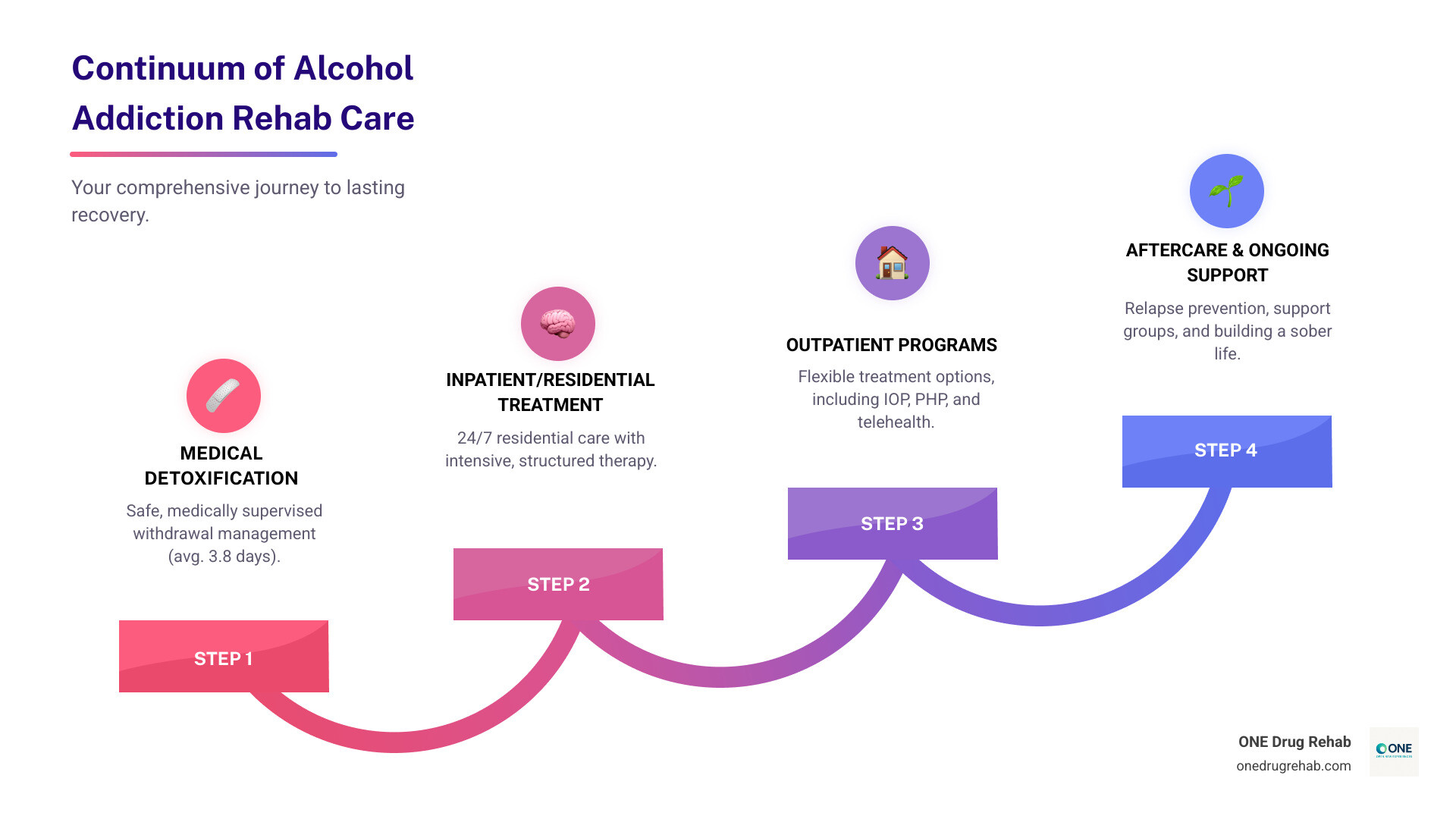
Key alcohol addiction rehab options include:
- Medical detox: Supervised withdrawal management (average 3.8 days).
- Inpatient rehab: 24/7 residential care with intensive therapy.
- Outpatient programs: Flexible treatment while maintaining daily life.
- Intensive outpatient (IOP): Structured therapy several days per week.
- Telehealth services: Virtual therapy and support sessions.
- Medication-assisted treatment: FDA-approved medications to reduce cravings.
The need for professional help is clear. Research shows that 95% of people with untreated alcoholism die an average of 26 years prematurely. The good news is that evidence-based treatment works, and modern rehab offers more options than ever.
Today’s treatment landscape goes beyond the old stereotypes of Alcoholics Anonymous or residential rehab. You can choose from multiple levels of care, access therapy on your phone, or find specialized programs for your unique situation. Since about 60% of people in alcohol treatment also need mental health support for conditions like depression or anxiety, the best programs treat the whole person.
The journey begins by understanding that alcoholism is a chronic brain disease, not a moral failing. With professional guidance and evidence-based treatment, lasting recovery is within reach.
Learn more about alcohol addiction rehab:
- addiction recovery success rates
- success rate of rehab for drugs
- what percentage of heroin addicts recover
Understanding Alcohol Addiction: Signs, Causes, and When to Seek Help
Recognizing an alcohol problem is often the first and hardest step. Alcohol Use Disorder (AUD) is a medical condition, not a character flaw. Prolonged alcohol use changes brain chemistry, making it difficult to stop without help. The good news is that AUD is highly treatable.
Alcoholism involves losing control over drinking despite negative consequences. Research suggests that both genetic and environmental factors contribute to its development.
Common Signs You or a Loved One May Need Help
Alcohol addiction rehab professionals look for specific patterns that indicate a need for help:
- Neglecting responsibilities at work, school, or home.
- Failed attempts to quit or cut back on drinking.
- Cravings that are persistent and intrusive.
- Withdrawal symptoms like sweating, trembling, or anxiety when not drinking.
- Relationship problems stemming from alcohol use.
- Legal issues such as DUIs.
- Drinking alone or in secret and lying about consumption.
If these patterns seem familiar, it’s time to consider professional help.
The Link Between Mental Health and Alcohol Abuse
An estimated 60% of people in alcohol treatment also need mental health care for conditions like depression or anxiety. This is known as a dual diagnosis. Many people use alcohol to self-medicate emotional pain, but this ultimately worsens the underlying condition.
- Depression and alcohol create a vicious cycle, as alcohol is a depressant that disrupts brain chemistry.
- Anxiety disorders can be exacerbated by regular drinking, leading to panic attacks and sleep issues.
- PTSD survivors, including many veterans, may use alcohol to numb traumatic memories.
A review by Lancet Psychiatry confirms that people with serious mental illness are at higher risk for AUD. Effective treatment must address both issues simultaneously. Learn more about Co-occurring Disorder Treatment.
Causes and Risk Factors for Developing Alcohol Addiction
Alcohol addiction develops from a complex mix of factors:
- Genetics and Family History: A family history of alcoholism increases risk, but does not determine one’s destiny.
- Environment: Growing up in a home with heavy drinking or experiencing peer pressure can contribute.
- Age of First Use: The National Institute on Alcohol Abuse and Alcoholism (NIAAA) reports that starting to drink before age 15 makes a person four times more likely to develop AUD.
- Gender: Men are diagnosed with AUD more often than women (7% vs. 4%) and are more likely to binge drink.
- Psychological Factors: Chronic stress, trauma, and low self-esteem are significant risk factors.
The Core Components of Alcohol Addiction Rehab
Modern alcohol addiction rehab is built on evidence-based practices, meaning every approach is backed by scientific research. Treatment is not one-size-fits-all; your care team will create an individualized plan that addresses your specific needs and goals.

Effective rehab combines therapy, medication, and support within various levels of care. For a comprehensive look at what’s available, see these Types of Addiction Treatment.
Step 1: Medically Supervised Detoxification
For anyone with moderate to severe alcohol dependence, medically supervised detox is a crucial first step for safety. Withdrawing from alcohol can cause symptoms ranging from tremors and nausea to life-threatening seizures. In a professional detox setting, medical staff monitor you 24/7, manage symptoms with medication, and ensure you are as comfortable as possible. Most people complete detox in about 3.8 days on average, though the timeline can vary.
Step 2: Therapy and Counseling
Once you are medically stable, the psychological work begins. You can choose between different levels of care based on your needs:
| Feature | Inpatient Rehab (Residential Treatment) | Outpatient Rehab |
|---|---|---|
| Setting | Live at the treatment facility 24/7. | Live at home, attend sessions at a facility during the day. |
| Intensity | High; highly structured schedule, constant supervision and support. | Varies; flexible schedules, allows maintenance of daily responsibilities. |
| Support | Immersive environment, peer support, medical and clinical staff always available. | Access to therapy and groups, but less immediate supervision. |
| Privacy | Less privacy due to communal living. | More privacy, allows individuals to keep treatment confidential from employers/schools. |
| Cost | Generally higher due to accommodation and 24/7 care. | Generally lower, as it doesn’t include accommodation costs. |
| Ideal for | Severe addiction, co-occurring disorders, unstable home environment, history of relapse. | Mild to moderate addiction, strong support system at home, commitment to sobriety. |
Inpatient rehab offers an immersive, trigger-free environment ideal for those with severe addiction or co-occurring disorders. Outpatient rehab provides flexibility to maintain work or family commitments. Options include Intensive Outpatient Programs (IOP) and Partial Hospitalization Programs (PHP), which offer structured treatment while you live at home. Learn more about Outpatient Alcohol Rehab Programs.
Evidence-Based Therapies Used in Treatment
Rehab uses scientifically proven therapies to help you build a foundation for sobriety:
- Cognitive Behavioral Therapy (CBT): Helps you identify and change negative thought patterns that lead to drinking.
- Dialectical Behavior Therapy (DBT): Teaches skills for mindfulness, emotional regulation, and distress tolerance.
- Motivational Interviewing: A collaborative approach that helps you find your own motivation to change.
- Group Therapy: Provides peer support and a sense of community with others who understand your struggle.
- Family Therapy: Works to repair relationships and teach family members how to support your recovery.
- Holistic Therapies: Activities like yoga, meditation, and art therapy help reduce stress and promote overall wellness.
Medications to Support Recovery
FDA-approved, non-addictive medications can be a powerful tool alongside therapy:
- Naltrexone (Revia, Vivitrol): Blocks the pleasurable effects of alcohol and reduces cravings.
- Acamprosate (Campral): Helps restore brain chemistry and reduces post-acute withdrawal symptoms.
- Disulfiram (Antabuse): Causes an unpleasant physical reaction if you drink alcohol, acting as a deterrent.
These medications can significantly lower the risk of relapse. The Treatment for Alcohol Problems resource from the NIAAA offers more detailed guidance.
Navigating Your Path to Recovery: Finding and Paying for Treatment
Finding the right alcohol addiction rehab program is a critical step. The key is knowing where to look and what questions to ask. Start with reliable resources like Rehab Facility Reviews to get insights from people with experience.

How to Find the Right Alcohol Addiction Rehab for You
Choosing a program is a personal decision. Consider these factors:
- Assess your needs: How severe is the AUD? Are there co-occurring mental health conditions? A medical professional can help you determine the appropriate level of care.
- Consider the location: Some people benefit from staying close to their support system, while others need a change of scenery to focus on recovery. You can search for Rehab Near Me or explore out-of-state options.
- Look for specialized programs: If applicable, seek out programs for veterans, first responders, or other specific groups that address unique challenges.
- Confirm evidence-based treatment: Ensure any program you consider uses scientifically backed therapies and medications.
- Ask questions: Inquire about accreditation, staff experience, length of stay, and aftercare support.
If formal programs aren’t feasible, the NIAAA Navigator can help you find therapists and doctors who specialize in addiction to work with your primary care provider.
Understanding the Costs and Payment Options
The cost of alcohol addiction rehab varies, but financial challenges should not be a barrier to getting help. Here are the primary payment options:
- Private Health Insurance: The Affordable Care Act requires most insurance plans to cover substance use treatment. Check your specific policy or use a Rehab Cost Comparison tool to understand your benefits.
- Medicaid: This federal and state program covers medical costs for people with limited income. Many Medicaid Approved Rehab Centers are available nationwide.
- State-Funded Programs: States receive federal grants to provide treatment options for residents who qualify based on income.
- Paying Out of Pocket: Self-pay offers the most flexibility. Many facilities offer payment plans or sliding scale fees.
- No Insurance Options: If you need Addiction Treatment Without Insurance, you can look into scholarships, grants, or facility payment plans.
- Free Programs: While less common and often with waitlists, Free Alcohol Rehab services are a crucial resource for those with no other options.
Investing in rehab is an investment in your health, relationships, and future. The cost of treatment is often far less than the ongoing financial and personal costs of addiction.
Specialized and Modern Treatment Approaches
The world of alcohol addiction rehab has evolved beyond a one-size-fits-all model. Today’s treatment landscape is more personal and accessible, with specialized programs designed to meet the unique needs of different individuals, from busy parents to combat veterans.
The Role of Telehealth in Modern Alcohol Addiction Rehab
Telehealth has revolutionized addiction treatment by removing common barriers like time, travel, and stigma. Virtual therapy sessions allow you to connect with a counselor from the comfort of your home, making it easier to fit treatment into a busy schedule or access care from a rural area.
Online support groups, phone sessions, and video counseling have proven to be just as effective as in-person treatment for many individuals. The VA’s telehealth services have shown impressive results, and most insurance companies now cover these virtual visits. This flexibility makes treatment accessible to more people than ever before.
Treatment for Veterans with Alcohol Use Disorder
Veterans face unique challenges, and specialized programs are available to provide the gold-star care they deserve. The Department of Veterans Affairs offers comprehensive services that address the frequent co-occurrence of combat trauma and alcohol use disorder.
VA programs understand that many veterans use alcohol to cope with PTSD and other service-related conditions. Their comprehensive addiction treatment services treat addiction and mental health issues simultaneously. Treatment includes evidence-based therapies, medication-assisted treatment, and residential programs where veterans are surrounded by peers who understand military culture.
What sets these programs apart is their understanding of military life, deployment, and the transition back to civilian life. The VA also offers resources like Community Reinforcement and Family Training to help families support their veteran’s recovery. Specialized help is available, and veterans have earned the right to use it.
Sustaining Sobriety: Aftercare and Support Systems
Graduating from alcohol addiction rehab is a major achievement, but it’s the starting line for a new life, not the finish line. The transition back to daily life can be challenging, which is why aftercare and strong support systems are essential for lasting recovery.

Your brain needs time to heal, and new, healthy habits need to be reinforced. Research shows that individuals who engage in aftercare have significantly better addiction recovery success rates.
The Importance of Aftercare Programs
Aftercare bridges the gap between intensive treatment and independent sober living. Key components include:
- Ongoing Therapy: Individual or group sessions help you steer new challenges and reinforce coping skills.
- Alumni Groups: Connecting with peers from your treatment center provides a powerful, understanding support network.
- Case Management: A case manager can help you with practical needs like finding housing, employment, or legal aid.
- Relapse Prevention Planning: This involves identifying your triggers and creating a clear plan to manage cravings and high-risk situations.
- Sober Living Homes: These structured, supportive environments offer a transition for those not yet ready for fully independent living.
How Family and Friends Can Support Recovery
Loved ones play a crucial role in recovery. Their support is most effective when it’s informed and healthy.
- Education: Understanding that addiction is a medical condition helps reduce blame and foster compassion.
- Family Counseling: Therapy can help heal damaged relationships and teach healthier communication and boundaries.
- Support Groups: Groups like Al-Anon and Nar-Anon provide a space for family and friends to get their own support.
- Healthy Boundaries: Setting boundaries, such as not providing money or making excuses, promotes accountability and protects everyone’s well-being.
- Patience and Encouragement: Recovery is a long-term process. Responding to setbacks with understanding instead of judgment is vital. The VA’s Community Reinforcement and Family Training (CRAFT) is an excellent resource for families.
Mutual Support Groups
Mutual support groups offer a community of people who share similar experiences, reducing feelings of isolation.
- Alcoholics Anonymous (AA): A 12-step program with a spiritual foundation, widely available in most communities.
- SMART Recovery: A science-based approach focused on self-empowerment and practical coping skills.
- Women for Sobriety: A program focused on the unique challenges women face in recovery, emphasizing positive thinking and self-esteem.
- LifeRing Secular Recovery: A non-religious alternative that focuses on personal responsibility and individual strengths.
Finding the right group is a personal choice. The goal is to build a supportive community for your recovery journey.
Conclusion
Taking the first step toward alcohol addiction rehab is a courageous decision. We’ve seen that while Alcohol Use Disorder affects millions, recovery is entirely possible with the right support and treatment.
Understanding the warning signs and the roles of genetics, environment, and mental health is the foundation for seeking help. The modern treatment landscape offers a full continuum of care, from medically supervised detox and evidence-based therapies to medication-assisted treatment.
Whether you need the 24/7 structure of residential care or the flexibility of outpatient and telehealth services, there is a path that fits your life. Financial options like insurance, Medicaid, and state-funded programs make treatment accessible.
Most importantly, recovery doesn’t end when rehab does. Aftercare programs, family involvement, and mutual support groups like AA or SMART Recovery are the cornerstones of lasting sobriety. You are not on this journey alone.
Millions have found their way to recovery, and comprehensive treatment programs are ready to help you build the healthier life you deserve. Don’t wait to take action.
Use a trusted resource like ONEDrugRehab.com to explore your options and find a path to a healthier future.