

The Next Step in Recovery: An Introduction to Sober Living
Coed halfway houses are transitional living facilities where both men and women live together in a structured, substance-free environment to support their recovery after completing addiction treatment.
Key facts about coed halfway houses:
- Mixed-gender environment with separate sleeping quarters for men and women
- Shared common areas including kitchens, living rooms, and dining spaces
- Strict no-dating policies to maintain focus on recovery
- Average stay of 3-6 months with some extending up to a year
- Cost ranges from $90-$150 per week on average
- Rules include mandatory sobriety, curfews, house meetings, and employment requirements
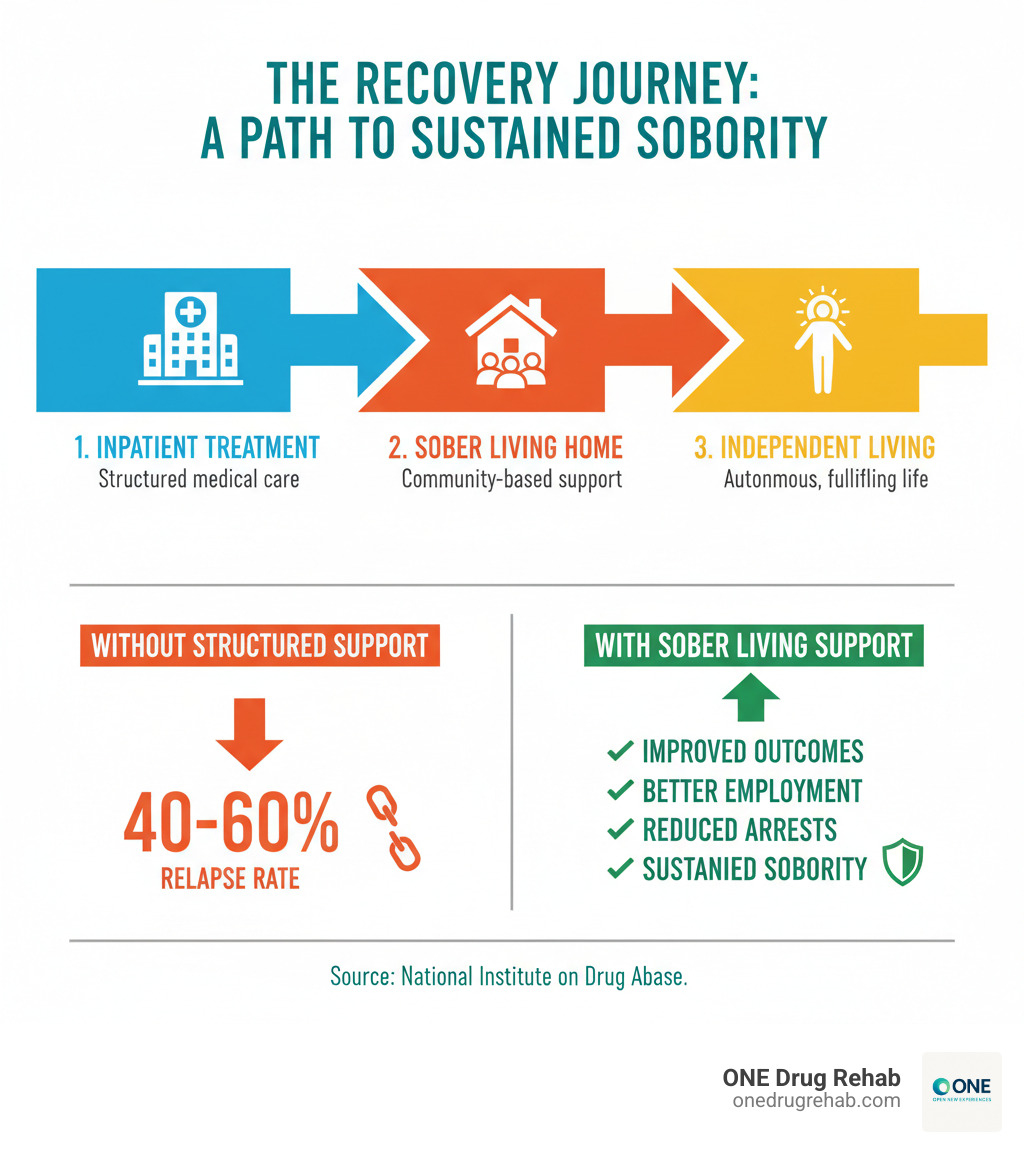
Completing addiction treatment is a huge accomplishment, but the journey isn’t over. The transition from inpatient rehab to independent living can be challenging. Sober living homes serve as a bridge between intensive treatment and returning to everyday life, providing the structure and support needed to practice skills learned in treatment.
The statistics are sobering: addiction relapse rates range from 40% to 60%. However, research shows that residents in sober living homes experience significant improvements in drug and alcohol use, 6-month abstinence rates, psychiatric symptoms, arrests, and employment. The National Institute on Drug Abuse recommends staying in a sober home for at least 90 days to best support recovery efforts.
Sober living homes create a safe space to rebuild your life, develop healthy routines, and connect with others who understand your journey. The choice between a coed or gender-specific home depends on your personal needs and recovery goals.
What to Expect in a Coed Sober Living Home
Walking into a coed sober living home means entering a space where everyone shares your goal: staying sober and building a better life. It’s a stepping stone between the intensive support of rehab and independent living, offering a structured environment with safety, accountability, and peer support, without a clinical feel.
What makes these homes special is their peer-led approach. While a house manager may help keep things running smoothly, the real support comes from residents. You’ll share responsibilities, celebrate wins, and support each other during tough moments, creating a built-in recovery family.
Most sober living homes are in regular neighborhoods, which helps normalize the experience. The National Alliance for Recovery Residences (NARR) sets quality standards for these facilities, ensuring you enter a safe, substance-free environment that supports your recovery.
What Are Coed Halfway Houses?
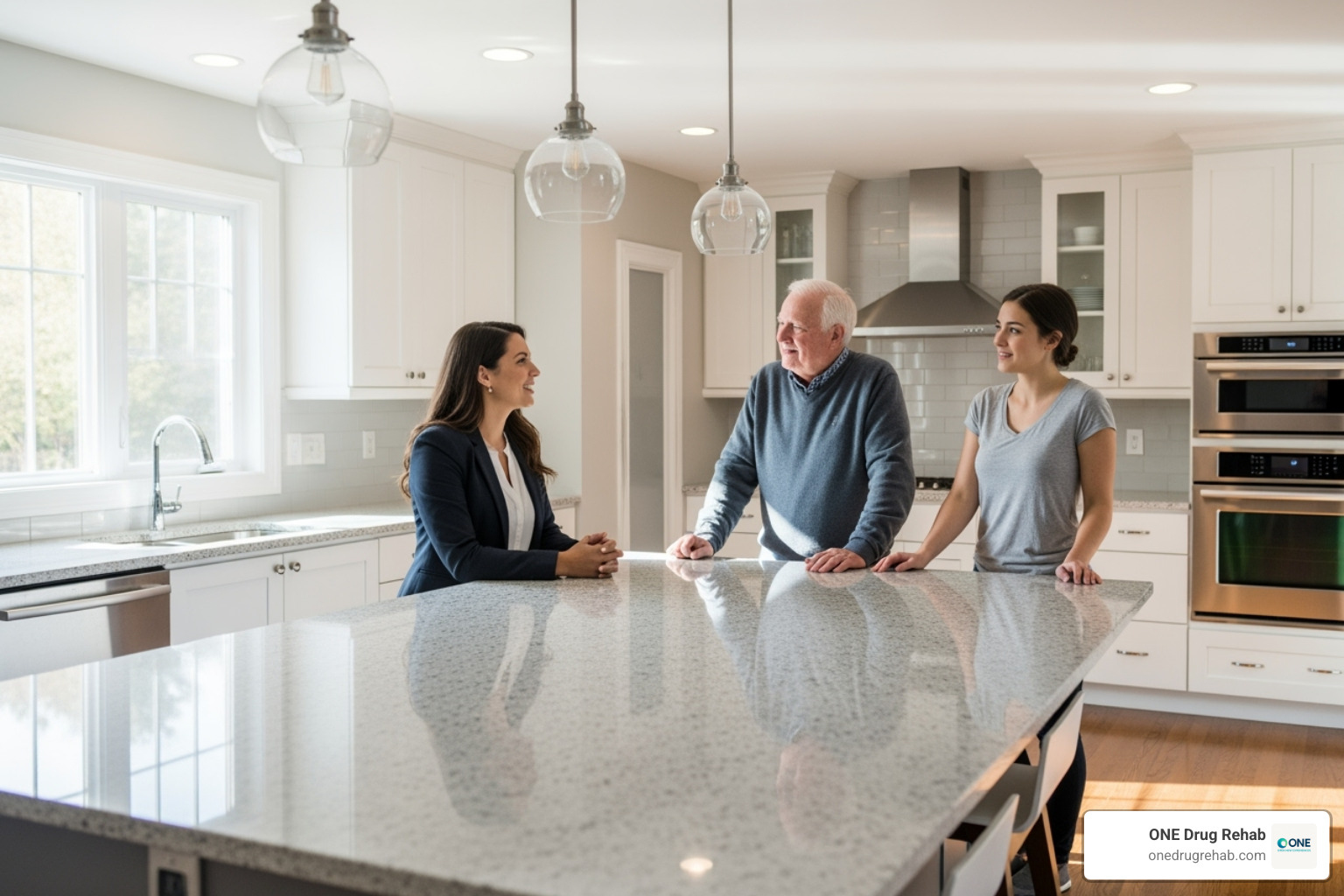
Coed halfway houses bring men and women together under one roof, united in their commitment to sobriety. This setup mirrors the real world you’re preparing to re-enter. The living arrangement is thoughtfully designed: you’ll share common areas like the kitchen and living room, but sleeping quarters are separate for men and women to maintain privacy.
The beauty of coed living is its focus on building genuine friendships over romantic connections. You’ll learn to interact respectfully with all genders in a supportive environment. This real-world social practice is incredibly valuable, as you’ll gain diverse perspectives and develop communication skills that will serve you well beyond your stay.
For many, coed homes offer a chance to heal from past relationship trauma and break down unhealthy gender stereotypes, learning that meaningful connections can be supportive and respectful.
Typical Rules in Coed Halfway Houses
Structure creates a foundation where everyone can thrive. Coed halfway houses have clear rules to protect everyone’s recovery and create a sense of safety.
The zero-tolerance policy for substance use is non-negotiable; any use typically results in immediate removal to protect the sobriety of all residents.
You’ll have curfews to establish healthy routines and ensure accountability. Mandatory house meetings are regular check-ins to discuss house business, share experiences, and work through issues together.
Drug testing happens periodically, often without notice. Most residents find this reassuring, as it confirms everyone’s commitment to staying clean.
Most homes require you to maintain employment or attend school. This builds responsibility, self-esteem, and prepares you for financial independence.
Visitor policies exist to maintain safety and privacy, with designated hours and areas for guests. You’ll also share household chores, which builds teamwork and keeps the home running smoothly.
Perhaps most importantly, there are strict no-dating policies between residents. Recovery needs your full attention, and romantic complications can derail progress. This rule protects everyone’s journey and maintains a supportive, non-sexual atmosphere.
The Pros and Cons of Coed Halfway Houses
Choosing between a coed halfway house and a gender-specific home is a key decision in your recovery. There’s no single right answer; the best choice depends on your personality, needs, and goals. Let’s explore the pros and cons to help you make an informed decision.

Primary Benefits of a Mixed-Gender Environment
The biggest advantage of coed halfway houses is how closely they mirror the real world, where you’ll need to steer relationships with all genders while sober.
Real-world preparation is a valuable benefit. You constantly practice social skills like communicating respectfully, setting healthy boundaries, and building platonic friendships.
The diversity of perspectives can be incredibly enriching. Men and women often approach problems differently, and having both viewpoints can help you see challenges from new angles.
For many, healing from past trauma becomes possible in a coed home’s safe structure. Learning to form positive, respectful relationships can be deeply therapeutic if your past includes unhealthy patterns with a specific gender.
Communication skills naturally improve when living and problem-solving with people of different genders. You learn to express yourself clearly and listen actively.
Living in a coed halfway house also helps break down harmful stereotypes. You might find that your strongest supporter or best advice comes from an unexpected place.
If you’re interested in exploring these benefits further, you can find more info about structured sober living options that offer this type of environment.
Potential Drawbacks and Challenges
While the benefits are significant, it’s important to be honest about the potential challenges of coed halfway houses.
Romantic distractions top the list of concerns. Even with strict no-dating policies, feelings can develop. When this happens, it can derail the recovery of those involved and create tension throughout the house.
Some people find it harder to open up about deeply personal issues like sexual trauma or body image struggles in a mixed-gender group.
Past trauma can make a coed environment feel unsafe for some. If your history includes abuse from a specific gender, being around that gender might trigger anxiety that interferes with your recovery.
The focus on gender-specific issues can be diluted. While you gain broader perspectives, you might lose some of the targeted support that comes from talking with people who share your exact experiences as a man or woman in recovery.
Feeling uncomfortable sharing certain struggles is valid. Some topics feel easier to discuss with people of the same gender, and needing that space is perfectly normal.
The key is being honest with yourself about what kind of environment will best support your growth. There’s no shame in choosing what feels safest for you.
Coed vs. Gender-Specific: A Direct Comparison
Choosing between a coed halfway house and a gender-specific one is a major recovery decision. Neither is inherently better; what matters is finding the right fit for your needs. They offer different experiences and support systems.
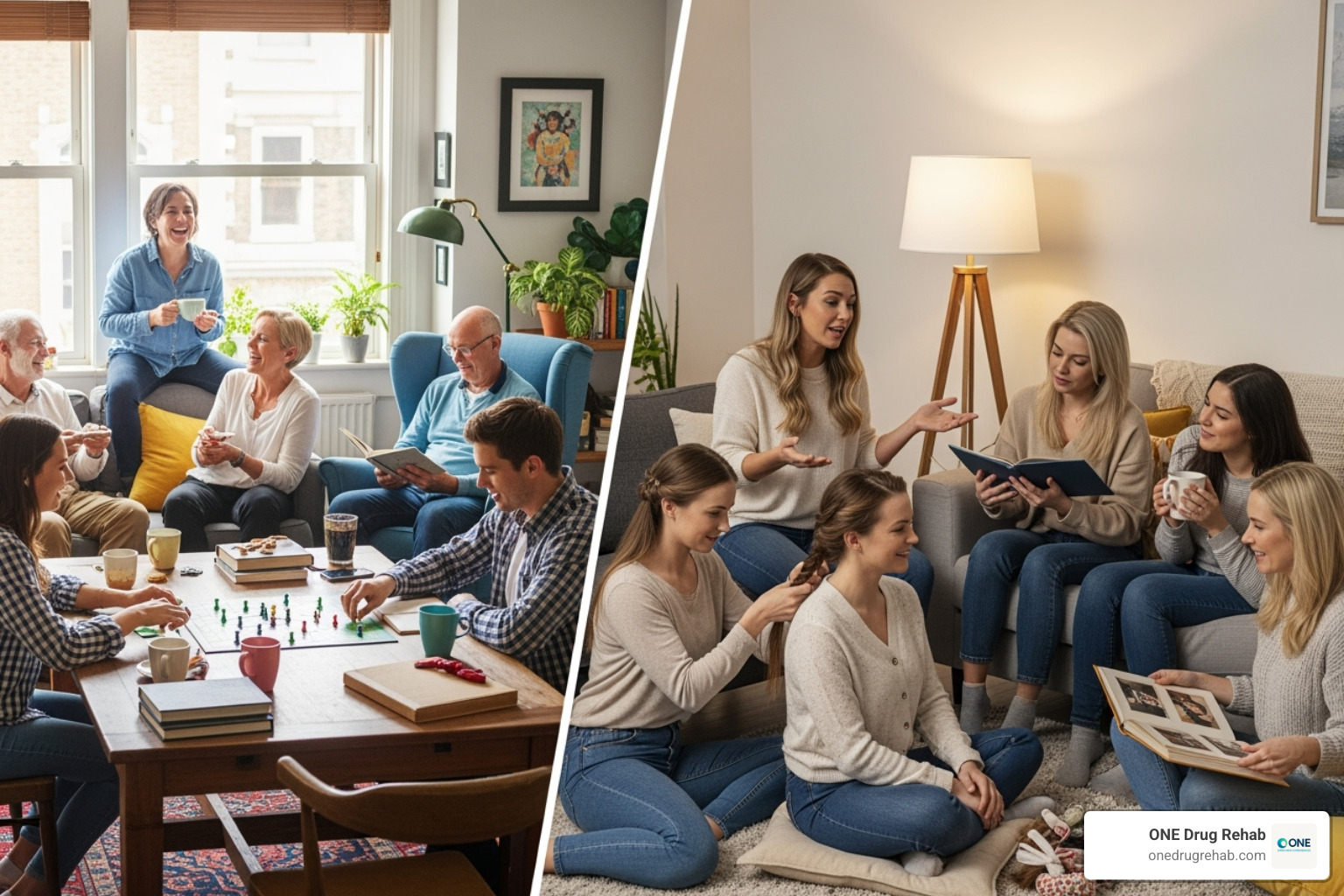
Coed halfway houses mirror the real world, offering diverse perspectives from both men and women. However, they may present more distractions, like potential romantic feelings. The focus is on general recovery and broad life skills.
Gender-specific homes often foster deeper bonds around shared, gender-unique experiences. They allow for focused discussions on topics that might be uncomfortable in mixed company. There’s less risk of romantic complications, but also less practice navigating mixed-gender social situations.
Your comfort level is key. If past trauma or shyness makes sharing difficult, a gender-specific home might feel safer. Conversely, if you’re ready to practice healthy boundaries with all genders, a coed setting could be ideal preparation for life after recovery.
How Coed Homes Address Romantic Relationships
Coed halfway houses are aware that romantic feelings can develop and take this reality seriously. The goal is to prevent a budding romance from derailing anyone’s recovery.
That’s why virtually every coed facility has strict no-dating policies among residents. Early recovery is an emotional time, and adding the intensity of a new relationship is a recipe for distraction. The focus remains squarely on recovery first. House managers and staff monitor interactions, and there are clear consequences for rule-breaking, ranging from warnings to expulsion.
The real goal is helping residents learn to build healthy boundaries in all relationships, a crucial life skill. Staff oversight helps ensure the environment remains supportive and familial, not romantic.
Who Might Prefer a Gender-Specific Home?
While coed halfway houses work for many, they aren’t the right fit for everyone. Some individuals thrive in a single-gender environment.
Individuals with significant trauma, such as sexual assault or domestic violence involving the opposite gender, often find gender-specific homes essential. A single-gender home removes that potential trigger, allowing them to focus on healing.
Those needing to focus on gender-specific issues also benefit. Women might need to address topics like body image or motherhood, while men might explore emotional expression or fatherhood pressures. These conversations often flow more freely when everyone shares similar experiences.
LGBTQ+ individuals seeking specific support may find that gender-specific or LGBTQ+-affirming homes provide the understanding they need. While many coed homes are inclusive, some feel more comfortable in spaces designed for their community’s unique challenges.
Sometimes it’s a matter of personal comfort preference. If you feel you can’t speak openly in a mixed-gender room, a gender-specific home might be your best path. Your comfort level directly impacts your ability to do the deep work recovery requires.
Making the Right Choice for Your Recovery
The decision between a coed halfway house and a gender-specific sober living home is deeply personal and deserves thoughtful consideration. There’s no right or wrong answer here – only what’s right for you at this moment in your recovery journey. Think of it as choosing the environment where you’ll feel most supported, safe, and able to grow.
Your recovery is unique, and the path that works for your friend or family member might not be the best fit for you. That’s perfectly okay. The goal is finding a place where you can focus on building the skills and relationships that will support your long-term sobriety.

Key Questions to Ask Yourself
Before making your decision, take some quiet time to honestly reflect on these important questions. Your answers will help guide you toward the environment where you’re most likely to thrive:
Can I maintain focus on my recovery? Consider whether having peers of all genders around will help or distract you from your primary goal of staying sober. Think about your past experiences with relationships and whether you tend to get sidetracked by romantic possibilities.
Will I feel safe and comfortable sharing? Ask yourself if you’ll be able to open up about personal struggles and trauma in front of both men and women. Some people find mixed groups more natural, while others need the safety of a single-gender environment to be truly vulnerable.
What type of support do I need most? Consider whether you’d benefit more from learning to steer healthy relationships with all genders, or if you need focused time to work through gender-specific challenges without the complexity of mixed-gender dynamics.
Does this align with my long-term goals? Think about the skills you want to develop and the type of community that will best prepare you for independent living. Some people need practice with real-world social dynamics, while others need time to heal in a more protected environment first.
What might hold me back? Be honest about your vulnerabilities and triggers. If the presence of the opposite gender might interfere with your ability to focus on recovery, that’s important information to consider.
Don’t make this decision alone. Consulting with a therapist, addiction counselor, or your treatment provider can offer valuable perspective. They know your history and can help you think through which environment might offer the most beneficial support for your specific circumstances.
Finding a Vetted Sober Living Home
Once you’ve decided what type of environment feels right, finding a quality sober living home becomes your next priority. The good news is that there are several reliable ways to locate reputable options.
Start with trusted directories like ONEDrugRehab.com, which serves as a third-party, non-affiliated resource for researching treatment options. These directories often let you filter by specific criteria, making it easier to find coed halfway houses or gender-specific homes that match your preferences.
Ask for referrals from your treatment center. Your current or former addiction treatment facility is often your best resource for recommendations. They typically have established relationships with local sober living homes and can suggest options that align with their treatment philosophy and your specific needs.
Look for proper certifications. Quality homes often adhere to standards set by organizations like the National Alliance for Recovery Residences (NARR) or state-specific networks. These affiliations usually indicate a commitment to ethical practices and effective recovery support.
Use government resources like SAMHSA’s treatment locator. You can Find a treatment facility with SAMHSA, which provides a comprehensive database of treatment and recovery services across the country.
Ask detailed questions when you contact potential homes. Don’t hesitate to inquire about their specific rules, daily schedules, and level of structure. This is especially important for coed halfway houses – you’ll want to understand exactly how they manage interactions between residents and maintain a recovery-focused environment.
It’s worth traveling for the right fit. Your comfort, safety, and ability to focus on recovery should be your top priorities when making this important decision.
Frequently Asked Questions about Coed Sober Living
When considering sober living options, it’s natural to have questions. Here are answers to the most common ones to help you make an informed choice.
How long should I stay in a sober living home?
Recovery is a marathon, not a sprint, and you need time to build strength. The National Institute on Drug Abuse recommends staying in a sober home for at least 90 days, but this is just a starting line.
Recovery varies dramatically from person to person. Some residents stay for 3-6 months, while others need a year or longer to feel prepared for independent living. There’s no shame in taking the time you need.
Your sober living home is a training ground to practice coping skills, build genuine friendships, and reintegrate into the world. The longer you stay in this supportive environment, the stronger your foundation becomes. The goal isn’t just to avoid relapse—it’s to build a life you want to live.
Are coed sober living homes more expensive?
Coed sober living homes typically cost about the same as gender-specific homes. The price is not usually affected by the mixed-gender aspect. Most sober living homes cost between $90 and $150 per week, regardless of their gender policy.
What does affect the price? Location plays a huge role, as homes in major cities cost more. Amenities matter too—private rooms or extras like fitness centers will increase the cost.
It’s important to know that most insurance plans don’t cover sober living homes because they provide housing and peer support, not medical treatment. You’ll typically pay out of pocket, though some homes offer payment plans or sliding scale options.
The weekly fee usually covers rent and utilities, but you’ll need to budget for groceries, personal items, and transportation. Most homes require residents to have a job or attend school, which helps cover these costs.
For a detailed breakdown of recovery-related costs, check out our guide to Learn more about rehab costs.
What is the success rate of sober living homes?
Addiction relapse rates hover between 40% and 60% without proper support. Sober living homes make a real difference.
Research shows that sober living residents experience significant improvements in multiple areas, including better abstinence rates at the 6-month mark, fewer arrests, improved employment, and better mental health outcomes. These improvements often last through 18-month follow-ups.
The length of stay directly correlates with success rates. Residents who stay longer and fully engage with the program consistently show better long-term outcomes.
Coed halfway houses and other sober living homes are effective because of the combination of peer support, structured accountability, and real-world practice. You’re not just staying sober; you’re learning how to build a life worth living by developing job skills, healthy relationships, and supportive daily routines.
The peer support aspect is particularly powerful. Living with others who understand your struggles creates a unique bond and accountability system that is hard to replicate elsewhere.
Your Path Forward to Lasting Sobriety
Your recovery has brought you to an important crossroads. Choosing between a coed halfway house and a gender-specific home is about finding the right fit for you. Both paths lead to the same destination: a life free from addiction.
Coed halfway houses mirror the world you’ll return to, offering a place to practice navigating relationships with all genders while keeping recovery your top priority. You’ll learn to set healthy boundaries and build platonic friendships, gaining diverse perspectives from men and women on similar paths.
While challenges like romantic temptation are real, they also become opportunities to strengthen your recovery. Every time you prioritize house rules over a distraction, you prove that your sobriety comes first.
The beauty of a supportive environment lies in daily connection—a conversation that offers a new perspective or encouragement from a housemate. It’s the quiet understanding when someone has a tough day and the community rallies around them.
There’s no shame in realizing a gender-specific home might serve you better. If past trauma or a need to focus on personal issues makes a single-gender environment feel safer, choosing it is a sign of wisdom.
Recovery is possible, and you don’t have to figure it out alone. Assess what you need, talk to counselors, and use resources like the ONEDrugRehab.com directory to explore your options without pressure.
Your path to lasting sobriety is uniquely yours. Whether it leads through a coed halfway house or a gender-specific home, what matters is that you’re taking the next step forward toward a life of purpose and peace.
Explore structured sober living options to support your recovery journey