
Understanding the Critical Need for Professional Fentanyl Detox
Fentanyl detox treatment is a medically supervised process to help individuals safely stop using fentanyl. It involves managing dangerous withdrawal symptoms with 24/7 care during the acute phase. With synthetic opioids like fentanyl driving a majority of the more than 100,000 overdose deaths in 2021, understanding safe detox is critical.
Quick Answer: What You Need to Know About Fentanyl Detox
- What it is: A medical process to safely clear fentanyl from your body while managing withdrawal symptoms.
- Where it happens: In a hospital or specialized detox facility with 24/7 supervision.
- How long: Acute physical symptoms typically last 7-10 days, but some symptoms can persist.
- Why it’s necessary: Fentanyl is 50-100 times more potent than morphine, making withdrawal severe and at-home detox dangerous.
- What happens next: Detox is the first step; comprehensive treatment must follow to address the underlying addiction.
The current fentanyl crisis is unlike previous opioid epidemics. Illicitly manufactured fentanyl has largely replaced heroin and is often mixed into other street drugs without the user’s knowledge. This extreme potency means even tiny amounts can be fatal.
Fentanyl withdrawal is also complicated by adulterants like xylazine (“tranq”), creating withdrawal syndromes that are difficult to treat. Attempting to detox at home can lead to severe dehydration, electrolyte imbalances, and a high risk of fatal overdose upon relapse.
This guide explains what happens during fentanyl detox, why medical supervision is essential, and how detox fits into the broader journey of recovery. Understanding these basics can be the difference between a safe recovery and a dangerous attempt to quit alone.
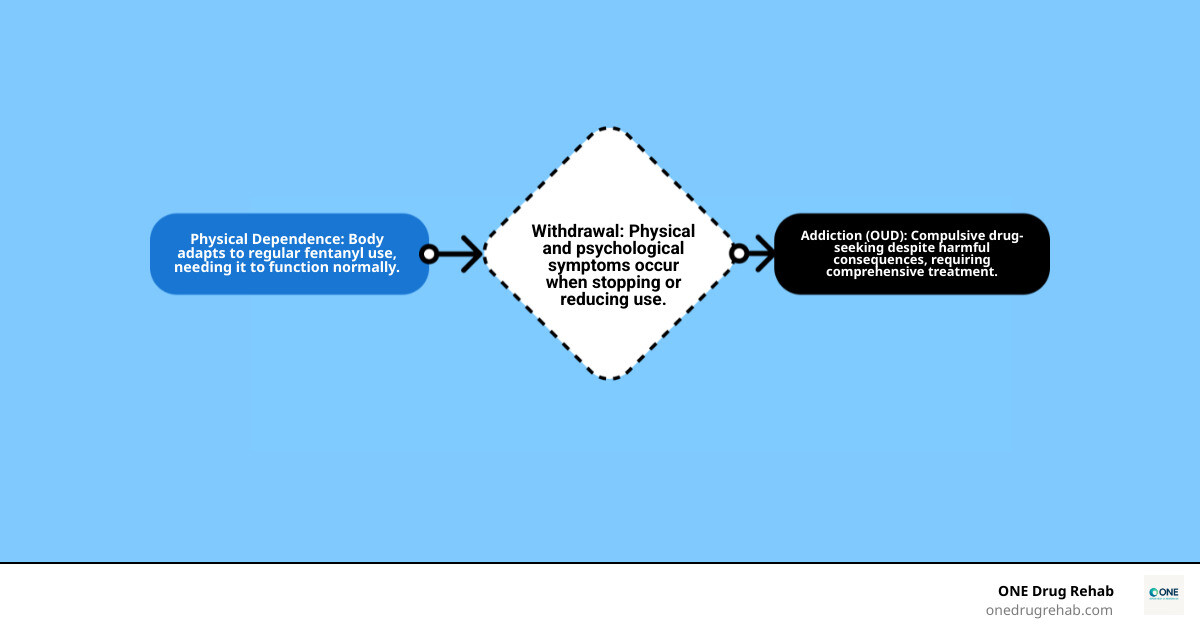
Understanding Fentanyl Withdrawal: Symptoms, Timeline, and Unique Risks

Fentanyl is a synthetic opioid 50 to 100 times more potent than morphine. Its lipophilic properties allow it to enter the brain rapidly, creating an intense high and leading to fast physical dependence. When someone who is dependent stops or reduces their use, their body responds with a cascade of overwhelming withdrawal symptoms.
This is why attempting fentanyl detox treatment at home is so dangerous. The severity of withdrawal can feel unbearable, driving people back to using. After even a few days of detox, tolerance drops significantly. A relapse on a previously normal dose can be fatal. The risk of overdose after detox is staggeringly high, making professional medical supervision potentially lifesaving.
Primary Symptoms of Fentanyl Withdrawal
Fentanyl withdrawal is often compared to a severe flu, but with added psychological distress. The physical and psychological symptoms can be devastating.
- Physical Symptoms: Expect crippling muscle and bone pain, severe nausea, vomiting, and diarrhea leading to dehydration, hot and cold flashes, drenching sweats, and a runny nose. Many also experience restless legs, a racing heart, and an inability to sleep.
- Psychological Symptoms: Intense cravings can dominate your thoughts. Anxiety and restlessness create a constant feeling of being on edge, while depression and irritability can strain relationships. Concentration becomes nearly impossible.
While these symptoms are rarely fatal on their own, the extreme discomfort they cause is what often leads to relapse. This is where professional fentanyl detox treatment is critical.
The Fentanyl Withdrawal Timeline
While everyone’s experience varies, a general timeline can help you prepare.
- Onset (8-24 hours after last use): Withdrawal begins with mild discomfort, growing anxiety, and initial cravings.
- Peak Intensity (36-72 hours after last use): This is the most challenging period. Muscle cramps, nausea, vomiting, and diarrhea are relentless. Cravings feel overwhelming, and sleep is virtually impossible.

- Acute Phase (7-10 days total): After the peak, physical symptoms gradually begin to ease. Medical support during this window is crucial for managing symptoms and ensuring safety.
- Protracted Withdrawal (weeks to months): After the acute phase, Post-Acute Withdrawal Syndrome (PAWS) can occur. This involves lingering symptoms like cravings, mood swings, anxiety, and insomnia. PAWS can last up to six months and increases relapse risk, highlighting the need for ongoing support after detox.
Why Fentanyl Withdrawal is Different
Fentanyl withdrawal presents unique challenges compared to other opioids like heroin. In many areas, illicitly manufactured fentanyl has completely replaced heroin, leading to more intense and rapid-onset withdrawal due to its higher potency.
A more concerning development is the contamination of fentanyl with xylazine, an animal tranquilizer known as “tranq.” This combination, or “tranq dope,” creates a complicated withdrawal syndrome that doesn’t respond well to conventional opioid treatments. A study characterizing patients treated for suspected fentanyl and xylazine withdrawal noted these unprecedented syndromes make treatment more challenging.
The dangers of at-home detox are magnified by these factors. Severe dehydration can lead to electrolyte imbalances and even heart failure. The unmanaged pain and psychological distress often push people to relapse, which is extremely dangerous after tolerance has dropped. If xylazine is present, standard withdrawal medications may not be effective, making professional care in an experienced facility even more critical.
Given these risks, a medically supervised environment for fentanyl detox treatment is essential. You can find a safe detox environment with the expertise to manage these complex challenges.
How Medically Supervised Fentanyl Detox Treatment Works
When you enter a medically supervised fentanyl detox treatment program, you enter a comprehensive care environment designed to stabilize you safely and comfortably, preparing you for the next steps in recovery. The cornerstone is 24/7 monitoring by healthcare professionals to manage complications like severe dehydration, dangerous blood pressure spikes, or extreme psychological distress. While opioid withdrawal itself is rarely fatal, these complications can be.
A good detox program provides individualized care, tailoring your treatment plan to your specific history of use, overall health, and mental health status. Detox is the essential first step, but it’s not a cure. It stabilizes your body and clears your mind, making it possible to engage in the deeper therapeutic work of recovery. Effective transition planning is built into the process from day one. For more information about medical detox services, you can explore resources like West Coast Detox Rehab in Southern California.
Key Components of a Medically Supervised Program
A structured fentanyl detox treatment program follows a clear process to assess, stabilize, and prepare you for ongoing treatment.
- Initial Assessment: Upon arrival, a medical team conducts a thorough assessment of your substance use, medical history, and mental health to create a safe and effective detox plan.
- Physical and Mental Health Evaluations: A medical exam identifies any underlying health issues that could complicate withdrawal. A mental health screening addresses co-occurring conditions like anxiety or depression, which are common and must be part of the overall treatment plan.
- Withdrawal Monitoring: Staff use tools like the Clinical Opiate Withdrawal Scale (COWS) to measure the severity of your symptoms throughout your stay. This data helps guide medication adjustments and ensures you are as comfortable as possible.
- Stabilization: This is the core of detox. Medical staff work around the clock to manage your symptoms using medications, IV fluids to prevent dehydration, nutritional support, and a calm, healing environment.
- Transition Planning: From the moment you arrive, the team works with you to plan your next steps. A responsible program ensures a smooth transition to the next level of care, such as inpatient rehab, an outpatient program, or long-term medication-assisted treatment.
Medications Used in Fentanyl Detox Treatment
Medication-Assisted Treatment (MAT) is a safe, evidence-based approach to make withdrawal more bearable and increase the chances of success. It is not “replacing one drug with another.”
-
Opioid Agonists: These medications activate the same brain receptors as fentanyl in a controlled way to prevent withdrawal and cravings without producing an intense high.
- Buprenorphine (e.g., Suboxone) is a partial agonist with a “ceiling effect,” making it safer and less prone to misuse. It is often used for long-term maintenance to reduce overdose risk.
- Methadone is a full agonist that has been used for decades. It is dispensed through licensed clinics and provides long-acting relief from withdrawal symptoms.
-
Non-Opioid Medications: These drugs help manage specific symptoms.
- Clonidine and Lofexidine are blood pressure medications that reduce anxiety, agitation, sweating, and muscle aches.
- Other medications may be used to treat nausea, diarrhea, or insomnia.
The medical team will monitor your response and adjust medications as needed, which is another reason why 24/7 supervision is so important. For more information, see the SAMHSA guidelines on medications for OUD.
Who is a Candidate for Medically Supervised Fentanyl Detox Treatment?
If you are physically dependent on fentanyl, you are a candidate for medically supervised detox. Physical dependence means your body has adapted to the drug and will experience withdrawal when you stop.
Key indicators for needing professional detox include:
- A diagnosis of Opioid Use Disorder (OUD), characterized by compulsive use despite harmful consequences.
- Patient motivation to stop using, even if you feel ambivalent or uncertain. The willingness to try is the most important first step.
- Co-occurring medical or mental health issues, which make supervised detox even more critical to ensure safety.
Pregnancy is not a barrier to treatment. In fact, it makes specialized care urgent. Medically supervised treatment, often with maintenance medications like methadone or buprenorphine, protects both the mother and baby. If you are pregnant and using fentanyl, seek help immediately.
The bottom line is that if you are using fentanyl and want to stop, medically supervised fentanyl detox treatment is the safest path forward. The risks of going it alone are too high.
Understanding Fentanyl Withdrawal: Symptoms, Timeline, and Unique Risks
Fentanyl is 50–100 times more potent than morphine and rapidly creates physical dependence. Stopping suddenly triggers intense withdrawal that can drive relapse. After even a short detox, tolerance drops sharply, making the previous dose potentially fatal. Professional fentanyl detox treatment reduces these risks with medical support.
Primary Symptoms of Fentanyl Withdrawal
- Physical: muscle and bone pain, nausea/vomiting, diarrhea, hot/cold flashes, sweating, runny nose, restless legs, rapid heart rate, insomnia.
- Psychological: intense cravings, anxiety, restlessness, irritability, low mood, poor concentration.
The Fentanyl Withdrawal Timeline
- Onset: 8–24 hours after last use.
- Peak: 36–72 hours (worst symptoms and cravings).
- Acute phase: typically 7–10 days overall, then gradual improvement.
- Protracted symptoms (PAWS): weeks to months of intermittent cravings, anxiety, sleep disturbance, and mood changes.

Why Fentanyl Withdrawal is Different
Fentanyl’s higher potency and frequent contamination with xylazine (“tranq”) can create complex withdrawal that responds poorly to standard opioid-only approaches. See this study characterizing patients treated for suspected fentanyl and xylazine withdrawal. Severe vomiting and diarrhea can cause dehydration and electrolyte imbalances; unmanaged distress increases relapse and overdose risk. Medically supervised care is strongly recommended—you can find a safe detox environment.
How Medically Supervised Fentanyl Detox Treatment Works
Medically supervised fentanyl detox treatment provides 24/7 monitoring, individualized care, and stabilization so you can transition safely to ongoing treatment. Teams manage complications (dehydration, blood pressure spikes, severe distress) and begin planning next steps from day one. For more information about medical detox services, you can explore resources like West Coast Detox Rehab in Southern California.
Key Components of a Medically Supervised Program
- Initial assessment: comprehensive review of substance use, medical history, and goals.
- Physical evaluation and mental health screening: identify co-occurring conditions that affect safety and care.
- Withdrawal monitoring: tools like the Clinical Opiate Withdrawal Scale (COWS) guide real-time medication adjustments.
- Stabilization and symptom management: targeted medications, hydration/nutrition support, and a calm, supportive setting.
- Transition planning: a coordinated handoff to inpatient, outpatient, or medication-assisted treatment.
Medications Used in Fentanyl Detox Treatment
- Opioid agonists: buprenorphine (e.g., Suboxone) and methadone reduce withdrawal and cravings in a controlled, safer way.
- Non-opioid options: clonidine and lofexidine lessen anxiety, sweating, aches, and rapid heart rate; other meds address nausea, diarrhea, and insomnia.
These evidence-based medications improve comfort and outcomes. For guidance, see the SAMHSA guidelines on medications for OUD.
Who is a Candidate for Medically Supervised Fentanyl Detox Treatment?
- Anyone with physical dependence or a diagnosis of Opioid Use Disorder (OUD) who wants to stop.
- People with co-occurring medical or mental health conditions, or polysubstance use.
- Pregnancy increases urgency; supervised care with medications like methadone or buprenorphine helps protect both mother and baby.
If you’re using fentanyl and want to stop, medical detox is the safest first step and the bridge to long-term recovery.
Beyond Detox: Transitioning to Long-Term Recovery

Fentanyl detox treatment is the beginning of recovery, not the end. While detox stabilizes you physically, it doesn’t address the underlying psychological patterns and triggers of addiction. Without a plan for what comes next, relapse is common. Research shows that supervised withdrawal alone rarely leads to long-term sobriety, emphasizing the need for aftercare.
The goal of detox is to safely transition you to the next phase of care, whether that’s medication for opioid use disorder or another form of comprehensive treatment. Recovery is about building a new foundation for your life, developing coping skills, and creating a strong support system. To explore comprehensive treatment programs that support long-term recovery, you can find resources like Hollywood Detox.
The Importance of a Comprehensive Treatment Plan
A comprehensive treatment plan is what turns the temporary relief of detox into lasting freedom. Your plan should be custom to your unique needs and circumstances.
Key elements include:
- Behavioral Therapies: Cognitive-Behavioral Therapy (CBT) helps you identify and change negative thought patterns, while Motivational Interviewing (MI) strengthens your internal motivation to change.
- Counseling: Individual, group, and family counseling provide a safe space to work through personal issues, connect with peers, and heal damaged relationships.
- Levels of Care: Inpatient (residential) treatment offers 24/7 structured support, ideal for those needing intensive care. Outpatient programs allow you to live at home while attending regular therapy, suitable for those with strong support systems.
- Medication-Assisted Treatment (MAT): Long-term use of medications like buprenorphine, methadone, or naltrexone can reduce cravings and prevent relapse, giving your brain time to heal.
- Dual Diagnosis Treatment: It’s crucial to address any co-occurring mental health conditions like anxiety, depression, or PTSD alongside addiction. Treating one without the other is often ineffective. For more information, explore resources from NIDA.
Navigating Post-Acute Withdrawal Syndrome (PAWS)
After the acute withdrawal phase, you may encounter Post-Acute Withdrawal Syndrome (PAWS). These lingering psychological and emotional symptoms can last for weeks or months and catch many people off guard.
Common PAWS symptoms include:
- Mood swings and irritability
- Persistent anxiety and restlessness
- Insomnia and fatigue
- Intense cravings, often triggered by stress
- Difficulty concentrating and mental fog
- Low energy and lack of motivation
Understanding that PAWS is a normal part of recovery—not a sign of failure—is critical. These symptoms will gradually improve with time and support. This is why continued therapy, support groups like Narcotics Anonymous (NA) or SMART Recovery, and healthy lifestyle habits are so important. Recovery is a journey, and fentanyl detox treatment is the first step. The real work and rewards come in the weeks and months that follow.
Frequently Asked Questions about Fentanyl Detox
Here are straightforward answers to common questions about fentanyl detox treatment.
Is fentanyl withdrawal life-threatening?
While opioid withdrawal itself is rarely fatal, its complications can be. Severe vomiting and diarrhea can cause extreme dehydration and electrolyte imbalances, potentially leading to heart problems. However, the single greatest danger is the risk of fatal overdose upon relapse. After detox, your tolerance is significantly lower. Using the same amount of fentanyl as before—or even much less—can be deadly. This is why medically supervised detox and a transition to ongoing treatment are vital.
How long does fentanyl detox last?
The acute phase of fentanyl detox treatment, when physical symptoms are most intense, typically lasts 7 to 10 days. Symptoms usually begin within 8-24 hours, peak around 36-72 hours, and then gradually subside. However, psychological symptoms and cravings, known as Post-Acute Withdrawal Syndrome (PAWS), can persist for weeks or even months. This protracted phase makes ongoing support and aftercare essential for long-term recovery.
What is the difference between detox and rehab?
Detox and rehab are two distinct and necessary phases of treatment.
-
Detox is the medical process of safely clearing fentanyl from your body. The focus is on managing acute physical withdrawal symptoms under 24/7 medical supervision to ensure physical stabilization and safety.
-
Rehab is the comprehensive therapeutic process that follows detox. It addresses the psychological, behavioral, and social aspects of addiction through counseling, therapy, and skill-building to prevent relapse and support long-term sobriety.
In short, detox gets the substance out of your system, while rehab helps you keep it out.
Conclusion: Taking the First Step Towards Safety and Sobriety
You now understand that fentanyl detox treatment is a critical and challenging first step toward recovery. Fentanyl’s extreme potency and the risk of adulterants like xylazine make at-home detox incredibly dangerous. The risks of severe dehydration, electrolyte imbalances, and fatal overdose upon relapse are too high to face alone. Medically supervised detox is the safest choice.
Detox is just the beginning. It clears the fog, but lasting sobriety requires a full continuum of care. Comprehensive treatment—including behavioral therapies, counseling, and ongoing support—is what builds the foundation for a life free from addiction. This is especially important for navigating the difficult weeks and months of post-acute withdrawal.
There is genuine hope for recovery. You are not your addiction, and you don’t have to do this alone. Reaching out for professional help is the bravest step you can take. Our ONEDrugRehab.com directory is here to connect you with qualified facilities that provide the compassionate, comprehensive care you deserve.
Take that first step today. You can explore outpatient detox programs to start your journey and begin building the life you are worth. Recovery is possible, and help is waiting.