
Why Holistic Anxiety Treatment Is Gaining Ground
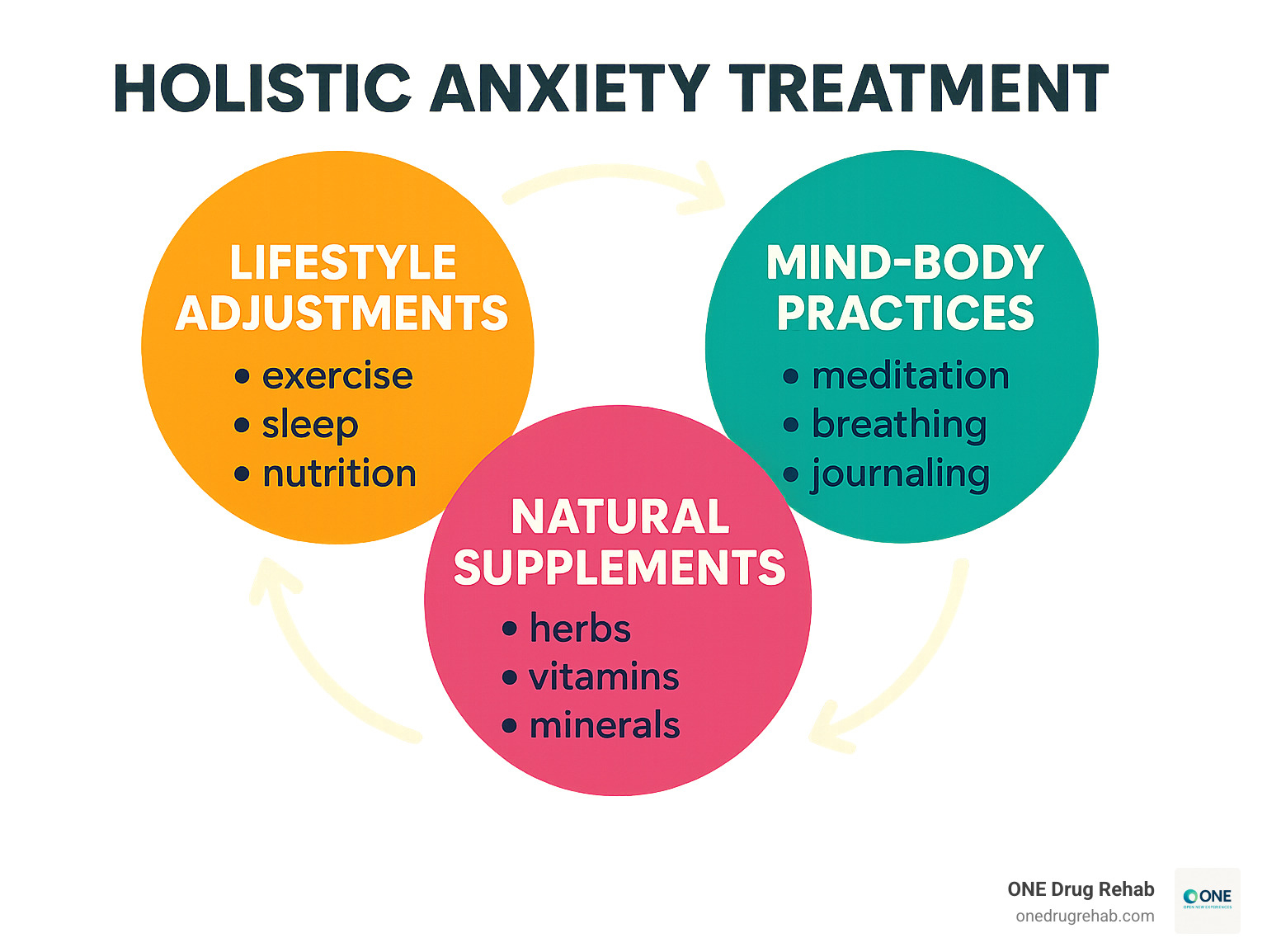
Holistic anxiety treatment offers a natural path to healing that addresses your whole person – mind, body, and spirit – rather than just masking symptoms. If you’re looking for natural remedies for anxiety, here are the core approaches that research shows can help:
Key Components of Holistic Anxiety Treatment:
- Lifestyle changes – Regular exercise, quality sleep, and avoiding anxiety triggers like caffeine
- Mind-body practices – Meditation, deep breathing, journaling, and yoga
- Natural supplements – Chamomile, magnesium, ashwagandha, and omega-3 fatty acids
- Professional support – Combining natural methods with therapy when needed
Anxiety affects about 19% of U.S. adults each year, making it one of the most common mental health challenges we face. While traditional treatments like medication can be helpful, many people are turning to natural approaches that work with their body’s healing systems.
The holistic approach recognizes something important: anxiety isn’t just “in your head.” It shows up in your body through muscle tension, racing heart, and disrupted sleep. It affects your thoughts through worry and fear. And it impacts your daily life through avoidance and stress.
Recent studies show that nearly half of people with anxiety and depression use some form of holistic therapy. This isn’t surprising when you consider that approaches like mindfulness meditation can improve anxiety symptoms in just eight weeks, and regular exercise can reduce anxiety levels by up to 60%.
What makes holistic treatment different is that it doesn’t just treat symptoms – it helps build your natural resilience and gives you tools you can use for life.
Holistic anxiety treatment terms made easy:
The Foundation: Lifestyle Adjustments for Natural Anxiety Relief
Picture this: you’re building a house, and you want it to stand strong through every storm. You wouldn’t skip the foundation, right? The same goes for holistic anxiety treatment – your daily lifestyle choices create the bedrock for everything else. The way you move, sleep, and fuel your body sets the stage for how well your mind can handle life’s curveballs.

The Role of Physical Activity
Here’s something that might surprise you: that sweaty workout you’ve been avoiding could be one of your best allies against anxiety. Scientific research on exercise and anxiety shows that people who stay physically active have about 60% lower chances of developing anxiety symptoms compared to those who don’t move much.
Your body is basically a walking pharmacy, and exercise is like hitting the “happy pills” button. When you get moving, your brain releases endorphins – those feel-good chemicals that create natural highs. But that’s not all. Exercise also boosts serotonin and GABA, two brain chemicals that help keep your mood steady and your worries in check.
You don’t need to become a marathon runner overnight. High-intensity workouts might give you more anxiety-fighting bang for your buck, but honestly, any movement counts. Going for a walk, dancing in your kitchen, or playing with your kids all help.
Yoga and Tai Chi deserve special mention here because they’re like getting two treatments in one. These practices combine physical movement with mindfulness, helping you release muscle tension while quieting racing thoughts. It’s like meditation in motion. For more insights on how healthy lifestyle choices support overall well-being, check out more info about healthy lifestyle in recovery.
Why Sleep is Non-Negotiable for Anxiety Management
Ever notice how everything feels harder to handle when you’re running on three hours of sleep? That’s not just in your head. Sleep deprivation is like throwing gasoline on the anxiety fire – it makes everything feel more overwhelming and scary.
The CDC recommends adults get 7 or more hours of sleep each night, but nearly a third of us are getting less than 6 hours. That’s a problem because your brain needs that downtime to process emotions and recharge its anxiety-fighting systems.
Creating a solid bedtime routine is like training your brain to wind down. This means going to bed at the same time each night, keeping your bedroom cool and dark, and yes – putting that phone away at least an hour before sleep. I know, I know, scrolling through social media feels relaxing, but that screen time before bed actually tricks your brain into thinking it’s daytime.
Here’s something interesting: even though alcohol might make you feel sleepy initially, it actually disrupts your sleep quality later in the night. Research on sleep disruption shows how substances like alcohol can mess with your body’s natural sleep patterns, leaving you more anxious the next day.
Foods and Substances That Impact Anxiety
Your gut and your brain are in constant conversation through what scientists call the gut-brain axis. When you eat nutrient-dense foods, you’re essentially sending your brain happy messages. But when you load up on processed junk, you’re creating chaos in that communication system.
Think about how you feel after eating a sugary donut versus a balanced meal with protein and vegetables. Those blood sugar spikes and crashes from processed foods can trigger anxiety symptoms that feel just like a panic attack – racing heart, shakiness, and that “something’s wrong” feeling.
Staying hydrated is simpler than it sounds but incredibly important. Even mild dehydration can make you feel anxious and foggy-headed.
Now, let’s talk about some substances that might be sabotaging your peace of mind, even if they seem helpful at first:
Caffeine can be tricky. While some people handle their morning coffee just fine, others find it triggers anxiety or even panic attacks. There’s actually an official condition called caffeine-induced anxiety disorder in the mental health diagnostic manual. If you notice feeling jittery or worried after your coffee, it might be time to cut back.
Alcohol is particularly sneaky. That glass of wine might help you relax initially, but there’s a strong link between alcohol and anxiety. Regular drinking can actually increase anxiety levels over time, and anxiety disorders often go hand-in-hand with alcohol problems.
Nicotine from smoking might seem calming in the moment, but it actually messes with your brain pathways in ways that increase anxiety over time. The good news? Studies show that quitting smoking significantly improves anxiety symptoms.
Making these lifestyle adjustments might feel overwhelming at first, but remember – small changes add up to big results. You’re building a foundation that will support your mental health for years to come.
Mind-Body Techniques to Calm a Worried Mind
When anxiety feels overwhelming, our minds and bodies need practical tools to find peace again. Holistic anxiety treatment shines brightest in this area, offering gentle yet powerful techniques that work with your natural ability to heal and self-soothe. These mind-body practices don’t just mask symptoms – they teach you how to create calm from within.

The beauty of these techniques lies in their simplicity. You don’t need special equipment or years of training. Whether it’s taking a few mindful breaths, spending time with a beloved pet, or writing down your worries, these approaches meet you exactly where you are.
Using the Power of Meditation and Mindfulness
Have you ever noticed how anxiety makes your thoughts race like a runaway train? Mindfulness and meditation act like gentle brakes, helping you step off that speeding train of worry and find solid ground in the present moment.
Mindfulness isn’t about emptying your mind or achieving some zen-like state. It’s simply about noticing what’s happening right now – your breath, the sensation of your feet on the ground, or even the anxious thoughts themselves – without trying to change or judge them.
One approach that’s gained serious scientific backing is Mindfulness-Based Stress Reduction (MBSR). A remarkable 2023 study found that an 8-week MBSR program worked just as well as the antidepressant Lexapro for reducing anxiety symptoms. That’s pretty impressive evidence for something that doesn’t require a prescription! You can explore more Evidence on mindfulness for anxiety if you’re curious about the research.
Starting a meditation practice doesn’t have to feel intimidating. Begin with just five minutes a day – maybe focusing on your breath or using a guided meditation app. The magic happens through consistency, not perfection. Even seasoned meditators have wandering minds; the practice is simply noticing when your thoughts drift and gently bringing attention back.
Simple Breathing Exercises for Instant Calm
When anxiety hits, one of the first things that changes is your breathing. It becomes shallow, quick, and centered in your chest rather than your belly. This sends a message to your brain that danger is near, which only fuels more anxiety. The good news? You can reverse this cycle in just a few minutes.
Diaphragmatic breathing – breathing deeply into your belly rather than your chest – is like hitting a reset button for your nervous system. It slows your heart rate, lowers blood pressure, and tells your brain that you’re safe.
The 4-7-8 breathing technique is particularly effective for instant calm. Here’s how it works: breathe in through your nose for 4 counts, hold for 7 counts, then exhale through your mouth for 8 counts, making a gentle “whoosh” sound. Repeat this cycle four times, and you’ll likely notice your body naturally relaxing.
What makes breathing exercises so powerful is their availability. Whether you’re stuck in traffic, before a big presentation, or lying awake at 3 AM, your breath is always with you as a tool for finding peace.
The Therapeutic Benefits of Journaling and Animal Companionship
Sometimes our anxious thoughts feel like they’re bouncing around inside our heads with nowhere to go. Journaling gives them a place to land, changing swirling worries into concrete words on paper.
There’s something almost magical about expressing emotions through writing. Research shows it can genuinely reduce mental distress and improve overall well-being. A 2018 study on journaling found that emotion-based journaling helped people cope better with anxiety and stress. You don’t need to be a great writer – just honest with yourself.
Try setting aside 10 minutes each day to write about whatever is on your mind. Don’t worry about grammar or making sense. Sometimes the act of getting thoughts out of your head and onto paper makes them feel less overwhelming and more manageable.
Animal companionship offers another beautiful path to calm. There’s something deeply soothing about the unconditional love and presence of animals. Whether it’s the rhythmic purring of a cat, the loyal companionship of a dog, or even watching fish swim peacefully in a tank, animals have a remarkable ability to ground us in the present moment.
Studies show that spending time with animals can reduce cortisol levels – that’s your body’s main stress hormone. The simple act of petting an animal releases oxytocin, often called the “love hormone,” which naturally counteracts anxiety and promotes feelings of connection and calm.
These mind-body techniques work best when woven into your daily routine rather than saved for crisis moments. Think of them as preventive medicine for your mental health – small, consistent practices that build your resilience over time.
Exploring Herbal and Nutritional Supplements
As part of a comprehensive holistic anxiety treatment plan, many people turn to herbal remedies and nutritional supplements. These natural options can offer genuine support, but they deserve our careful attention and respect – not casual experimentation.
Here’s something crucial to understand: unlike prescription medications, the U.S. Food and Drug Administration (FDA) doesn’t monitor herbal supplements with the same rigor. This means quality and potency can vary dramatically between brands – sometimes even between batches from the same company. Think of it like buying produce at a farmer’s market versus a regulated grocery store. Both can be excellent, but you need to know your source.

We always recommend consulting with a healthcare provider before introducing any new supplement into your routine, especially if you’re already taking other medications. Natural doesn’t automatically mean safe, and some herb-drug interactions can cause serious side effects. Starting with low doses and paying attention to how your body responds is always wise.
Popular Herbal Remedies for Anxiety
Several herbs have earned popularity for their potential calming effects, each with its own personality and research backing. Let’s explore what science tells us about the most commonly discussed options:
| Herb | Primary Use | Scientific Evidence Level | Key Safety Warnings |
|---|---|---|---|
| Chamomile | Mild anxiety, sleep support | Moderate – several small studies show promise | Generally safe; may interact with blood thinners |
| Lavender | Relaxation, mild anxiety relief | Good – multiple studies support aromatherapy and oral use | Safe for most people; skin irritation possible with topical use |
| Ashwagandha | Stress adaptation, anxiety reduction | Strong – multiple clinical trials show effectiveness | Avoid during pregnancy; may interact with thyroid medications |
| Valerian Root | Sleep disorders, nervous restlessness | Moderate – mixed results in studies | Can cause drowsiness; avoid with alcohol or sedatives |
Chamomile feels like a gentle hug in herb form. This daisy-like flower has been used for centuries to promote relaxation and ease mild anxiety. Research suggests it may help reduce symptoms of generalized anxiety disorder, though most studies have been relatively small.
Lavender brings that instant “spa feeling” whether you smell it or take it as a supplement. Studies have shown that lavender aromatherapy can reduce anxiety levels, and some research supports oral lavender supplements for anxiety relief.
Ashwagandha is what we call an adaptogen – a plant that may help your body manage stress more effectively. This ancient herb has shown impressive results in clinical trials, with some studies showing significant reductions in anxiety and stress levels. However, it’s not suitable for everyone, particularly pregnant women or people with thyroid conditions.
Valerian root has earned a reputation as “nature’s Valium,” though it’s primarily used for sleep issues rather than daytime anxiety. The research is mixed, and some people find its distinctive smell… let’s say “challenging.”
Other herbs worth mentioning include passion flower and lemon balm, both of which have traditional uses for anxiety and some preliminary research support.
Key Vitamins and Minerals for Brain Health
Sometimes our anxiety stems partly from nutritional gaps our bodies are trying to fill. Certain vitamins and minerals play crucial roles in brain function and mood regulation, making them important considerations in holistic anxiety treatment.
Magnesium deserves special attention. This mineral is involved in over 300 biochemical reactions in your body, including those that regulate serotonin – often called our “feel-good” neurotransmitter. Many people don’t get enough magnesium from their diet, and deficiency can contribute to anxiety symptoms. Scientific research on Magnesium’s role in anxiety shows promising results for supplementation.
Vitamin D deficiency has become surprisingly common, especially for people who spend most of their time indoors or live in northern climates. Low vitamin D levels have been linked to mood disorders, including anxiety and depression. A simple blood test can tell you where you stand.
Omega-3 fatty acids are like premium fuel for your brain. These healthy fats, found in fish oil and certain plant sources, support brain function and may help regulate mood. They’re particularly important because our bodies can’t make them on their own.
Supplements to Approach with Caution: A Guide to a safe holistic anxiety treatment
While we’re enthusiastic about natural remedies, honesty requires us to discuss some herbs that need extra caution – or might be best avoided altogether.
Kava has gained attention for its anti-anxiety properties, and some studies do support its effectiveness. However, it carries a significant risk of liver damage, leading many countries to restrict or ban its use. The potential benefits rarely outweigh the serious health risks.
St. John’s Wort is widely used for depression, but it’s a notorious troublemaker when it comes to drug interactions. It can interfere with antidepressants, birth control pills, blood thinners, and many other medications. The NCCIH warning on St. John’s Wort provides detailed information about these interactions.
The key message here isn’t to avoid all supplements, but to approach them with the same respect you’d give any powerful tool. They deserve research, professional guidance, and careful attention to your body’s response.