

Finding Hope and Help in Louisville’s Rehab Centers
Rehab centers in louisville ky offer a wide range of treatment options for addiction recovery and physical rehabilitation. Whether you’re seeking help for substance use disorder or recovering from a stroke, brain injury, or spinal cord condition, Louisville has established facilities ready to support your journey.
Quick Overview of Louisville Rehab Options:
- Addiction Treatment Centers – Outpatient, intensive outpatient (IOP), partial hospitalization (PHP), residential programs, and Medication-Assisted Treatment (MAT)
- Physical Rehabilitation – UofL Health – Frazier Rehabilitation Institute (135-bed facility) specializing in brain injury, spinal cord medicine, stroke recovery, and more
- Faith-Based Programs – Isaiah House Oliva Center offering Christian-oriented addiction recovery with holistic care
- Medicaid-Accepting Centers – Multiple facilities accept Kentucky Medicaid, which covers screenings, assessments, residential treatment, outpatient services, and MAT programs
- Top-Rated Facilities – Bluegrass Recovery Center (5.0 Google rating, Joint Commission certified)
Substance use disorders don’t discriminate. They affect people from every background, income level, and walk of life. The same is true for physical injuries and medical conditions requiring rehabilitation.
The good news? Louisville has built a strong network of treatment centers that understand this reality. From downtown medical institutes with decades of experience to community-focused nonprofits rooted in compassion, you’ll find professionals committed to rebuilding lives.
As one patient put it: “The doctors at the hospital, they’re the ones that saved my life. But the rehab folks are the ones that put it back together.”
This guide walks you through Louisville’s rehabilitation landscape – covering addiction treatment programs, specialized physical rehab services, costs and insurance options (including Medicaid), and how to choose the right center for your specific needs.
Understanding the Landscape of Rehabilitation in Louisville
Louisville, Kentucky, is more than just the home of the Kentucky Derby; it’s a hub for comprehensive rehabilitation services designed to help individuals reclaim their health and lives. When we talk about “rehabilitation,” we’re encompassing a broad spectrum of care, from overcoming addiction to recovering from significant physical injury or illness. Our goal in this section is to provide an overview of the diverse services available, helping you understand the full scope of care in the city.

Whether you’re looking for support to steer substance use disorder, or you need specialized physical therapy after an accident, Louisville’s facilities are equipped with dedicated professionals and advanced treatment modalities. We’ve seen how these centers approach care with a compassionate, whole-person perspective, recognizing that true healing extends beyond just the physical.
Types of Addiction Treatment Programs
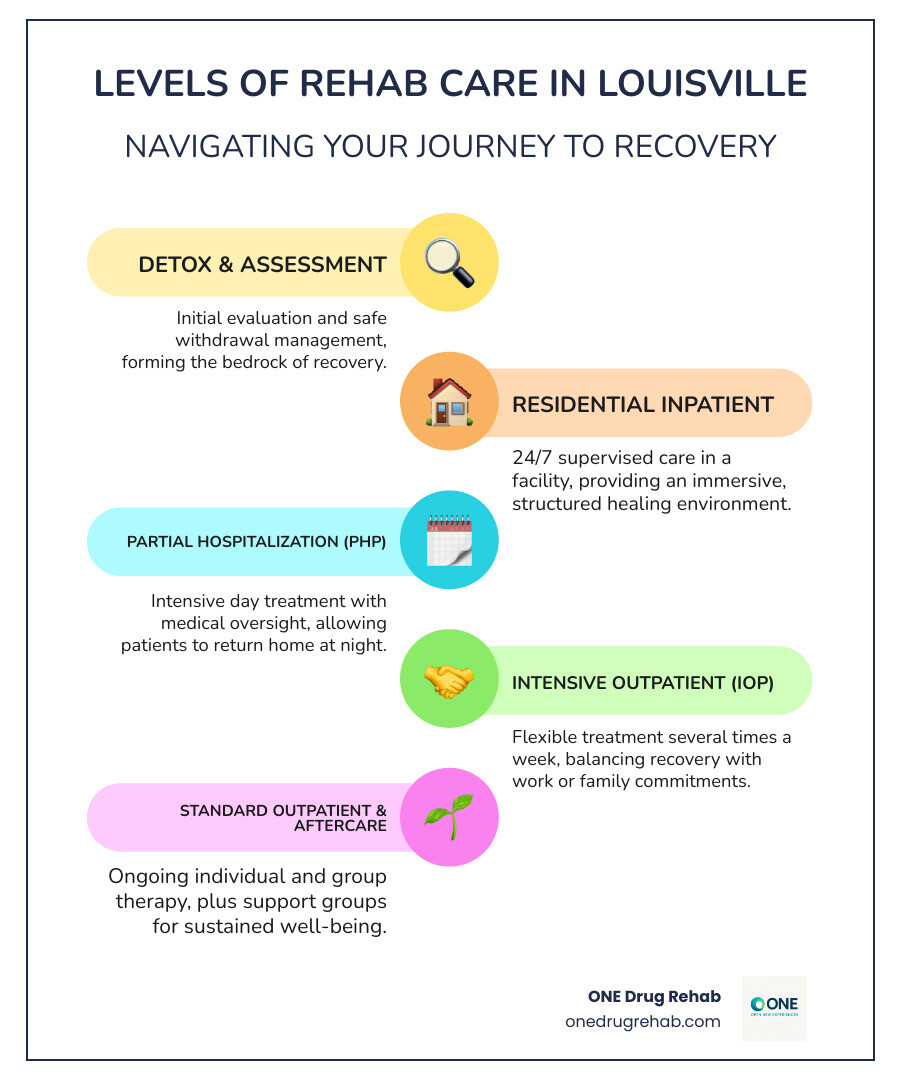
When it comes to addiction recovery, rehab centers in louisville ky offer a tiered approach, ensuring that individuals can find a program that matches the severity of their addiction, their personal circumstances, and their recovery goals. It’s not a one-size-fits-all solution, and understanding these different levels of care is crucial.
- Detoxification: Often the first step, medically supervised detox helps individuals safely withdraw from substances. This is a critical stage to manage acute withdrawal symptoms and stabilize the body before beginning deeper therapeutic work.
- Inpatient Residential Treatment: For those requiring a highly structured and immersive environment, residential programs provide 24/7 care within a facility. Patients live at the center, engaging in intensive therapy, counseling, and activities designed to build foundational recovery skills away from external triggers. This level of care is ideal for severe addictions or when a safe, substance-free environment is paramount.
- Partial Hospitalization Programs (PHP): PHPs offer a step down from residential care, or a more intensive option than standard outpatient. Participants attend therapy and treatment sessions for several hours a day, multiple days a week, but return home or to a sober living environment in the evenings. This allows for significant clinical support while beginning to reintegrate into daily life.
- Intensive Outpatient Programs (IOP): IOPs provide a flexible yet structured approach, allowing individuals to maintain work, school, or family responsibilities while receiving robust treatment. Sessions typically occur a few hours a day, a few days a week, focusing on relapse prevention, coping skills, and support.
- Outpatient Programs (OP): This is the least intensive level of care, offering weekly or bi-weekly therapy sessions. It’s often used as a long-term maintenance program after completing more intensive treatment, or for individuals with mild substance use disorders who have strong support systems at home.
- Medication-Assisted Treatment (MAT): MAT combines FDA-approved medications with counseling and behavioral therapies. This evidence-based approach is highly effective for opioid and alcohol use disorders, helping to reduce cravings and withdrawal symptoms, thus increasing the likelihood of successful recovery. Kentucky’s state Medicaid plan notably reclassified MAT as a medical benefit in October 2021, making it more accessible to residents receiving Medicaid.
- Dual Diagnosis Treatment: Many individuals struggling with addiction also have co-occurring mental health disorders (like depression, anxiety, or PTSD). Dual diagnosis programs address both conditions simultaneously, recognizing that treating one without the other often leads to relapse.
Specialized Physical and Medical Rehab
Louisville isn’t just about addiction recovery; it’s also a leader in physical and medical rehabilitation. The UofL Health – Frazier Rehabilitation Institute stands out as a guide of hope for those facing significant physical challenges.
UofL Health – Frazier Rehabilitation Institute is a 135-bed inpatient acute rehab hospital located right in downtown Louisville. For over six decades, Frazier Rehab has been a regional leader, providing comprehensive acute rehabilitation. Their philosophy, often referred to as ‘The Power of U,’ emphasizes rebuilding lives by working with every patient to create and help them achieve their unique goals.
They offer a wide array of specialized programs, delivered by highly skilled physicians and therapists, including:
- Brain Injury Recovery: Helping patients regain cognitive and physical functions after traumatic or acquired brain injuries.
- Spinal Cord Medicine: Comprehensive care for individuals with spinal cord injuries, focusing on maximizing independence and quality of life.
- Stroke Recovery: Custom programs to help stroke survivors recover movement, speech, and cognitive abilities.
- Movement Disorders: Specialized therapies for conditions like Parkinson’s disease, helping manage symptoms and improve mobility.
- Amputee Care: Providing prosthetic training, physical therapy, and emotional support for individuals with limb loss.
- Cancer Rehabilitation: Addressing the physical and functional challenges that arise from cancer and its treatments.
- Pediatric Rehabilitation: Child-friendly programs designed to meet the unique developmental and rehabilitation needs of children.
At Frazier, the approach is holistic, supporting patients from the onset of their condition through recovery, integrating cutting-edge research into therapeutic care. They exemplify the idea that while doctors save lives, “the rehab folks are the ones that put it back together.”
Faith-Based and Holistic Recovery
For many, a spiritual component is vital to their healing journey. Rehab centers in louisville ky recognize this, offering faith-based and holistic programs that integrate spiritual guidance alongside traditional therapeutic modalities.
One prominent example is Isaiah House Addiction Recovery. While they serve communities across Kentucky, their Oliva Center in Louisville offers a unique approach rooted in Christian values. Isaiah House believes in addressing the “whole person,” considering physical, spiritual, educational, and occupational needs. Their testimonials speak volumes, with individuals expressing profound gratitude for finding hope and purpose. As one person shared, “I went from being spiritually, emotionally and mentally broken, to having hope and a passion for something.” Another simply stated, “I just let God write it.”
These programs offer an environment where faith can be a cornerstone of recovery, providing spiritual support, community, and a sense of belonging that can be incredibly powerful for healing. They often combine biblical teachings, prayer, and spiritual counseling with evidence-based therapies.
Beyond specific centers, many individuals in Louisville also find solace and ongoing support through community groups like Alcoholics Anonymous. For more information on local resources, you can explore options like Louisville Alcoholics Anonymous. These groups provide peer support and a fellowship that is often crucial for long-term sobriety.
Featured Rehab Centers in Louisville KY
To give you a clearer picture, let’s shine a spotlight on some of the key rehab centers in louisville ky that exemplify the quality and diversity of care available. These facilities represent different facets of rehabilitation, from acute medical recovery to comprehensive addiction treatment.

When we look at specific centers, we consider their reputation, the scope of their services, and what makes them unique. These examples highlight the commitment Louisville has to providing excellent rehabilitative care.
UofL Health – Frazier Rehabilitation Institute
As we mentioned, UofL Health – Frazier Rehabilitation Institute is a cornerstone of medical rehabilitation in Louisville. Located at 220 Abraham Flexner Way, Louisville, KY 40202, this 135-bed inpatient acute rehab hospital has been a regional leader for over six decades.
What makes Frazier stand out? It’s their unwavering commitment to patient-centric care and their comprehensive approach. They offer specialized programs for brain injury, movement disorders, pediatrics, spinal cord medicine, and stroke recovery. Their team of highly-skilled physicians and therapists works diligently to help patients achieve their unique goals, often integrating cutting-edge research into their therapeutic practices. They truly embody the idea of “rebuilding your life.” If you or a loved one needs acute physical rehabilitation, Frazier is a top-tier choice. You can find directions and more information here: Get Directions to Frazier Rehab.
Isaiah House Addiction Recovery Center
For those seeking addiction recovery with a strong spiritual foundation, Isaiah House is a compelling option. As Kentucky’s largest community-focused nonprofit addiction treatment organization, Isaiah House has a significant presence, including its Oliva Center in Louisville.
Their unique approach addresses the whole person—physical, spiritual, educational, and occupational needs—all rooted in Christian values. They aim not just for sobriety, but for a transformed life, helping individuals find healing, freedom, and purpose. Testimonials from their clients often highlight the profound spiritual and personal growth experienced. They are also involved in innovative partnerships, such as with NET Recovery, which you can learn more about here: Learn More about their NET Recovery partnership. Isaiah House is a testament to the power of faith and community in the journey of recovery, focusing on “Saving Lives. Restoring Families. Improving Communities.”
Bluegrass Recovery Center
When looking for highly-rated addiction treatment, Bluegrass Recovery Center consistently comes up. Located at 8006 National Turnpike, Louisville, KY 40214, this center boasts an impressive Google rating of 5.0 out of 5, based on 24 reviews. This kind of public feedback speaks volumes about patient satisfaction and the quality of care provided.
Beyond glowing reviews, Bluegrass Recovery Center holds a significant credential: it’s certified by The Joint Commission. This certification is a national symbol of quality and commitment to high standards in healthcare, meaning the center has met rigorous performance standards in patient care and safety. For individuals seeking addiction treatment, knowing a facility is Joint Commission certified can provide an extra layer of assurance regarding the professionalism and effectiveness of its programs.
Navigating Costs, Insurance, and Admissions
One of the most common concerns we hear about rehabilitation, whether for addiction or physical injury, is the cost. It’s a valid worry, as comprehensive treatment can indeed be a significant investment. However, we want to assure you that there are numerous options and resources available to make rehab accessible. Understanding the financial and logistical aspects is a crucial step in the journey.
Let’s explain the financial landscape and the typical steps involved in getting admitted to rehab centers in louisville ky.
The Cost of Rehab and Available Payment Options
The cost of rehabilitation varies widely depending on the type of program, its duration, the facility’s amenities, and the level of care required. For instance, an intensive inpatient addiction program will naturally cost more than weekly outpatient therapy. Similarly, acute inpatient physical rehab can be substantial. Comprehensive drug addiction treatment programs can cost upwards of tens of thousands of dollars.
However, don’t let sticker shock deter you. Several payment options can help ease the financial burden:
- Private Insurance: Most private health insurance plans offer some level of coverage for rehabilitation services. Thanks to the 2010 Affordable Care Act, health insurance companies are required to help cover the costs of treatment for drug or alcohol use disorder. The extent of coverage (deductibles, co-pays, out-of-pocket maximums) will depend on your specific plan. It’s always best to contact the rehab center directly to have them verify your insurance benefits.
- Medicaid: As we’ll discuss in more detail, Kentucky Medicaid can be a lifesaver for those with limited income.
- Self-Pay Options: If you don’t have insurance or prefer to pay out-of-pocket, many centers offer self-pay rates.
- Sliding Scale Fees: Some non-profit or community-based centers offer fees based on a patient’s income and ability to pay.
- Financing Plans: Many facilities work with third-party financing companies or offer their own payment plans to spread the cost over time.
- State and Federal Grants: Government funding may be available for certain programs, especially for substance use disorder treatment.
Utilizing Medicaid for Rehab Centers in Louisville KY
For many Kentuckians, Medicaid is a critical resource for accessing necessary rehabilitation services. Medicaid is a state- and federal-funded health insurance program for low-income families and individuals, and its coverage for rehab in Kentucky is quite robust.
We know that financial barriers can often prevent individuals from seeking the help they desperately need. That’s why it’s so important to understand that Medicaid in Kentucky can cover a wide array of addiction treatment costs. Some of the costs of drug addiction treatment covered by Medicaid in Kentucky include:
- Screenings and Assessments
- Psychological Testing
- Crisis Intervention or Mobile Crisis Services
- Residential Treatment
- Partial Hospitalization Programs (PHP)
- Intensive Outpatient Treatment (IOP)
- Outpatient Treatment
- Peer Support Groups
- Individual, Group, and Family Therapy
A significant development occurred in October 2021 when Kentucky’s state Medicaid plan reclassified Medication-Assisted Treatment (MAT) as a medical benefit rather than a rehabilitation benefit. This change means that all residents receiving Medicaid are eligible for coverage for an MAT program if needed, making this evidence-based treatment much more accessible.
It’s also worth noting that while Kentucky does charge copayments for Medicaid services, there is a limit on the copays charged, and they may be determined by your household income. This ensures that copays remain affordable and don’t become an impossible barrier to care.
To find rehab centers in louisville ky that accept Medicaid, you can:
- Contact centers directly: Ask if they accept Kentucky Medicaid and if they can verify your specific coverage.
- Contact Kentucky Medicaid: They can provide a list of approved providers.
- Use online tools: The SAMHSA (Substance Abuse and Mental Health Services Administration) treatment finder tool is an excellent resource for searching by location, payment options (including Medicaid), and treatment type.
The Standard Admission Process
While specific steps might vary slightly between facilities, the general admission process for rehab centers in louisville ky typically follows a clear path:
- Initial Phone Call/Inquiry: Your journey usually begins with a confidential phone call or online inquiry to the admissions team at a chosen center. This is your chance to ask preliminary questions and for the center to gather basic information about your needs.
- Confidential Assessment: A key step is a thorough assessment, often conducted over the phone or in person. This evaluation helps the clinical team understand your specific situation, including the nature of your addiction or physical injury, any co-occurring mental health conditions, medical history, and personal goals. This information is vital for determining the most appropriate level of care and developing a personalized treatment plan.
- Insurance Verification: The admissions team will work with you to verify your insurance benefits. They’ll communicate with your insurance provider (or Medicaid) to understand your coverage, deductibles, co-pays, and any pre-authorization requirements. This helps clarify your financial obligations upfront.
- Intake Coordination: Once the assessment is complete and financial details are sorted, the intake team will coordinate your admission date and logistics. They’ll provide information on what to bring, what to expect upon arrival, and answer any remaining questions.
- Creating a Treatment Plan: Upon admission, you’ll meet with your primary therapist and treatment team. Based on your assessment, they will collaboratively develop an individualized treatment plan custom to your unique needs and goals. This plan will outline the therapies, activities, and support services you’ll engage in during your stay.
The admissions staff are there to guide you through this process with compassion and discretion. Don’t hesitate to ask any questions you have along the way.
How to Choose the Right Louisville Rehab for You
Finding the “right” rehab center is a deeply personal decision, and it’s one of the most critical steps on the path to recovery or improved health. With the variety of rehab centers in louisville ky, how do you narrow down your options and make an informed choice? It’s not just about finding a center, but finding the one that truly fits your unique needs and goals.
We understand that this can feel overwhelming, but by focusing on a few key factors and leveraging available resources, you can confidently select a center that aligns with what you’re looking for.
Critical Factors in Your Decision
When evaluating rehab centers in louisville ky, consider these crucial elements:
- Accreditation and Licensing: Ensure the facility is properly licensed by the state of Kentucky and, if applicable, accredited by reputable national organizations like The Joint Commission (as seen with Bluegrass Recovery Center) or CARF (Commission on Accreditation of Rehabilitation Facilities). These accreditations signify adherence to high standards of care and patient safety.
- Treatment Philosophy: Does the center’s approach resonate with you? Some centers offer a purely clinical, evidence-based model, while others integrate holistic, faith-based (like Isaiah House), or adventure-based therapies. Consider what kind of environment and approach will best support your healing journey.
- Staff Credentials and Experience: Inquire about the qualifications and experience of the clinical staff, including doctors, therapists, counselors, and support personnel. Look for licensed professionals with expertise in your specific condition.
- Program Specializations: Does the center specialize in the type of rehabilitation you need? For addiction, look for expertise in dual diagnosis, MAT, or specific substance use disorders. For physical rehab, ensure they have specialized programs for spinal cord injury, brain injury, stroke, etc., as seen at UofL Health – Frazier Rehabilitation Institute.
- Success Rates and Patient Testimonials: While “success rates” can be hard to quantify universally, ask centers if they track patient outcomes. Patient testimonials and reviews (like Bluegrass Recovery Center’s 5.0 Google rating) can offer valuable insights into the patient experience and the effectiveness of the program from a personal perspective. What do previous patients say about their experience? Do their stories offer hope and encouragement?
- Aftercare and Relapse Prevention Planning: Recovery is a lifelong journey. A good rehab center will emphasize aftercare planning, including connections to sober living, outpatient therapy, support groups, and alumni programs.
The Benefits of Choosing a Local Rehab
While some might consider traveling for rehab, choosing a local center in Louisville can offer distinct advantages:
- Community Support: Staying local allows you to maintain connections with your existing support network of family and friends, who can participate in family therapy sessions and provide crucial encouragement.
- Family Involvement: For both addiction recovery and physical rehabilitation, family involvement is often critical. A local center makes it easier for family members to visit, attend educational programs, and be an active part of the recovery process.
- Familiar Surroundings: For some, the comfort of familiar surroundings and local amenities can be beneficial, reducing the stress of being in an unfamiliar place during a vulnerable time.
- Access to Local Aftercare: Transitioning from inpatient to outpatient care, or continuing with support groups, is smoother when these resources are already established in your home community. This seamless transition can significantly improve long-term outcomes.
- Seamless Transition Home: Returning home after rehab can be challenging. Being familiar with local resources and having a support system already in place can make this transition much more manageable.
Finding Reputable Rehab Centers in Louisville KY
Beyond asking friends, family, or healthcare providers for recommendations, here are some actionable steps to find reputable rehab centers in louisville ky:
- SAMHSA Treatment Finder: The Substance Abuse and Mental Health Services Administration (SAMHSA) website offers a national helpline and a comprehensive online treatment locator tool. You can search by location, type of treatment, and payment options (including Medicaid-accepting facilities). This is an unbiased and reliable resource.
- Verifying Credentials: Don’t just take a center’s word for it. Independently verify their licensing and accreditations through state health departments or the accrediting bodies’ websites.
- Reading Patient Testimonials and Reviews: Websites like Google Reviews (e.g., Bluegrass Recovery Center’s high rating) can provide unfiltered insights from past patients and their families. Look for patterns in feedback.
- Asking Questions: Prepare a list of questions before you call or visit. Ask about daily schedules, therapy modalities, staff-to-patient ratios, visitor policies, and discharge planning.
- Professional Consultations: Consult with your primary care physician, a mental health professional, or an addiction specialist. They can offer personalized recommendations based on their medical expertise and knowledge of local resources.
By taking these steps, you’ll be well-equipped to make an informed decision and find the right fit for your rehabilitation journey in Louisville.
Conclusion
Louisville, Kentucky offers a rich and diverse landscape of rehabilitation services, ensuring that hope and healing are within reach. From nationally recognized physical rehab institutes like UofL Health – Frazier Rehabilitation Institute, to compassionate, faith-based addiction recovery programs such as Isaiah House, and highly-rated centers like Bluegrass Recovery, the right help is available. We’ve explored the various types of addiction treatment, specialized physical rehab, and the crucial role of faith-based approaches. We’ve also steerd the complexities of costs, payment options, and the invaluable support that Kentucky Medicaid provides, especially for Medication-Assisted Treatment.
By understanding your options, carefully considering the financial aspects, and knowing the admission process, you can take the first confident step on your journey to a new beginning. We’ve armed you with critical factors for choosing a center and highlighted the benefits of staying local, emphasizing that finding a personalized fit is key to successful recovery. You don’t have to face these challenges alone. For a comprehensive directory of treatment options and to find the support you deserve, explore the resources available.
Find the right Louisville addiction center for you