

The Lifelong Value of Community
Alumni support programs are structured networks that maintain connections between individuals and their alma mater (or treatment facility) after completion, offering ongoing resources, community, and support for long-term success and wellness.
Quick Overview: What Alumni Support Programs Offer
- Networking opportunities – Connect with peers who share your background
- Career development – Access to job boards, mentorship, and professional growth resources
- Continued education – Workshops, certifications, and skill-building programs
- Social events – Virtual and in-person gatherings that maintain community bonds
- Mentorship programs – Guidance from those who’ve walked a similar path
- Advocacy platforms – Opportunities to support the institution’s mission
- Relapse prevention support (in recovery contexts) – Ongoing accountability and peer encouragement
Graduation doesn’t mean goodbye. Whether you’re completing college or finishing a recovery support program, the transition back to everyday life brings new challenges. Alumni programs exist to bridge that gap.
Research shows that institutions with strong alumni engagement programs see up to 40% higher donor participation rates than those without structured strategies. But the benefits flow both ways. Alumni who stay connected report stronger professional networks, better access to career resources, and a sustained sense of purpose.
In addiction recovery settings specifically, alumni programs serve as a critical component of aftercare. They provide the ongoing support network that helps individuals maintain sobriety, build life skills, and stay accountable to their recovery goals. As one source notes, “longer engagement in treatment including aftercare has many proven benefits, such as fewer relapses and better social functioning.”
The strongest programs understand that support needs evolve over time. A recent graduate needs different resources than someone five years out. Effective alumni networks adapt to these changing needs while maintaining one constant: community.
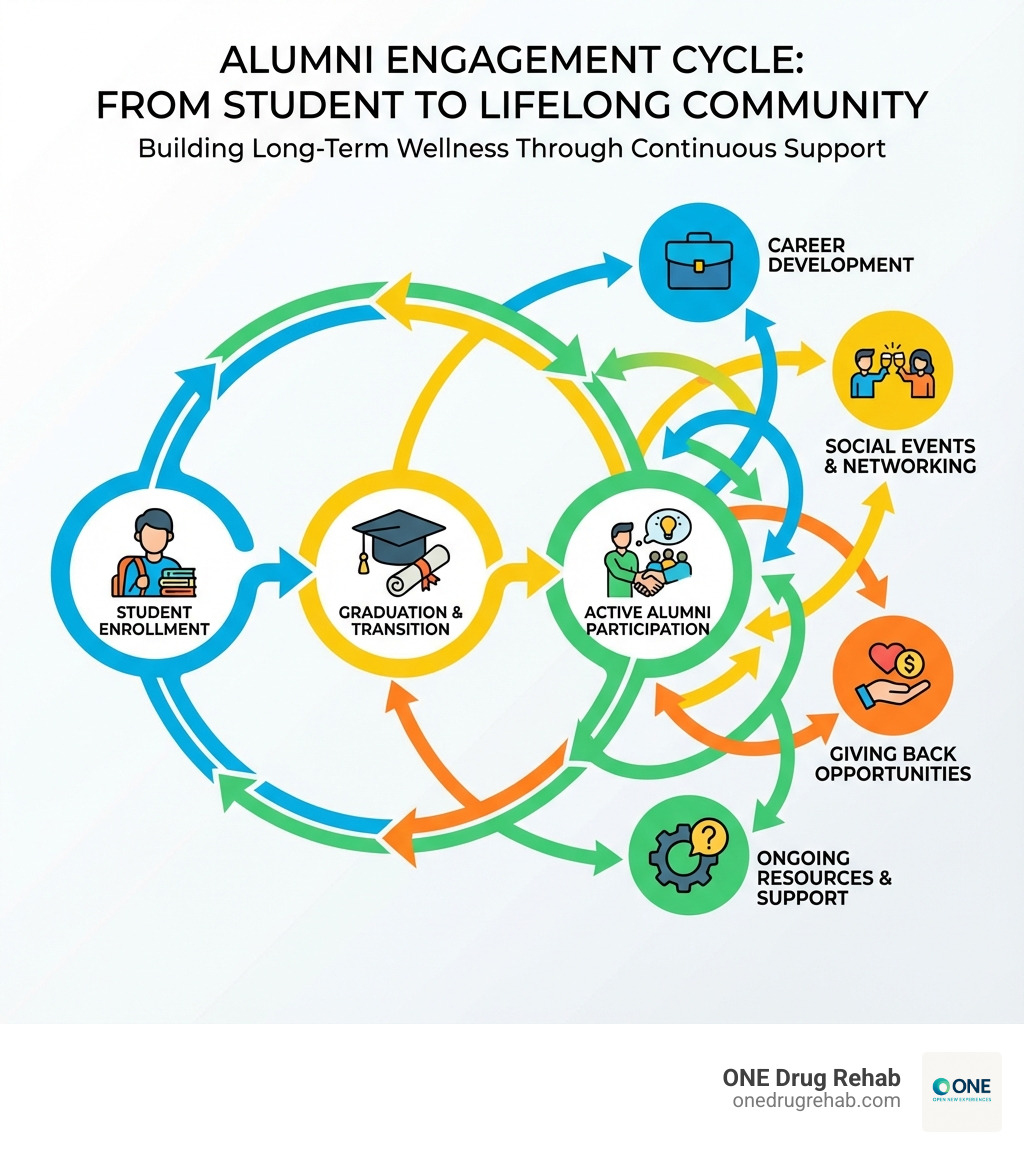
Handy alumni support programs terms:
Why Alumni Programs Matter: Goals and Institutional Benefits
We often think of alumni as just former students or clients, but they are so much more. They are our institution’s living legacy, our biggest cheerleaders, and a powerful force for good. The primary goals of alumni support programs are multifaceted, aiming to cultivate a lifelong relationship that benefits both the individual and the institution. At their core, these programs seek to:
- Maintain a strong, lifelong connection: Keeping alumni engaged ensures they remain a part of our community, no matter where their journey takes them.
- Provide ongoing value and support: Offering resources and opportunities that cater to evolving needs, from career development to personal growth.
- Foster a sense of community and belonging: Creating spaces where alumni can connect with peers, share experiences, and feel supported.
- Encourage advocacy and ambassadorship: Empowering alumni to represent the institution positively in their professional and personal lives.
- Generate philanthropic support: Inspiring a culture of giving back to ensure the institution’s continued success.
These goals directly contribute to an institution’s overall success in profound ways. Alumni are invaluable brand ambassadors, spreading positive word-of-mouth and enhancing our reputation. Their successes reflect well on us, attracting future students or clients. They can also be a vital source for student recruitment, often referring bright, motivated individuals who are likely to thrive in our environment.
Fostering a Culture of Philanthropy
One of the most tangible ways alumni support programs contribute to institutional success is through fundraising. It’s no secret that a connected alumnus is a generous alumnus. Institutions with robust engagement strategies typically see significantly higher donor participation rates. In fact, a 2023 study by the Council for Advancement and Support of Education (CASE) found that institutions with strong alumni support programs see up to 40% higher donor participation rates than those without structured engagement strategies.
How do these programs achieve this? By fostering a culture of philanthropy that encourages donations. This isn’t just about making direct appeals; it’s about building a relationship where giving feels like a natural extension of belonging. Strategies include:
- Giving Day Campaigns: These focused, short-term campaigns create excitement and urgency, often leveraging social media and peer-to-peer outreach. For instance, one-third (33%) of alumni donors were prompted to give from a day of giving campaign, demonstrating their effectiveness.
- Annual Giving Programs: Regular, recurring campaigns encourage alumni to make yearly contributions, fostering a habit of giving and providing sustainable sources of philanthropic support. This consistent support is crucial for long-term financial health.
- Personalized Appeals: Tailoring donation requests based on an alumnus’s interests, past giving history, or connection to specific programs can significantly increase response rates.
- Demonstrating Impact: Clearly showing how donations are used and the positive difference they make helps alumni feel that their contributions are valued and impactful.
By creating meaningful engagement opportunities, alumni support programs lay the groundwork for a strong philanthropic future. After all, 60% of alumni in a recent survey say they are likely or very likely to donate in the future, a promising indicator for institutions that nurture these connections.
Leveraging Alumni Advocacy
Beyond financial contributions, alumni are powerful advocates. Their voices can champion our mission, influence public opinion, and even impact legislative decisions. Alumni advocacy efforts can be leveraged to support the institution or its mission in numerous ways:
- Community Influence: Alumni hold positions of influence across various sectors. Their professional and personal networks can open doors, create partnerships, and improve our standing within the broader community.
- Legislative Support: When critical issues arise that affect the institution (e.g., funding, policy changes), alumni can contact legislators, participate in grassroots campaigns, and share their stories to highlight the value and impact of our work. Programs like TRIO, which supports first-generation and low-income students, actively encourage alumni to “SHARE YOUR STORY” to advocate for continued funding and support.
- Mentorship and Recruitment: Alumni can advocate for the institution by mentoring current students and encouraging prospective students to enroll, sharing their positive experiences and the value of their education or recovery journey.
- Brand Promotion: Simply by excelling in their fields and speaking positively about their experiences, alumni naturally promote our brand and reputation.
By mobilizing this passionate network, we can amplify our message and ensure our institution’s long-term vitality.
Measuring the Success of Alumni Programs
How do we know if our efforts are paying off? Measuring the success and impact of alumni support programs is crucial for demonstrating value, securing resources, and continually improving our strategies. We look at a variety of success metrics and Key Performance Indicators (KPIs):
- Event Attendance and Participation: Tracking how many alumni attend events (both virtual and in-person) is a direct measure of engagement. We can segment this data by event type, location, and alumni demographic to understand what resonates most. Events are, in fact, the fourth most used channel for engagement, according to alumni.
- Volunteer Rates: The number of alumni who volunteer their time, expertise, or resources speaks volumes about their commitment. This can include mentorship, serving on boards, or assisting with events.
- Social Media Engagement: Monitoring likes, shares, comments, and overall reach on platforms where alumni connect (42% of alumni use social media to connect with their alma mater) provides insights into digital engagement.
- Donation Tracking and Participation Rates: As discussed, this is a key metric, not just in total dollars but also in the percentage of alumni who contribute.
- Survey Feedback: Regular surveys allow us to gather direct feedback on alumni satisfaction, preferences for communication, types of programs desired, and their overall sense of connection.
- Career Outcomes: For educational institutions, tracking alumni career progression and success can be an indirect measure of the long-term value provided.
- Online Platform Engagement: With 83% of alumni reporting their alma mater uses an online platform to engage them, and 93% of donor alums engaging via an alumni portal, tracking logins, content consumption, and interactions within these platforms is vital.
In the recovery context, measuring success can also involve tracking long-term sobriety rates, relapse prevention, and overall quality of life improvements, akin to the metrics discussed in our Rehab Success Rates Complete Guide. By analyzing these data points, we can refine our strategies and ensure our alumni support programs are truly impactful.
The Architecture of Modern Alumni Support Programs
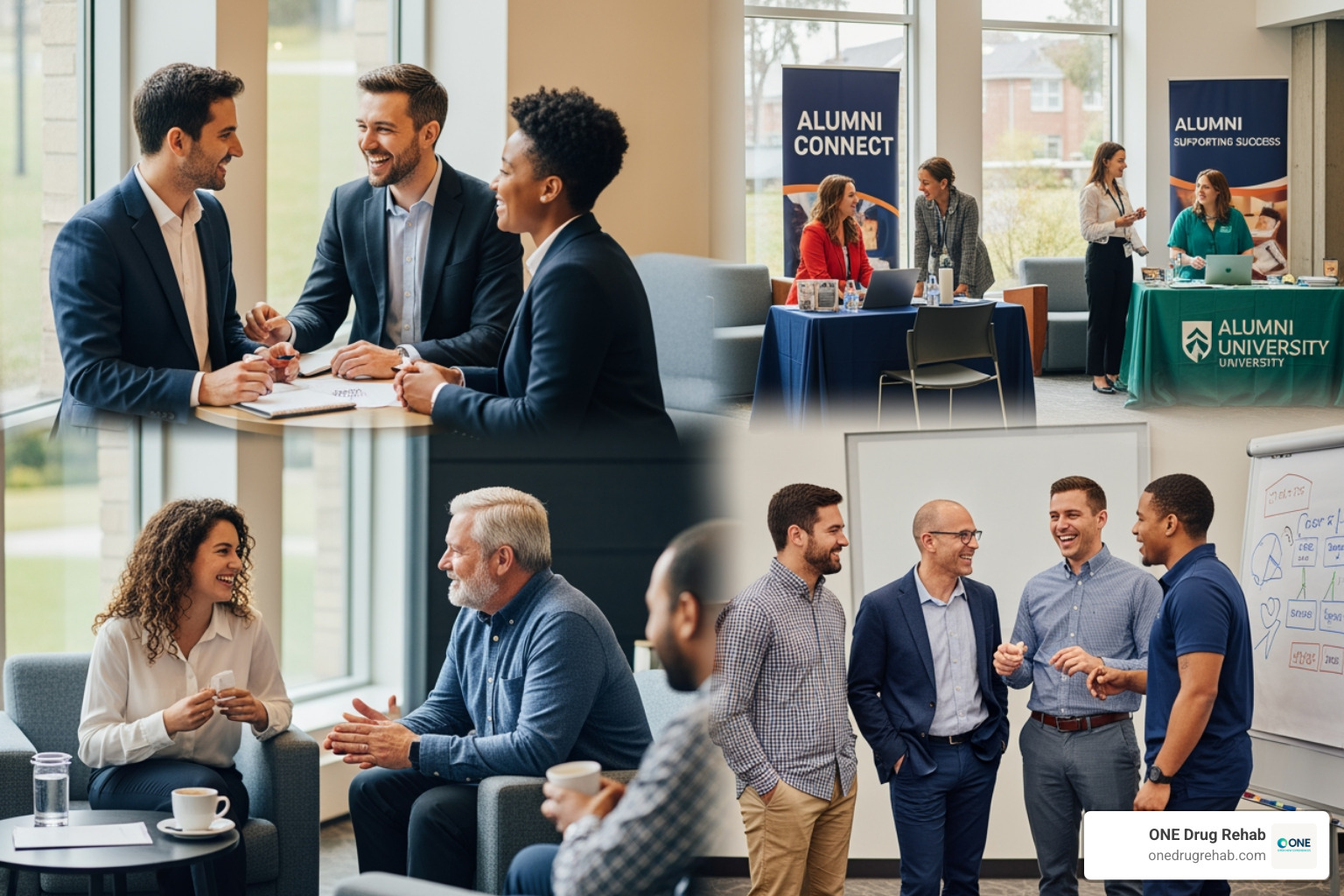
Building effective alumni support programs is like constructing a beautiful, sturdy bridge – it requires careful planning, strong materials, and a clear understanding of who will be crossing it. Modern programs move beyond generic newsletters and annual dinners, embracing strategic, personalized engagement custom to a diverse and dynamic alumni base. This involves thoughtful program components and engagement strategies, with technology playing an increasingly central role.
Key Challenges in Alumni Engagement
Engaging alumni effectively isn’t always a walk in the park. We face several common problems:
- Keeping Alumni Contact Information Up-to-Date: This is perhaps the biggest headache! As alumni progress in their careers and personal lives, they frequently relocate, change jobs, or update their contact details, especially email addresses. This makes it challenging to reach them with relevant opportunities. One clever strategy is to use incentives, like social media prizes or event promotions, to encourage alumni to update their profiles. Sometimes, even texting outdated numbers can lead to acquiring updated information through parents!
- Catering to Diverse Alumni Communities: Our alumni are not a monolithic group. They span different generations, geographic locations, career stages, and interests. A “one-size-fits-all” approach simply won’t work. We need to understand these diverse segments and tailor our offerings accordingly.
- Finding the Right Balance in Communication: Too many emails, and we risk being marked as spam. Too few, and we fade from memory. The challenge is to find the sweet spot – enough communication to stay relevant, but not so much that we overwhelm or annoy.
- Maintaining Long-Term Interest: Life moves fast, and alumni’s priorities change. Keeping them interested and engaged over decades requires adapting to their evolving needs and offering continuous value.
Overcoming these challenges requires a proactive, data-driven, and flexible approach.
Effective Communication and Engagement Channels
To truly connect with our alumni, we need an omnichannel outreach strategy that meets them where they are. This means leveraging a mix of traditional and modern communication channels:
- Email: Still a powerhouse, email is the most leveraged and preferred outreach channel. 68% of alumni say their alma mater engages with them via email, and 61% say it’s their top preferred channel. We use it for newsletters, event invitations, and personalized updates.
- Digital Newsletters: More than just an email, a well-crafted digital newsletter can foster a sense of community by featuring school news, alumni achievements, and student stories.
- Social Media: With 42% of alumni using social media to connect with their alma mater, platforms like LinkedIn, Facebook, and Instagram are crucial for dynamic, interactive content. We use them to share success stories, promote events, and spark conversations.
- Virtual Alumni Community Portals: These branded, exclusive online spaces offer a central hub for networking, resources, and communication. 93% of donor alums engage with their alma mater via an alumni portal, highlighting their importance.
- Text Messaging: This channel is rapidly gaining traction, especially with younger generations. 75% of Gen Z and Millennials would rather text than talk on the phone, and over one-third of Boomers find it acceptable for brands to text them a few times a week. Texting offers a personalized, one-to-one touchpoint at scale and is great for event reminders or quick updates. We can even use Blended Messaging, combining AI with human interaction, for efficient and personalized communication.
- Video Content: From live-streamed events to alumni success stories, video cuts through the noise and delivers messages in a compelling, personal way.
- Phone Calls: While only 13% of alumni prefer to be contacted via phone, it still plays a role, especially for personalized appeals or appreciation during fundraising campaigns.
The key is to use these channels strategically, tailoring content and frequency to each platform and alumni segment.
Tailoring Opportunities for a Diverse Network
Since our alumni network is wonderfully diverse, our engagement opportunities must be too! We achieve this through:
- Segmentation: We divide our alumni into meaningful groups based on graduation year, geographic location, career field, interests, or even their involvement level (e.g., new alumni, established alumni, experienced alumni). This allows us to personalize communications and offerings.
- Varied Events: We offer a mix of virtual and in-person events to cater to different preferences and accessibility needs. Examples include:
- Professional Development Workshops: Covering topics like leadership, career transitions, or industry trends.
- Networking Mixers: Both casual and structured, connecting alumni in similar fields or geographic areas.
- Reunions and Homecoming Events: Classic opportunities to reminisce and reconnect.
- Webinars and Online Speaker Series: Featuring faculty experts or successful alumni.
- Community Service Days: Engaging alumni in meaningful local projects.
- Mentorship Gatherings: Bringing mentors and mentees together.
- Affinity Group Meet-ups: For alumni sharing specific interests, cultural backgrounds, or professional affiliations.
- Family-Friendly Events: Picnics, sporting events, or campus tours that include alumni families.
- Achievement Recognition: Regularly celebrating alumni successes—whether it’s a career milestone, a community award, or a personal achievement—makes them feel valued and keeps them connected.
- Volunteer Opportunities: Encouraging alumni to volunteer their time and expertise, whether mentoring students, serving on advisory boards, or assisting with events, deepens their engagement and provides a sense of purpose. This is particularly vital in recovery programs, where alumni volunteerism can be a powerful component of group therapy for addiction.
By offering a rich mix of opportunities, we ensure that every alumnus can find a way to connect that feels relevant and rewarding to them.
The Payoff for Participants: Key Benefits for Alumni
While institutions reap significant rewards from engaged alumni, the benefits for individuals participating in alumni support programs are equally profound. It’s a reciprocal relationship where everyone wins! For alumni, these programs offer a treasure trove of personal and professional advantages, contributing significantly to their long-term wellness. Just as patients experience many benefits of rehab, alumni experience ongoing benefits from continued connection.
Career Development and Lifelong Learning
One of the most highly valued aspects of alumni support programs is the focus on career development and lifelong learning. In today’s rapidly evolving job market, continuous growth is not just an advantage, it’s a necessity.
- Career Support Services: Many institutions offer dedicated alumni services that include one-on-one career counseling, resume and cover letter reviews, interview preparation, and access to job boards. For instance, recent graduates at some universities can retain access to 1:1 counseling for up to two years post-graduation, and online resources like Handshake for job searching. Career support is consistently cited as the most valuable alumni service institutions provide.
- Professional Development Workshops: These programs offer workshops and webinars on a range of topics, from mastering new software to leadership skills, helping alumni stay competitive and advance in their fields.
- Continuing Education: Many universities provide alumni with special access or discounts on continuing education courses and certificate programs. For example, Cornell alumni receive exclusive access to 30% off any eCornell certificate program in areas like leadership, AI, or project management. This commitment to lifelong learning ensures alumni can continuously upskill and reskill throughout their careers.
- Networking Events: Regular events, both in-person and virtual, create opportunities for alumni to connect with peers, industry leaders, and potential employers or collaborators.
These resources are not just for those seeking a new job; they are for anyone looking to grow, adapt, and thrive professionally. They underscore the idea that our relationship doesn’t end at graduation—it evolves into a partnership for continuous success.
The Power of Mentorship and Networking
Perhaps the most impactful benefit for alumni is the opportunity for mentorship and networking. We all know that navigating life, whether it’s a career path or a recovery journey, is easier with guidance and support.
- Mentorship Programs: These programs formally connect experienced alumni with newer graduates or those seeking advice. Institutions like UCLA have a thriving UCLA Alumni Mentor Program in its 19th year, fostering meaningful relationships between alumni and current students. Yale offers the Yale Alumni Mentorship Program on its Cross Campus platform, matching mentors and mentees based on shared interests and goals. Columbia College’s Odyssey Mentoring Program is founded on the belief that students and alumni want to support one another, share stories, and encourage success, creating a strong, tight-knit community. These programs provide invaluable guidance, perspective, and encouragement, helping mentees avoid common pitfalls and accelerate their growth. For mentors, it’s a chance to give back, share wisdom, and gain new perspectives.
- Networking Value: Beyond formal mentorship, alumni support programs foster a vast network of individuals who share a common bond. This network can be a powerful resource for:
- Job Referrals: Many opportunities arise through personal connections.
- Industry Insights: Gaining advice from those already in your desired field.
- Collaborations: Finding partners for new ventures or projects.
- Emotional Support: Connecting with others who understand your unique journey, especially crucial in recovery contexts.
This sense of community and shared experience is often cited as a key factor in long-term success and well-being. It’s about knowing you’re not alone and that a supportive community is just a call or click away.
Frequently Asked Questions about Alumni Engagement
We understand you might have some lingering questions about alumni support programs and how they work. Here are some of the most common inquiries we receive:
What is the primary goal of an alumni support program?
The primary goal of an alumni support program is to cultivate and maintain a lifelong, mutually beneficial relationship between individuals and their alma mater or treatment facility. This involves providing ongoing value, fostering a strong sense of community, encouraging advocacy, and inspiring philanthropic support. It aims to ensure the long-term success and well-being of both the alumni and the institution.
What are the most effective ways to keep alumni engaged?
Keeping alumni engaged requires a multi-faceted approach. Based on our research and experience, the most effective strategies include:
- Personalized Communication: Tailoring messages and opportunities to specific alumni segments (e.g., by generation, interest, or career stage).
- Diverse Engagement Opportunities: Offering a wide range of events and activities, both virtual and in-person, that appeal to varied interests (e.g., career development, social mixers, volunteer work, mentorship).
- Leveraging Technology: Utilizing online alumni portals, social media, email, and even text messaging for efficient, personalized, and accessible communication.
- Demonstrating Value: Clearly articulating the benefits of engagement, such as career support, networking opportunities, and continued learning.
- Encouraging Feedback: Regularly surveying alumni and involving them in program planning to ensure offerings meet their evolving needs.
How do you measure the success of an alumni program?
Measuring the success of an alumni support program involves tracking a combination of quantitative and qualitative metrics. Key indicators include:
- Participation Rates: The number of alumni attending events, volunteering, or engaging with online platforms.
- Donor Participation: The percentage of alumni who contribute financially, and the growth of philanthropic support over time.
- Engagement Metrics: Social media interactions (likes, shares, comments), website traffic to alumni pages, and email open/click-through rates.
- Alumni Satisfaction: Feedback gathered through surveys about their experiences, the value they perceive, and their overall sense of connection.
- Advocacy Efforts: Tracking alumni involvement in legislative support or student recruitment.
- Career Outcomes: For educational institutions, monitoring alumni career progression and success can also reflect the long-term impact of the institution.
By regularly analyzing these metrics, we can assess effectiveness, identify areas for improvement, and ensure our alumni support programs are continuously evolving to serve our community best.
Conclusion: Building a Community That Lasts a Lifetime
The journey doesn’t end when you walk across the graduation stage or complete a treatment program. It’s just the beginning of a new chapter, one that is ideally supported by a vibrant and active alumni network. Alumni support programs are not just a nice-to-have; they are essential for fostering lifelong connections, promoting continuous growth, and building a resilient community.
We’ve seen how these programs contribute to institutional success through fundraising and advocacy, and how they offer invaluable benefits to alumni, from career development and lifelong learning to powerful mentorship and networking opportunities. In the context of recovery, these programs are a lifeline, providing the ongoing support critical for sustained wellness and relapse prevention.
The future of alumni engagement is bright, marked by personalized outreach, diverse opportunities, and smart technology that connects us all, no matter where life takes us. It’s about nurturing a sense of belonging that lasts a lifetime, reminding us that once part of this community, always part of this community.
At ONEDrugRehab.com, we understand the profound impact that strong aftercare and community support can have on long-term wellness, especially in recovery. While we don’t endorse specific providers, we encourage you to seek out programs that prioritize robust alumni support programs as a key component of their aftercare. These networks can be instrumental in providing the continued connection and resources necessary for a successful, fulfilling life.
Ready to explore programs that truly value lifelong connection? You can find a program with strong alumni support through our directory.