
What the Data Really Shows About Rehab Success in Canada
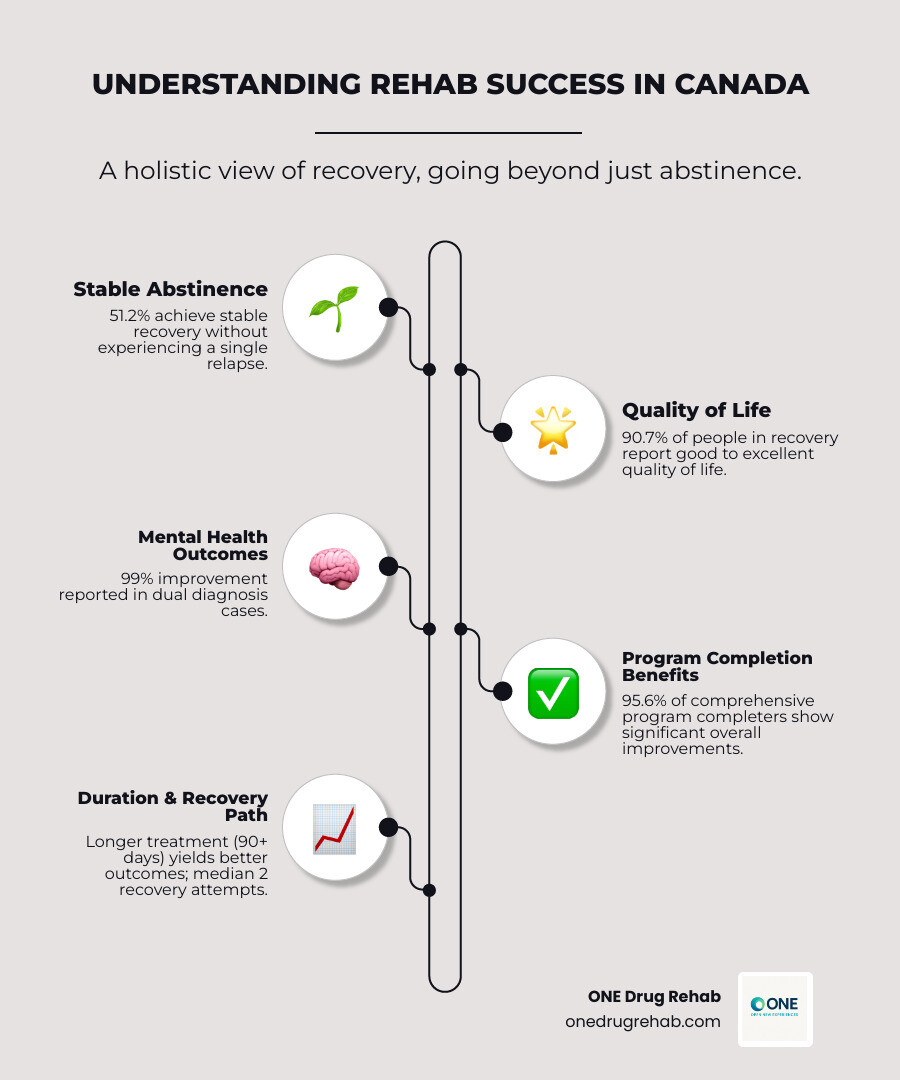
Rehab success rates in Canada vary widely, but the reality is more hopeful than many believe. While relapse rates for substance use disorders are 40-60%—similar to other chronic diseases like diabetes—Canadian research shows 51.2% of people achieve stable recovery without a single relapse.
Quick Facts About Canadian Rehab Success:
- Success rates range from 30-90% depending on the facility and measurement method
- 95.6% of residents who completed comprehensive programs showed significant overall improvements
- Median recovery attempts needed: 2 (much lower than the average of 5.35)
- 90.7% of people in recovery report good to excellent quality of life
- Long-term treatment (90+ days) shows significantly better outcomes than shorter programs
The challenge isn’t that rehab fails, but that success is personal. It can mean program completion, one-year sobriety, or broader life improvements like better relationships, stable housing, and mental health progress. Understanding these nuances helps set realistic expectations.
As one Canadian recovery study participant shared: “Recovery gives me freedom. It gives me choice. It allows me to follow my dreams. I am no longer chained to my addiction.”
Recovery is possible, and the data proves it—you just need to know what to look for.
Rehab success rates canada glossary:
Defining and Measuring Success: A Look Beyond Abstinence
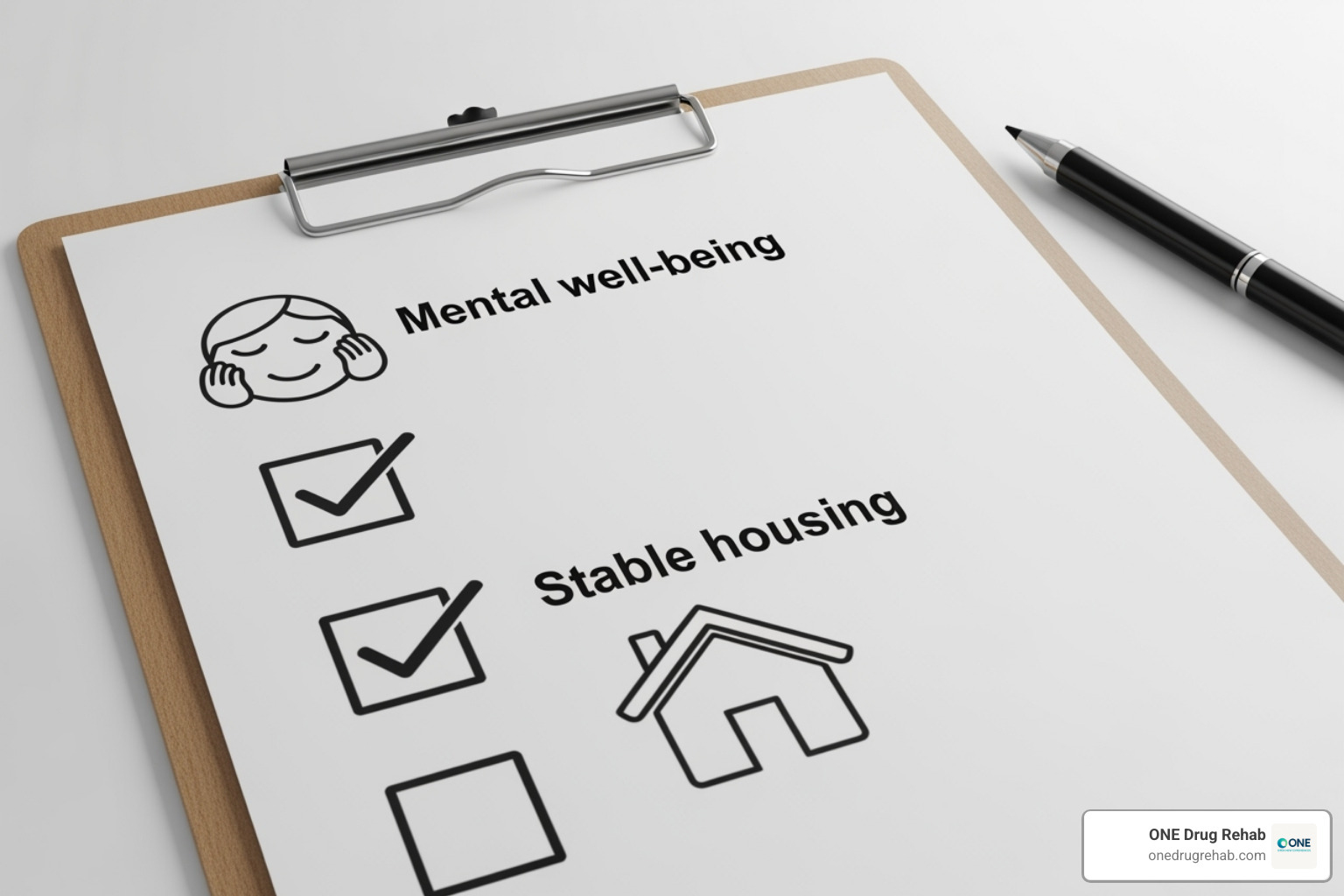
When experts discuss rehab success rates in Canada, they look beyond just staying sober. True recovery is about getting your whole life back—rebuilding relationships, finding stable housing, managing mental health, and refinding your identity. This holistic view makes success rates much more encouraging.
The Canadian Centre on Substance Use and Addiction (CCSA) found that while 51.2% of people achieved stable recovery without a single relapse, an even more telling statistic is that 90.7% of people in recovery reported good to excellent quality of life. This highlights a shift from mere abstinence to genuine fulfillment.
As one person in their study beautifully put it: “Recovery gives me freedom. It gives me choice. It allows me to follow my dreams. I am no longer chained to my addiction.” You can read more about these encouraging findings in A Canadian study on recovery.
What Metrics Are Used to Measure Success?
Effective treatment centers use a toolkit of measurements beyond a simple sobriety checklist. A key tool is the Rehabilitation Wellness Inventory (RWI), a scientific assessment of psychological functioning, anxiety, and depression before and after treatment. Using this, the Canadian Centre for Addictions found 95.6% of residents who completed their program showed significant overall improvements.
Other important metrics include:
- Biopsychosocial assessments: Tracking physical, mental, and social well-being.
- Program completion rates: A strong indicator of positive outcomes.
- Abstinence and reduced substance use: Monitored post-treatment.
- Real-world improvements: Better employment, stronger family relationships, and improved social functioning.
Why a Single “Success Rate” Can Be Misleading
Be wary of facilities advertising a single, high success rate. These numbers can be misleading for several reasons:
- Success is personal: An individual’s goals—like repairing family relationships or finding a job—can’t be captured in one percentage.
- Different calculation methods: Centers use varying criteria. Some only count program graduates, while others track sobriety for different lengths of time, making comparisons difficult.
- Exclusion of early leavers: Omitting those who leave treatment early inflates success statistics.
- Focus on abstinence only: This narrow view ignores significant progress in mental health, relationships, and overall life satisfaction, even if a relapse occurs.
Unfortunately, standardized reporting for rehab success rates canada is still lacking. It’s crucial to ask facilities how they define and measure their outcomes.
For a more detailed look at how these success rates work across different types of addiction, check out our guide on addiction recovery success rates.
Unpacking the Numbers: What Are the Rehab Success Rates Canada Reports?
While a single definitive rehab success rate for Canada is elusive, available data tells a hopeful story. The Canadian Centre on Substance Use and Addiction (CCSA) found that 51.2% of people achieve stable recovery without a single relapse. For those who do experience setbacks, it’s important to understand the context.
Relapse rates for substance use disorders (40-60%) are similar to those for other chronic diseases like diabetes or hypertension. This reframes addiction as a manageable medical condition, not a moral failing, which is key to understanding recovery and success.

Understanding Relapse and Recovery Attempts
The myth that recovery requires endless attempts is misleading. While one study found the average number of recovery attempts to be 5.35, this number was skewed by a few outliers. The more representative figure is the median: only 2 recovery attempts.
This means most people achieve lasting recovery within just a few serious tries, shattering the stereotype of a decades-long struggle. Relapse should be viewed not as failure, but as part of the learning process, where each attempt builds skills and motivation for the future. For detailed insights into this research, check out Research on recovery attempts.
A Look at Specific Substance Success Rates
Rehab success rates in Canada vary by substance, but effective treatments exist for all.
- Alcohol: Shows a 62% success rate overall. While complete sobriety varies, former patients significantly reduce drinking. Long-term AA attendance dramatically improves outcomes.
- Opioids and Heroin: Medication-Assisted Treatment (MAT) is highly effective, with some programs reporting 60-90% success rates and a 90% reduction in heroin use. Long-term engagement is key.
- Cocaine: Treatment relies on behavioral interventions, as no MAT is available. Long-term residential treatment (90+ days) is associated with the best outcomes.
- Methamphetamine: Comprehensive behavioral programs like the Matrix Model show promising results, with 60% of participants remaining sober after six months.
The takeaway is that despite unique challenges, effective treatments are available for every substance. For more detailed breakdowns by substance type, explore our guide on success rates for drug rehab.
Key Factors That Influence Positive Rehab Outcomes
Positive rehab success rates in Canada aren’t based on luck; they depend on several key factors working together. Success is built on:
- Personal Commitment: The individual’s willingness to change is foundational, even if motivation grows over time.
- Evidence-Based Treatment: Using scientifically proven methods like Cognitive Behavioral Therapy (CBT) and Medication-Assisted Treatment (MAT) is critical.
- Aftercare Planning: A solid plan for continued support after leaving rehab is essential for long-term success.
- Support Systems: Strong connections with family, friends, and support groups provide the “social capital” needed to sustain recovery.
- Treatment Duration: As research from NIDA shows, longer treatment programs consistently lead to better outcomes. You can explore more about what makes treatment effective in NIDA’s principles of effective treatment.
The Critical Role of Addressing Co-Occurring Mental Health Issues
Addiction is often intertwined with underlying mental health conditions like anxiety, depression, or trauma—a combination known as dual diagnosis. This is extremely common; one study showed 74.6% of people entering rehab had co-occurring mental health issues. Treating both conditions simultaneously is crucial.
Simply removing the substance without addressing the root cause of pain is ineffective. Integrated treatment approaches that tackle both addiction and mental health give people the best chance at lasting recovery. The results are powerful: of those with a dual diagnosis who completed a program, an astounding 99% showed improvement in their mood, outlook, and ability to pursue life goals.
The Impact of Treatment Duration and Approach on rehab success rates canada
For the best rehab success rates in Canada, treatment duration and approach are critical.
- Duration: Research is clear that longer is better. NIDA recommends at least 90 days of treatment, as shorter programs have limited effectiveness. This allows time for the brain to heal and for new, healthy habits to form.
- Program Type: The structured environment of inpatient care often leads to higher completion rates (up to 65%) compared to outpatient programs (35%), providing crucial support in early recovery.
- Personalized Approach: A one-size-fits-all model doesn’t work. Effective programs create personalized treatment plans that may include evidence-based therapies (CBT, EMDR), Medication-Assisted Treatment (MAT), and holistic options like yoga or meditation to address individual needs. You can learn more about different options in our guide on Types of Addiction Treatment.
Building Recovery Capital: Support Systems and Personal Motivation
Beyond clinical treatment, building “recovery capital”—the personal and social resources that support long-term recovery—is essential. This includes:
- Support Systems: Family therapy helps heal relationships and create a supportive home environment. 12-step programs (AA, NA) and peer support groups offer a community of people with shared experiences.
- Personal Motivation: Good programs help build and strengthen an individual’s internal drive for change.
- Healthy Coping Skills: Learning to manage stress, triggers, and cravings without substances is fundamental for emotional resilience.
- Long-Term Thinking: Shifting from short-term gratification to making choices based on long-term goals is a key skill developed during recovery.
Combining these resources creates a powerful foundation for a life free from addiction.
Finding an Effective Rehab Program in Canada
Finding the right rehab program can feel overwhelming, but careful research is key to finding one that truly works. Choosing a facility is a critical decision in the recovery journey. Since rehab success rates in Canada vary dramatically, understanding what to look for can be life-changing.

How to Vet and Compare Canadian Rehab Facilities
When researching facilities, investigate these key areas to ensure you’re choosing a quality program:
- Accreditation and Licensing: Verify the facility has proper credentials for its province. A good center will be transparent about this.
- Staff Qualifications: Inquire about the training and experience of doctors, therapists, and counselors.
- Treatment Philosophy: Ensure they use evidence-based methods (CBT, DBT), offer integrated dual diagnosis care, and have realistic expectations—not “miracle cures.”
- Reviews and Success Metrics: Look for patterns in reviews and ask directly about how they measure success. Transparency is a good sign. Our rehab facility reviews offer verified feedback.
- Personalized Care: The program should be custom to the individual’s specific needs, age, substance use, and mental health status.
- Continuum of Care: Look for programs offering a full range of services, from detox to aftercare.
- Cost and Payment: Be upfront about costs. Many facilities offer payment plans or can help you find funding. Use our tool to compare rehab centers to weigh your options.
Overcoming Common Barriers to Accessing Treatment
Several barriers can make accessing treatment difficult, but they can be overcome:
- Cost and Funding: While many programs are private pay, options like government-funded centers, sliding-scale fees, and payment plans exist. Our guide to find rehab without insurance offers solutions.
- Wait Times: Long waits for public programs can be a major hurdle when motivation is high. Exploring different options is key.
- Stigma: Fear of judgment from family, friends, or employers prevents many from seeking help.
- Geographic Limitations: In a vast country like Canada, accessing specialized care can be difficult for those in rural or remote areas.
- Culturally Appropriate Care: Finding treatment that respects cultural values and traditions is a challenge for Indigenous and other diverse populations.
While frustrating, these barriers are not impossible. Persistence and research can help you find a path to effective treatment. Seeking help is an act of strength.
Frequently Asked Questions about rehab success rates canada
When exploring rehab success rates in Canada, many people have pressing questions born from hope and concern. Here are answers to the most common ones.
Is relapse a sign that addiction treatment has failed?
Absolutely no. Relapse is not a sign of failure. Addiction is a chronic medical condition, much like diabetes or hypertension. A relapse doesn’t mean treatment failed; it means the treatment plan needs to be adjusted. It’s a learning opportunity to identify triggers and strengthen coping skills, and it’s a common part of the journey for many who achieve long-term recovery.
How long should someone stay in rehab for the best chance of success?
Research is clear: longer treatment programs lead to better outcomes. The National Institute on Drug Abuse (NIDA) finds that programs lasting less than 90 days have limited effectiveness. A stay of 90 days or more is recommended to give the brain time to heal, develop new coping skills, and build a strong foundation for lasting recovery.
Are private, more expensive rehabs in Canada more successful?
Cost does not automatically equal better outcomes. While expensive private facilities may offer more amenities, a program’s effectiveness hinges on its clinical quality. The most important factors are the use of evidence-based practices, qualified staff, personalized care, and strong aftercare planning. Excellent outcomes can be found in both public and private facilities that prioritize these core elements over luxury.
Conclusion: Navigating the Path to Lasting Recovery
Our look at rehab success rates in Canada reveals a hopeful truth: recovery is a real and achievable goal for thousands. Success is a personal journey, defined not by a single metric but by rebuilding a meaningful life. The data is encouraging: 51.2% of people achieve stable recovery without relapse, and 90.7% report a good to excellent quality of life.
The path to lasting recovery is built on key factors: long-term care (90+ days), integrated treatment for co-occurring mental health issues, and robust aftercare and support systems. Making an informed decision is your most powerful tool. Look for programs that are transparent, use evidence-based methods, and treat the whole person.
If you or a loved one is struggling, know that there is hope. The ONE Drug Rehab directory is here to provide clear, unbiased information to help you steer this journey. Your next chapter can be one of healing and growth. Take the first step.
Find a suitable rehab program in Canada today