

Understanding the Unique Path to Recovery for Women
Female rehab centers are specialized addiction treatment facilities designed exclusively for women, addressing the unique biological, psychological, and social factors that influence women’s substance use and recovery. These centers offer gender-specific programming, trauma-informed care, and support for issues like motherhood, domestic violence, and co-occurring mental health disorders.
Quick facts about women’s rehab centers:
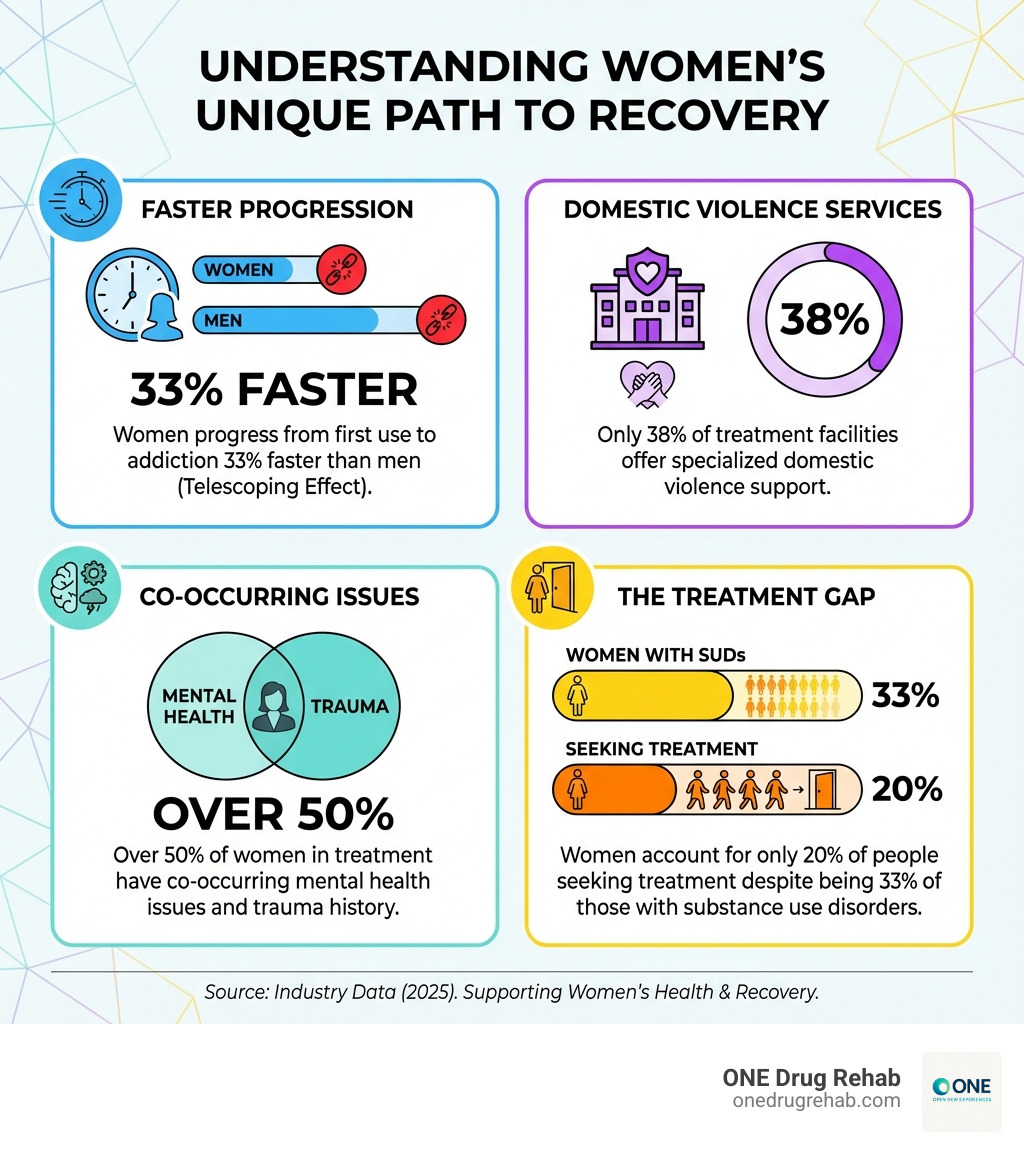
- Faster progression: Women typically develop substance use disorders more quickly than men after first use (known as the “telescoping effect”)
- Higher co-occurrence: Over half of women seeking addiction treatment also have mental health concerns and trauma histories
- Growing need: In the past decade, rates of high-risk drinking, opioid misuse, and methamphetamine overdose have increased more rapidly in women than men
- Treatment gap: Worldwide, women represent about one-third of people with substance use disorders but only one-fifth of those who seek treatment
The path to recovery from addiction is different for everyone. But for women, it presents a unique set of challenges and opportunities that standard, co-ed programs often can’t fully address.
Women face distinct biological factors—like hormonal influences on cravings and faster disease progression. They steer intense societal pressures, from the stigma attached to mothers struggling with addiction to caregiving responsibilities that make seeking help feel impossible. And they carry psychological burdens, including higher rates of trauma, abuse, and mood disorders.
This guide exists to be your comprehensive compass for navigating female-specific addiction treatment. Whether you’re seeking help for yourself or a loved one, understanding why women-only programs matter and what they offer can make all the difference in choosing the right path forward.
The Case for Female Rehab Centers: Addressing Women’s Unique Challenges
When we talk about addiction and recovery, it’s crucial to acknowledge that women often walk a different road than men. This isn’t just about preference; it’s about significant biological, psychological, and societal distinctions that impact both substance use and the effectiveness of treatment.
Biological and Psychological Differences
Research consistently shows that women experience what’s known as the “telescoping effect.” This means that from the moment they start using substances, they tend to progress more quickly to a diagnosable substance use disorder (SUD) than men. Our bodies also process substances differently, and hormonal fluctuations can influence cravings and relapse risk.
Furthermore, women often experience more addiction-related mental health problems. Co-occurring disorders like depression, anxiety, PTSD, and eating disorders are highly prevalent among women with SUDs. More than half of women seeking treatment for a SUD also have mental health concerns and a history of trauma. These aren’t isolated issues; they’re deeply intertwined, creating a complex web that requires specialized attention.
Societal and Relational Pressures
Beyond biology, women contend with a unique set of societal expectations and pressures. The stigma associated with addiction can be particularly harsh for mothers, leading to immense guilt and fear of losing their children. Caregiving responsibilities—whether for children, aging parents, or other family members—can become significant barriers to seeking and completing treatment. Many women feel they simply cannot step away from their roles, even for their own healing.
Relationship dynamics also play a powerful role. Women may find themselves in tumultuous or enabling relationships, and the fear of judgment or abandonment can prevent them from reaching out for help. These “disconnections,” including imbalanced power dynamics or feelings of being unheard, can profoundly impact a woman’s journey into and out of addiction.
The Power of a Women-Only Environment
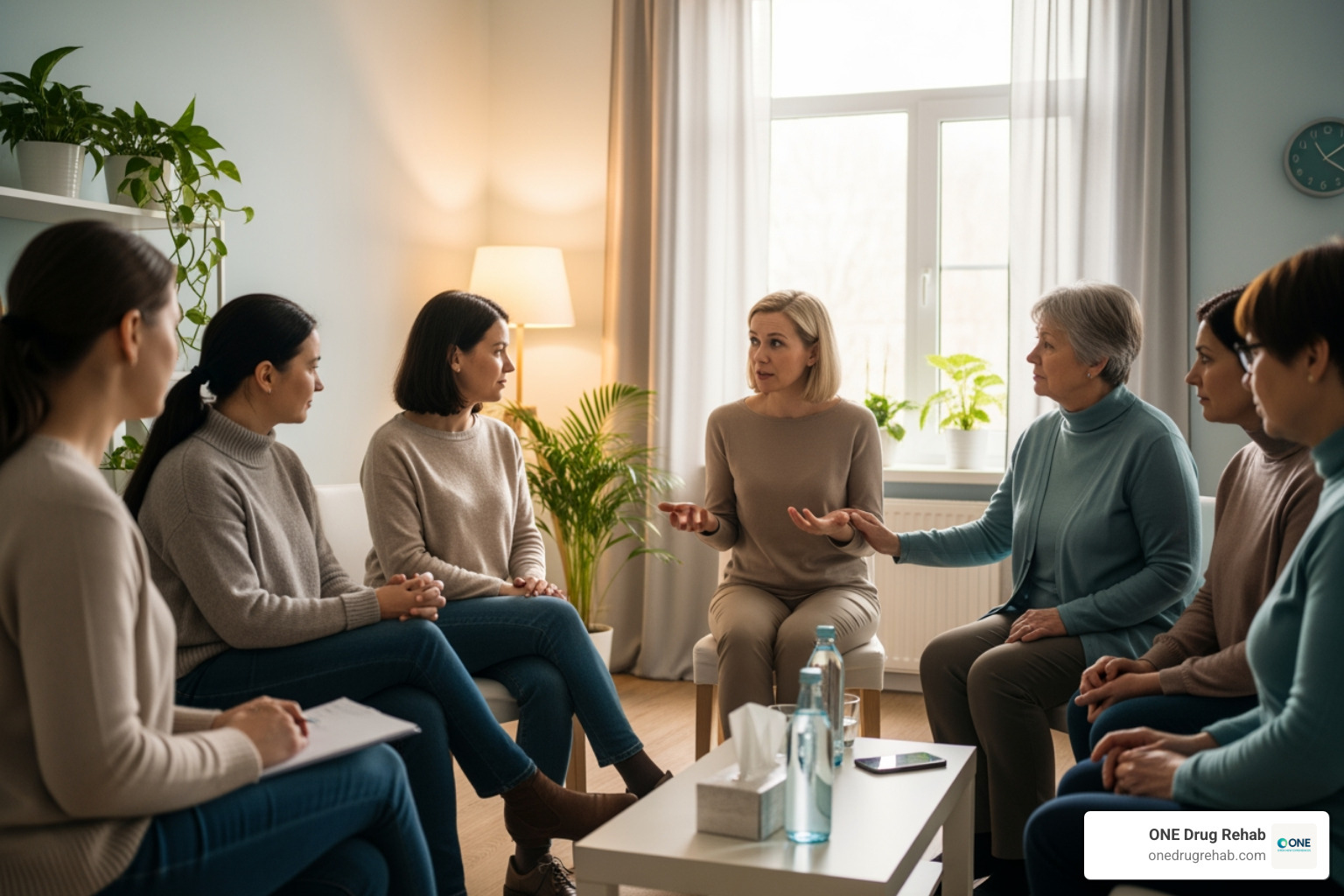
This is precisely where female rehab centers shine. By creating an environment exclusively for women, these centers offer:
- Physical and Emotional Safety: In a women-only space, many feel safer discussing sensitive topics, especially those related to trauma, abuse, body image, and sexuality, without the potential discomfort or distraction that can arise in mixed-gender settings.
- Reduced Distraction: Removing potential romantic or sexual distractions allows women to focus entirely on their personal healing and growth.
- Openness and Vulnerability: Women often find it easier to open up about their experiences, including past abuse, relationship issues, and identity struggles, when surrounded by others who share similar life experiences.
- Building a Strong Sisterhood: These environments foster deep connections and a powerful sense of community, allowing women to build a robust sober support network.
The Benefits of a Gender-Specific Approach
A gender-specific approach isn’t just a nicety; it’s an evidence-based practice shown to improve outcomes. Our research indicates that women progress more quickly from first substance use to addiction and experience more addiction-related mental health problems compared to men. Female rehab centers are designed to directly address these disparities.
Benefits include:
- Community Building: Forming bonds with other women who truly “get it” can be incredibly validating and empowering.
- Focused Discussions: Therapeutic sessions can dig into issues uniquely relevant to women, such as body image, self-esteem, relationships, and the challenges of balancing recovery with family life.
- Empowerment: Women learn to reclaim their voices, set boundaries, and build self-worth in an environment free from patriarchal structures or gender-based power imbalances.
- Safe Space for Vulnerability: The absence of men can allow for a deeper level of vulnerability and emotional processing, particularly around sensitive topics like sexual trauma or domestic abuse.
How Community and Peer Support Fuel Recovery
The role of peer support and community in women’s recovery cannot be overstated. In a women-only setting, shared life experiences create a unique bond. We often hear stories of women finding sisters, mentors, and accountability partners who understand their struggles on a fundamental level.
This mutual understanding reduces feelings of isolation and shame, which are often significant barriers to recovery for women. Building healthy female friendships within a supportive community provides a vital foundation for long-term sobriety, offering a network of encouragement and shared strength that extends far beyond the treatment center walls.
Integrated Healing: Treating Trauma, Abuse, and Co-Occurring Disorders
For many women, addiction is not a standalone issue. It’s often deeply intertwined with past experiences of trauma, abuse, and co-occurring mental health disorders. Effective female rehab centers recognize this intricate connection and offer integrated, specialized care.

The Link Between Trauma and Addiction
The statistics are stark: over half of women seeking treatment for a substance use disorder also have a history of trauma. This isn’t a coincidence. Trauma, whether from childhood abuse, sexual assault, or other adverse experiences, often leads to a cycle of self-medication. Substances become a way to numb pain, escape memories, or cope with overwhelming emotions.
Breaking this cycle requires a trauma-informed approach. This means understanding that symptoms like anxiety, depression, or even addiction itself are often adaptive responses to trauma. Treatment focuses on creating a safe environment where women can process their trauma without judgment, learning healthier coping mechanisms.
Addressing Domestic Violence and Abuse
The correlation between domestic violence and substance use disorders in women is alarmingly high. Many women use substances to cope with the trauma of abuse, while addiction can also make them more vulnerable to further violence. Our research shows that treatment professionals should screen women for domestic violence as a standard practice.
Female rehab centers play a critical role in addressing these issues. They provide:
- Screening for Abuse: Identifying current or past experiences of domestic violence.
- Safety Planning: Helping women develop strategies for their physical and emotional safety, both during and after treatment.
- Specialized Support Groups: Offering a space for women to share their experiences of abuse and find collective healing.
According to SAMHSA, 38% of treatment facilities offer services regarding domestic violence. Those that do are urged to focus treatment planning on safety, covering emergency procedures, staying safe at home and outside, child safety, legal recourse, and the interconnection of domestic violence, substance use, and mental health. This integrated approach ensures that concerns related to domestic violence are addressed throughout the entire treatment process.
Dual Diagnosis Treatment for Women
Dual diagnosis, also known as co-occurring disorders or comorbidity, refers to the presence of both a mental health disorder and a substance use disorder in an individual. Common co-occurring disorders in women include depression, anxiety, PTSD, and eating disorders. When these conditions coexist, they can exacerbate each other, making both harder to treat independently.
This is why integrated treatment is absolutely crucial for lasting recovery. If we only treat the addiction, the underlying mental health issues persist, increasing the likelihood of relapse. Conversely, if only the mental health condition is addressed, the substance use may continue as a coping mechanism.
The approach to dual diagnosis treatment often differs for women. It frequently incorporates a focus on relational trauma, self-esteem, and empowerment, recognizing that women’s unique societal pressures and experiences can contribute significantly to both their mental health struggles and substance use. Specialized women’s dual diagnosis treatment centers are designed to provide this comprehensive, simultaneous care.
Therapeutic Approaches for Complex Needs
Effective female rehab centers use a range of therapeutic approaches custom to address the complex needs of women:
- Cognitive Behavioral Therapy (CBT): Helps women identify and change negative thought patterns and behaviors that contribute to substance use and mental health issues.
- Dialectical Behavior Therapy (DBT): Excellent for emotional regulation, distress tolerance, and improving interpersonal relationships, often highly beneficial for women with trauma histories or co-occurring personality disorders.
- Eye Movement Desensitization and Reprocessing (EMDR): A highly effective therapy specifically designed to help individuals process traumatic memories and reduce their emotional impact.
- Somatic Experiencing: Focuses on releasing trauma stored in the body, helping women complete self-protective responses that may have been interrupted during traumatic events.
These evidence-based therapies, delivered in a gender-responsive environment, are vital tools in helping women heal from the multifaceted challenges they face.
A Comprehensive Guide to Programs and Therapies
Female rehab centers are not just about separating genders; they’re about providing a rich mix of programs and therapies that speak directly to women’s experiences and needs.
Specialized Support for Motherhood and Family Life
One of the most significant challenges for women seeking treatment is the impact on their families, particularly their children. Many female rehab centers offer specialized programs that address issues like pregnancy, motherhood, and reproductive health directly. This can include:
- Programs for Pregnant Women: Providing a safe, non-judgmental environment where expectant mothers can receive medical care for both themselves and their unborn child while undergoing addiction treatment.
- Addressing Reproductive Health: Offering education and care related to women’s unique reproductive health concerns.
- On-site Childcare or Family Housing: Some facilities, like those highlighted in our Inpatient Rehab for Mothers Guide, allow mothers to bring their children with them, removing a major barrier to treatment.
- Parenting Skills Classes: Helping women strengthen their parent-child bonds and develop effective, sober parenting strategies.
- Family Therapy: Healing the entire family system, addressing communication breakdowns, and rebuilding trust.
Holistic and Evidence-Based Therapies
We believe in a whole-person approach to recovery, recognizing that true healing involves the mind, body, and spirit. This is where holistic therapies shine, complementing traditional evidence-based practices.
The advantages of holistic therapies in women’s addiction treatment include:
- Stress Reduction: Techniques like yoga and meditation help manage stress and anxiety, common triggers for relapse.
- Emotional Expression: Art and music therapy offer non-verbal outlets for processing difficult emotions and trauma.
- Connection to Self and Nature: Equine therapy and adventure therapy can build self-esteem, trust, and a sense of accomplishment.
- Physical Well-being: Nutritional counseling supports physical recovery, addressing deficiencies often associated with substance use.
A list of common holistic therapies offered includes:
- Yoga and Meditation
- Mindfulness Practices
- Art and Music Therapy
- Equine Therapy
- Nutritional Counseling
- Adventure Therapy
These are integrated with evidence-based practices like CBT, DBT, and EMDR, forming a powerful foundation for sustainable recovery.
Effective Therapeutic Models in Female Rehab Centers
Beyond individual therapies, female rehab centers often employ specific models that resonate deeply with women:
- Relational Therapy: Focuses on understanding how relationships have impacted a woman’s life and addiction, and how to build healthier connections.
- Strengths-Based Approaches: Emphasizes a woman’s inherent strengths, resilience, and unique capabilities rather than solely focusing on deficits.
- Women-Centric 12-Step Groups: Provide a modified version of traditional 12-Step programs, often with specific literature and discussions custom to women’s experiences. Resources like A Woman’s Way through the Twelve Steps are often used.
Finding and Affording the Right Treatment Program
Starting on the journey to recovery is a brave step, and finding the right female rehab center is paramount. Understanding the different levels of care and how to manage the cost can make this process less overwhelming.
Levels of Care Explained
Female rehab centers offer a continuum of care, ensuring that treatment can be custom to individual needs and the severity of the substance use disorder.
- Medical Detox: Often the first step, medically supervised detoxification manages withdrawal symptoms safely and comfortably.
- Inpatient/Residential Rehab: As explored in our Inpatient Rehab for Women Complete Guide, these programs provide 24/7 care in a structured environment. Clients live at the facility, allowing for intensive therapy and removal from triggers.
- Partial Hospitalization Programs (PHP): A step down from inpatient, PHPs offer intensive therapy during the day, with clients returning home or to a sober living environment at night.
- Intensive Outpatient Programs (IOP): More flexible than PHPs, IOPs involve several hours of therapy a few days a week, allowing women to maintain work, family, or educational commitments.
- Sober Living Homes: Facilities like Women’s Elevated Sober Living provide a supportive, substance-free environment for women transitioning from more intensive care, offering structure and peer support.
How to Pay for Rehab
Concerns about cost should never deter someone from seeking help. Fortunately, several options exist to make treatment affordable:
- Health Insurance: Many health insurance plans provide coverage for substance use disorder and mental health treatment. The Affordable Care Act (ACA) significantly expanded access to these services. We recommend calling the number on the back of your insurance card or using our site to verify your benefits.
- State-Funded Options: Federal grants provided by the Substance Abuse and Mental Health Services Administration (SAMHSA), Medicaid reimbursements, and state budgets fund many free or low-cost rehab programs. Eligibility varies by state, so it’s important to research your specific state’s offerings. SAMHSA’s State Agencies page provides contact information for these agencies.
- Payment Plans and Sliding Scales: Many private female rehab centers offer payment plans or adjust costs based on income.
- Scholarships and Loans: Some non-profits and private organizations offer scholarships or low-interest loans specifically for addiction treatment.
What to Look for When Choosing Female Rehab Centers
Choosing the right program is a deeply personal decision. Here’s what we recommend women look for:
- Licensing and Accreditation: Ensure the center is licensed by the state and accredited by reputable organizations like CARF or the Joint Commission. This indicates a commitment to quality and safety standards.
- Staff Credentials and Specializations: Look for highly credentialed staff, including medical practitioners, licensed therapists, and specialists in trauma, dual diagnosis, and women’s health.
- Evidence-Based, Gender-Specific Programming: Verify that the center uses therapies proven effective for women and that the program is designed to address women’s unique needs and challenges.
- Integrated Treatment for Dual Diagnosis: If co-occurring mental health issues are present, integrated treatment is non-negotiable for successful recovery.
- Comprehensive Aftercare Planning: A good rehab doesn’t just treat; it prepares you for life after treatment with robust aftercare plans, alumni programs, and support networks.
Supporting Long-Term Recovery
Recovery is a marathon, not a sprint. Effective female rehab centers understand this and prioritize strategies for long-term sobriety:
- Relapse Prevention Strategies: Teaching coping skills, identifying triggers, and developing a personal relapse prevention plan.
- Alumni Programs: Offering ongoing support, community events, and mentorship opportunities with women who have successfully steerd recovery.
- Continued Therapy and Support Groups: Encouraging ongoing individual or group therapy, and participation in women-centric 12-Step or alternative support groups.
- Building a Sober Social Network: Fostering healthy friendships and connections with other women in recovery who can provide encouragement and accountability.
Frequently Asked Questions about Women’s Rehab
We understand you likely have many questions when considering treatment options. Here are answers to some of the most common ones we hear:
How long does rehab for women typically last?
The length of a rehab program varies significantly based on individual needs, the severity of the addiction, the presence of co-occurring disorders, and insurance coverage. Common program lengths include 30, 60, or 90-day programs. Our research, supported by the National Institute on Drug Abuse (NIDA), indicates that remaining in treatment for the full recommended duration often yields better outcomes. The best programs tailor the duration to the client’s progress and evolving needs.
Can I bring my children with me to rehab?
This is a critical concern for many mothers, and we’re happy to say that some specialized female rehab centers are indeed equipped to accommodate mothers and their children. These unique programs focus on strengthening the parent-child bond while the mother receives comprehensive treatment. However, policies vary widely between facilities. It is essential to inquire directly with centers, especially those that focus on mothers and families, to understand their specific policies, age restrictions for children, and the resources they provide.
What happens if I have a co-occurring mental health disorder?
If you have a co-occurring mental health disorder alongside a substance use disorder, you are experiencing what is known as a dual diagnosis. This is very common in women with SUDs, and it’s a specialty for many female rehab centers. Reputable centers provide integrated treatment, meaning they address both the addiction and the mental health condition simultaneously. This comprehensive approach is not just beneficial; it’s critical for successful, long-term recovery, as treating one without the other often leads to relapse.
Conclusion: Take the First Step on Your Path to Healing
The journey to recovery is unique, and for women, choosing a path that honors their specific experiences is a powerful first step. Female rehab centers provide the safety, understanding, and specialized care needed to heal from addiction and build a foundation for a hopeful future. They acknowledge the intricate interplay of biology, psychology, and societal pressures, offering a supportive environment where women can truly thrive.
At ONEDrugRehab.com, we are committed to being a third-party, non-affiliated resource to help you research and compare your options. We encourage you to take that courageous first step. Find a women’s treatment center that understands your unique journey by exploring our provider listings, such as the Wayside Women’s Treatment Center. Your compass to healing and hope awaits.