

Understanding Your Sober Living Options in Massachusetts
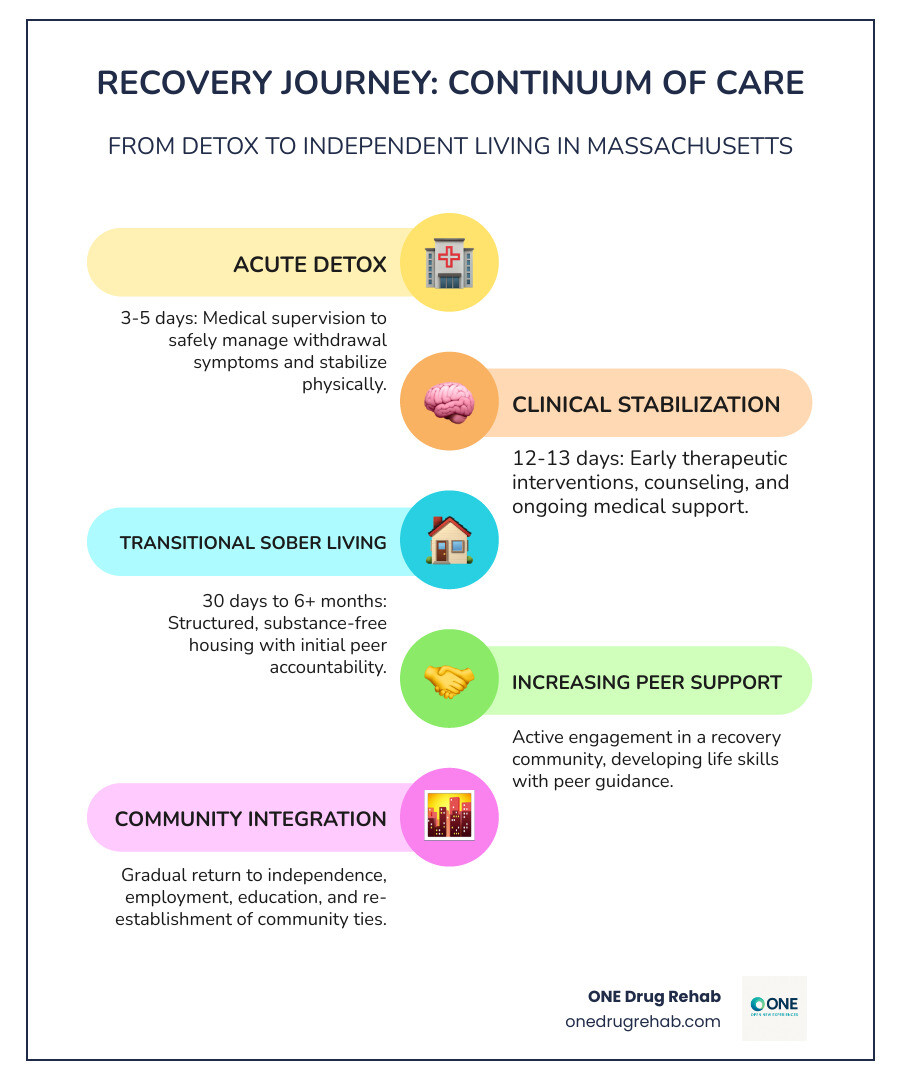
Mass sober housing refers to sober living homes and recovery residences across Massachusetts. These homes provide a structured, substance-free environment for individuals transitioning from addiction treatment to independent living. They offer a crucial buffer against the risks of returning home too soon, providing peer support, accountability, and a safe place to practice sober living skills.
Quick Overview: What You Need to Know About Mass Sober Housing
- What it is: Peer-led, substance-free group homes (not treatment facilities)
- Who certifies them: Massachusetts Alliance for Sober Housing (MASH) maintains standards for 180+ certified homes
- Who they serve: Adults 18+ in recovery, typically requiring 14+ days of sobriety
- What they cost: Starting around $150/week, with some financial aid available through state programs
- Key benefits: Structured environment, peer accountability, house rules, connection to recovery community
Massachusetts has a robust system of certified sober homes. These are not clinical facilities offering formal therapy; instead, they focus on peer-led support in a residential setting. Residents live together, share responsibilities, and support one another in their commitment to sobriety. The state’s dedication is evident through organizations like MASH and funding initiatives that ensure access to safe and accountable housing.
Mass sober housing definitions:
What is a Sober Living Home?
A sober living home is a residential accommodation for individuals recovering from substance use disorders. It acts as a stepping stone between intensive rehab and full independence. The primary focus is on providing a structured environment that fosters peer support and accountability. Residents live together, share chores, attend house meetings, and often participate in external recovery programs like 12-step meetings. This communal model helps individuals develop healthy routines and build a strong support network, giving them the best chance for lasting success.
Understanding the Landscape of Mass Sober Housing
Massachusetts has developed strong statewide initiatives for sober living. The landscape of mass sober housing is largely shaped by the Massachusetts Alliance for Sober Housing (MASH), the state’s primary certification and accountability agency. This system provides assurance that certified homes meet high standards for quality and safety.
Both public and private providers, from large networks like Vanderburgh Sober Living to smaller independent homes, contribute to the ecosystem. Certified homes are committed to providing supportive, substance-free environments. They are typically located in residential neighborhoods to encourage community integration, helping residents find work, attend local meetings, and rebuild a meaningful, connected life. For those exploring drug alcohol rehab in massachusetts options, understanding this post-treatment landscape is a crucial part of planning for long-term recovery.
The Gold Standard: MASH Certification in Mass Sober Housing

When discussing mass sober housing, the Massachusetts Alliance for Sober Housing (MASH) is the key organization. MASH is the gold standard for sober living certification in the state, established in 2007 and managing the statewide certification process since 2016. As an affiliate of the National Alliance for Recovery Residences (NARR), MASH ensures that Massachusetts sober homes align with national best practices for safe and effective recovery environments. You can learn more on their MASH – About Us page.
A critical aspect of MASH certification is its link to state agency referrals. Since 2016, state agencies must refer clients only to certified homes. This policy incentivizes homes to maintain high standards and ensures individuals receive state support only for vetted, accountable environments. The specific criteria for certification are detailed in the MASH – MASH Standards document.
The Role and Core Values of MASH
MASH is the primary agency for accountability, overseeing the certification, supervision, and training for over 180 sober homes in Massachusetts. Its mission is guided by core recovery values:
- Health: Promoting overall physical and mental well-being.
- Home: Creating a safe, stable, and supportive living environment.
- Purpose: Encouraging residents to find meaning through work, education, or personal goals.
- Community: Fostering a sense of belonging and mutual support among residents.
These values are integrated into the policies and culture of MASH-certified homes, changing them from mere buildings into places where individuals can heal and build a foundation for a sober life. This commitment to safe living environments offers peace of mind to residents and their families.
Benefits of Choosing a MASH-Certified Home
While both certified and non-certified homes exist, choosing a MASH-certified home offers distinct advantages for your recovery. The table below highlights the key differences:
| Feature | MASH-Certified Sober Home | Non-Certified Sober Home |
|---|---|---|
| Safety Standards | Adheres to NARR-based standards for health, safety, and operational integrity. | Standards vary widely; may lack consistent oversight. |
| Grievance Process | Established, transparent process for resident complaints and concerns. | May have an informal or non-existent grievance process. |
| Staff Training | Operators and staff receive training on recovery principles and best practices. | Training, if any, is inconsistent and not standardized. |
| Resident Rights | Clearly defined and upheld, including confidentiality and due process. | Rights may be unclear or inconsistently applied. |
| Referral Eligibility | Eligible for referrals from state agencies and related programs. | Generally not eligible for state agency referrals. |
| Accountability | Subject to MASH oversight, including regular audits and quality improvement. | Little to no external accountability. |
| Funding Access | Residents may be eligible for state-funded rental assistance (e.g., RHP). | Not typically eligible for state-funded housing assistance. |
The primary benefit is quality assurance. MASH-certified homes meet strict standards for the physical environment, safety protocols, and ethical conduct. This protects residents from exploitation and ensures a fair, respectful living situation. Finally, certification opens doors to crucial support, including state funding, which can make quality sober living an attainable reality for those with limited income.
Life Inside a Massachusetts Sober Living Home
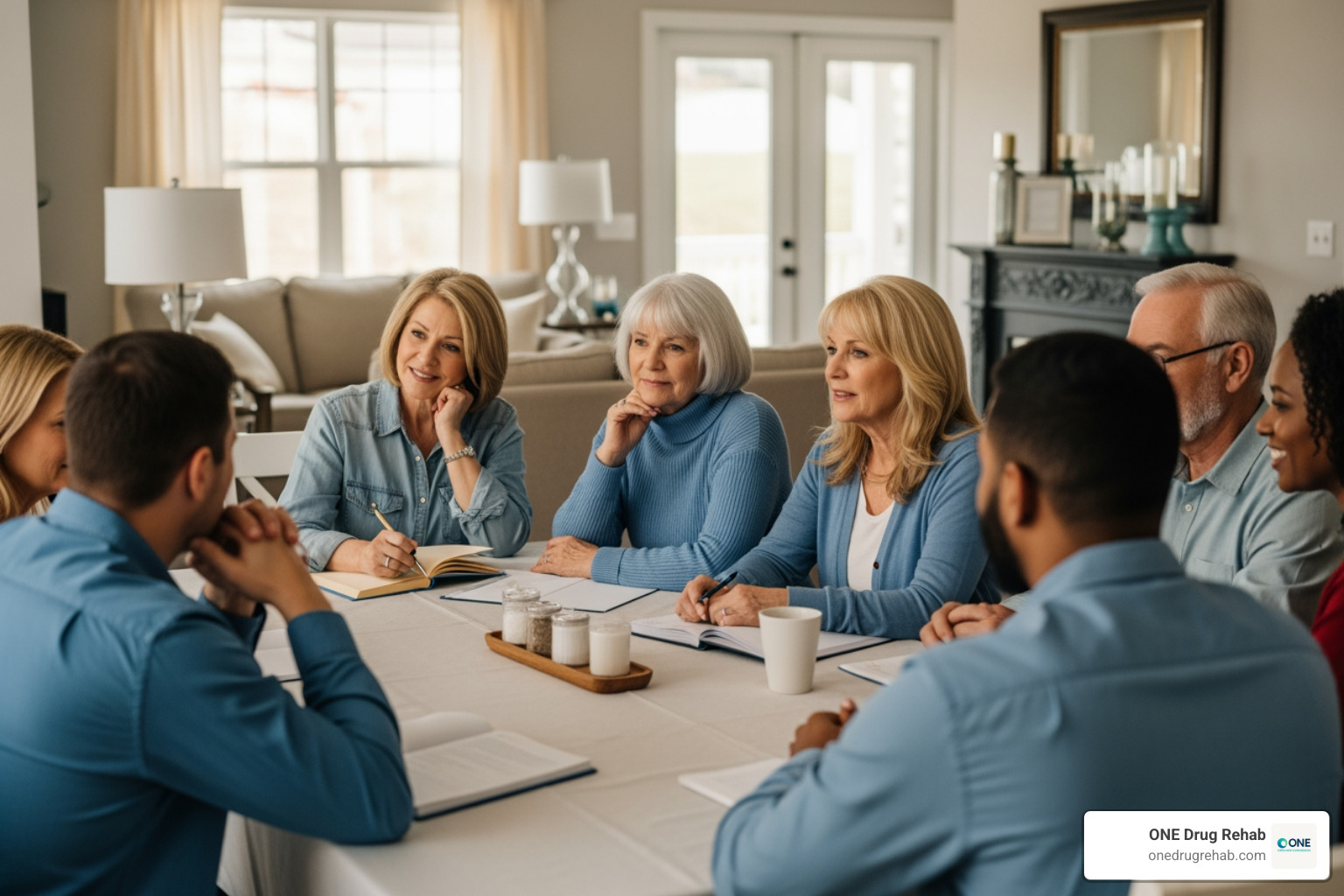
Life inside a mass sober housing facility is structured and supportive, blending personal responsibility with a shared community focus. The goal is to create an environment where residents can thrive in recovery. A typical day involves work or school, household chores, and attending house meetings or external recovery groups. Peer accountability is central, with residents supporting each other’s successes and addressing behaviors that might jeopardize sobriety.
The community atmosphere is a powerful tool against isolation, a common relapse trigger. Living with others who understand the recovery journey is validating and motivating. For a broader perspective on what to expect, our sober living homes guide 2025 offers valuable insights.
Types of Sober Homes and Specializations
Mass sober housing is not one-size-fits-all. Homes often cater to specific populations to create a more resonant environment. Common specializations include:
- Men-Only Homes: Fostering brotherhood and addressing gender-specific recovery issues. The concept is similar to facilities like casa pacifica sober living for men.
- Women-Only Homes: Providing a safe space for women to focus on recovery, as seen in models like womens elevated sober living.
- Co-occurring Disorders Support: Supporting individuals managing both substance use and mental health conditions, often by connecting them to external resources. Our guide on co-occurring disorder treatment provides more context.
- LGBTQ+ Affirming Homes: Offering an inclusive space for the LGBTQ+ community.
- Luxury or Faith-Based Options: Catering to those who prefer higher-end amenities or wish to integrate spiritual principles into their recovery.
Providers like Vanderburgh Sober Living (VSL) operate structured homes with house mentors, while organizations like High Point Treatment Center and Victory Programs offer sober living as part of a care continuum. The Oxford House model, which is democratic and self-run, is also prevalent in Massachusetts.
Common Requirements, Services, and Amenities
While homes vary, most share common requirements and services to ensure a consistent, accountable environment.
Guest Requirements:
- Age: Must be 18 or older.
- Sobriety: A minimum period of sobriety (often 14+ days) is typically required.
- Commitment: A genuine desire to maintain sobriety and participate in the recovery process, usually assessed via an interview.
- Screening: An application and screening process, which may include a background check.
House Rules:
- Zero Tolerance: No alcohol or illicit drug use, enforced with regular drug screenings.
- Curfews: To promote healthy routines.
- Meetings: Mandatory participation in house meetings.
- Chores: Shared responsibility for home cleanliness.
- Recovery Groups: Required or strongly encouraged attendance at 12-step meetings (AA/NA) or other recovery support groups.
Services and Amenities:
Most homes provide a comfortable living environment with:
- Furnished rooms (sometimes shared).
- Communal living rooms, kitchens, and dining areas.
- Included utilities (electricity, heat, water).
- Wi-Fi, cable TV, and on-site laundry facilities.
- Oversight from a house manager or mentor.
Navigating Costs and Financial Support
Cost is a practical consideration when exploring mass sober housing. While more affordable than inpatient treatment, it involves rent and other expenses. Fortunately, Massachusetts provides state support programs to make sober living more accessible. The principles of exploring financial aid for how to afford rehab also apply here.
How Much Does Sober Living Cost in MA?
The cost of sober living in Massachusetts is often comparable to renting a modest apartment. For example, some providers offer all-inclusive rates starting around $150 per week, which covers rent, utilities, and other household expenses. A security deposit (e.g., $200) is also common.
Insurance does not typically cover sober living, as it’s considered housing, not a clinical service. Residents usually pay out-of-pocket. However, state-level programs and sliding scale payment options can help offset these costs. Exploring strategies for addiction treatment without insurance can also provide helpful guidance.
Financial Aid for Mass Sober Housing: The RHP and CCRI
Massachusetts offers financial aid to make mass sober housing more accessible through key initiatives like the Recovery Housing Program (RHP) and the Center for Community Recovery Innovations (CCRI).
The Recovery Housing Program (RHP):
Administered by state agencies like EOHLC and BSAS in partnership with MASH, the RHP provides stable housing for individuals in recovery. The program’s primary tool is rental vouchers, which pay weekly rent directly to MASH-certified sober homes. This assistance is critical for individuals with limited or no income who are entering a sober home or for current residents who have lost employment and need temporary support.
The Center for Community Recovery Innovations (CCRI):
Run by MassHousing, the CCRI provides grants to create and preserve affordable sober housing for individuals and their families. You can learn more at the Affordable Sober Housing through the Center for Community Recovery Innovations (CCRI) page. To date, CCRI has awarded over $16.3 million in grants, helping to create or preserve nearly 3,000 units of substance-free housing across 55 communities. These grants support diverse recovery populations, including men, women, veterans, and the LGBTQ+ community, helping build the infrastructure for affordable mass sober housing.
How to Find and Apply for a Sober Home in Massachusetts
Finding the right sober living home in Massachusetts is a streamlined process, thanks to the state’s certification system. The goal is to find a community where you feel safe and supported. Some providers, like Vanderburgh Sober Living, even use social media to connect with potential residents, as seen on their Vanderburgh Sober Living Facebook page.
Finding a Home and Applying
1. Start with the MASH Directory:
Your best resource for finding mass sober housing is the official directory from the Massachusetts Alliance for Sober Housing (MASH). As the certifying body, MASH maintains a comprehensive list of all homes that meet state standards for safety, ethics, and support. You can find this on the MASH website. State agencies like the Bureau of Substance Addiction Services (BSAS) also refer to this list. While other directories exist, always prioritize MASH-certified options. Organizations like the Massachusetts Sober Housing Corporation also list their properties, which may include certified homes: Programs | Massachusetts Sober Housing Corporation .
2. The Application and Screening Process:
Once you identify potential homes, the next step is the application. This is a mutual assessment to ensure a good fit. The process typically includes:
- Application: Many providers offer convenient online applications. For example, Vanderburgh Sober Living allows you to apply online, by fax, email, or phone via their application page.
- Screening Interview: After applying, expect a phone or in-person interview. The house manager will ask about your recovery history and commitment to sobriety to ensure you meet basic requirements (e.g., 18+ years old, 14+ days sober). Some homes may also conduct background checks.
This is also your chance to ask questions about house rules, daily life, and the support system. Honesty from both sides ensures a harmonious, recovery-focused environment for everyone.
Frequently Asked Questions about Massachusetts Sober Housing
Can I use medication-assisted treatment (MAT) in a MASH-certified home?
Yes, generally. While MASH-certified sober homes are peer-led and do not provide clinical treatment themselves, they are typically supportive of residents using prescribed medication-assisted treatment (MAT) as part of their recovery plan. MASH standards address how prescription and non-prescription medications should be managed and stored within the home, ensuring safety and compliance. The key is that the MAT must be prescribed by a licensed medical professional and used responsibly according to house rules and the resident’s treatment plan. This approach aligns with the understanding that MAT is a valuable tool for many in sustained recovery.
What happens if a resident relapses in a sober living home?
Relapse policies are a crucial component of mass sober housing and are typically outlined in a resident’s agreement. MASH standards require certified homes to have clear relapse policies. Generally, if a resident relapses (uses alcohol or illicit drugs), they will be asked to leave the sober living environment immediately. This is not punitive, but rather a necessary measure to protect the sobriety of the other residents and maintain the integrity of the substance-free environment.
However, many homes offer a pathway to return after a period of renewed sobriety or re-engagement with a higher level of care (like detox or a residential program). The focus is often on supporting the individual back into recovery, even if it means a temporary departure from the sober home. The house manager and peers may offer support and resources to help the individual get back on track.
How long do people typically stay in a sober living home?
The length of stay in mass sober housing can vary significantly, as it depends on individual needs and recovery progress. We’ve seen that while some transitional support programs or “halfway houses” might be for shorter durations, perhaps 30 days to 6 months, the average length of stay in a sober living facility can range from 6 months to several years.
The goal isn’t just to stay sober for a short period, but to build a strong foundation for long-term recovery and independent living. Residents often stay until they feel confident and stable enough to transition back to fully independent living, have secured stable employment, and have built a solid support network outside of the sober home. It’s about taking the time you need to truly thrive.
Conclusion: Taking the Next Step in Your Recovery Journey
Navigating the path to lasting sobriety is a courageous journey, and finding the right support system is paramount. Mass sober housing offers a vital bridge from intensive treatment to independent living, providing a structured, safe, and communal environment where recovery can truly flourish. We’ve seen how these homes offer the invaluable benefits of peer accountability, daily structure, and a supportive community, all essential ingredients for rebuilding a life free from substance use.
The Massachusetts Alliance for Sober Housing (MASH) plays a critical role in this landscape, acting as a guide of quality and accountability. Choosing a MASH-certified home means opting for an environment that adheres to rigorous standards, prioritizing your safety, well-being, and sustained recovery. It’s a choice that not only offers peace of mind but also opens doors to potential financial assistance through programs like the RHP and CCRI.
Whether you’re exploring men-only, women-only, or co-occurring disorder support homes, the diverse range of mass sober housing options means there’s likely a perfect fit for your unique needs. Understanding the requirements, services, and application process empowers you to make an informed decision. You don’t have to walk this path alone. For additional resources and to explore structured sober living options that can support your recovery, we encourage you to visit us at Explore structured sober living options to support your recovery. Your next step towards a healthier, happier life starts now.