
Why Understanding Your Rehabilitation Options Matters
Types of rehab encompass a wide range of treatment programs designed to help individuals recover from addiction, injury, or illness. When you or a loved one needs help, knowing which path to take can feel overwhelming, but understanding your options is the first step toward reclaiming your independence.
Quick Overview: Main Types of Rehab
For Substance Use Disorders:
- Detoxification (Detox): Medically supervised withdrawal.
- Inpatient/Residential Treatment: 24/7 care at a live-in facility.
- Outpatient Programs (IOP/PHP): Treatment while living at home.
- Sober Living Homes: Transitional housing with peer support.
- Aftercare Programs: Ongoing support like therapy and meetings.
For Physical and Cognitive Recovery:
- Physical Therapy: Restoring movement and managing pain.
- Occupational Therapy: Relearning daily living skills.
- Speech Therapy: Addressing communication and swallowing issues.
- Cognitive Rehabilitation: Improving memory and thinking skills.
- Vocational Rehabilitation: Support for returning to work.
Globally, an estimated 2.4 billion people live with a health condition that could benefit from rehabilitation. Whether for addiction, stroke, surgery, or injury, rehab is designed to optimize your functioning.
Addiction, specifically, is a chronic but treatable medical condition. The key is finding a person-centered approach that addresses your unique needs. This guide breaks down the different types of rehab programs, explains what each offers, and helps you understand which might be the right fit.
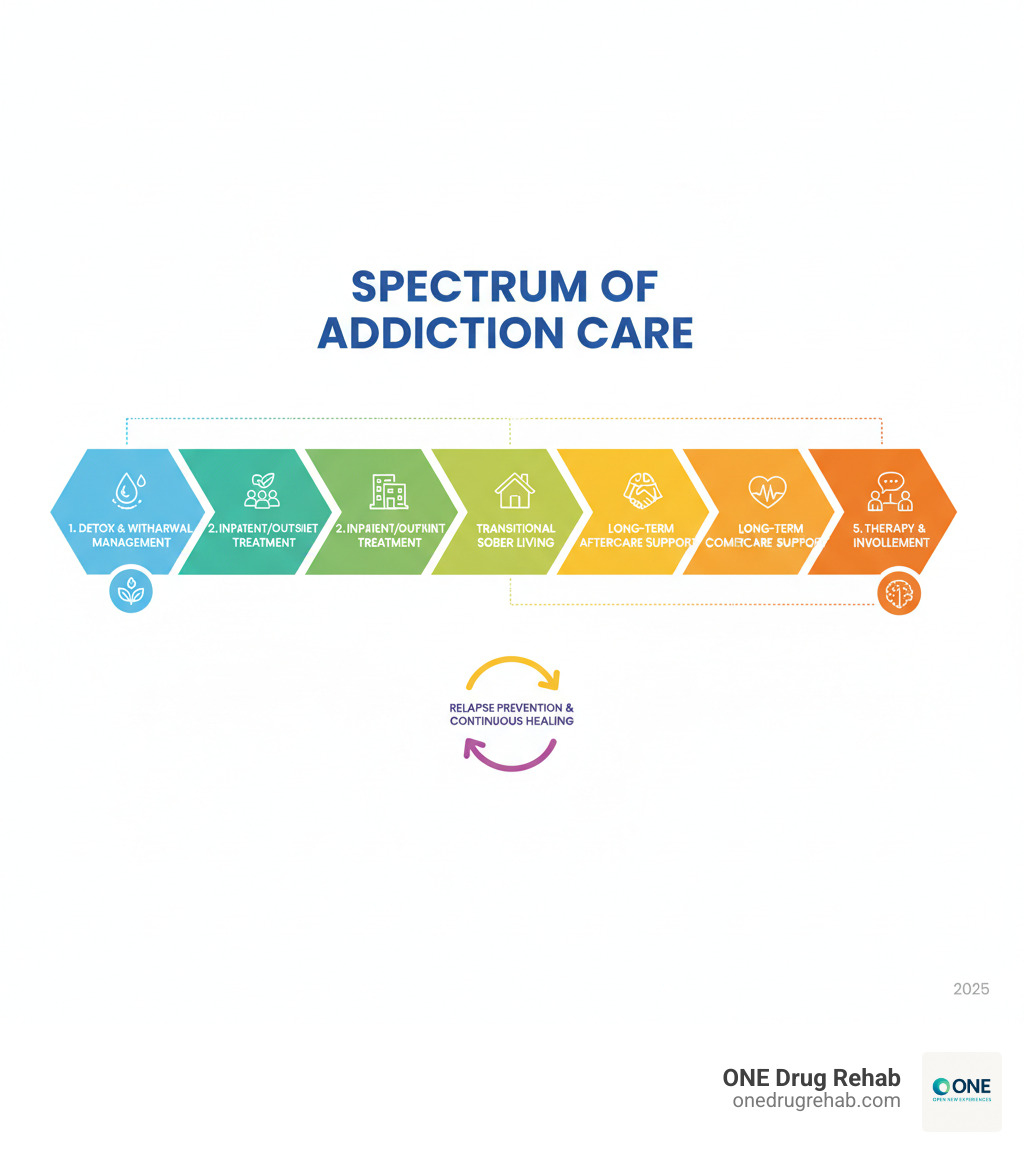
Core Levels of Addiction Treatment
Seeking help for addiction means entering a “continuum of care,” a structured journey that meets people where they are. The types of rehab for substance use disorders address the physical, emotional, and psychological aspects of addiction at every stage.
Key Types of Rehab for Substance Abuse
The journey through treatment often moves through several phases. Your path will be unique to your needs.
Detoxification (Detox)
Detox is often the first step, allowing your body to clear itself of substances while medical professionals manage withdrawal symptoms. Some withdrawal symptoms can be dangerous without supervision. A medically-managed detox typically lasts 3-10 days. Detox only addresses physical dependence; it’s a starting point, not a complete treatment. Ongoing therapy is essential for long-term success.
Inpatient/Residential Treatment
Inpatient rehab involves living at a treatment facility full-time, usually for 30 to 90 days. This provides 24/7 medical care and therapy. This level of care is ideal for those with severe addiction, co-occurring mental health issues, or an unsupportive home environment. Days are structured with individual and group therapy, workshops, and other activities to build a foundation for recovery. For more details, see our inpatient rehab guide.
Outpatient Treatment (OP)
Outpatient programs allow you to live at home while attending treatment. This flexibility is great if you need to maintain work, school, or family commitments.
- Intensive Outpatient Programs (IOP) offer a middle ground, with therapy sessions for several hours on most days of the week. It’s a common step-down from inpatient care.
- Partial Hospitalization Programs (PHP) provide more intensive support, with treatment for five or more days a week. It can serve as a transition from inpatient care or an alternative for those with a stable home life.
Our Outpatient Rehab Programs Ultimate Guide explores these options in more detail.
Sober Living Homes
Sober living homes are substance-free residences where you live with peers in recovery. They provide structure—with rules like curfews and drug testing—while offering more independence than residential treatment. It’s a bridge between the protected environment of rehab and independent living.
Aftercare Programs
Recovery is a long-term process. Aftercare includes all ongoing support that helps maintain sobriety, such as continued therapy, support groups, and community connection. A strong aftercare plan is crucial for lasting recovery.
[TABLE] Comparing Inpatient vs. Outpatient Rehab
Here’s a side-by-side comparison of these types of rehab:
| Feature | Inpatient/Residential Rehab | Outpatient Rehab |
|---|---|---|
| Level of Care | High; 24/7 medical and therapeutic support | Moderate to Low; Scheduled sessions, flexible |
| Time Commitment | Full-time; Patients live at the facility | Part-time; Patients live at home, attend sessions several hours/days |
| Living Situation | Reside at the treatment center | Reside at home or in a sober living environment |
| Ideal Candidate | Severe addiction, co-occurring disorders, unstable home, history of relapse, needing intensive medical monitoring | Mild to moderate addiction, stable home environment, need to maintain daily responsibilities, aftercare |
| Cost Implications | Generally higher due to 24/7 care, accommodation, and meals | Generally lower due to no residential costs |
Specialized and Alternative Treatment Approaches
Recovery is about healing the whole person. Specialized approaches can address unique complexities.

Dual Diagnosis Treatment
Many people with substance use disorders also have co-occurring mental health conditions like depression, anxiety, or PTSD. Dual diagnosis treatment addresses both conditions simultaneously, as treating only one often leads to relapse. This integrated approach offers the best chance at lasting recovery.
Holistic Treatment
Holistic approaches focus on healing the mind, body, and spirit. These therapies complement evidence-based treatment to improve overall well-being.
- Art therapy uses creative expression to process emotions. Learn more about how art therapy supports addiction recovery.
- Wilderness therapy uses outdoor challenges to build confidence and coping skills.
- Other methods include yoga, meditation, and nutrition counseling. Our Holistic Treatment Center Complete Guide explores these options.
12-Step Programs
Programs like Alcoholics Anonymous (AA) and Narcotics Anonymous (NA) are free, peer-led support groups. Members share experiences and work through a 12-step process of personal and spiritual growth. The fellowship provides a powerful sense of community. You can find 12 Step Groups Near Me through our directory.
For those seeking a non-spiritual, science-based alternative, SMART Recovery (Self-Management and Recovery Training) offers a different path. It uses cognitive-behavioral techniques to help individuals manage triggers, cravings, and choices, focusing on self-empowerment.
A Comprehensive Look at Different Types of Rehab
While often associated with addiction, rehabilitation is a broad field of healthcare. Whether recovering from a stroke, an accident, or surgery, there is likely a specialized type of rehab designed to help you reclaim your independence and quality of life.
Exploring Other Types of Rehab Therapies
A team of healthcare professionals often works together to deliver these specialized types of rehab.
Physical Therapy (PT)
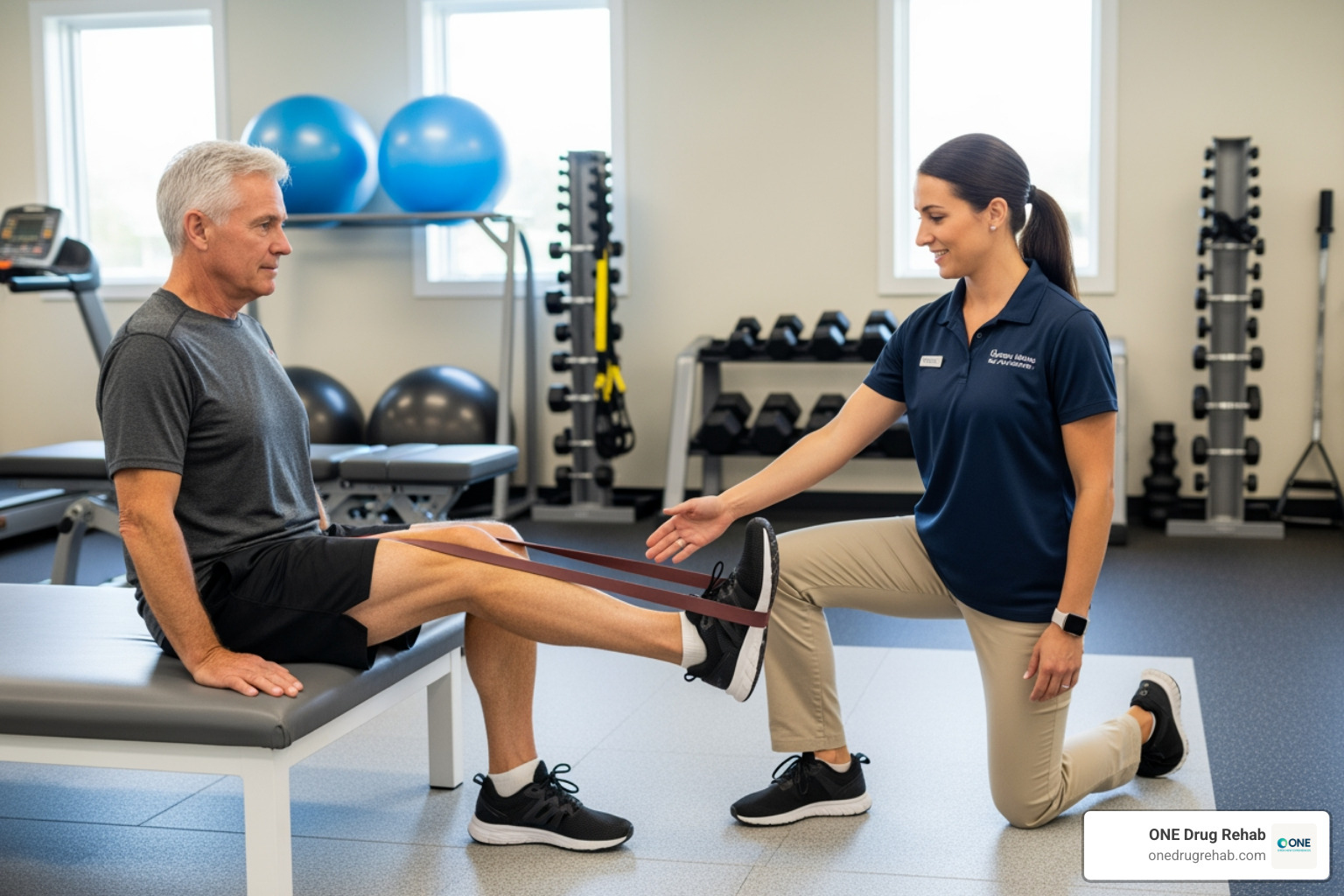
Physical therapy helps strengthen movements and manage pain, focusing on improving how your body moves. Physical therapists create personalized plans to improve joint flexibility, build strength, and restore function. Common conditions treated with physical therapy include sports injuries, stroke recovery, arthritis, and chronic pain.
Occupational Therapy (OT)
Occupational therapy focuses on the activities of daily living. The goals of occupational therapy include improving fine motor skills and the ability to complete tasks like dressing or cooking. Occupational therapists help patients redevelop skills for independence, often for conditions like autism, brain injuries, and physical disabilities.
Speech and Language Therapy
Speech and language therapy addresses speech, language, and swallowing disorders. Speech-language pathologists evaluate and treat communication issues resulting from stroke, brain injury, developmental delays, or conditions like dyslexia and stuttering.
Cognitive Rehabilitation
Cognitive rehabilitation therapy helps improve brain-based skills like memory, attention, and problem-solving. It is valuable for individuals recovering from traumatic brain injuries, strokes, or living with neurodegenerative diseases. The goal is to help individuals regain independence by building skills to compensate for cognitive challenges.
Recreational Therapy
Recreational therapy uses activities like art, sports, or music to improve emotional and physical well-being. It helps improve overall wellness and maximize independence through engaging, meaningful activities for those with physical disabilities, mental health disorders, or addictions.
Vocational Rehabilitation
Vocational rehabilitation helps individuals with disabilities find and maintain meaningful employment. Counselors assess skills, create career plans, and provide access to training and job placement, helping people re-enter the workforce with confidence.
Pharmacotherapy
Pharmacotherapy involves using medication to treat conditions affecting physical and mental well-being. This can include psychopharmaceuticals for mental health or medications to reduce cravings and prevent relapse in addiction treatment, often combined with counseling.
Respiratory Therapy
For those with breathing and lung disorders, respiratory therapy provides essential treatment. Therapists diagnose and manage conditions like COPD, asthma, and pneumonia, working to improve respiratory function and quality of life.
Navigating Your Path to Treatment
Finding the right rehabilitation program can feel daunting, but with the right information, you can choose a path that truly meets your needs.
How to Find and Pay for Treatment
Assessing Your Needs
Before comparing facilities, it’s crucial to understand what you need. We strongly recommend talking to a doctor or therapist who can evaluate your situation and recommend the most appropriate types of rehab. A professional assessment is the best way to determine the right level of care.
Using a Treatment Directory
Once you have an idea of what you need, an online directory is an invaluable tool. ONEDrugRehab.com is a third-party, non-affiliated resource, meaning we don’t favor one facility over another. You can research treatment options, compare facilities, and explore programs without pressure or bias.
Understanding Insurance Coverage
Cost is a major concern for many. The good news is that most health insurance plans cover at least some of the cost for various types of rehab. The Affordable Care Act (ACA) and the Mental Health Parity and Addiction Equity Act mandate coverage for addiction and mental health services.
However, benefits vary significantly. It’s crucial to verify your exact benefits—including deductibles and co-pays—directly with your insurance provider. Our Rehab Insurance Verification tool can help you understand what your plan covers.
Low-Cost and State-Funded Programs
If you don’t have insurance, don’t lose hope. Many state-funded programs and non-profits offer free or low-cost rehabilitation services. These programs exist to ensure finances don’t prevent you from getting help. Exploring resources for Addiction Treatment Without Insurance can guide you to these vital options.
Understanding Program Duration and Demands
The length and intensity of a program significantly influence its effectiveness.
Treatment Length Variability
Rehab duration varies based on the type of rehab and individual needs. Addiction treatment can range from 2-4 weeks to over a year. While short-term rehab is more accessible, long-term programs often yield the best results by providing more time to address underlying issues.
Standard inpatient programs often follow 30, 60, or 90-day structures, with many experts recommending at least 90 days. Our guide on 90 Day Rehab Cost can help you understand the financial commitment.
Physical and Emotional Demands
Rehabilitation is demanding. The physical challenges are intense, especially during detox for substance use. For physical rehab, patients may undergo at least three hours of therapy per day, which can be exhausting.
The emotional side can be just as challenging. Patients often grapple with frustration, anxiety, and doubt. This is where the therapeutic relationship is crucial. Counselors provide emotional support and help you steer these difficult feelings.
The Role of Family and Caregivers
Family involvement can be a game-changer, providing support and accountability. In many types of rehab, family therapy is an integral component. It helps loved ones learn about the condition, heal strained relationships, and understand how to support you effectively, improving long-term outcomes.
Frequently Asked Questions about Rehabilitation
When you’re considering types of rehab, it’s natural to have questions. Here are answers to some of the most common ones.
What is the difference between rehabilitation and recovery?
Understanding the distinction between these terms can help set realistic expectations.
Rehabilitation is the structured, time-bound process of treatment. It includes the therapies, programs, and interventions designed to help you regain function, develop coping skills, or overcome addiction. Think of it as the formal toolkit for healing.
Recovery, on the other hand, is the personal, lifelong journey of building a fulfilling life after treatment. It involves managing setbacks, celebrating growth, and maintaining well-being. Recovery is how you live as a result of what you learned in rehabilitation.
One supports the other, and both are essential. Our guide on What is the Success Rate of Rehab? offers more context.
How is the success of rehabilitation measured?
Success in different types of rehab is personalized and not one-size-fits-all. It’s defined by your goals.
Providers measure progress by tracking improvements in several key areas:
- Goal Achievement: Progress toward specific, achievable goals set at the beginning of treatment.
- Physical and Mental Health: Measurable improvements in strength, mobility, mood, and cognitive function.
- Functional Ability: The capacity to handle daily activities independently, such as self-care and managing medications.
- Quality of Life: Overall life satisfaction, ability to enjoy activities, and social connection.
- Reduced Relapse Rates: For addiction, sustained sobriety is a primary indicator, though setbacks are seen as learning opportunities, not failures. Our article Does Rehab Work? explores this in more depth.
What are common misconceptions about rehabilitation?
Let’s clear up some myths that may prevent people from seeking help.
Myth: Rehab is a cure.
For chronic conditions like addiction, rehab doesn’t provide a cure; it provides the tools for management. Like physical therapy after an injury, it teaches you how to manage the condition and live a full life.
Myth: Rehab is only for “worst-case” scenarios.
This is untrue. Early intervention in nearly all types of rehab leads to better outcomes. Addressing a problem before it spirals out of control can prevent complications and shorten recovery time.
Myth: You have to hit “rock bottom” before seeking help.
This dangerous belief causes unnecessary suffering. There is no low point you must reach to “deserve” treatment. If you are struggling, you can and should seek help right now. Proactive engagement can prevent “rock bottom” from ever happening.
The path to healing starts with accurate information. Whatever type of rehab you need, know that help is available.
Conclusion: Taking the First Step on Your Roadmap
If there’s one takeaway from this guide, it’s that you have options. We’ve explored many types of rehab—from medically supervised detox and inpatient programs to flexible outpatient care and specialized physical therapies. Each path serves a purpose, and the right one for you depends on your unique circumstances.
Recovery isn’t a one-size-fits-all journey. The key is finding a program that fits your life, needs, and goals. There’s no “wrong” door to walk through when you’re seeking help.
The hardest part is often just starting. Admitting you need support and taking that first step takes incredible courage, but it opens the door to a new future.
We built ONEDrugRehab.com to make that first step easier. As a third-party, non-affiliated resource, we provide honest information so you can make an informed choice. You can compare rehab centers side by side, learn about different approaches, and explore what’s available without pressure or bias.
Whether you’re researching for yourself or a loved one, know that hope is real. With the right support and the appropriate rehabilitation program, people recover every day. They rebuild their lives, reconnect with their families, and find joy again.
Your roadmap to recovery starts now. Take your time, ask questions, and when you’re ready, take that first step. We’re here to help you steer your options.