

Medicaid approved rehab centers: Best of 2025
Why Medicaid Coverage Makes Addiction Treatment Accessible
Medicaid approved rehab centers offer life-changing addiction treatment by removing the financial barriers that often prevent people from seeking help. The good news is that Medicaid covers drug and alcohol rehab as an essential health benefit.
Quick Answer for Finding Medicaid Approved Rehab Centers:
- 1,675 centers across the US accept Medicaid for addiction treatment
- Coverage includes: detox, inpatient care, outpatient programs, and medication-assisted treatment
- How to find them: Use online directories, contact your state Medicaid agency, or call facilities directly
- Verification: Always confirm coverage with both Medicaid and the facility before starting treatment
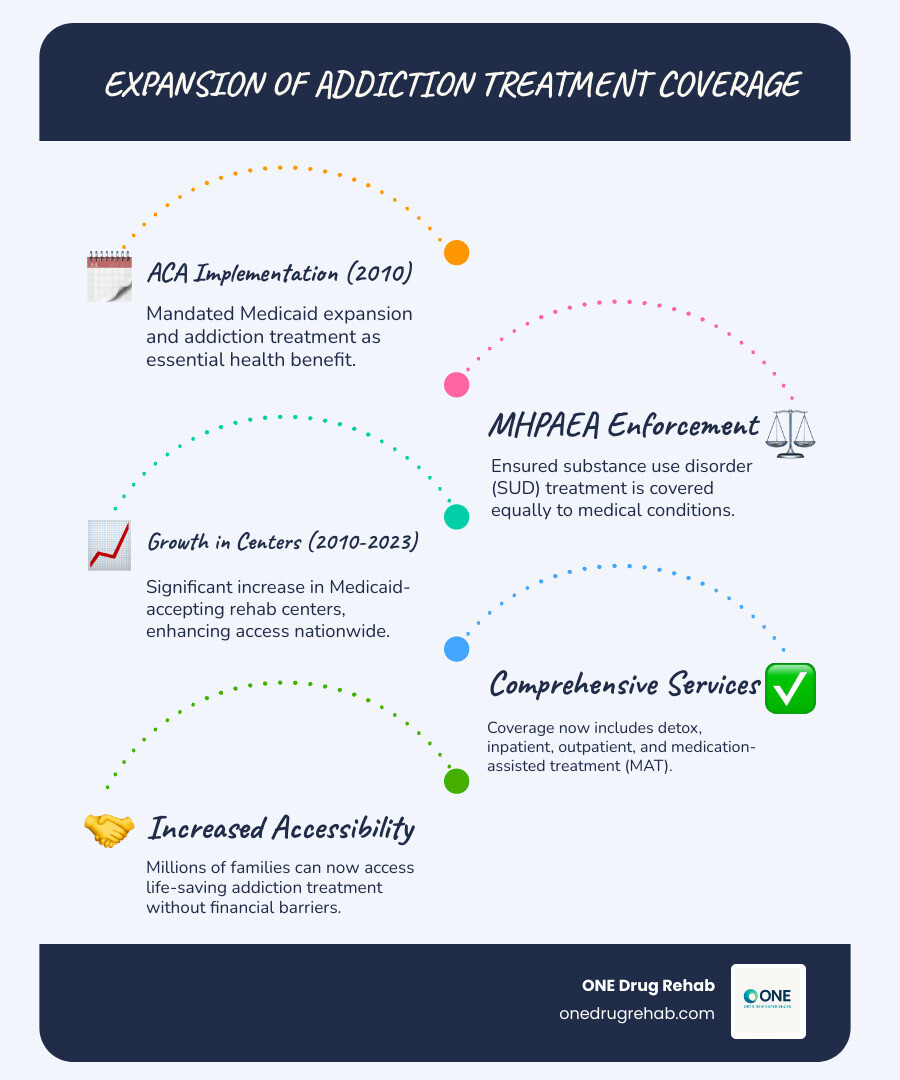
Thanks to the Affordable Care Act (ACA) and the Mental Health Parity and Addiction Equity Act (MHPAEA), substance use disorder treatment must be covered at the same level as other medical conditions. This means cost should never be a barrier to getting the help you need.
With proper Medicaid coverage, you can access quality treatment at facilities that meet strict federal and state standards. Whether you’re looking for medical detox, residential treatment, or outpatient programs, Medicaid opens doors to evidence-based care that can change your life. The key is knowing how to find these approved centers and verify your coverage.
Understanding Your Medicaid Coverage for Addiction Treatment
Understanding Medicaid can make all the difference in your recovery. As a joint federal and state program, it combines U.S. government and state funding, with each state managing its own program under federal guidelines. This creates state-by-state variations in eligibility and benefits, but the core mission remains: providing comprehensive healthcare to low-income individuals and families.
Eligibility is generally based on income, age, parental status, and disability. Many states expanded Medicaid under the ACA to cover individuals earning up to 138% of the Federal Poverty Level. Since rules can change, it’s always worth checking your eligibility.
Some states have unique names for their Medicaid programs, such as Medi-Cal in California, MassHealth in Massachusetts, or MO HealthNet in Missouri. Knowing your state’s program name is a key first step.

Does Medicaid Cover Drug and Alcohol Rehab?
Yes, Medicaid absolutely covers drug and alcohol rehab. The Affordable Care Act (ACA) designated Substance Use Disorder (SUD) and mental health services as “essential health benefits” that Medicaid must cover. The Mental Health Parity and Addiction Equity Act (MHPAEA) further ensures that coverage for behavioral health is no more restrictive than for other medical conditions.
Medicaid is the largest payer for mental health services in the U.S. and plays a growing role in addiction treatment. This is vital because many people face co-occurring disorders (like depression or anxiety alongside addiction), requiring dual diagnosis treatment. Medicaid approved rehab centers are equipped to provide this integrated care, which is essential for long-term recovery. You can explore More info about co-occurring disorders for details on integrated care.
What Specific Services Are Typically Covered?
Medicaid’s coverage for addiction treatment is comprehensive, supporting every stage of recovery. While benefits vary by state, the following services are generally covered:
- Screenings and assessments: An initial evaluation to create a personalized treatment plan.
- Medical detox: Medically supervised withdrawal management to ensure safety and comfort.
- Inpatient care: Residential treatment in a structured, 24/7 supportive environment, ranging from 28-90+ days.
- Outpatient programs: Flexible care while living at home, including Partial Hospitalization (PHP) and Intensive Outpatient (IOP) programs.
- Medication-Assisted Treatment (MAT): Combines FDA-approved medications (buprenorphine, methadone, naltrexone) with counseling to treat opioid and alcohol use disorders.
- Counseling and therapy: Individual, group, and family therapy to build coping skills and address underlying issues.
- Aftercare planning: Developing a plan for ongoing support after formal treatment ends, including referrals to support groups and sober living.
For more details, refer to official resources like Information on Behavioral Health Services from Medicaid.gov. Our goal is to help you connect with Medicaid approved rehab centers that offer the services you need.
How to Find and Verify Medicaid Approved Rehab Centers
Finding a treatment center that accepts Medicaid doesn’t have to be overwhelming. With the right approach, you can locate quality Medicaid approved rehab centers that meet your specific needs.
At ONEDrugRehab.com, we serve as your unbiased guide. We don’t favor specific centers but aim to provide the information you need to make the best choice for your situation.

Step 1: Use Online Directories and Locators
Starting your search online is an efficient way to find available options. Our Rehab Centers Directory allows you to filter for facilities that accept Medicaid and narrow your search by care type or location. Our Find Rehab Near Me tool can pinpoint centers in your desired area.
Another excellent resource is the government’s FindTreatment.gov (run by SAMHSA), which is confidential and regularly updated.
Step 2: Check with Your State’s Medicaid Agency
Since Medicaid varies by state, your state’s agency is the best source for specific benefit information. If your benefits are handled by a Managed Care Organization (MCO), their member services hotline can provide a list of in-network providers and explain pre-authorization requirements.
Your state’s official Medicaid website is another valuable resource, often featuring searchable provider databases and benefit details. For an example, see Ohio’s Medicaid site. A caseworker can also help you steer the system.
Step 3: Contact Rehab Facilities Directly
Once you have a list of potential Medicaid approved rehab centers, call their admissions departments. Have your Medicaid information ready so they can run an insurance verification to confirm what your plan covers. This crucial step prevents future cost surprises.
Key questions to ask include:
- Do you accept my specific Medicaid plan?
- What is the typical length of stay covered?
- Are detox, medications, and MAT covered?
- What about ongoing outpatient care?
- Are there any out-of-pocket costs or waiting lists?
Demand for Medicaid-accepting facilities is high, so don’t be discouraged by waiting lists. Contact multiple centers to improve your chances. You can also check our Rehab Facility Reviews for insights from others, but individual experiences vary. This verification process is essential for making an informed decision.
What to Look for When Choosing a Medicaid Rehab
When choosing from Medicaid approved rehab centers, look beyond just insurance acceptance. Prioritize the quality of care and treatment effectiveness to ensure you receive comprehensive, compassionate care that sets you up for long-term success.

Accreditation and Licensing
Accreditation and licensing are seals of approval indicating a facility meets strict standards for patient care and safety. Look for accreditation from nationally recognized organizations like The Joint Commission (JCAHO) or the Commission on Accreditation of Rehabilitation Facilities (CARF). These certifications show a commitment to high performance and patient-focused care.
Additionally, every facility must be licensed by the state where it operates. This ensures they follow local laws and employ qualified staff, including medical professionals and licensed therapists.
Evidence-Based Treatment Approaches
The best Medicaid approved rehab centers use treatment methods proven effective by scientific research. Key approaches include:
- Cognitive Behavioral Therapy (CBT): Helps identify and change negative thought patterns and behaviors related to substance use.
- Dialectical Behavior Therapy (DBT): Teaches skills in mindfulness, distress tolerance, and emotion regulation, especially useful for co-occurring disorders.
- Motivational Interviewing: A collaborative approach that helps you find your own motivation for change.
- Trauma-informed care: Integrates an understanding of trauma into all aspects of treatment to create a safe healing environment.
While some facilities offer complementary therapies like yoga, Medicaid typically covers traditional, evidence-based care. For more information, see our guide on Types of Addiction Treatment.
Individualized Treatment Plans
Effective treatment is never one-size-fits-all. A quality facility will create a customized care plan based on your unique needs, including the severity of your substance use, any co-occurring disorders, and your personal history. An integrated approach that addresses both addiction and mental health is crucial for preventing relapse.
A strong plan combines various therapies and includes robust aftercare and relapse prevention strategies. Long-term recovery support, such as alumni programs or connections to support groups, is another hallmark of a quality program that understands recovery is a lifelong journey.
Types of Rehab Programs Covered by Medicaid
Medicaid covers a continuum of care, a full spectrum of treatment options that can adapt to your changing needs. This ensures there’s always a Medicaid approved rehab center to meet you where you are, whether you’re starting with detox or stepping down to outpatient care.
Here’s how the main types of programs compare:
| Program Type | Key Features | Duration | Typical Medicaid Coverage |
|---|---|---|---|
| Medical Detoxification | Medically supervised withdrawal, 24/7 medical monitoring, medication to manage withdrawal symptoms, ensures safety and comfort. | 5-10 days (varies by substance and severity) | Generally fully covered as the initial, crucial step. |
| Inpatient/Residential Treatment | Structured environment, 24-hour support and supervision, immersive therapy, removed from triggers, focuses on foundational recovery skills. | Short-term: 28-30 days; Long-term: 60-90+ days | Typically covered, but length of stay may depend on medical necessity and state guidelines. |
| Partial Hospitalization Programs (PHP) | Intensive outpatient care, structured treatment for several hours a day, multiple days a week; allows patients to live at home. | Weeks to months | Commonly covered, providing a step down from inpatient or a higher level of outpatient care. |
| Intensive Outpatient Programs (IOP) | Less intensive than PHP, but still significant support; typically a few hours of therapy a few days a week; allows for work/school. | Weeks to months | Widely covered, offering flexibility while maintaining structure. |
| Standard Outpatient Treatment | Least intensive, typically weekly individual or group therapy sessions; focuses on ongoing support and relapse prevention. | Months to years | Generally covered for ongoing care and relapse prevention. |
| Medication-Assisted Treatment (MAT) | Combines FDA-approved medications (e.g., buprenorphine, methadone, naltrexone) with counseling and behavioral therapies. | Long-term (months to years) | Required coverage for medications and associated therapies for opioid and alcohol use disorders. |
Medical Detoxification
Medical detox is the crucial first step for safely managing withdrawal. Medicaid approved rehab centers provide 24/7 medical monitoring and medications to keep you safe and comfortable, preparing you for the next phase of treatment. Medicaid typically covers these 5-10 day programs.
Inpatient and Residential Treatment
Inpatient treatment offers a structured environment where you can focus completely on healing. Living at the facility provides 24-hour support and removes you from daily triggers. Days are filled with immersive therapy to build foundational recovery skills. Medicaid covers both short-term (28-30 days) and long-term (60-90+ days) programs based on medical necessity.
Outpatient Programs (PHP, IOP, Standard)
Outpatient programs offer the flexibility to receive treatment while maintaining daily responsibilities. Partial Hospitalization (PHP) is the most intensive option, with several hours of therapy on most weekdays. Intensive Outpatient Programs (IOP) are less intensive, meeting a few times per week. Standard outpatient involves weekly sessions for ongoing support and relapse prevention.
Medication-Assisted Treatment (MAT) for Opioid and Alcohol Use
Medication-Assisted Treatment (MAT) is a highly effective, evidence-based approach for opioid and alcohol addiction. It combines FDA-approved medications like buprenorphine, methadone, and naltrexone with counseling. The medications reduce cravings and withdrawal symptoms, making it easier to engage in therapy. Medicaid is required to cover MAT, recognizing its vital role in improving outcomes. For more details, see the SAMHSA information on MAT coverage.
Frequently Asked Questions about Medicaid Rehab Centers
Navigating insurance while seeking treatment can be confusing. Here are answers to common questions about using Medicaid for addiction treatment.
How do I apply for Medicaid?
You can apply for Medicaid anytime, as there is no open enrollment period. The easiest way is online through the federal marketplace at Healthcare.gov or your state’s Medicaid website. The system checks your eligibility based on state requirements, which usually consider income, household size, and age. You will need documents like proof of income and residency. Approval typically takes 45-90 days, but coverage can sometimes be retroactive. For more details, see this Guide to applying for Medicaid.
Are there any out-of-pocket costs with Medicaid?
One of the biggest benefits of Medicaid is that it has very low or no out-of-pocket costs for addiction treatment. While some states may have small copayments (a few dollars per visit), the goal is to make care accessible. The exact costs depend on your state’s program and your specific plan. Contact your state’s Medicaid office or your Managed Care Organization (MCO) to confirm any potential costs.
What if a rehab center doesn’t accept Medicaid?
If your preferred facility doesn’t accept Medicaid, you still have options. State-funded programs are an excellent alternative, providing quality care at little to no cost, though they may have waiting lists. Many facilities also offer sliding scale fees based on income or payment plans to make treatment affordable.
At ONE Drug Rehab, we can help you explore every possibility. Visit our Find Rehab Without Insurance page for more resources and guidance. Recovery is possible, and financial barriers shouldn’t stop you from getting the help you deserve.
Take the Next Step on Your Recovery Journey
Finding the right help for addiction is a critical decision. This guide has shown that Medicaid approved rehab centers are available and accessible, removing the financial barriers that once stood in the way of recovery.
Thanks to federal laws, substance use treatment is an essential health benefit, giving you access to the same quality care as millions who have successfully found recovery. You have that same access now.
At ONEDrugRehab.com, we provide the tools and information to help you make the best decision for your unique situation. As a third-party, non-affiliated resource, we empower you to find centers that fit your needs by filtering by insurance, location, and treatment type.
The hardest part is often taking the first step, but you’re already here. Whether you need detox, inpatient, or outpatient care, there are Medicaid approved rehab centers ready to help you succeed.
Don’t wait. Recovery starts with a single action. We encourage you to Compare Rehab Centers on our platform and reach out to a facility today. Seeking help is a sign of strength. You deserve a life free from addiction, and we’re here to help you find it.