

Why Crack Cocaine Rehab Is Essential for Recovery
Crack cocaine rehab provides specialized treatment programs designed to help individuals overcome addiction to this highly potent stimulant through medical detox, evidence-based therapies, and ongoing support for long-term recovery.
Quick Answer – What You Need to Know:
- Medical Detox: Supervised withdrawal management (typically 3-7 days acute phase)
- Inpatient/Residential: 24/7 structured care (30-90+ days)
- Outpatient Programs: PHP, IOP, or standard outpatient (flexible scheduling)
- Evidence-Based Therapies: CBT, Contingency Management, Motivational Interviewing
- Aftercare Support: Sober living, alumni programs, ongoing counseling
- Success Rates: 39.7% achieve long-term abstinence with proper treatment
If you or someone you love is struggling with crack cocaine addiction, you’re facing one of the most challenging battles in recovery. The statistics are sobering: the mortality rate for crack cocaine users is 7.6 times higher than the general population. Between 2015 and 2017 alone, cocaine-related overdoses more than doubled from 6,000 to 14,000 deaths.
But here’s the truth that matters most: recovery is absolutely possible.
Crack cocaine creates intense dependence by flooding the brain with dopamine. Its high lasts only 5-10 minutes, leading to a devastating cycle of use. While genetics account for nearly half of addiction risk, factors like trauma and co-occurring mental health disorders are also critical.
The good news? Professional treatment works. Research shows that individuals who complete comprehensive rehab programs have significantly better outcomes. Treatment centers offer medical detox to safely manage withdrawal, evidence-based therapies to address the root causes of addiction, and structured support to build a foundation for lasting recovery.
This guide will walk you through everything you need to know about crack cocaine rehab—from understanding the addiction itself to finding the right treatment center for your unique situation.
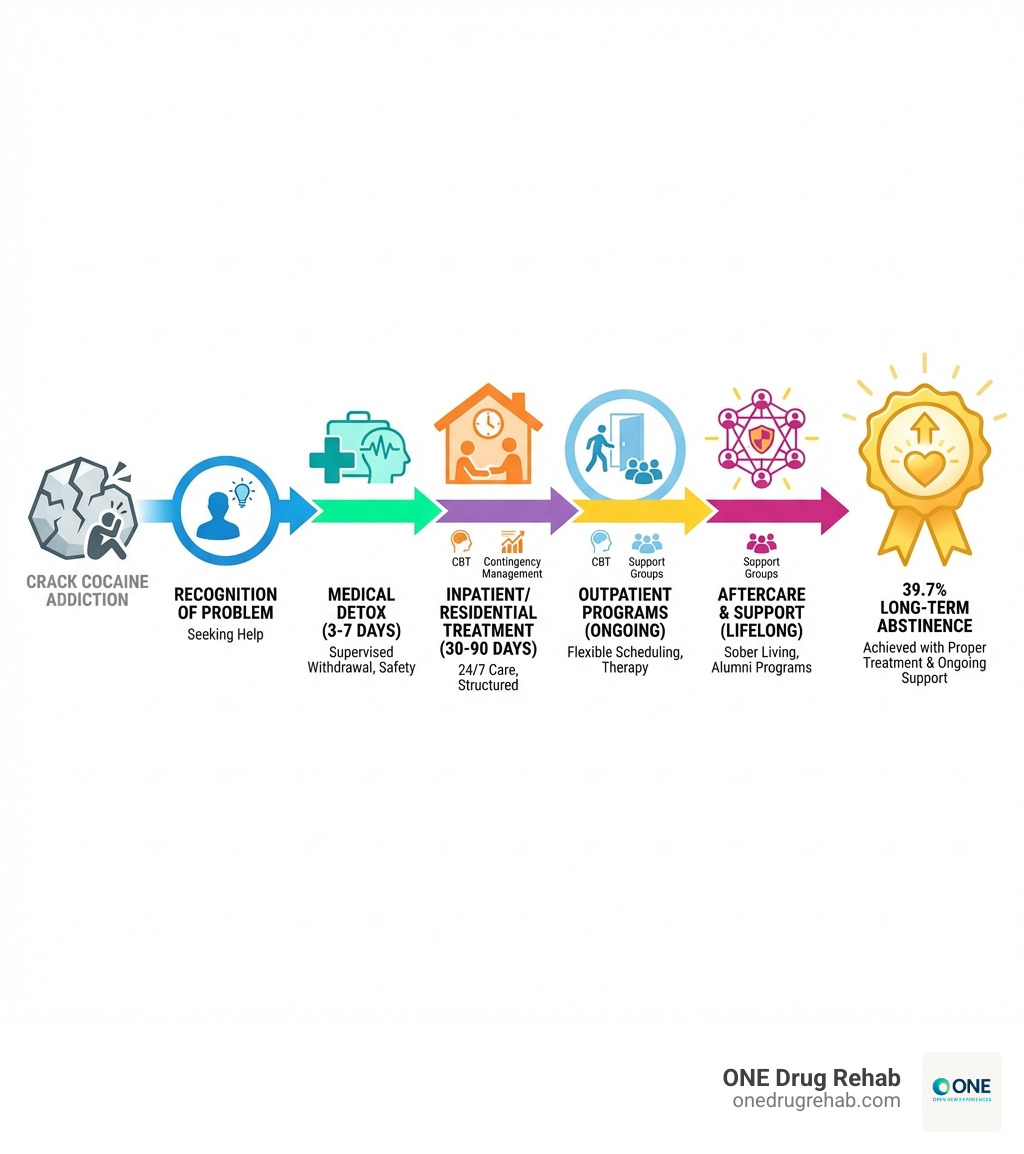
Crack cocaine rehab terms made easy:
Understanding Crack Cocaine Addiction
To grasp the importance of crack cocaine rehab, we must first understand the substance, its effects, and the mechanisms of addiction. Knowing its nature is the first step towards breaking free.
What is Crack Cocaine?
Crack cocaine is a potent, smokable, and highly addictive form of cocaine processed into small, rock-like crystals. The name “crack” comes from the crackling sound it makes when heated.
How it’s Made: Crack is produced by mixing powdered cocaine with water and baking soda (or ammonia) and heating the mixture. This process makes it cheaper and more accessible than powder cocaine.
Method of Use and Effects: Smoking crack delivers it to the brain almost instantly, producing an intense but short-lived high (5-10 minutes). This rapid onset and short duration are key factors in its extreme addictiveness, leading to binges.
Crack cocaine is a Schedule II substance under the DEA, meaning it has a high potential for abuse.
Here’s a quick comparison of crack cocaine and powder cocaine:
| Feature | Crack Cocaine | Powder Cocaine |
|---|---|---|
| Appearance | Hard, rock-like crystals, off-white to dark | Fine, white powder |
| How it’s Made | Cocaine + water + baking soda, then heated | Extracted from coca leaves, processed into salt |
| Method of Use | Primarily smoked (vaporized) | Primarily snorted, injected, or rubbed on gums |
| Onset of High | Immediate (seconds) | Rapid (minutes) |
| Duration of High | 5-10 minutes | 20-30 minutes |
| Intensity of High | Very intense, powerful rush | Intense, but less acute than crack |
| Cost | Generally cheaper per dose | More expensive than crack |
| Addictiveness | Extremely high, rapid dependence development | High, but often slower dependence development |
| Legal Status | Schedule II substance, often harsher penalties | Schedule II substance |
Immediate and Long-Term Effects
The impact of crack cocaine use is profound, affecting the entire body. The immediate rush is quickly followed by a devastating crash, and repeated use leads to severe long-term consequences.
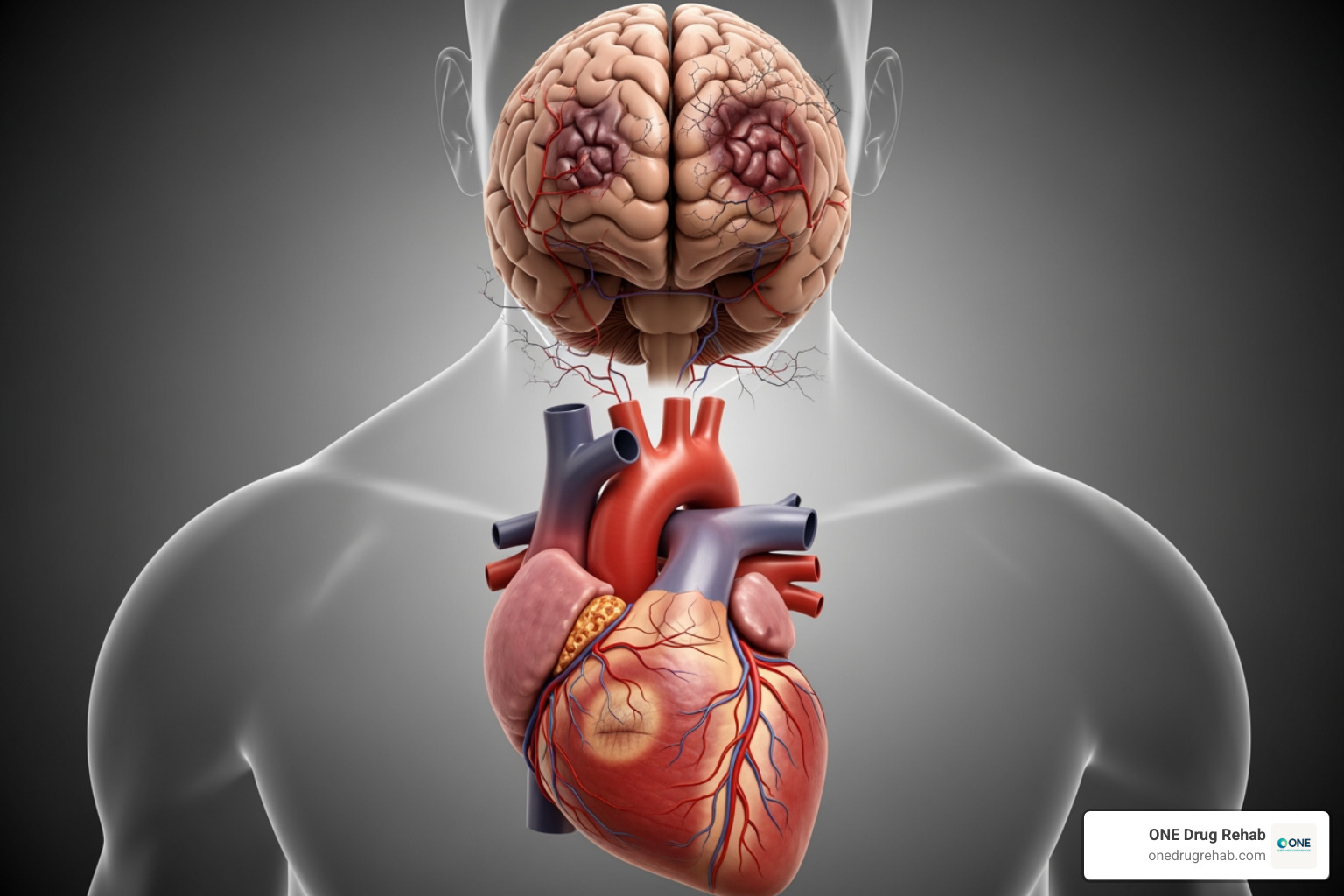
Immediate Effects: Users experience a sudden surge of euphoria, energy, and alertness, often accompanied by paranoia, anxiety, and restlessness. Physiologically, heart rate, blood pressure, and body temperature spike, putting immense strain on the cardiovascular system and increasing the risk of cardiovascular health problems.
Long-Term Effects: Chronic use causes lasting damage:
- Cardiovascular System: Leads to hardened arteries, chronic high blood pressure, heart attacks, and strokes.
- Respiratory Issues: Smoking crack damages the lungs, causing conditions like “crack lung,” bronchitis, and increasing the risk of pneumonia. The lungs can suffer significant problems with the respiratory system.
- Kidney Damage: Crack cocaine can cause kidney failure due to toxic effects and reduced blood flow.
- Neurological Problems: Alters brain structure, leading to mood disorders, psychosis, seizures, and cognitive impairment.
- Gastrointestinal Problems: Can cause ulcers and inflammation of the large intestine, leading to serious digestive issues.
- Malnutrition and Weakened Immune System: Neglect of nutrition leads to weight loss and a weakened immune system, increasing susceptibility to illness.
Signs and Symptoms of Addiction
Recognizing the signs of crack cocaine addiction is crucial for intervention. These signs manifest physically, behaviorally, and psychologically.
Physical Signs:
- Burnt fingers or lips from hot pipes.
- Significant weight loss and malnutrition.
- Dilated pupils.
- Dental issues (“crack mouth”).
- Skin sores or track marks if injected.
- Poor personal hygiene.
Behavioral Changes:
- Erratic or aggressive behavior and unpredictable mood swings.
- Neglecting responsibilities at work, school, or home.
- Financial problems, borrowing, or stealing money.
- Social withdrawal and associating with new peer groups.
- Possession of paraphernalia like glass pipes or lighters.
- Cycles of hyperactivity followed by extreme fatigue.
Psychological Symptoms:
- Paranoia and delusions.
- Hallucinations, such as “coke bugs” (sensation of insects crawling on skin).
- Intense, overwhelming cravings.
- Rapid mood swings between euphoria, anxiety, and depression.
- Psychosis in severe cases.
- Inability to stop using despite negative consequences.
Causes and Risk Factors
Addiction is a complex disease influenced by several factors.
Brain’s Reward Circuit: Crack floods the brain with dopamine, the pleasure neurotransmitter. This rewires the brain, creating intense cravings and making it difficult to stop without professional help.
Genetic Predisposition: According to the National Institute on Drug Abuse, nearly half of a person’s addiction risk is genetic. A family history of addiction increases vulnerability.
Environmental Factors: A person’s environment greatly influences risk, including peer pressure, chronic stress, poverty, and early exposure to drugs.
Co-occurring Mental Health Disorders: Many individuals use crack to self-medicate conditions like depression, anxiety, or PTSD, which worsens both the addiction and the mental health disorder. Integrated treatment is crucial.
Trauma: Unresolved trauma is a significant risk factor, as individuals may use substances to numb emotional pain. Trauma-informed care is an essential component of crack cocaine rehab.
The Withdrawal and Detox Process
The recovery journey begins with withdrawal and detox. This phase is challenging due to intense symptoms, highlighting why medical supervision is critical.
Crack Cocaine Withdrawal Timeline and Symptoms
Stopping crack cocaine use after dependence causes withdrawal. While not typically life-threatening, the psychological distress can be overwhelming, leading to severe depression and suicidality.
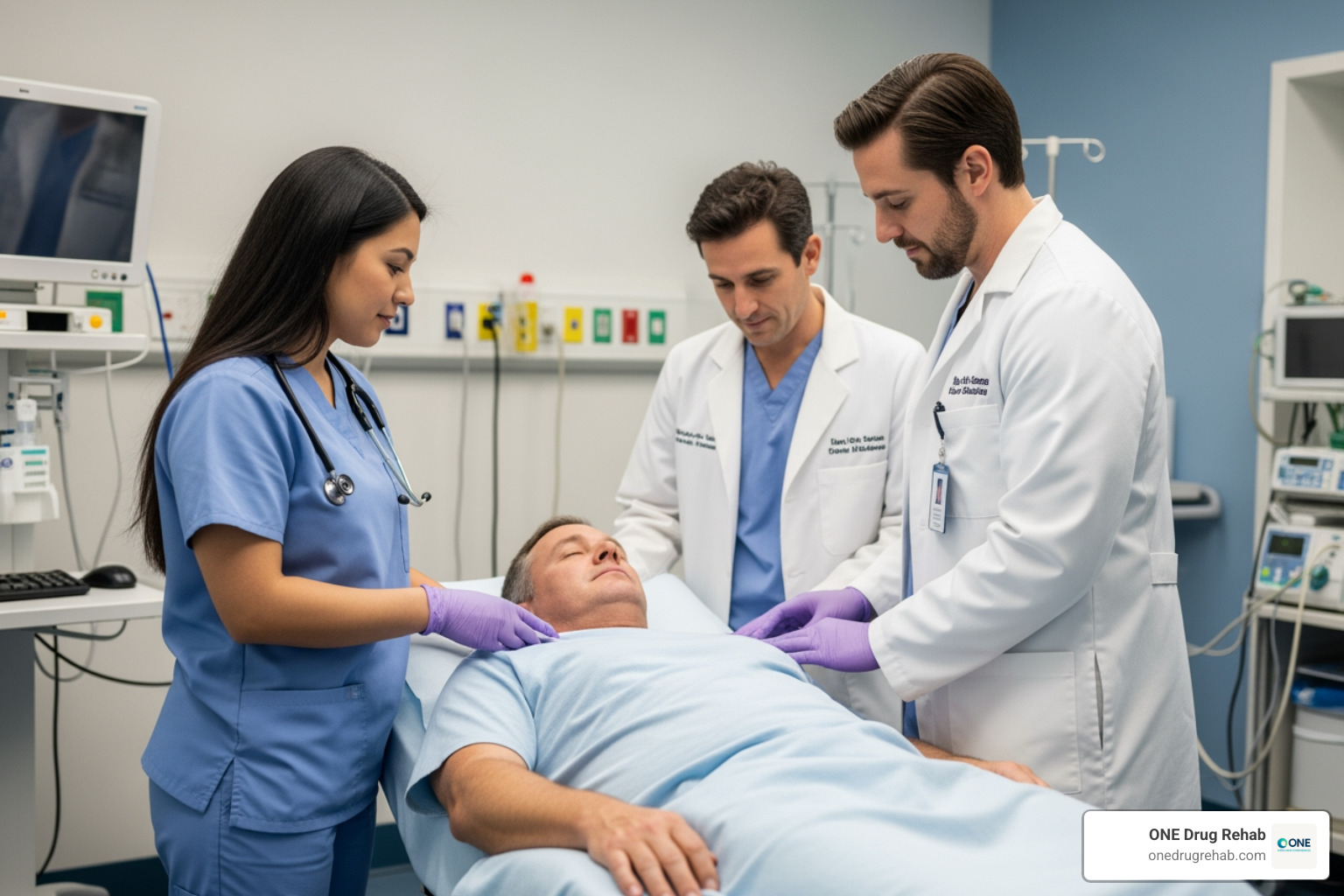
The process often begins with a “crash” phase shortly after the last dose.
Acute Phase (Typically 1-7 days):
- Intense Cravings: An overwhelming urge to use.
- Anxiety and Agitation: Severe restlessness and nervousness.
- Fatigue and Exhaustion: Profound tiredness.
- Depression and Dysphoria: Deep sadness and hopelessness, which can lead to suicidal thoughts.
- Sleep Disturbances: Insomnia or excessive sleeping (hypersomnia).
- Irritability and Mood Swings: Rapid and intense shifts in mood.
- Poor Concentration: Difficulty focusing or thinking clearly.
Post-Acute Withdrawal Symptoms (PAWS): After the acute phase, less severe but persistent symptoms can linger for weeks or months as the brain re-regulates.
- Protracted Depression and Anxiety: Can continue for several weeks or months.
- Lingering Cravings: Can persist for six months or more, often triggered by stress or environmental cues.
- Difficulty Sleeping: Insomnia or disrupted sleep patterns.
- Lack of Motivation/Anhedonia: Inability to feel pleasure.
While most physical symptoms subside within a few weeks, psychological symptoms can last much longer. This extended vulnerability underscores the need for comprehensive crack cocaine rehab that extends beyond detox.
The Role of Medical Detox
Medical detox is the essential first step in a crack cocaine rehab program, designed to safely manage acute withdrawal symptoms.
- 24/7 Medical Supervision: Continuous monitoring by healthcare professionals ensures immediate intervention for any severe physical or psychological complications.
- Safety and Comfort: A safe, supportive environment is crucial. Staff can administer medications to ease discomfort and manage risks like self-harm due to severe depression.
- Managing Severe Symptoms: While there are no FDA-approved medications for crack withdrawal, off-label medications like buspirone, trazodone, or propranolol may be used for symptomatic relief of anxiety, insomnia, or agitation.
- “Cold Turkey” Approach: Detox typically involves quitting “cold turkey” under medical supervision, as there are no tapering medications for crack cocaine.
- First Step to Recovery: Detox is not a cure. It is the critical first phase that stabilizes an individual so they can engage in the therapeutic work of a full rehab program.
Your Guide to Crack Cocaine Rehab Programs
Once detox is complete, the real work of recovery begins in a crack cocaine rehab program. These programs address the underlying causes of addiction, teach coping skills, and prepare individuals for a sober life.
Levels of Care in a Crack Cocaine Rehab
Choosing the right level of care is crucial for effective treatment. Options are available to suit different needs and addiction severities.
- Inpatient/Residential Treatment: The most intensive level, offering 24/7 structured care in a drug-free environment. Lasting 30-90+ days, it’s ideal for severe addictions or those with co-occurring disorders, providing comprehensive therapy and medical support.
- Partial Hospitalization Programs (PHP): A high level of structured care (5-7 days a week) without overnight stays. It’s a step down from inpatient care for those with a stable home environment.
- Intensive Outpatient Programs (IOP): A flexible option with fewer hours (e.g., 3-5 days a week), allowing clients to maintain work or school obligations while receiving intensive treatment.
- Standard Outpatient Programs: The least intensive level, involving weekly therapy sessions. It’s often used for long-term aftercare or for mild substance use disorders.
Choosing the Right Level: The best level of care depends on addiction severity, co-occurring disorders, physical health, and home environment. A professional assessment will help determine the most appropriate path.
Evidence-Based Therapies for Crack Cocaine Rehab
Effective crack cocaine rehab relies on therapies that address the psychological and behavioral aspects of addiction.
- Cognitive-Behavioral Therapy (CBT): Helps individuals identify and change problematic thoughts and behaviors related to drug use, teaching coping skills to manage cravings and triggers.
- Contingency Management (CM): Provides tangible incentives (vouchers or prizes) for positive behaviors, such as negative drug tests, which is highly effective for encouraging abstinence.
- Motivational Interviewing (MI): A client-centered style that helps individuals resolve ambivalence about recovery and build internal motivation for change.
- 12-Step Facilitation: Programs like Narcotics Anonymous (NA) and Cocaine Anonymous (CA) provide a structured path to recovery through peer support and spiritual principles.
- SMART Recovery: A science-based alternative to 12-step programs, SMART Recovery focuses on self-management and teaches practical tools for recovery.
- Group and Individual Counseling: Individual therapy addresses personal issues and trauma, while group counseling offers peer support and reduces isolation.
- Dialectical Behavior Therapy (DBT): Teaches skills in mindfulness, emotional regulation, and distress tolerance, often used for co-occurring disorders.
- Trauma Therapy: Specialized therapies are crucial for those whose addiction is linked to past trauma.
- Family Therapy: Involving family helps heal relationships, improve communication, and build a supportive home environment.
Life After Rehab: Ensuring Long-Term Recovery
Completing a crack cocaine rehab program is a monumental achievement, but it’s just the beginning. Long-term recovery requires ongoing commitment and a robust support system.
Aftercare and Sober Living
The transition from a structured rehab environment back to daily life can be challenging. Aftercare and sober living play a vital role in this phase.
- Importance of Ongoing Support: Recovery is a long-term process. Ongoing support, such as continued therapy and support groups like NA or SMART Recovery, helps individuals manage triggers and maintain the skills learned in rehab.
- Sober Living Homes: Drug-free residences providing a structured, supportive environment for those transitioning from inpatient rehab. They offer a bridge to independent living with house rules and peer support, helping establish ties to a sober community.
- Alumni Programs: Many rehab centers offer alumni programs that provide a network of support, regular check-ins, and events to foster community and accountability.
- Continued Therapy: Regular sessions with a therapist can help address new challenges and prevent relapse. This may include vocational training to help individuals reintegrate into the workforce.
- Building a Support Network: Surrounding oneself with positive, sober friends and family is crucial for emotional support and accountability.
Benefits and Success Rates of Treatment
Professional help for crack cocaine addiction offers benefits that extend far beyond stopping drug use.
- Improved Physical and Mental Health: Treatment helps reverse physical damage and addresses co-occurring mental health disorders, leading to better overall well-being and emotional stability.
- Rebuilt Relationships: Recovery provides an opportunity to heal bonds with family and friends that were damaged by addiction.
- Reduced Mortality Risk: Treatment dramatically reduces the high mortality rate associated with crack use. The annual adjusted mortality rate for users can be as high as 24.92 deaths/1,000 individuals.
- Long-Term Abstinence is Achievable: Addiction is a chronic disease, but recovery is possible. A 5-year follow-up study found that 39.7% of crack cocaine users reported being abstinent for at least the last year. Of those abstinent at 2 years, 62% were still abstinent at 5 years, showing that recovery can be maintained long-term. Relapse is a part of the journey for many, and effective treatment provides the tools to get back on track.
Frequently Asked Questions about Crack Cocaine Treatment
We understand you have many questions about crack cocaine rehab and treatment. Here are some of the most common ones we encounter:
Are there any FDA-approved medications for crack cocaine addiction?
Currently, there are no FDA-approved medications specifically for crack cocaine addiction. However, during medical detox, providers may use off-label medications to manage severe withdrawal symptoms like anxiety (Buspirone), insomnia, or agitation.
Research into new medications is ongoing, but the primary focus of crack cocaine rehab remains on effective behavioral therapies like CBT. These therapies are crucial for addressing the root causes of addiction and developing long-term coping strategies.
How long does crack cocaine rehab last?
The duration of crack cocaine rehab varies based on individual needs. There is no one-size-fits-all answer.
- Detox: Typically lasts 3 to 7 days.
- Inpatient/Residential: Common programs are 30, 60, or 90 days. Longer stays may be needed for severe cases.
- Outpatient (PHP/IOP): Can last from several weeks to several months.
Research suggests that treatment stays of 3 months or longer often lead to better long-term outcomes. A treatment team will assess progress and recommend the appropriate length of stay.
What makes crack cocaine so addictive?
Crack cocaine is exceptionally addictive due to a combination of factors that create a powerful cycle of use.
- Rapid Delivery to the Brain: When smoked, crack reaches the brain almost instantly, creating a fast, intense rush that is highly reinforcing.
- Intense Dopamine Release: It floods the brain with dopamine, the pleasure neurotransmitter, creating an overwhelming euphoria that the brain quickly craves again.
- Short Duration of High: The intense high lasts only 5 to 10 minutes. This leads to a quick “crash” and a compulsive desire to use again immediately.
- Binge-and-Crash Cycles: The short high promotes binging (repeated use in a short period), which rapidly creates strong physical and psychological dependence.
- Quick Tolerance: The brain quickly adapts, requiring more of the drug to achieve the same effect, accelerating the path to addiction.
This powerful cycle is incredibly difficult to break without professional intervention from a crack cocaine rehab program.
Finding the Right Treatment Center
Choosing the right crack cocaine rehab center is a critical step towards lasting recovery. Here are key factors to consider when searching for a suitable facility:
- Licensing and Accreditation: Verify the facility is state-licensed and accredited by bodies like The Joint Commission or CARF, ensuring high standards of care.
- Staff Qualifications: Look for a team of qualified professionals, including doctors, psychiatrists, and licensed therapists with experience in addiction.
- Treatment Approaches Offered: Ensure the center uses evidence-based therapies like CBT, Contingency Management, and Motivational Interviewing, and can treat co-occurring disorders.
- Individualized Care Plans: The best centers create personalized treatment plans custom to your specific needs, history, and goals.
- Levels of Care: Confirm they offer a full continuum of care (inpatient, outpatient) or can transition you between levels as needed.
- Aftercare Planning: Inquire about their aftercare services, such as sober living options, alumni programs, and ongoing support, which are vital for long-term success.
- Location and Environment: Consider if a local center or one further away is better for your recovery. The environment should feel safe and supportive.
- Cost and Insurance Coverage: Understand the program’s cost and what your insurance plan covers. Many facilities have staff to help you with this.
- Specialty Programs: If you have specific needs (e.g., gender-specific, LGBTQ+ affirming, dual-diagnosis), look for centers that specialize in these areas.
Using a directory like ONEDrugRehab.com can be an invaluable tool. As a third-party, non-affiliated resource, we provide general information to help you research and compare treatment options without endorsing specific providers. This allows you to make an informed decision that aligns with your needs for a healthier, sober future.
Find a treatment provider near you