

Why Finding the Right Rehab Matters for Your Recovery
Finding the right rehab is a critical decision on the path to recovery. Contrary to the myth that treatment doesn’t work, addiction is a disease that can be managed as successfully as other chronic conditions like diabetes.
Quick Answer: How to Choose the Right Rehab
- Assess your needs: Consider substance use history, mental health, and goals.
- Verify credentials: Look for accreditation (Joint Commission, CARF) and licensed staff.
- Match the level of care: Choose inpatient, outpatient, or other programs based on severity.
- Check evidence-based practices: Ensure they use proven methods like CBT and MAT.
- Ask about costs: Verify insurance and understand all fees upfront.
- Evaluate aftercare: Look for strong post-treatment support.
- Watch for red flags: Avoid deceptive marketing or guaranteed “cure” claims.
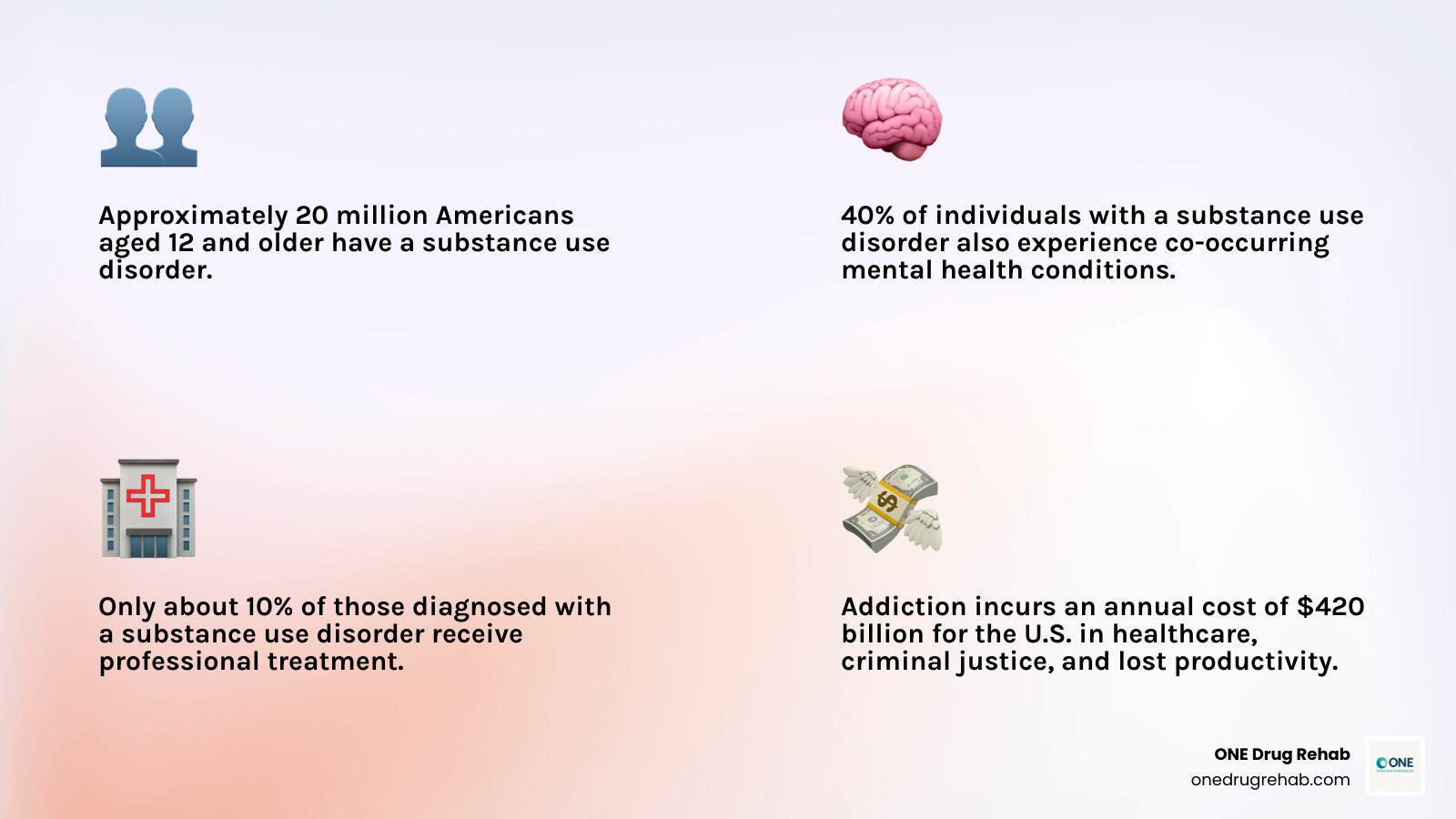
Despite the effectiveness of treatment, only about 10% of Americans with a substance use disorder receive it, often due to feeling overwhelmed by the choices. With over 14,500 treatment centers in the U.S., the challenge is finding a quality facility that fits your specific needs. Not all rehabs are created equal; some use proven practices, while others engage in deceptive marketing.
This guide will walk you through assessing your needs, understanding treatment options, verifying credentials, spotting red flags, and asking the right questions. By the end, you’ll have a clear checklist to make an informed decision.
Recovery is possible. Treatment works. And choosing the right program significantly impacts your chances of long-term success.
Step 1: Assess Your Needs and Goals
Finding the right rehab starts with an honest self-assessment. Before choosing a program, clarify what “right” means for your unique situation and recovery goals, whether it’s safe detox or a long-term solution.
Consider your substance use history: what substances, for how long, and how often? Also, note the impact on your health, work, and relationships. These details help determine the necessary level of care. Addiction is a chronic brain disease, not a moral failing. It’s a medical condition that changes brain function, a concept further explained in the science of addiction and recovery.

Understanding Co-Occurring Disorders
Many people with a substance use disorder also have a mental health condition like anxiety, depression, or PTSD. This is called a dual diagnosis or co-occurring disorder. About 40 percent of adults with substance use disorders have a co-occurring mental health disorder, and these conditions often fuel each other.
Treating the addiction without addressing the mental health issue (or vice versa) significantly lowers the chance of lasting recovery. Your chosen program must offer integrated care with a comprehensive mental health assessment to treat both conditions simultaneously. If depression is a factor, you might explore more info about holistic depression treatment as part of your plan.
Consulting with a Professional
Self-reflection is important, but a healthcare provider or addiction specialist is essential for an objective evaluation. A doctor or clinician can assess the severity of your conditions and recommend the appropriate level of care.
Many professionals use the American Society of Addiction Medicine (ASAM) criteria—widely accepted guidelines—to match your needs to the right program. A formal assessment is also practical, as most insurance plans require a professional diagnosis to cover treatment. This consultation is a critical first step, providing a concrete plan and expert guidance for making an informed decision.
Step 2: Understand Your Treatment Options
No single treatment works for everyone. Addiction treatment exists on a spectrum known as a continuum of care, with different levels of intensity. The key is finding the right rehab that matches your current needs, as determined by guidelines like the ASAM criteria. For a broad overview, see these types of addiction treatment.

Inpatient vs. Outpatient: Which is Right for You?
The first major decision is choosing between inpatient and outpatient treatment, which primarily differ in living arrangements and program intensity.
| Feature | Inpatient Rehab | Outpatient Rehab |
|---|---|---|
| Living Situation | Reside at the facility 24/7 | Live at home, attend sessions during the day/evening |
| Intensity | Highly structured, round-the-clock medical & therapeutic support | Flexible scheduling, varying intensity of sessions |
| Environment | Controlled, removed from triggers, therapeutic community | Maintain daily routines (work, school, family) |
| Cost | Generally higher due to accommodation and constant care | Generally lower, no living expenses at the facility |
| Ideal Candidate | Severe addiction, unstable home, co-occurring disorders, need for detox | Mild to moderate addiction, strong home support, work/school obligations |
| Success Factors | Immersive environment, focus on healing, medical supervision | Integration into daily life, strong external support, personal motivation |
Inpatient treatment involves living at the facility for 30-90 days with 24/7 medical and therapeutic support. It is ideal for severe addiction, co-occurring disorders, or an unsupportive home environment, as it removes you from daily triggers. Learn more info about inpatient rehab for drugs.
Outpatient treatment allows you to live at home while attending sessions. This option works well for less severe addiction if you have a strong support system and need to maintain work or family duties. It requires strong motivation as you apply recovery skills in your real-world environment. Find out more info about outpatient rehab programs.
Exploring Different Levels of Care
Between inpatient and outpatient, several other options provide varying levels of support:
- Residential treatment: Similar to inpatient but in a more homelike, therapeutic community setting. You live on-site and follow a highly structured program.
- Partial Hospitalization Programs (PHP): Intensive treatment (5-7 days/week for several hours) while living at home. It’s a step down from residential care but more intensive than standard outpatient.
- Intensive Outpatient Programs (IOP): Structured therapy for a few hours, several days a week, allowing you to maintain work or school. It’s often used as a step-down from a more intensive program. Find more info about IOP drug programs.
- Sober living homes: Supervised, drug-free housing that helps people transition from intensive treatment back to independent life. They provide structure and peer support.
The right level of care depends on your addiction severity, mental health, living situation, and support system. Honesty about your needs is crucial for finding a program that offers the best chance at lasting recovery.
Step 3: Your Step-by-Step Guide to Finding the Right Rehab
Now it’s time for the crucial part: finding the right rehab facility. This requires careful research to distinguish genuinely committed facilities from those focused on profit.

Verify Accreditations and Staff Credentials
First, confirm a facility meets quality and safety standards through accreditation and licensing. While state licensing is a minimum, look for national accreditation from top organizations like The Joint Commission or the Commission on Accreditation of Rehabilitation Facilities (CARF®). These signal a commitment to high-quality care based on rigorous evaluations. Learn more about rehab accreditation standards.
Next, investigate staff credentials. A quality facility will have a multidisciplinary team of licensed professionals, including medical doctors (MDs), psychiatrists, licensed therapists, and certified addiction counselors. If a facility is hesitant to share staff qualifications, consider it a red flag.
Evaluate Treatment Philosophies and Methods
Understand how a facility treats addiction. The gold standard is evidence-based practices—therapies scientifically proven to work, such as Cognitive-Behavioral Therapy (CBT) and Motivational Interviewing (MI).
For opioid or alcohol addiction, Medication-Assisted Treatment (MAT) is a vital, life-saving option that combines therapy with FDA-approved medications. A facility’s resistance to MAT is a sign of an outdated approach.
Programs may also use 12-Step principles, non-12-Step alternatives, or a blend of both. The right fit depends on your personal beliefs. Holistic therapies like yoga, meditation, or art therapy can complement core treatment by addressing overall well-being. See more info about holistic drug treatment.
Finally, look for strong family involvement. Addiction affects the entire family, and the best programs include family therapy and education to support healing.
Spotting Red Flags and Unethical Practices
The treatment industry has bad actors. Here’s what to avoid:
- Patient brokering: This illegal practice involves “coaches” or “interventionists” receiving kickbacks for referring you to a specific facility, often with incentives like free flights or rent. This is a serious ethical breach. See this research on patient brokering issues.
- Guarantees of a “cure”: Addiction is a chronic, treatable disease, but there are no guarantees. Promises of 100% success are dishonest.
- High-pressure sales tactics: Ethical providers give you time to make an informed decision, not pressure you with “one bed left” urgency.
- Lack of transparency: A facility should be open about its methods, staff credentials, costs, and accreditation. Vagueness is a major red flag.
- Emphasis on luxury over treatment: Comfortable amenities are nice, but the clinical program is what matters. If marketing focuses on resort-style living over therapy, their priorities are misplaced.
Step 4: The Ultimate Checklist: Questions to Ask Potential Rehabs
When you talk to potential rehab centers, you are in charge. You have the right to ask tough questions and expect clear answers. A reputable facility will welcome your diligence. Use this checklist to compare facilities and ensure you have all the information you need.
Key Questions About Treatment and Staff
Focus on the core of the program: the clinical care.
- What types of therapy are offered? (e.g., CBT, DBT, group, individual, family)
- What is the patient-to-counselor ratio?
- How do you handle co-occurring disorders? Is treatment integrated?
- What are the staff’s qualifications and licenses? (e.g., MD, LCSW, LPC, CAC)
- How are treatment plans customized for each patient?
- What is your policy on Medication-Assisted Treatment (MAT)?
- What does a typical daily schedule look like?
- How do you measure success rates and patient outcomes?
- What happens if a patient relapses during treatment?
Key Financial Questions for Finding the Right Rehab
Cost is a major factor, but options are available. Don’t let financial worries stop you from getting help.
- What is the total, itemized cost of the program? What’s included?
- Do you accept my insurance? Are you in-network with my plan? (You can use a rehab insurance verification tool to check.)
- What are the expected out-of-pocket expenses? (e.g., deductibles, co-pays)
- Are there payment plans, financing options, or scholarships available?
Key Logistical Questions for Finding the Right Rehab
Cover the practical details that will affect your daily life and transition back home.
- What is the average and recommended length of stay? (NIDA research suggests 90 days is most effective.)
- What are the rules for family contact and visitation? Are family programs offered?
- What post-treatment support and aftercare options are available? (e.g., alumni programs, sober living referrals)
- Can you provide a copy of patient rights and responsibilities?
Frequently Asked Questions about Choosing a Rehab
How long should rehab be?
Treatment duration matters. Research from the National Institute on Drug Abuse (NIDA) shows that programs lasting at least 90 days yield better outcomes. This allows time for the brain to heal and for new coping skills to become ingrained. However, treatment isn’t one-size-fits-all. An effective plan often involves a continuum of care, such as 30 days of residential treatment followed by outpatient care, with the duration adjusted to your progress.
Should I travel for rehab or stay close to home?
This depends on your personal situation. There are pros and cons to both.
- Staying close to home: Allows for easier family involvement in treatment and a smoother transition back into your community. However, it can also mean proximity to triggers.
- Traveling for treatment: Offers a fresh start away from triggers and access to specialized programs. The main drawbacks are distance from your support system and potential travel costs.
Honestly assess whether a new environment or a local support system would benefit your recovery more.
What if I can’t afford rehab?
Cost is a significant barrier for many, but you have options. Don’t let financial concerns prevent you from seeking help.
- Insurance: The Affordable Care Act requires most plans to cover substance use treatment. Use a rehab insurance verification tool to check your benefits.
- State-funded programs: Publicly funded centers offer care for those who can’t afford private facilities. SAMHSA can help you find free or low-cost treatment options.
- Financing and scholarships: Many facilities offer payment plans, sliding-scale fees based on income, or scholarships.
- Other resources: For a comprehensive guide, see our resource on finding rehab without insurance.
Conclusion: Take the Next Step with Confidence
You now have a roadmap for finding the right rehab. You know how to assess your needs, understand treatment levels, vet facilities, and ask the critical questions that lead to effective care. This knowledge is your tool for navigating the process and avoiding deceptive practices.
Addiction is a treatable disease. Recovery is a journey, and choosing the right program is a crucial first step that significantly improves your chances of long-term success.
At ONE Drug Rehab, our mission is to be your unbiased guide. We are not affiliated with any specific treatment center. We empower you with accurate information so you can make the best choice for yourself or a loved one.
The research is done. Now is the time for the courageous step of taking action. Reaching out for help is a sign of strength.
Ready to start comparing your options? Find and compare addiction treatment facilities today and take that confident next step toward lasting recovery. You’ve got this.