

Why Post Rehab Support Matters for Long-Term Recovery
Post rehab support is the network of services and connections that help you maintain sobriety after treatment. This can include professional therapy, peer groups like AA or SMART Recovery, sober living homes, family involvement, and lifestyle changes.
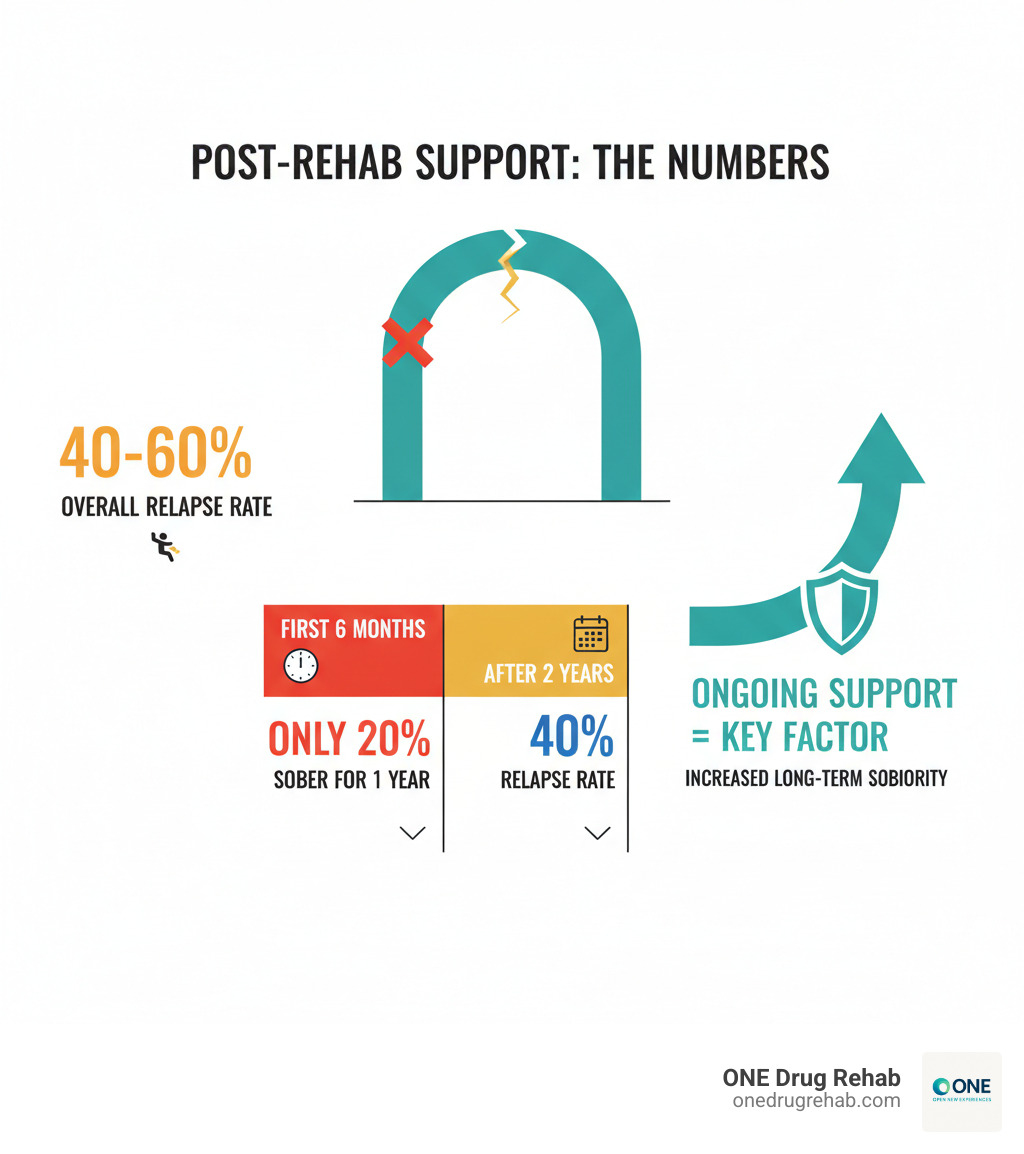
Completing rehab is a courageous first step, but it’s the beginning of a lifelong process. Addiction is a chronic condition requiring ongoing management, much like diabetes or hypertension. The statistics are sobering: research shows that 40% to 60% of people experience a relapse. The risk is highest in the first six months, with only about 20% of patients remaining alcohol-free for a full year after treatment.
However, the outlook improves significantly with time. After two years of sobriety, the relapse rate drops to 40%, and the risk continues to decrease with each additional year of recovery.
This is why aftercare is critical. Transitioning from a structured rehab environment back to daily life introduces triggers, stress, and old routines. Without a strong support system, feelings of loneliness or anxiety can become overwhelming. Sustainable recovery isn’t about weakness; it’s about consistently managing a chronic health condition with ongoing care.
Understanding the Landscape of Continuing Care

Leaving rehab can feel overwhelming. The accomplishment of finishing treatment can give way to loneliness, boredom, and anxiety as you adjust to a new life. These feelings are a normal part of the transition. A solid continuing care plan acts as your roadmap, helping you steer these challenges and achieve emotional sobriety—the ability to handle feelings in healthy ways. For more context, see our guide on different types of addiction treatment.
Professional Continuing Care Services
Professional services provide a structured foundation for post rehab support. Individual therapy offers a private space to address underlying issues, often using methods like Cognitive Behavioral Therapy (CBT) to change negative thought patterns. Group therapy reduces isolation by connecting you with peers who understand your journey, which helps build communication skills and genuine connections as we’ve detailed in how group therapy helps addiction.
Many people in recovery also have co-occurring disorders like depression or anxiety. Treating both addiction and mental health issues simultaneously is crucial for success. You can learn more about co-occurring disorder treatment options. For some, medication management can help manage cravings or mental health symptoms, while regular check-ups with specialists provide accountability and allow for adjustments to your aftercare plan.
Peer Support Groups and Communities
Connecting with people who have shared experiences is uniquely powerful. 12-Step programs like Alcoholics Anonymous (AA) and Narcotics Anonymous (NA) offer a structured framework of mutual support. A sponsor—a mentor further along in recovery—can provide invaluable guidance. You can find 12-Step meetings near you to get started.
If the 12-Step model isn’t for you, alternative groups like SMART Recovery use evidence-based techniques to build self-empowerment. Many rehabs also have alumni programs to keep you connected to your treatment community through workshops and mentorship.
Structured Living and Holistic Support
Returning to your old environment can be a struggle. Sober living homes provide a drug- and alcohol-free residence that bridges the gap between intensive treatment and independence. With house rules and built-in peer support, they offer a safe place to practice recovery skills. SAMHSA provides helpful recovery housing information.
Recovery involves healing your whole self. Holistic therapies like yoga, art therapy, and nutrition counseling promote overall well-being. Our holistic treatment services guide explores these practices. Mindfulness and meditation are especially powerful tools for reducing stress and anxiety by helping you stay present. Research shows mindfulness can clear anxiety and create space for healthier responses. For some, wilderness therapy programs build resilience through outdoor challenges.
The Core Components of a Successful Post Rehab Support Plan
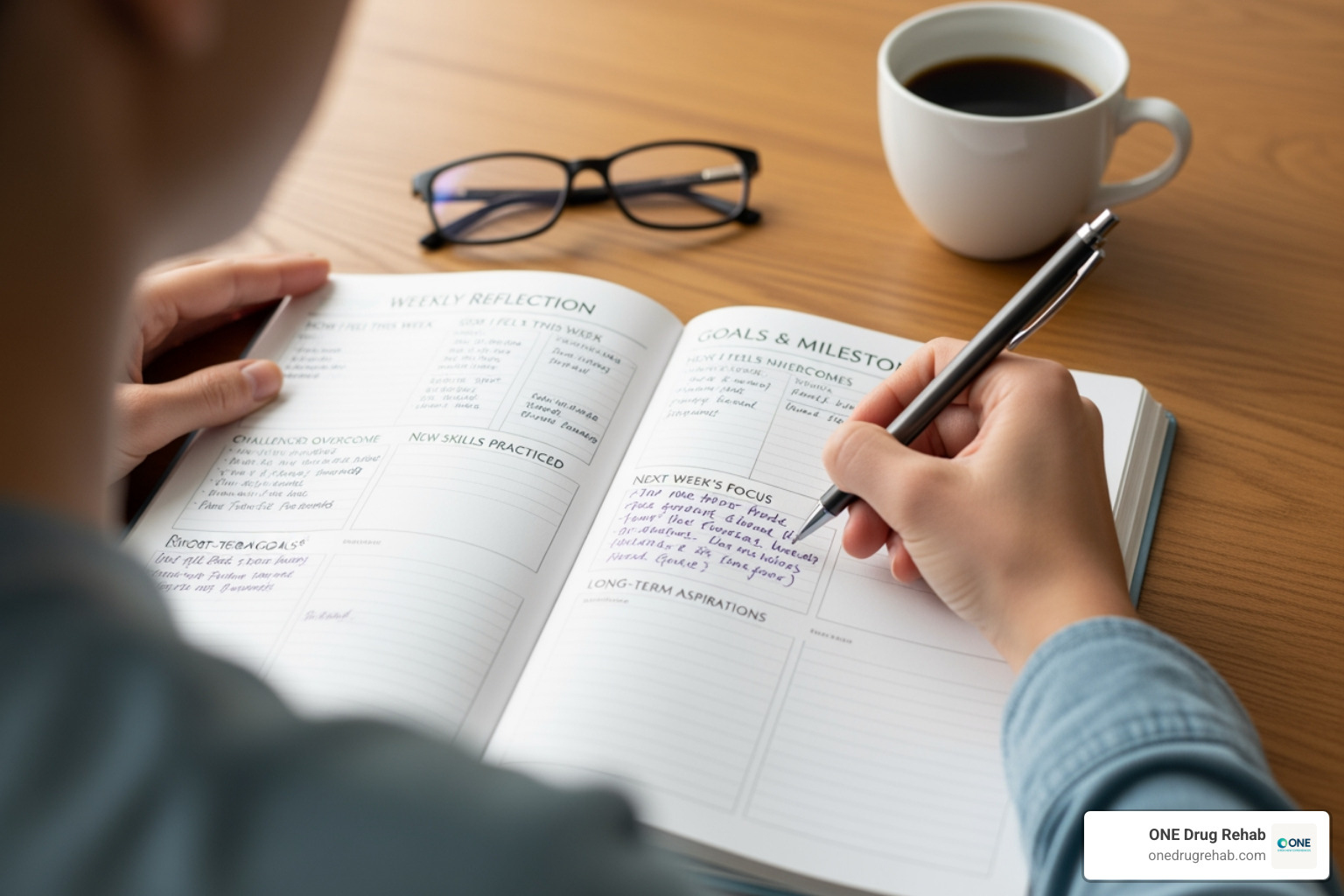
Recovery doesn’t just happen; you build it day by day. A successful post rehab support plan is proactive, personalized, and includes clear goals to create structure and prevent relapse. Understanding where you are in your journey, as outlined in the Stages of Change Model, can help you take the right next steps.
Managing Triggers and Preventing Relapse
Triggers are the people, places, feelings, or situations that spark cravings. Identifying your personal triggers requires honest self-reflection. Once you know them, you can develop coping strategies, such as calling your sponsor, practicing mindfulness, or leaving a risky situation.
Since stress is a common trigger, stress management techniques like deep breathing or meditation are essential. Your plan should also include a crisis plan: a written list of emergency contacts and self-soothing actions for when you feel overwhelmed. It’s also important to understand the difference between a lapse (a brief slip) and a relapse (a return to old patterns). A lapse is not a failure but a signal to get help and adjust your plan. Learn what to do after a lapse or relapse to respond constructively.
Building a Healthy Routine and Social Life
Rebuilding your life starts with a solid foundation. Structure is your friend in early recovery. A daily schedule with regular sleep, balanced meals, and recovery activities prevents boredom and cravings. Prioritizing sleep and nutrition gives your brain the fuel it needs to make good decisions.
Exercise is a powerful tool that manages stress and boosts mood by releasing endorphins, as noted by Harvard Health. It’s also time to find new hobbies that bring you joy, like hiking, art, or volunteering. These activities provide fulfillment and help you build a new identity.
Building new, healthy relationships is crucial. Seek out social groups that celebrate sobriety. This may require setting boundaries with old friends, especially those who still use substances. It’s a difficult but necessary step to protect your recovery.
Why Professional Post Rehab Support is Crucial
While self-help is vital, professional post rehab support provides trained expertise and accountability. Regular check-ins with a therapist help you stay on track and address underlying issues like trauma or co-occurring disorders. Professionals can also facilitate family therapy to heal relationships and help with long-term goal setting, making big dreams like returning to school or starting a new career feel achievable. The type of aftercare you need may depend on your initial treatment; you can learn more by comparing residential and outpatient rehab programs.
The Role of Friends and Family in Recovery

Addiction is often called a “family disease” because it affects everyone who loves the person struggling. When your loved one leaves rehab, your support can be one of their most powerful tools. However, effective support requires more than just love; it demands understanding, boundaries, and a willingness to grow alongside them.
How to Provide Effective Support
Knowing how to help can be confusing. Start with open communication, letting your loved one know you’re there to listen without judgment. Ask them what kind of support they need. Patience is also key, as recovery has its ups and downs. You can show support by encouraging healthy habits together, like taking walks or cooking nutritious meals.
If offered, participate in family therapy. It provides a safe space to heal and learn how to support recovery effectively. It’s also crucial to take care of your own well-being. Supporting someone in recovery is emotionally taxing. Groups like Al-Anon and Nar-Anon offer peer support for families, and organizations like Family Drug Support provide valuable resources.
Setting healthy boundaries is one of the most important and difficult aspects of providing support. Boundaries protect both you and your loved one. This might mean not providing money or declining invitations to events where substances are present. This is related to avoiding enabling behaviors, like making excuses or shielding them from consequences. While it feels tough, letting them face the results of their actions can be a powerful motivator for change. For more guidance, see this resource on how to help someone misusing drugs or alcohol. Finally, don’t forget to celebrate milestones to reinforce their progress.
Building Your Personal Post Rehab Support Network
As your loved one builds their network, you need one too. Identify key supporters in your own life and don’t hesitate to communicate your needs. For your loved one, finding sober friends is vital. Encourage them to connect with others in recovery through support groups or alumni programs. Building strong networks on both sides creates the best foundation for lasting recovery.
Frequently Asked Questions about Post-Rehab Life
Navigating life after rehab brings up many questions. Here are answers to some of the most common concerns.
How long should I stay in aftercare?
There’s no finish line for aftercare. Think of it like managing any chronic condition—it’s an ongoing process. Post rehab support is flexible and lasts as long as you need it. While the intensity may decrease over time as you build confidence, maintaining a connection to your support system is valuable for long-term success. The goal is to weave recovery practices into your daily life so they become second nature.
What is the biggest challenge after leaving rehab?
For many, the biggest challenge is the transition from the structured, safe environment of rehab back to daily life. You must now create your own structure while navigating old routines, triggers, and social situations. Feelings of boredom, loneliness, and anxiety are common as you learn to live without your old coping mechanism. The first 6 to 12 months are typically the most difficult, which is why having a solid post rehab support plan during this period is so critical.
What if I relapse?
First, a relapse is not a failure. It doesn’t mean treatment didn’t work or that you’re weak. It’s a common part of the recovery journey for many people. If you relapse, the most important steps are:
- Seek help immediately. Don’t isolate yourself in shame. Call your sponsor, therapist, or a trusted friend.
- Reassess your recovery plan. A relapse is a sign that something in your plan needs to be adjusted. Identify what led to it and strengthen your strategies.
- Re-engage with support. This might mean more meetings, extra therapy sessions, or even a brief return to a higher level of care. There is no shame in needing more help.
Most importantly, don’t give up. Many people who relapse go on to build strong, lasting recoveries. Learn from the experience and recommit to your sobriety.
Take the Next Step in Your Recovery Journey
Recovery is a continuous process of growth and building a life that excites you. While the journey after rehab has challenges, it also offers incredible opportunities for personal change.
The benefits of staying connected to post rehab support are clear. You’ll gain increased self-efficacy, improve your mental and physical health, and build stronger, more authentic relationships. Most importantly, you’ll create a fulfilling, sober life that is truly your own—one where you feel proud of the person you are becoming.
You’ve already taken the courageous step of completing rehab. Now, it’s time to build on that foundation with a robust support system that will empower you to thrive. You have the strength, the tools, and a community ready to walk with you.
At ONE Drug Rehab, we understand that finding the right support can feel overwhelming. We provide general information about drug rehab facilities, acting as a third-party, non-affiliated resource to help you research your options without pressure. We’re here to help you explore what’s available so you can make informed decisions for your recovery.
Don’t wait for the perfect moment. That moment is now. Begin your search for the right support system today, and take the next step toward the life you deserve.