

Why High-Performing Professionals Need Specialized Addiction Treatment
Rehab for professionals offers specialized addiction treatment for executives, healthcare workers, lawyers, and other licensed professionals balancing recovery with demanding careers. These programs provide discreet, high-quality care with amenities like business centers, flexible schedules, and peer groups of fellow professionals, all while maintaining strict confidentiality to protect your reputation.
Quick Facts About Professional Rehab:
- Privacy First: HIPAA-protected treatment in discreet locations.
- Work-Life Balance: Access to Wi-Fi, private conference rooms, and flexible scheduling.
- Career Protection: Legal protections through FMLA, ADA, and EAP programs.
- High Success Rates: Over 80% of professionals successfully return to work after treatment.
- Treatment Options: Medical detox, inpatient, outpatient (IOP/PHP), and aftercare.
- Insurance Coverage: Most plans cover substance use disorder treatment.
If you’re a busy professional struggling with addiction, you’re not alone. Statistics show that professionals in technical services, finance, and education face significant rates of heavy alcohol and illicit drug use. The very traits that make you successful—problem-solving, perfectionism, high stress tolerance—can become obstacles in recovery. You face unique pressures like workplace cultures that normalize drinking, high stress, and the fear that seeking help will damage your career.
Specialized rehab programs exist specifically for people like you. They understand that confidentiality is essential and that returning to your profession is a critical part of your recovery plan. Nearly 44 million Americans needed treatment for substance use disorder in 2021, yet only 4 million received it. The gap is wider for professionals facing career concerns. This guide shows how executive rehab programs bridge that gap with treatment designed around your life.
Understanding the Need for Executive Rehab
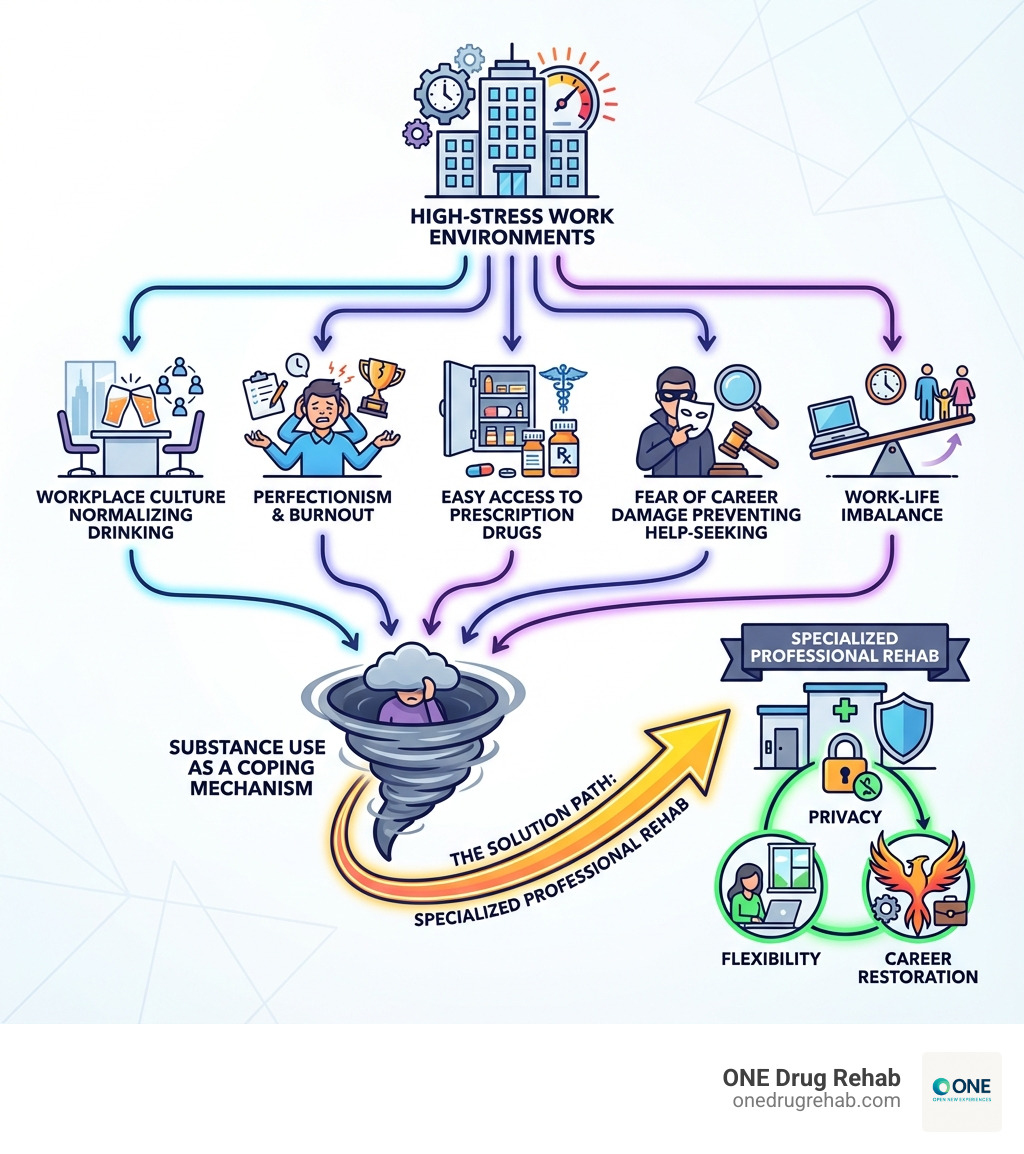
Professionals in high-stress careers with long hours and intense pressure face a unique vulnerability to addiction. The demands of being a doctor, lawyer, or executive can be immense. Statistics show that substance use is a significant issue across professional sectors, challenging the misconception that addiction only affects certain demographics.
Several factors contribute to this vulnerability:
- High-stress environments: Constant pressure can lead professionals to seek solace in substances.
- Perfectionism: This drive can lead to self-medication for anxiety or perceived failures.
- Burnout: Relentless pace and emotional toll can make individuals susceptible to using substances as a coping mechanism.
- Workplace culture: In some industries, alcohol or drug use is normalized in social or networking settings.
- Fear of career repercussions: The fear of job loss, reputational damage, or license revocation is a major barrier to seeking help, often causing delays in treatment.
This fear contributes to the “treatment gap,” where millions of adults with substance use disorders do not receive care. For professionals, this gap is often wider due to their specific career concerns.
What is Executive Rehab?
Executive rehab, or professional rehab, is specialized addiction treatment designed for individuals in demanding careers. It’s a comprehensive approach that balances professional responsibilities with personal recovery.
These programs offer:
- Custom treatment: Plans custom to your substance use history, profession, and mental health.
- Discretion and privacy: Facilities exceed standard HIPAA requirements to protect your personal and professional life.
- Work accommodations: Amenities like private offices, Wi-Fi, and flexible schedules allow you to manage essential work.
- Career-specific focus: Therapy addresses the unique stressors of your profession.
- Peer support: Connecting with fellow professionals who understand your struggles is a powerful component.
Executive rehab aims for sobriety and a sustainable return to your career. You can explore more about the effectiveness of treatment by reading Does Rehab Work.
The Difference Between Executive and Standard Rehab
While all reputable rehab programs aim to provide effective addiction treatment, executive rehab distinguishes itself by tailoring every aspect of the experience to the professional client. Here’s a quick comparison:
| Feature | Executive Rehab | Standard Rehab |
|---|---|---|
| Amenities | Private rooms, business centers, gourmet meals, fitness, spa, concierge services. | Shared rooms, basic facilities, communal dining. |
| Privacy Level | Improved discretion, secluded locations, strict confidentiality protocols. | Standard medical privacy (HIPAA), less emphasis on high-profile anonymity. |
| Work/Technology Access | Dedicated workspaces, high-speed Wi-Fi, phone/laptop access. | Limited or no access to personal electronics and work. |
| Peer Group | Exclusively or primarily other professionals, executives, licensed individuals. | Diverse group from all walks of life. |
| Cost | Significantly higher due to specialized services and amenities. | Varies, generally lower than executive options. |
| Focus on Career Re-integration | Strong emphasis on return-to-work planning, licensing board liaison, reputation management. | General aftercare planning, less focus on career-specific issues. |
Treatment Settings and Program Structures
A professional’s recovery journey requires an individualized treatment plan that considers their specific needs, substance use, and career responsibilities. Treatment often involves a continuum of care, with different levels of support as your needs evolve. You can learn more about the process in our guide on the Rehabilitation of Substance Abuse.
Medical Detox for Professionals
The first step for many is medical detox, which ensures a safe and comfortable withdrawal from substances like alcohol and opioids under expert supervision. In a professional detox setting, you receive:
- Safe withdrawal management: 24/7 monitoring of vital signs to ensure physical safety.
- Medically supervised care: Medications to alleviate withdrawal symptoms, reduce cravings, and prevent complications.
- Comfort and safety: A calm, supportive environment to reduce stress during this initial stage.
Detox is a crucial first step that prepares you for intensive therapy and long-term recovery.
Inpatient Rehab for Professionals
Inpatient (or residential) rehab is highly effective, providing an immersive treatment experience away from daily triggers and stressors. These programs for professionals offer:
- 24/7 care and support: Constant access to medical and clinical staff.
- Structured environment: A daily schedule of therapy, workshops, and holistic activities.
- Removal of external triggers: A space for deep healing without professional or personal distractions.
- Privacy and discretion: Secluded facilities that offer a confidential healing environment.
The immersive nature of inpatient rehab for professionals yields profound results. Our directory can also help you find programs with specific accommodations, such as those detailed in our Inpatient Rehab Men Guide or for those needing Pet Friendly Inpatient Rehab.
Outpatient Rehab for Professionals
For professionals who cannot commit to an inpatient stay, outpatient rehab for professionals offers a flexible yet comprehensive option. Outpatient programs allow you to live at home and attend therapy sessions, maintaining work and family life.
- Intensive Outpatient Programs (IOP): Provide a high level of care for several hours a day, multiple days a week.
- Partial Hospitalization Programs (PHP): A step down from inpatient care, with more intensive daily programming than IOPs.
These programs help you practice recovery skills in your real-world environment. Understanding How Do Outpatient Rehab Programs Work is key. We also have resources on Outpatient Alcohol Rehab Programs for those with specific needs.
Key Features of Professional Rehab Programs

Effective rehab for professionals combines evidence-based therapies, holistic approaches, and individualized care. These programs address the whole person, including the unique pressures of a high-stakes career.
Specialized Amenities and Benefits
Executive rehabs offer amenities that support both recovery and professional needs, creating an environment where you can heal without completely disengaging from work. These are not just luxuries; they are integral to the treatment process.
- Private rooms: For personal space and reflection.
- Business centers: With computers, printers, and internet to manage urgent work.
- Wi-Fi access: To stay connected, with boundaries to ensure focus on treatment.
- Gourmet meals: Nutritious food for overall well-being.
- Fitness centers: To promote physical health as part of a holistic recovery. Learn more about Holistic Fitness Programs.
- Confidential environment: Ensuring your privacy is a top priority.
These amenities help alleviate the fear of falling behind at work, a major barrier to seeking help.
Addressing Co-Occurring Mental Health Disorders
Addiction often co-occurs with mental health conditions like anxiety and depression, with roughly 50% of individuals experiencing both. For professionals, work stress can exacerbate these issues. Effective rehab for professionals provides integrated care, also known as dual diagnosis treatment.
- Integrated care: Addiction and mental health conditions are treated simultaneously by a multidis multidisciplinary team.
- Specialized therapies: Therapists address the interplay between professional stress, mental health, and substance use.
- Medication management: Psychiatrists can prescribe medication to manage mental health symptoms, supporting addiction recovery.
Addressing these intertwined issues is crucial for sustainable recovery. For more information, see our guides on Inpatient Rehab Anxiety Guide and Holistic Depression Treatment.
Specialized Programs for Specific Professions
Many facilities offer programs custom to the unique stressors and ethical requirements of specific professions.
- Physicians and Nurses: Addressing burnout, access to drugs, and licensing board issues.
- Lawyers and Judges: Focusing on high-pressure litigation and bar association concerns.
- Dentists: Dealing with practice management stress and access to sedatives.
- Executives: Tackling leadership pressure, long hours, and travel.
- Pilots: Addressing strict aviation authority regulations and safety-sensitive roles.
These tracks foster peer understanding and address career-specific nuances like “fitness to practice” evaluations. Find more information in our resource on programs for healthcare professionals.
Typical Program Length
Program length is individualized but typically falls into common categories:
- 30-day programs: A solid starting point for sobriety and initial coping skills.
- 60-day programs: Allow for deeper therapeutic work and integration of new behaviors.
- 90-day programs: Considered the gold standard, as longer treatment correlates with better long-term outcomes. You can explore the 90 Day Rehab Cost.
Duration is influenced by addiction severity, individual progress, co-occurring disorders, and professional obligations. The goal is to provide enough time to build a strong foundation for a successful return to your career.
Navigating Logistics: Cost, Career, and Confidentiality

For professionals, deciding to seek help involves navigating logistics related to career, finances, and reputation. This section explains how to protect your livelihood while starting your healing journey.
Confidentiality and Protecting Your Reputation
Fear of exposure is a primary deterrent to seeking help, but confidentiality is paramount in rehab for professionals.
- HIPAA laws: All rehab centers are legally bound by HIPAA, which protects your medical information from being shared without your consent.
- Strict privacy policies: Executive facilities often implement extra privacy protocols, including staff training on discretion and secure communication.
- Discreet locations: Many centers are in secluded locations to minimize the chance of being recognized.
- Protecting professional standing: The framework of executive rehab is designed to safeguard your career, with guidance on employer communication and reputation management.
Specialized rehab for professionals is built to uphold your right to privacy.
Paying for Executive Rehab
While executive rehab can have a higher price tag, effective treatment is accessible through various payment options.
- Cost factors: Prices vary based on program length, location, luxury, and services.
- Insurance coverage: Under the ACA, substance use disorder treatment is an essential health benefit, meaning most insurance plans provide coverage. It’s crucial to understand Does Insurance Cover your specific plan.
- Employer health insurance: Your Employer Health Insurance plan likely includes addiction treatment benefits.
- Other options: Many facilities offer payment plans or sliding scale fees based on income.
Don’t let cost be a barrier. Our guide on How to Afford Rehab can help you steer the financial aspects.
Legal Protections and Returning to Work
Legal protections are in place to protect your job and career, and employers are often supportive.
- Family and Medical Leave Act (FMLA): Allows eligible employees to take up to 12 weeks of unpaid, job-protected leave for medical treatment, including addiction.
- Americans with Disabilities Act (ADA): Protects individuals in recovery from discrimination and requires employers to provide reasonable accommodations.
- Employee Assistance Programs (EAP): Many companies offer EAPs for confidential counseling and referrals for issues like substance abuse.
Executive rehab programs also assist with career restoration strategies and “fitness-to-practice” evaluations for licensed professionals. Seeking treatment is a sign of strength. For more resources, visit Find treatment resources via SAMHSA.
Life After Treatment: Aftercare and Finding the Right Program
Completing a primary treatment program is the beginning of a lifelong journey. Long-term recovery depends on building a sober network and applying learned skills, making aftercare and ongoing support critical.
How to Find the Right Rehab for Professionals
Choosing the right rehab for professionals is a personal decision. Here’s how to approach your search:
- Physician referrals: Your doctor can be an excellent first resource.
- Insurance provider lists: Your insurer can provide a list of in-network facilities.
- Online directories: Our National Rehab Directory lets you filter programs by location, treatment type, and specialized services.
- Vetting facilities: Once you have a shortlist, ask about staff credentials, confidentiality policies, aftercare planning, and accreditations. Inquire about their success rates with professionals and their approach to dual diagnosis.
The right program is one that feels like a good fit and offers the specialized care you need.
The Role of Aftercare and Continuing Support
Aftercare is the bridge from intensive treatment back to daily life, providing essential tools for long-term sobriety. Effective aftercare for professionals often includes:
- Relapse prevention planning: Personalized strategies to manage triggers specific to your professional environment.
- Sober living homes: A structured, supportive community for transitioning back to society.
- Ongoing therapy: Continuing individual or group therapy to reinforce coping skills.
- Alumni programs: Robust alumni networks offer a community of support from peers.
Building a strong foundation of continuing support is key to sustained sobriety. Our resources on Recovery Support Groups can provide further guidance.
Peer Support in Professional Recovery
The connection found in peer support is a powerful benefit of rehab for professionals. Finding a community of like-minded individuals reduces the isolation of addiction.
- Connecting with peers: Sharing experiences with other professionals reduces shame and isolation.
- Caduceus groups: Specialized peer support groups for healthcare professionals.
- 12-Step meetings for professionals: Many 12-Step programs have meetings custom to professionals. Our guide on 12 Step Meetings can help you find them.
- Shared understanding and accountability: Peer groups provide a built-in support system and motivation.
This support acknowledges that while recovery principles are universal, a professional’s context is distinct.
Frequently Asked Questions about Rehab for Professionals
Here are answers to common questions from professionals exploring treatment options:
Can I continue to work while in rehab?
Yes. Executive rehab programs are designed for your professional life, offering amenities like private offices, Wi-Fi, and flexible schedules to manage essential work. While recovery is the priority, these programs provide the resources to balance work responsibilities, alleviating fears of career disruption.
Will my employer find out I’m in rehab?
Your privacy is protected by federal laws like HIPAA. A facility cannot disclose your medical information to an employer without your consent. Laws like the FMLA also protect your job if you take medical leave, and you are not required to disclose the specific reason. Executive rehabs are skilled at ensuring discretion.
Are success rates higher in rehab for professionals?
While success depends on the individual, programs for professionals often report high success rates, with some noting over 80% of participants returning to work. This can be attributed to high motivation, strong support systems, and specialized care that addresses career-specific challenges. Learn more in our guide on Addiction Recovery Success Rates.
Conclusion
Your career is more than just a job; it’s a testament to your dedication, skill, and hard work. But when addiction enters the picture, it threatens not only your professional life but your entire well-being. We want you to know that seeking rehab for professionals is not a sign of weakness, but an investment in your health, your future, and the career you’ve built.
Specialized treatment programs understand the unique challenges you face—the high-pressure environments, the need for discretion, and the desire to return to your profession stronger than ever. They offer a path to healing that respects your professional identity while providing the comprehensive care you need to overcome substance use disorder.
Help is available, and it’s confidential. Taking that first crucial step, reaching out for support, is the most important decision you can make. At ONEDrugRehab.com, we provide a neutral platform for you to explore your options, compare facilities, and find a program that truly fits your needs. Your journey to recovery and career restoration begins now. For a comprehensive look at inpatient options specifically designed for you, explore Your comprehensive guide to inpatient programs for professionals.