

What Holistic Drug Rehab Centers Really Mean for Your Recovery
What does holistic drug rehab centers mean? Holistic drug rehab centers take a comprehensive approach to addiction treatment by addressing the whole person—mind, body, and spirit—rather than just focusing on the addiction itself. These centers combine traditional evidence-based therapies with complementary treatments like yoga, meditation, nutrition counseling, and creative therapies to heal underlying issues and promote lasting recovery.
Key elements of holistic drug rehab centers:
- Whole-person treatment – Addresses physical health, mental well-being, emotional balance, and spiritual growth simultaneously
- Root cause focus – Targets underlying trauma, mental health issues, and environmental factors driving addiction
- Integrated therapies – Combines proven clinical methods (CBT, DBT) with complementary approaches (acupuncture, mindfulness, art therapy)
- Natural healing emphasis – Supports the body’s innate ability to heal through nutrition, exercise, and stress management
- Personalized care – Tailors treatment plans to individual needs, experiences, and recovery goals
If you’re feeling overwhelmed by addiction treatment options, you’re not alone. About 23 million Americans need treatment for substance use, but only 2.5 million receive it. The term “holistic” can seem vague or even trendy, but it represents a meaningful shift in how we understand and treat addiction.
Addiction is considered a brain disorder because it changes the brain’s reward and motivation systems. But it also impacts every area of life—relationships, physical health, emotional stability, and sense of purpose. Holistic rehab recognizes this interconnectedness and refuses to treat addiction in isolation.
Traditional rehab often focuses primarily on stopping drug use through medication and behavioral therapy. Holistic programs include these proven methods but add layers of support that address why someone turned to substances in the first place. Research shows that approximately 40% of people with substance use disorders have co-occurring mental health conditions, making comprehensive care crucial.
Close to half of adults in developed countries now use some form of alternative therapy like yoga or herbal remedies to improve well-being. Studies suggest that mindfulness combined with contingency management can improve both completion rates and mental clarity during recovery. This growing body of evidence supports what holistic practitioners have long believed: healing happens when we treat the entire person, not just the symptoms.
What does holistic drug rehab centers mean vocabulary:
The Core Philosophy: What Does Holistic Drug Rehab Centers Mean?
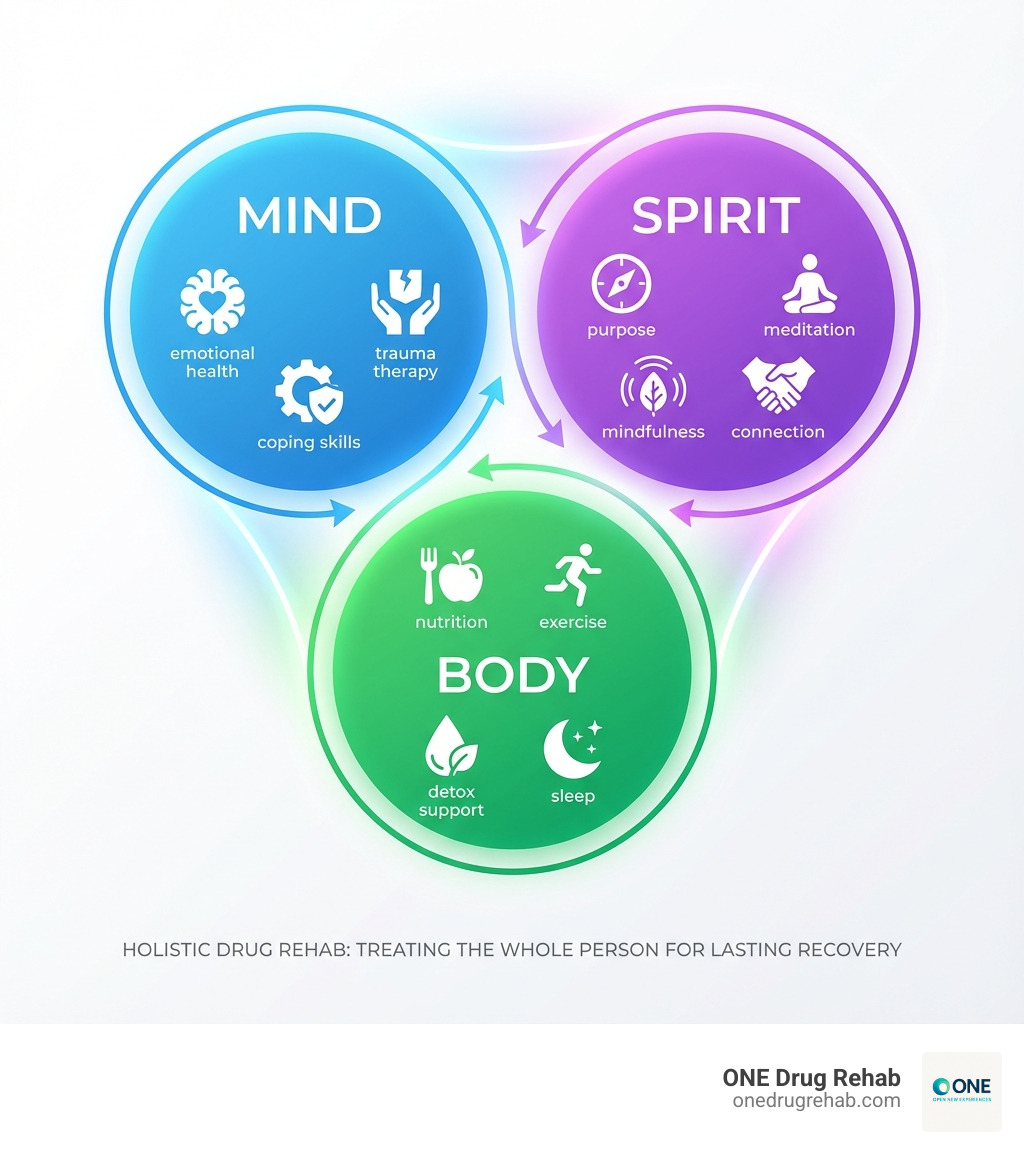
At its heart, what does holistic drug rehab centers mean is a commitment to treating the “whole person.” This philosophy recognizes that addiction isn’t just a physical dependence or a bad habit; it’s a complex condition that impacts an individual’s entire being – their mind, body, and spirit. Imagine trying to fix a leaky roof without ever looking at the foundation of the house. You might stop the immediate drip, but the underlying structural issues will eventually cause more problems. Holistic rehab takes a similar view, aiming to address the root causes of addiction, rather than just its outward symptoms.
The goal is to bring these three interconnected aspects into alignment, fostering not just abstinence, but true personal growth and sustainable wellness. This means diving deep into emotional imbalances, past traumas, nutritional deficiencies, and a lack of purpose or connection that might be fueling substance use.
Holistic vs. Traditional Treatment Models
When we talk about addiction treatment, it’s helpful to understand the landscape. On one side, you have traditional treatment models, which often concentrate on clinical or medical interventions alone. These programs typically focus on:
- Philosophy: Primarily symptom-focused, aiming to stop substance use.
- Treatment Focus: Evidence-based therapies like Cognitive Behavioral Therapy (CBT), Dialectical Behavior Therapy (DBT), Medication-Assisted Treatment (MAT), and medically supervised detox.
- Environment: Often clinical, hospital-like settings.
While incredibly important and effective for many, traditional rehab might not always dig into the broader life factors contributing to addiction.
Holistic rehab centers, however, integrate these proven methods with a wider array of therapies, creating a comprehensive approach. Here’s a comparison:
| Feature | Traditional Rehab | Holistic Rehab |
|---|---|---|
| Philosophy | Symptom-focused; breaking physical dependence | Whole-person healing; addressing root causes |
| Treatment Focus | Clinical therapies (CBT, MAT, detox) | Integrated therapies (clinical + complementary) |
| Environment | Clinical, structured | Supportive, often serene, “spa-like” (DrugRehab.org) |
| Goal | Abstinence from substances | Sustainable wellness, balance, personal growth |
Holistic programs believe that treating the entire person — considering their biological, behavioral, social, environmental, and spiritual needs — leads to more profound and lasting recovery. They address emotional, social, and spiritual factors that traditional methods might overlook. Some even feature a “spa-like” atmosphere to promote relaxation and peace of mind, which can be a welcome change from a purely clinical setting.
The Goal of Holistic Recovery
The ultimate goal of holistic recovery goes far beyond simply achieving abstinence. While stopping substance use is, of course, a critical first step, what does holistic drug rehab centers mean for long-term success is about building a foundation for a fulfilling life. We aim to empower individuals to reclaim their minds, bodies, and souls by finding and maintaining balance in all aspects of their lives.
Addiction is recognized as a complex brain disorder that involves changes in the brain’s reward and motivation systems. But it also affects every other area of a person’s life: physical health, mental well-being, relationships, decision-making, and sense of purpose. Holistic recovery seeks to:
- Achieve Balance: Restore equilibrium across physical, mental, emotional, and spiritual dimensions.
- Foster Self-Awareness: Help individuals understand their triggers, coping mechanisms, and internal resources.
- Promote Empowerment: Encourage individuals to take an active role in their healing process, becoming partners with their healthcare providers.
- Ensure Sustainable Wellness: Equip individuals with strategies for long-term health and growth, reducing the likelihood of relapse and improving overall quality of life.
It’s about cultivating hope, purpose, and meaning, helping individuals not just survive, but truly thrive.
Key Components of a Holistic Approach
When we think about holistic healing, we’re considering all the pieces that make up a person’s well-being. It’s like baking a cake – you can’t just throw in flour and expect a delicious result. You need eggs, sugar, butter, and a dash of love (or vanilla extract!). Similarly, holistic addiction treatment integrates various components to support overall well-being.

These foundational pillars of health are addressed through integrated care, ensuring that every facet of an individual’s recovery journey is nurtured. This comprehensive approach is central to Holistic Drug Treatment.
Healing the Body: Physical Health and Wellness
Our bodies are the vessels through which we experience the world, and substance use can take a serious toll. Holistic rehab places a strong emphasis on restoring physical health, which often involves:
- Nutritional Therapy: Long-term substance abuse can lead to severe nutritional deficiencies. Holistic programs often provide all-natural meal plans and nutritional counseling to help the body heal, receive proper nutrients, and stabilize energy levels. This can include herbal remedies and supplements to support detoxification and overall health.
- Detox Support: While medically supervised detox is crucial for safely managing withdrawal symptoms, especially for substances like alcohol and opioids, holistic detox centers may incorporate natural measures. These include herbal remedies, nutritional support, rest, and massage therapy to minimize the introduction of new chemicals and reduce stress and negative mood during this challenging phase.
- Exercise and Recreation: Physical activity is a powerful tool for recovery. Programs often include activities like yoga, tai chi, hiking, rock climbing, swimming, or general fitness. Exercise can improve depression and anxiety, improve inhibitory control, reduce drug cravings, and build routine and confidence.
- Yoga: This ancient practice combines physical postures, breathing exercises, and meditation. It’s excellent for stress reduction, improving flexibility, and fostering a mind-body connection, which is vital in recovery.
- Sleep Restoration: Substance use often disrupts healthy sleep patterns. Holistic programs help re-establish natural sleep cycles through practices like mindfulness, relaxation techniques, and a supportive environment, recognizing that quality sleep is fundamental to physical and mental healing.
For more on staying active during recovery, explore our Holistic Fitness Programs.
Nurturing the Mind: Emotional and Mental Health
Our minds are powerful, and addiction often has deep roots in our emotional and mental landscape. Holistic rehab centers provide tools and therapies to help individuals heal their minds:
- Emotional Regulation and Stress Management: Learning to manage intense emotions and stress without resorting to substances is a cornerstone of recovery. This involves developing healthy coping mechanisms, emotional balance, and processing feelings effectively. Mindfulness and meditation are key practices here.
- Building Resilience: Through self-awareness and acquiring new life skills, individuals learn to steer life’s challenges and bounce back from setbacks, fostering mental fortitude.
- Addressing Trauma: Many individuals use substances to “self-medicate” unresolved trauma. Holistic approaches are often trauma-informed, meaning they recognize the pervasive impact of trauma and integrate therapies like EMDR (Eye Movement Desensitization and Reprocessing) or specialized holistic trauma therapy to address these deep-seated issues.
- Co-occurring Disorders: It’s a stark reality that approximately 40% of those with substance use disorders also have co-occurring mental health conditions like depression, anxiety, or bipolar disorder. Holistic programs are adept at providing integrated support for these dual diagnoses, acknowledging their multifaceted nature. This comprehensive approach ensures both conditions are treated simultaneously for a stable foundation in sobriety. For those specifically struggling with mental health alongside addiction, our Holistic Anxiety Treatment page offers more insights.
Connecting with the Spirit: What does holistic drug rehab centers mean for personal growth?
The spiritual component of holistic recovery is often misunderstood, but it’s incredibly powerful. It doesn’t necessarily mean adhering to a specific religion; rather, it refers to finding a sense of purpose, meaning, and connection in life. What does holistic drug rehab centers mean for this aspect of personal growth is about nurturing the inner self:
- Finding Purpose and Meaning: Addiction can strip away a person’s sense of self and direction. Spiritual health in recovery involves exploring values, setting new goals, and refinding what brings joy and fulfillment. This can be about connecting to something larger than oneself, whether it’s nature, community, or a personal belief system.
- Spirituality vs. Religion: It’s important to clarify that spiritual health is distinct from religious doctrine. While some holistic centers may incorporate faith-based practices, many focus on broader concepts like inner peace, interconnectedness, and a sense of belonging. It’s about cultivating hope and finding a renewed sense of self-worth.
- Mindfulness Practices: These practices, such as meditation, improve awareness and reflection, helping individuals stay present and observe their thoughts and feelings without judgment. This mental clarity is crucial for developing healthy coping mechanisms and making conscious choices.
- Meditation: Guided meditation or silent contemplation helps calm the mind, reduce stress, and foster a deeper connection with one’s inner self. Studies suggest that meditation and other forms of mindfulness-based intervention (MBI) are effective for several conditions, including substance use disorder (SUD).
- Journaling: This simple yet profound activity allows individuals to process emotions, track their thoughts, and gain insights into their recovery journey. It’s a powerful tool for self-reflection and emotional release.
- Nature Immersion: Spending time in nature can be incredibly healing, fostering a sense of peace and connection to the world around us. Many holistic programs incorporate outdoor activities like wilderness therapy or nature walks.
Therapies and Activities in Holistic Rehab
A hallmark of holistic rehab is its diverse array of therapies and activities, designed to engage the whole person. This isn’t a one-size-fits-all approach; instead, it’s a rich mix of options that can be custom to individual needs. We accept Complementary and Alternative Medicine (CAM) practices alongside traditional ones, recognizing that different paths resonate with different people. These often include experiential therapies that focus on doing and experiencing, rather than just talking, helping individuals build new skills and perspectives. You can find a comprehensive overview of such approaches in our Holistic Treatment Programs guide.

Integrating Evidence-Based and Alternative Therapies
One of the strengths of holistic rehab is its ability to integrate the best of both worlds. We don’t throw out the tried-and-true; instead, we build upon it:
- Cognitive Behavioral Therapy (CBT): A cornerstone of addiction treatment, CBT helps individuals identify and change negative thought patterns and behaviors that contribute to substance use.
- Dialectical Behavior Therapy (DBT): This therapy teaches skills for managing emotions, coping with stress, and improving relationships, often beneficial for those with co-occurring mental health issues.
- Somatic Experiencing: This body-oriented therapeutic model helps individuals release trauma stored in the body. It’s a powerful tool for addressing underlying issues that may drive addiction. Learn more about it on our Holistic Somatic Therapy page.
- Combining Conventional and integrative health Approaches: The beauty of holistic treatment lies in this synergy. For example, behavioral therapies like CBT can be augmented with mindfulness practices to improve mental clarity, or medical detox can be supported by acupuncture to alleviate withdrawal symptoms. This intentional and coordinated intermingling of conventional and complementary treatments is often called an “integrative” approach.
Common Holistic Modalities
Holistic centers offer a wide range of activities to support the healing process:
- Acupuncture and Massage: These therapies can be incredibly effective for managing withdrawal symptoms, reducing muscle aches and pains, and alleviating stress. Acupuncture, rooted in traditional Chinese medicine, aims to balance the body’s energy, while massage therapy promotes relaxation and reduces tension.
- Mindfulness and Meditation: As mentioned earlier, these practices are crucial for cultivating present-moment awareness, reducing cravings, and improving mental clarity. They help individuals observe thoughts and emotions without judgment, fostering a sense of calm.
- Art, Music, and Dance Therapy: These creative outlets provide powerful opportunities for self-expression and emotional healing, especially for those who struggle to articulate their feelings verbally. Art therapy, for instance, has been used in substance use disorder treatment since the 1950s. These therapies can improve group commitment, relationships, and social skills, while decreasing negative emotions.
- Equine-Assisted Therapy: Working with horses can build confidence, trust, and communication skills. Studies have shown that participants in equine-assisted therapy stayed in treatment for twice as many days and were more likely to complete it compared to traditional programming.
- Adventure Therapy: Activities like hiking, rock climbing, or ropes courses help build resilience, teamwork, and self-esteem, often pushing individuals beyond their perceived limitations in a supportive environment.
- Nutritional Counseling: Beyond basic meal plans, this can involve personalized guidance on diet to support brain health, energy levels, and overall physical recovery from the damage caused by substance use.
The Role of Mindfulness and Creative Expression
Mindfulness and creative expression are not just “nice-to-haves” in holistic rehab; they are fundamental tools for recovery:
- Present-Moment Awareness: Mindfulness helps individuals stay grounded in the present, which is crucial for managing cravings and avoiding rumination on past mistakes or anxieties about the future. It teaches us to observe our thoughts and feelings without getting swept away by them.
- Reducing Cravings: By fostering a sense of calm and detached observation, mindfulness can significantly reduce the intensity and power of cravings, allowing individuals to make conscious choices rather than react impulsively.
- Emotional Processing: Creative therapies offer a non-verbal avenue for expressing and processing difficult emotions. Sometimes, it’s easier to paint anger or sadness than to talk about it directly.
- Non-Verbal Communication: For individuals who find it challenging to communicate verbally, art, music, or dance can open up new pathways for expression, helping therapists understand their inner world.
- Self-Findy Through Art: Engaging in creative activities can lead to profound insights and a renewed sense of self-identity, helping individuals refind passions and purpose beyond their addiction.
Benefits and Effectiveness of Holistic Treatment
The appeal of holistic treatment lies in its promise of comprehensive healing, leading to lasting change. It’s not just about getting sober; it’s about staying sober and building a life worth living. We often see individuals emerge from holistic programs with a renewed sense of self, improved health, and stronger coping skills.
The benefits extend to long-term recovery, reduced relapse rates, improved quality of life, and profound personal empowerment.
Addressing Root Causes: What does holistic drug rehab centers mean for co-occurring disorders?
One of the most significant advantages of holistic treatment is its capacity to address the underlying issues that often fuel addiction. What does holistic drug rehab centers mean for individuals with co-occurring mental health conditions is a truly integrated approach.
- Trauma-Informed Care: Many individuals use substances to cope with past trauma. Holistic programs are typically trauma-informed, meaning they understand the profound impact of trauma and incorporate specialized therapies to process and heal these wounds, rather than just suppressing them.
- Dual Diagnosis: As we’ve noted, about 40% of those with substance use disorders also have a co-occurring mental health disorder. Holistic centers excel at providing comprehensive dual diagnosis treatment, treating both the addiction and the mental health condition simultaneously. This integrated approach is crucial because ignoring one issue often undermines treatment for the other.
- Mental Health Integration: Whether it’s anxiety, depression, PTSD, or bipolar disorder, holistic programs recognize the interconnectedness of mental health and addiction. They offer therapies and support specifically designed to manage these conditions, fostering emotional stability and resilience. For those seeking help with depression, our Holistic Depression Treatment Centers Guide provides valuable resources.
Improved Physical and Mental Well-being
The focus on mind, body, and spirit yields tangible benefits for overall well-being:
- Stress Reduction: Through practices like mindfulness, meditation, yoga, and massage, individuals learn effective techniques to reduce stress, a major trigger for relapse.
- Improved Mood: Addressing nutritional deficiencies, engaging in physical activity, and processing emotions can significantly improve mood, reducing symptoms of depression and anxiety. Studies suggest that mindfulness-based interventions are effective for several conditions, including SUD, leading to overall mental clarity.
- Increased Energy: With improved nutrition, better sleep, and reduced substance use, individuals often experience a natural increase in energy levels, allowing them to engage more fully in life.
- Better Coping Mechanisms: Holistic programs equip individuals with a diverse toolkit of healthy coping strategies to steer life’s challenges without returning to substances. This includes emotional regulation skills, stress management techniques, and self-care practices.
How to Choose the Right Holistic Rehab Program
Choosing a rehab program is a significant decision, and finding one that truly aligns with your needs is paramount. When considering what does holistic drug rehab centers mean for you, look beyond the buzzwords and dig into the specifics. We want you to feel confident in your choice, which is why we emphasize research and asking the right questions. For a more in-depth look at residential options, check out our Holistic Residential Treatment Complete Guide.
What to Look For in a Quality Program
Not all programs labeled “holistic” are created equal. Here’s what we recommend you look for:
- Customized Care: Effective treatment is always individualized. A quality holistic program will tailor its treatment plan to your unique experiences, triggers, and recovery goals. It should consider your addiction level, mental and physical health, and any associated concerns.
- Range of Therapies Offered: Look for a program that offers a diverse blend of both evidence-based therapies (like CBT and DBT) and complementary therapies (such as acupuncture, yoga, art therapy, and nutritional counseling). This integration ensures comprehensive healing.
- Aftercare Planning: Recovery doesn’t end when you leave the center. A strong holistic program will provide a robust aftercare plan, including skill reinforcement, community resources, and ongoing support to help you sustain sobriety in your daily life. This might involve peer support groups, outpatient counseling, or alumni networks.
- Environment and Philosophy: Consider the atmosphere. Many appreciate the relaxed, often serene, and “spa-like” environment of holistic rehabs, which can increase comfort and engagement. Ensure the program’s core philosophy genuinely accepts the mind-body-spirit connection, rather than just adding a few alternative methods as an afterthought. Ask how they ensure a truly integrated approach.
- Accreditation and Licensing: Verify that the center is accredited and licensed by relevant authorities. This ensures they meet professional standards of care.
- Staff Credentials: Inquire about the qualifications and experience of the staff, including therapists, medical professionals, and practitioners of complementary therapies. Are they licensed and certified in their respective fields?
Understanding Insurance Coverage and Costs
The cost of addiction treatment is a common concern, and it’s important to understand your options:
- Essential Health Benefit: Thanks to the Affordable Care Act (ACA), substance use disorder treatment is considered an essential health benefit. This means most health insurance plans are mandated to cover at least a portion of the costs for medically necessary mental health and addiction treatment.
- Verifying Your Policy: We strongly recommend contacting your insurance provider directly to understand your specific coverage. Ask about deductibles, co-pays, out-of-pocket maximums, and what percentage of inpatient or outpatient treatment is covered.
- In-Network vs. Out-of-Network: Some holistic rehab centers may be “in-network” with your insurance, meaning they have a contract with your provider, potentially leading to lower out-of-pocket costs. “Out-of-network” facilities might still be covered, but typically with higher costs.
- Potential Out-of-Pocket for CAM Therapies: While core addiction treatment is covered, insurance coverage for specific complementary and alternative medicine (CAM) therapies can be inconsistent. Some may be covered, while others might require out-of-pocket payment. It’s crucial to clarify this upfront.
- Private Pay Options: If insurance coverage is limited, many centers offer private pay options, which might include sliding scales based on income, payment plans, or even scholarships. Don’t hesitate to discuss financial options with the admissions team.
Conclusion
We’ve explored what does holistic drug rehab centers mean, delving into their core philosophy, key components, diverse therapies, and the profound benefits they offer. At its core, a holistic approach is a profound commitment to healing the whole person—mind, body, and spirit—recognizing that addiction impacts every facet of an individual’s life. By integrating evidence-based treatments with complementary therapies, addressing underlying causes like trauma and co-occurring mental health issues, and fostering physical, emotional, and spiritual well-being, these centers pave the way for lasting recovery and a truly fulfilling life.
Choosing the right path to recovery is a deeply personal journey, and we believe that having comprehensive, unbiased information is the first step. If you or a loved one are considering treatment, we encourage you to explore all your options and find a program that resonates with your unique needs and aspirations.
ONEDrugRehab.com serves as a third-party, non-affiliated resource, providing general information about drug rehab facilities. We’re here to help you research treatment options without endorsing specific providers. Find comprehensive information on various types of addiction treatment to start your journey toward healing today.