

Why Adding Your Rehab Listing Matters for Patient Access
Add rehab listing to online directories, and you create a direct bridge between your facility and individuals desperately searching for help. Here’s what you need to know:
Quick Answer: How to Add a Rehab Listing
- Government Directories – Contact SAMHSA at FindTreatment@samhsa.hhs.gov or call 1-833-888-1553
- Private Directories – Visit directory submission pages (most offer free and featured options)
- Required Information – Facility license, contact details, services offered, and insurance accepted
- Approval Time – Government directories update monthly; private directories vary
- Cost – Government listings are free; private directories range from free to $50/year for featured placement
Right now, someone is searching online for addiction treatment. Maybe it’s a parent looking for help for their teenager. Maybe it’s someone who finally decided today is the day they get sober. Your facility could be exactly what they need – but only if they can find you.
Over 15,000 drug rehab centers and 4,000 methadone clinics are already listed in national directories. The difference between facilities that fill their beds and those that struggle often comes down to one thing: visibility.
When you add your facility to treatment directories, you’re doing more than marketing. You’re making it possible for people in crisis to find you when they need you most. You’re also building credibility through verified listings and improving your local search rankings.
The process is simpler than most facility administrators think. Whether you’re targeting government-backed directories like FindTreatment.gov or comprehensive private directories, the steps are straightforward and often free.
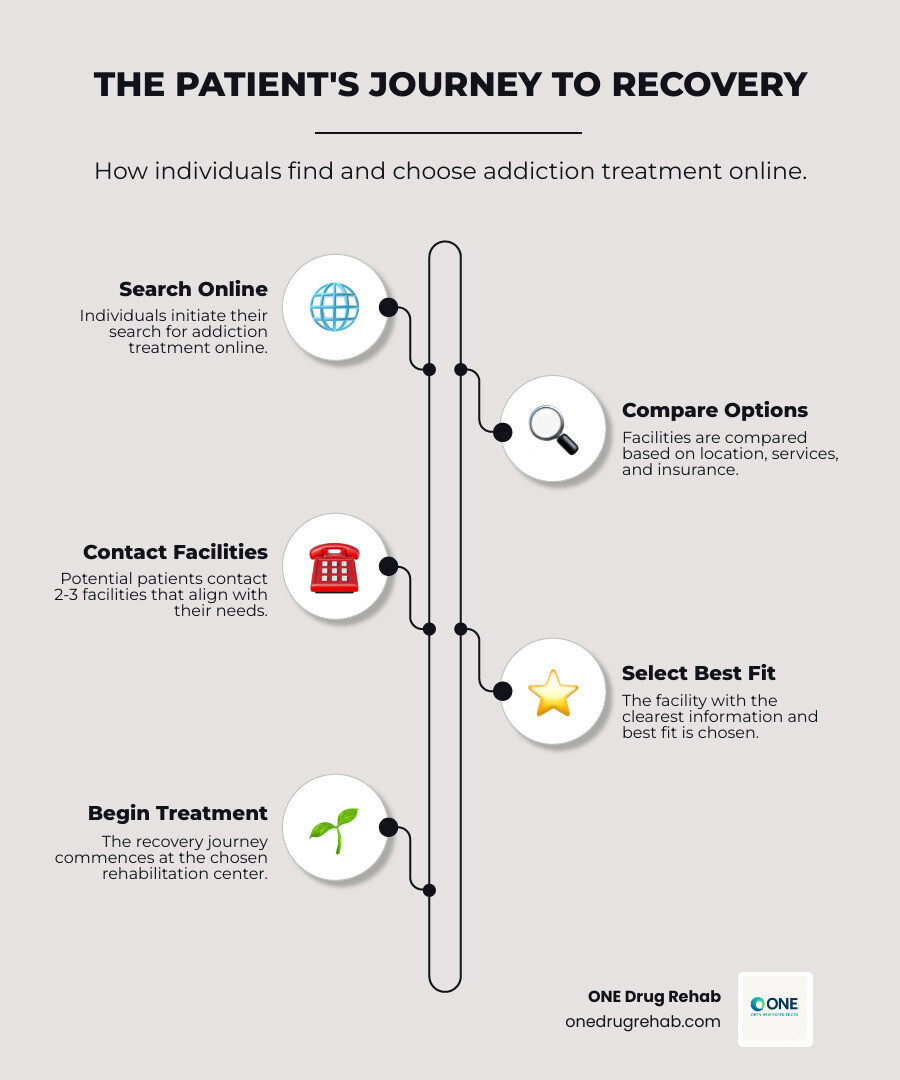
Why Listing Your Rehab Facility Online is Essential
Here’s the reality: if you’re not online, you don’t exist to the people who need you most. For a drug and alcohol rehabilitation center, this isn’t just about filling beds—it’s about being there when someone finally decides to get help.
When someone types “rehab near me” into their phone at 2 AM, they’re not browsing casually. They’re in crisis. If your facility isn’t showing up in those search results, you’ve missed your chance to help them.

Increased Visibility and Credibility
Think of online directories as the modern, heavily-used phone book. When someone searches for treatment, they look to directories that consolidate information and compare options. The more places your facility appears, the more likely you are to be found. Facilities with comprehensive online listings receive significantly more inquiries.
When your facility shows up on a verified directory—especially government-backed ones—you’re immediately more trustworthy. These platforms require proof of licensing and accreditation. For a vulnerable person making a life-changing decision, seeing your facility on a reputable platform says, “This place is legitimate. I can trust them.” A well-maintained rehab listing demonstrates your commitment to quality care. For more on what quality treatment looks like, explore the Benefits of Rehab.
Local SEO and Reaching the Right Audience
When you add rehab listing information to multiple directories, you’re also teaching Google that your facility is a legitimate local business. Search engines reward consistent information (name, address, phone number) across trusted platforms with higher rankings in local searches. This means more organic traffic from people in your area actively seeking help.
Modern directories also have powerful filtering tools. A potential patient can search specifically for outpatient programs that accept Medicaid or inpatient care with holistic therapies. When your detailed listing matches their criteria, you appear in their results. This targeted approach leads to higher quality inquiries, as the caller has already confirmed you offer what they need.
Better Matches, Better Outcomes
Recovery often begins with an online search. A quality rehab listing helps an overwhelmed person make sense of their options. By accurately describing your philosophy, services, and what to expect, you set realistic expectations. This transparency builds trust and helps patients self-select appropriately, leading to a better patient-facility match. Understanding How Does Rehab Work? can help you craft a listing that answers their most pressing questions.
When patients feel they’re in the right place, their engagement increases, which can positively influence treatment outcomes. A good listing isn’t just marketing; it’s the first step in a successful recovery journey. For deeper insights into treatment effectiveness, read our Rehab Success Rates Complete Guide.
A 5-Step Guide to Add a Rehab Listing
Getting your facility visible to people searching for help doesn’t have to be complicated. We’ve broken down the process into five manageable steps to get your rehab listing on the directories that matter most.

Step 1: Compile Your Facility’s Key Information
Before you start, gather all your key information in one place. Having this ready will make the submission process much smoother. Here’s what you’ll need:
- Accreditations and Certifications: Have digital copies of your state licenses and credentials from bodies like The Joint Commission or CARF. These are proof of quality. Learn more about Rehab Accreditation Standards.
- Levels of Care: Clearly define whether you offer Inpatient Rehab for Drugs, an Outpatient Rehab Program, or both. Be specific about IOP or PHP if applicable.
- Treatment Approaches: List your specific therapies, such as CBT, DBT, MAT, or holistic options like yoga and art therapy. This helps patients find the right clinical fit. See common Addiction Therapy Methods.
- Payment and Insurance: Create a comprehensive list of accepted insurance providers (Aetna, Cigna, etc.) and other payment options like sliding scale fees or self-pay. Transparency here is crucial. See our guide on Does Insurance Cover Rehab?.
- Detoxification Services: Specify if you offer medical detox and for which substances, as this is a critical first step for many. Learn about Outpatient Detox Programs.
- Aftercare Programs: Mention alumni support, relapse prevention, and ongoing therapy to show your commitment to long-term recovery.
Step 2: Choose the Right Directories
Focus on directories that will effectively reach people who need your help. A mix of government and private directories is ideal.
- Government Directories: SAMHSA’s FindTreatment.gov is the top federal resource and a must for credibility. Being listed here places you in the most trusted government database, detailed in the 2024 National Directory of Drug and Alcohol Use Treatment Facilities.
- Private Directories: Comprehensive platforms like ONEDrugRehab.com’s National Rehab Directory connect you with thousands of active searchers and offer advanced filtering options.
- Niche Directories: If you specialize in treating veterans, adolescents, or LGBTQ+ individuals, list in directories serving those communities. This puts you directly in front of your target audience. For example, if you serve teens, our Addiction Treatment Teens Complete Guide can inform your listing.
Step 3: Submit Your Listing
With your information ready, the submission process is straightforward.
- Find the Submission Page: Look for a “Add Listing” or “For Providers” link. On ONEDrugRehab.com, you can start on our Providers page.
- Fill Out the Form: Be thorough. Use the information you compiled in Step 1 to create a detailed, accurate profile. Answer the questions a potential patient or their family might have.
- Upload Proof of License: Have digital copies of your licenses ready. This verification step is what separates reputable directories from others.
- Choose a Listing Option: Most directories offer free and featured listings. A free listing provides basic visibility, while a paid featured listing (often around $50/year) offers premium placement, photos, and other benefits to help you stand out.
- Await Approval: Government directories update on a set schedule (monthly for new facilities), while private directories typically review and approve submissions more quickly. Once approved, your facility is visible to those who need you.
Optimizing Your Listing to Attract the Right Patients
Getting your facility listed is step one. To truly connect with people, your rehab listing needs to shine. It should tell your story and clarify why someone should choose your facility. Think of your listing as your first conversation with a prospective patient—the details matter.

Highlighting Specialized Programs and Amenities
Most people are looking for their rehab, the one that understands their specific struggles. Highlight what makes you unique:
- Co-occurring Disorder Treatment: Many people with SUD also have mental health challenges. If you offer integrated treatment, make it prominent. Our Co-occurring Disorder Treatment guide explains this vital approach.
- Faith-Based or Holistic Approaches: If your program includes spiritual guidance, meditation, yoga, or art therapy, your listing should reflect that. These options resonate with individuals seeking healing beyond clinical treatment. Learn more from our Faith-Based Treatment Complete Guide and Holistic Drug Treatment resources.
- Programs for Specific Demographics: If you have custom programs for veterans, LGBTQ+ individuals, or teens, highlight that expertise. Our Addiction Treatment Teens Complete Guide offers relevant insights.
- Amenities: Don’t forget the features that improve the recovery environment, such as private rooms, fitness centers, chef-prepared meals, or pet-friendly policies. These show you care for the whole person.
The Importance of Location: Near vs. Travel for Treatment
Location is a key factor for many people searching for treatment. Your listing should address both preferences.
- Staying Local: For some, being close to a family support network is powerful. Local facilities may also have better in-network insurance coverage, making treatment more affordable.
- Traveling for Treatment: For others, distance from triggers is essential. A fresh environment allows them to focus entirely on recovery and may provide access to specialized programs not available locally.
Frame your location as a benefit. If you’re in a serene, remote setting, emphasize the healing environment. If you’re in a city with easy access for family, highlight that convenience. Our Search function helps users weigh these options nationwide. An optimized rehab listing helps someone in crisis see themselves in your program and feel confident it’s the right place for them.
Essential Resources for Immediate Help & Information
If you’re reading this article about how to add rehab listing to directories, but you’re actually someone in crisis right now—or you’re desperately trying to help someone you love—please know that immediate help is available. You don’t have to wait. You don’t have to figure everything out before reaching out.
We designed this page to help treatment facilities connect with patients, but we also know that sometimes people searching for information about treatment centers are really searching for hope. If that’s you, we see you, and we want you to know that support is just a phone call away.
National Helplines and Crisis Support
The most important thing to know is that help is available 24 hours a day, 7 days a week. These aren’t business-hours resources. When you’re in crisis at 2 AM on a Tuesday, someone will answer.
If you’re having thoughts of suicide or you’re in emotional distress, the 988 Suicide & Crisis Lifeline provides free and confidential support around the clock. You can call or text 988 Suicide & Crisis Lifeline. The people who answer are trained to help, and the call is completely confidential.
For treatment referrals and general information about substance use disorders, SAMHSA’s National Helpline at 1-800-662-HELP (4357) connects you with local treatment facilities, support groups, and community-based organizations. This is a fantastic starting point if you’re not sure where to begin. The helpline is also available 24/7, and it’s free.
You can also reach out to our 24 Hour Rehab Hotline for immediate assistance and guidance in finding the right treatment option for your specific situation.
If you’re dealing with distress related to a natural disaster or other traumatic event, the Disaster Distress Helpline at 1-800-985-5990 offers immediate crisis counseling, also available around the clock.
Finding Specific Treatment Types
Sometimes you know exactly what kind of help you need, but you just don’t know where to find it. Here’s where to look for specialized treatment programs.
For opioid addiction, whether it’s heroin or prescription pain relievers, medication-assisted treatment (MAT) can be life-saving. Opioid Treatment Programs provide methadone and other medications that help manage withdrawal symptoms and cravings, making recovery possible. You can find a directory of these specialized centers at Opioid Treatment Programs.
If you’re specifically looking for buprenorphine treatment (often known by brand names like Suboxone), SAMHSA maintains a locator to help you find practitioners and treatment programs that offer this medication. Buprenorphine is another vital tool in opioid recovery, and you can search for providers at Buprenorphine Practitioners.
For alcohol use disorder, dedicated facilities offer comprehensive programs that address both the physical and psychological aspects of alcohol addiction. Our Alcohol Addiction Rehab page provides detailed information about what to expect and how to find the right program.
If you’re struggling with benzodiazepine addiction (medications like Xanax, Valium, or Ativan), it’s especially important to seek professional help. Withdrawal from benzodiazepines can be severe and even life-threatening, so medically supervised detox is essential. Many comprehensive rehab facilities listed in treatment directories offer specialized detox programs with careful tapering protocols to keep you safe.
Frequently Asked Questions about Adding a Rehab Listing
We talk with facility administrators every day, and certain questions come up again and again. Let’s tackle the most common ones.
How do government directories like FindTreatment.gov get their information?
SAMHSA manages FindTreatment.gov using data from its National Substance Use and Mental Health Services Survey (N-SUMHSS). Facility information is updated annually through this survey. However, you don’t have to wait a year to be listed; new facilities are added monthly. Critical updates to a facility’s name, address, or services are processed weekly. This ensures the directory remains a current and reliable resource for patients.
What is the average cost of rehab that patients should know about?
This is a top question for patients, but the answer varies widely based on the level of care, location, and amenities. For example, inpatient care can cost several hundred dollars per day, while outpatient care is significantly less.
However, the most important factor is insurance. Most insurance plans cover a significant portion of addiction treatment costs, drastically reducing the out-of-pocket expense for the patient. When you add rehab listing information, be transparent about which insurance providers you accept and any other payment options you offer. This clarity is essential for prospective patients. For more guidance, our resource on How to Afford Rehab is a helpful starting point.
How can I update or make changes to my existing rehab listing?
Your rehab listing should evolve with your facility. Keeping it current is crucial.
- For government directories like FindTreatment.gov, you can request changes by emailing FindTreatment@samhsa.hhs.gov or calling 1-833-888-1553. SAMHSA provides instructional videos, like this one on how to Register a New Facility, to guide you.
- For private directories, updates are typically easier. Most offer a provider portal where you can log in and edit your details at any time. If you have issues, a quick email to the directory’s support team usually resolves them.
Regularly review your listings on all platforms to ensure accuracy. An outdated phone number can mean a lost opportunity to help someone in crisis.
Get Your Facility Seen by Those Who Need It Most
Right now, someone is searching for help, and your facility could be the answer they’re looking for—but only if they can find you.
As we’ve covered, when you add rehab listing to online directories, you gain increased visibility, build credibility and trust, and improve your local SEO. An optimized listing that highlights your specialized programs creates better patient-facility matches, which supports better outcomes. This isn’t just marketing; it’s a vital connection point for individuals and families in crisis.
This task has the power to change lives. Every complete listing is another opportunity for someone to find the help they desperately need. The process is manageable: start with free, authoritative government directories like FindTreatment.gov, then expand to private directories that offer more visibility.
Your facility does important, life-saving work. Don’t let it stay hidden. Take the first step today to connect with the people who are actively searching for what you offer.
Ready to get started? Visit our Add Listing page and make your facility visible to those who need it most.