

Understanding Your Path to Comprehensive Recovery
Wellness recovery centers are specialized facilities that treat addiction and mental health conditions with a holistic, whole-person approach. Unlike traditional rehabs focused on sobriety, these centers integrate physical, emotional, and spiritual well-being into a comprehensive recovery plan.
What Wellness Recovery Centers Offer
- Integrated treatment for addiction and co-occurring disorders like anxiety, depression, and trauma.
- Evidence-based therapies such as Cognitive Behavioral Therapy (CBT) and Dialectical Behavior Therapy (DBT).
- Holistic modalities like yoga, meditation, art therapy, and nutrition counseling.
- A full continuum of care, from medical detox to outpatient programs.
- Comfortable, healing environments in serene settings.
- Long-term support through aftercare and alumni networks.
The U.S. addiction treatment industry is a $42 billion market with over 14,000 centers, making it hard to find the right fit. Wellness recovery centers stand out by treating the whole person, not just the addiction. Research confirms that most people with addiction also have co-occurring mental health conditions, making this integrated approach vital.
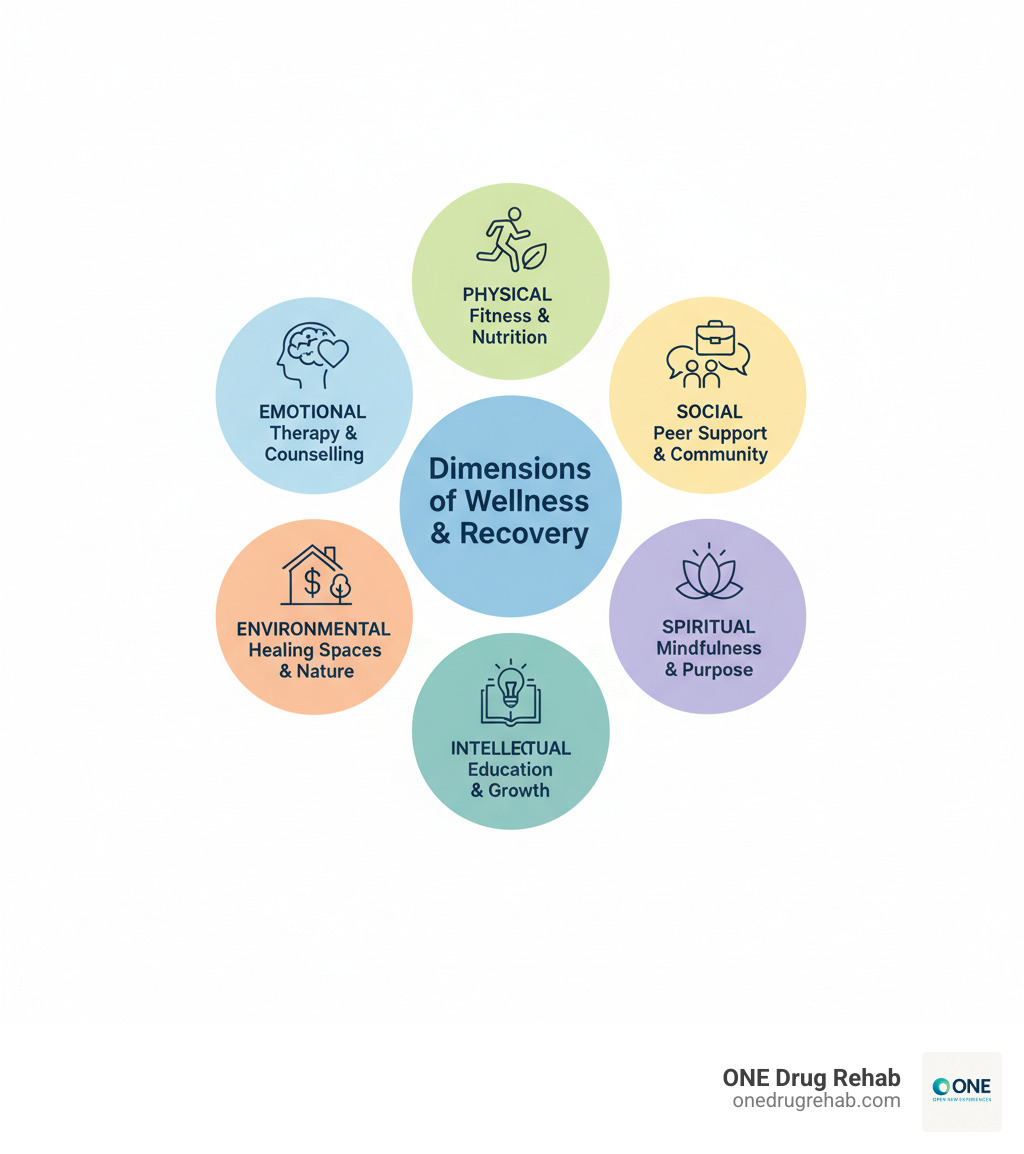
Recovery is about more than stopping substance use; it’s about building a life you love. These centers provide the tools for lasting change across all eight dimensions of wellness: emotional, physical, occupational, social, spiritual, intellectual, environmental, and financial. While the average cost of 30-day residential treatment is $26,000, many centers accept insurance and offer financing, increasing access to this crucial care.
1. You Need Integrated Treatment for Co-Occurring Disorders
If you’re struggling with addiction, it’s likely not the only challenge you face. Substance use often coexists with mental health conditions like anxiety, depression, trauma, and PTSD. This is known as a co-occurring disorder or dual diagnosis, and it’s where wellness recovery centers excel by treating both issues simultaneously.

Over 40 million Americans have a mental health condition, yet less than half receive treatment. This gap often leads people to self-medicate with substances to cope with emotional pain. Treating addiction without addressing the underlying mental health issues is ineffective long-term. Wellness recovery centers are designed to treat the whole person by digging into the root causes of pain, not just managing symptoms.
For more on this, see our guides on Holistic Anxiety Treatment and Holistic Depression Treatment.
Why Integrated Care Matters
Integrated care treats addiction and mental health as one connected problem. This simultaneous treatment by a coordinated team leads to improved outcomes and a reduced risk of relapse. By learning healthier ways to manage anxiety, depression, or trauma, the need to use substances as a coping mechanism diminishes.
At wellness recovery centers, a multidisciplinary team—including psychiatrists, therapists, and medical doctors—collaborates on your care. This model is crucial for addressing the cycle of self-medication, where substances are used to numb emotional pain. By healing the underlying wounds with professional support, sustainable recovery becomes achievable.
To learn more about therapeutic approaches, see our guide on Addiction Therapy Methods.
2. You’re Seeking a Holistic and Evidence-Based Path to Recovery
If you’re seeking a deeper path to healing that treats your whole self—mind, body, and spirit—then wellness recovery centers offer a compelling alternative to traditional rehab. They focus on building a meaningful life, not just on achieving sobriety.

The difference is significant:
| Feature | Traditional Rehab | Wellness Recovery Centers |
|---|---|---|
| Primary Focus | Abstinence from substances | Whole-person wellness, integrated healing |
| Therapeutic Approach | Often 12-step model, group/individual counseling | Integrates diverse therapies, holistic and evidence-based |
| Environment | Clinical, structured | Healing, serene, often with natural surroundings |
| Scope of Treatment | Primarily addiction; mental health as secondary | Addiction and co-occurring mental health as primary, integrated |
Wellness recovery centers blend science-backed methods with holistic practices. On the evidence-based side, you’ll find therapies like Cognitive Behavioral Therapy (CBT) to change negative thought patterns and Dialectical Behavior Therapy (DBT) to manage emotions and improve relationships. These are proven treatments, which you can learn more about in our guide on Addiction Therapy Methods.
What Holistic Therapies Are Offered?
These centers also use experiential and holistic therapies to connect mind, body, and spirit. These are powerful tools for healing that complement traditional talk therapy.
- Somatic Experiencing Therapy helps release trauma stored in the body.
- Yoga and meditation are core practices for calming the nervous system and reconnecting with your body. Many centers have full Holistic Fitness Programs.
- Art therapy provides a non-verbal outlet for expressing complex emotions.
- Nutrition counseling teaches how food impacts mental health and mood stability.
- Biofeedback Addiction Treatment uses technology to help you learn to control stress responses like heart rate.
Many centers are in peaceful settings and incorporate nature-based activities like hiking or gardening. By offering a diverse range of therapies, wellness recovery centers allow you to find what truly supports your unique healing journey.
3. You Require a Specific Level of Care and a Healing Environment
Recovery is not one-size-fits-all. Wellness recovery centers provide treatment that adapts to your changing needs within an environment designed for healing. Your surroundings matter, and these centers create sanctuaries—not sterile clinics—where you can focus on getting better.
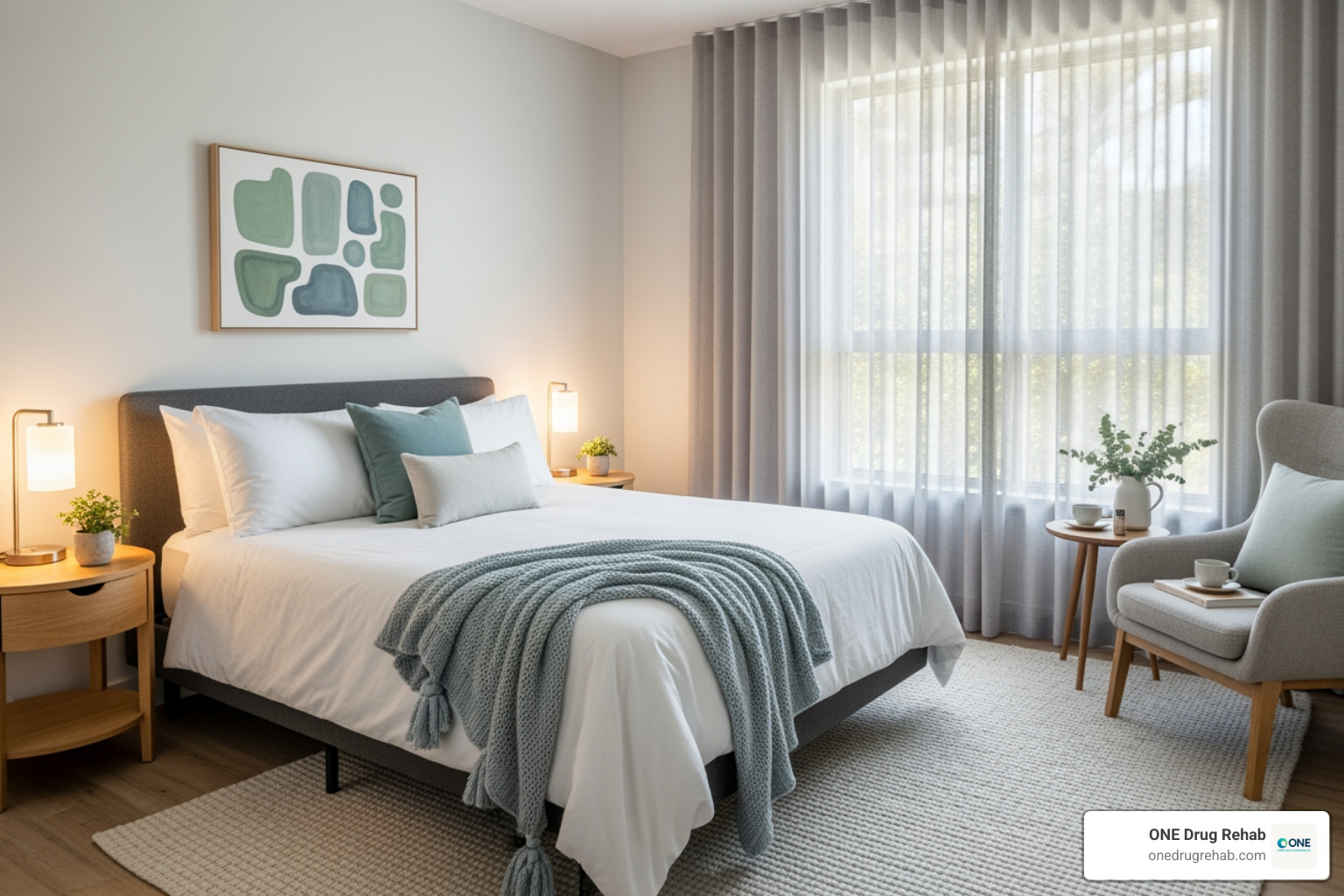
Personalized treatment plans are standard. A therapist will design a program for you, based on your history and needs. The healing environment often includes serene settings, nature access, comfortable rooms, and modern amenities. Some even offer options like Pet-Friendly Inpatient Rehab.
Understanding Levels of Care
Wellness recovery centers offer a continuum of care, allowing you to step up or down in intensity as your needs change.
- Medically-managed detox: The first step for physical dependence, providing safe, supervised withdrawal management.
- Residential/Inpatient Treatment: You live at the facility (typically 30-90 days) for immersive therapy away from daily triggers. A 30-day program averages $26,000. Learn more in our guide to Inpatient Rehab for Drugs.
- Partial Hospitalization Programs (PHP): Intensive day treatment where you return home in the evenings.
- Intensive Outpatient Programs (IOP): Structured treatment that allows you to maintain work and family life. A 90-day program averages $10,000. See our Outpatient Rehab Programs Complete Guide.
- Standard Outpatient Treatment: Weekly therapy and support groups to help integrate recovery into daily life.
Choosing the right level is crucial, and our article on Inpatient vs Outpatient Alcohol Rehab Success Rates can help. Wellness centers guide you through this process, ensuring your path matches your pace.
4. You Want a Long-Term Strategy for Lasting Sobriety
Recovery is a journey, not a destination. If you want a sustainable strategy for lasting sobriety that extends beyond a 30-day program, a wellness recovery center is designed for you. These centers emphasize aftercare to help you build “recovery capital”—the personal and social resources that support long-term sobriety.
Comprehensive aftercare planning is integrated into your treatment from the start. Key components include:
- Sober Living Environment: A structured, supportive bridge between intensive treatment and independent living.
- Alumni Programs: Vibrant communities that keep you connected to peers who share your journey and celebrate your victories.
- Peer Support Groups: A cornerstone of recovery, providing accountability and connection. Explore options in our 12 Step Groups Online Guide.
- Ongoing Monitoring: Regular check-ins with therapists or case managers to provide support and notice early warning signs of struggle.
- Educational Resources: Continuous learning opportunities, like those in our Addiction Recovery Podcasts Ultimate Guide, keep you engaged.
This commitment to long-term well-being is what sets wellness recovery centers apart. They don’t just help you get sober; they equip you to build a fulfilling life where you can thrive.
5. You’re Ready to Find and Choose the Right Wellness Recovery Center
Finding the right wellness recovery center is a crucial step. Take your time to find a place that aligns with your values and needs. When researching, ask key questions:
- Are they accredited and licensed? Check their Rehab Accreditation Standards.
- What are the staff’s qualifications and the staff-to-client ratio?
- What is their treatment philosophy (e.g., 12-step based, secular, etc.)?
ONEDrugRehab.com is a third-party resource to help you research options. You can Find treatment at ONE Drug Rehab to start. For immediate crisis support, call the 9-8-8 Lifeline for free, 24/7 help.
How do I pay for wellness recovery centers?
Cost can be a concern, with residential treatment averaging $26,000 for 30 days. However, there are options:
- Insurance: Many centers work with major carriers. The Affordable Care Act expanded coverage for mental health and substance use services. Use our Rehab Insurance Verification guide to check your benefits.
- Private Pay: Many centers offer financing, payment plans, or sliding scale fees. Don’t hesitate to ask about financial assistance.
- Other Resources: If you need help, see our guides on how to Find Rehab Without Insurance and use our Rehab Cost Comparison tool.
What are the benefits of wellness recovery centers?
The investment in a wellness recovery center yields life-changing benefits beyond sobriety:
- Holistic Healing: Addresses mind, body, and spirit, helping you understand the “why” behind your substance use.
- Addressing Underlying Issues: Integrated treatment for co-occurring disorders tackles root causes like anxiety or trauma.
- Improved Mental Health & Life Skills: Gain coping mechanisms, emotional regulation, and communication skills for a happier life.
- Stronger Relapse Prevention: Building “recovery capital” through aftercare and support networks leads to a higher quality of life.
While success rates vary, this comprehensive approach gives you the best chance at lasting recovery. Learn more by reading What is the Success Rate of Rehab. With the right support, recovery is possible.
Frequently Asked Questions about Wellness Recovery Centers
What is the main difference between a wellness center and a standard rehab?
The core difference is philosophy and scope. Standard rehab primarily focuses on achieving abstinence from substances, often in a clinical setting. Wellness recovery centers adopt a whole-person approach, integrating mental, emotional, physical, and spiritual health into the recovery plan. They emphasize a healing environment and treat co-occurring mental health disorders (like anxiety or depression) simultaneously with addiction, addressing the root causes of substance use.
How long do programs at wellness recovery centers typically last?
Program length is highly individualized. Residential treatment typically lasts 30, 60, or 90 days, depending on your needs. However, recovery doesn’t end there. Wellness recovery centers offer a continuum of care, allowing you to step down to less intensive options like Partial Hospitalization (PHP) or Intensive Outpatient (IOP) programs. Aftercare, alumni networks, and ongoing therapy provide support indefinitely, recognizing that recovery is a lifelong journey.
Can my family be involved in my treatment?
Yes, and it’s highly encouraged. Addiction is often called a “family disease” because it impacts the entire family system. Wellness recovery centers view family involvement as a vital part of recovery. Many offer family therapy sessions and educational programs to help repair relationships, build understanding, and teach loved ones how to provide healthy support. This collaborative approach helps heal the family unit and creates a stronger foundation for your long-term success. For more information, see our guide on Rehab for Families.
Your Journey to Wellness Starts with the Right Choice
Deciding to pursue recovery takes courage. If you recognize your needs in the signs we’ve explored—from integrated care and holistic methods to a healing environment and long-term support—you’re on the right path.
Wellness recovery centers may be the right choice if you’re seeking to build a beautiful new life, not just stop a harmful behavior. While this approach isn’t for everyone, its focus on whole-person healing can be profound. A fulfilling future is within your reach, and you don’t have to take the first step alone.
At ONEDrugRehab.com, we are your trusted, unbiased resource. We don’t endorse specific providers but offer honest information to help you research and compare options. We believe that finding the right provider is key to a successful recovery journey.
Use our resources to learn about Rehab Accreditation Standards, compare costs, and understand insurance. If you are in crisis, please call the 9-8-8 Lifeline for free, 24/7 confidential support.
Your recovery journey is unique. Take your time, ask questions, and trust your instincts. When you’re ready, explore our directory of treatment providers to take the next step. The life you’re hoping for is waiting.