

Why Meth Addiction Recovery Requires More Than Just Willpower
Meth addiction recovery is a challenging but achievable journey. If you or a loved one is struggling with methamphetamine use, it’s crucial to understand what recovery truly involves.
Quick Answer: What Meth Addiction Recovery Involves
- Medically supervised detox to safely manage withdrawal.
- Behavioral therapies like Cognitive Behavioral Therapy (CBT).
- Treatment programs from 30-90 days (inpatient or outpatient).
- Ongoing support through peer groups and aftercare.
- High relapse rates, but formal treatment greatly improves outcomes.
- No FDA-approved medications for meth addiction, but some help manage symptoms.
Methamphetamine—also called crystal meth or ice—is a powerful stimulant that floods the brain with dopamine, creating an intense but short-lived euphoria. This leads to a destructive “binge and crash” cycle. Users smoke, snort, inject, or swallow it, each method delivering the drug with devastating speed.
According to the 2022 National Survey on Drug Use and Health, 2.7 million people used methamphetamine in the past year. While recovery is difficult, it is absolutely achievable with the right support. Without formal treatment, sobriety is rare. With professional treatment, however, your chances improve dramatically.
This guide outlines the path to meth addiction recovery, from its effects on the brain to treatment and long-term support. We’ll be honest about the challenges but also show you the evidence-based path forward.
Understanding Methamphetamine’s Grip: Effects and Consequences
The first time someone uses methamphetamine, they experience a massive dopamine flood, creating intense euphoria and energy. But the subsequent crash brings extreme fatigue, irritability, and desperate cravings, driving a destructive binge-and-crash cycle that’s incredibly hard to escape.
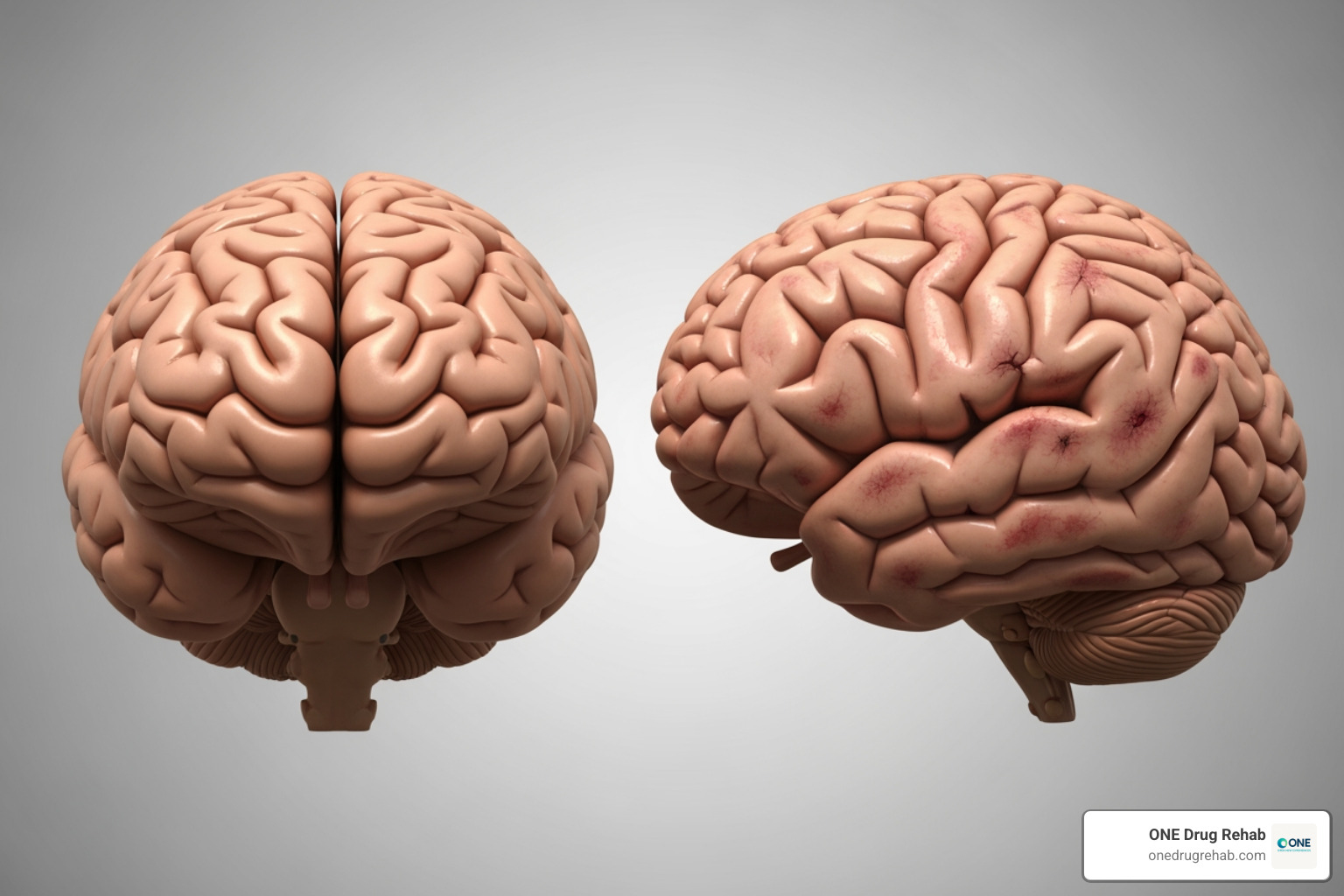
The long-term consequences are devastating. The physical damage includes:
- “Meth mouth”: Severe tooth decay and gum disease from dry mouth, teeth grinding, and corrosive chemicals.
- Skin sores: Open wounds from obsessive picking caused by the sensation of insects crawling under the skin (formication).
- Dramatic weight loss: Meth’s appetite-suppressing effects lead to a gaunt, malnourished appearance.
- Heart problems: Increased heart rate and blood pressure damage blood vessels, raising the risk of heart attacks and strokes, even in young users.
The invisible damage is even more frightening. Evidence shows that patients addicted to meth exhibit impaired cognitive functions, including attention, memory, and executive function. Their decision-making ability is literally altered. Psychological consequences include psychosis (paranoia, hallucinations), memory loss, aggression, and anhedonia—the inability to feel pleasure, which makes recovery feel joyless. The National Institute on Drug Abuse also reports that meth use may increase the risk of developing Parkinson’s disease.
These effects show why meth addiction recovery requires comprehensive support and time for the brain and body to heal.
The Challenge of Quitting: Withdrawal Symptoms and Timeline
Quitting meth is brutally difficult. The withdrawal symptoms are primarily psychological but cause profound physical discomfort. Key symptoms include:
- Intense cravings
- Extreme fatigue and exhaustion
- Depression and anhedonia (inability to feel pleasure), with a risk of suicidal thoughts
- Anxiety, agitation, and panic attacks
- Increased appetite
- Insomnia and disturbing dreams
- Paranoia and psychosis
The withdrawal timeline has two phases. The acute phase begins within 24 hours, lasts for several days, and includes the most severe symptoms. While not typically medically dangerous, the psychological distress makes medical supervision highly recommended. The post-acute withdrawal syndrome (PAWS) can last for weeks or months, bringing prolonged anhedonia, mood swings, and cravings. Managing PAWS is crucial for preventing relapse.
Co-Occurring Disorders: The Dual Diagnosis Challenge
Meth addiction recovery is often complicated by co-occurring mental health disorders, known as a dual diagnosis. The statistics are eye-opening: about half of people with a substance use disorder also have a mental health disorder. Common conditions alongside meth addiction include anxiety disorders, depression, bipolar disorder, and psychotic disorders.
Many use meth to self-medicate, but the drug ultimately worsens these conditions, creating a vicious cycle. This is why integrated treatment, which addresses both the addiction and the mental health condition simultaneously, is essential for lasting recovery. For more information, check out our resources on holistic anxiety treatment.
The Path to Meth Addiction Recovery: From Detox to Aftercare
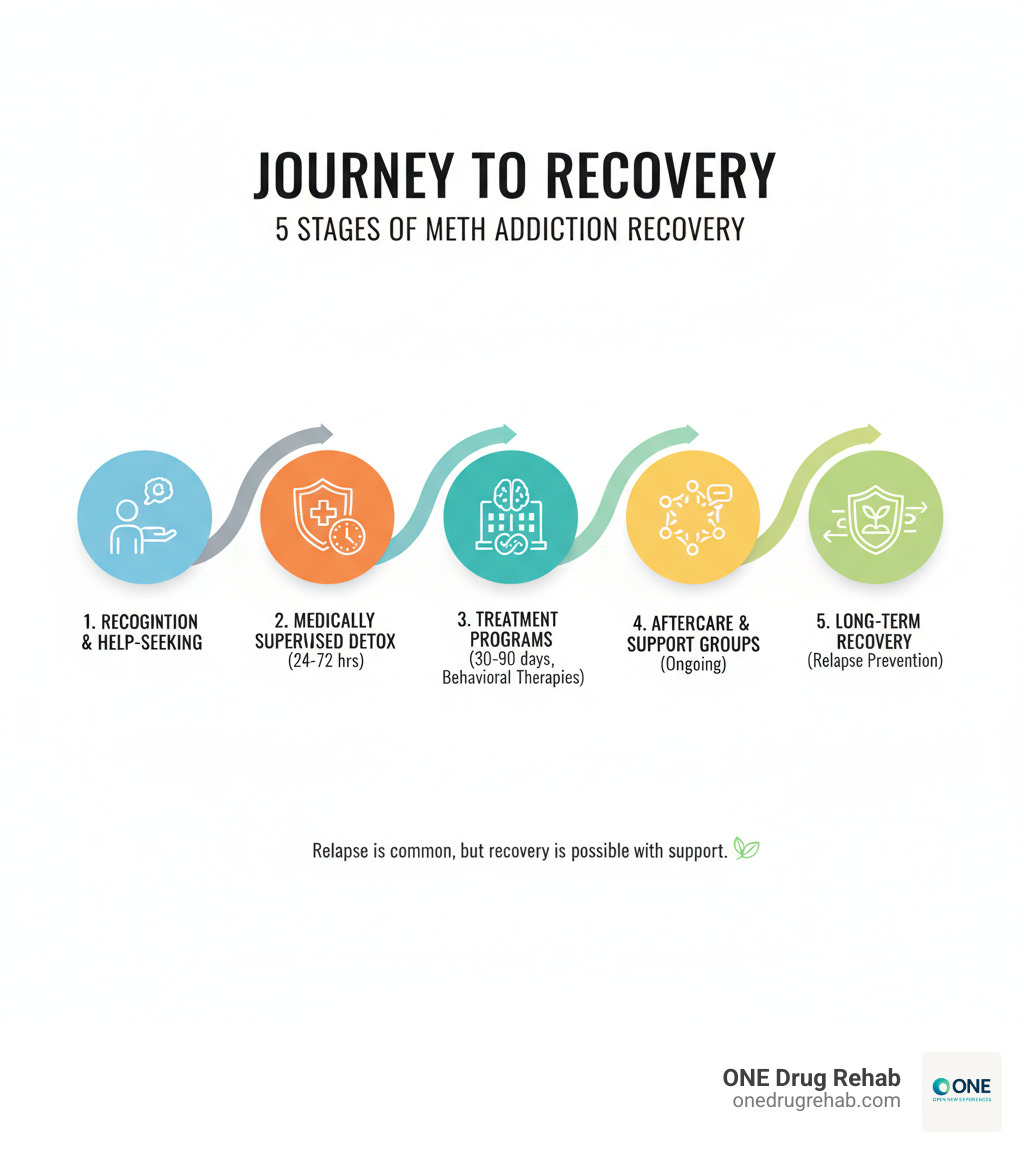
Starting meth addiction recovery is a courageous choice to rebuild your life. The journey typically begins with detox, moves through structured treatment, and extends into ongoing aftercare.
The first step is often medically supervised detox. While meth withdrawal isn’t usually life-threatening, the severe psychological distress—especially depression and suicidal thoughts—makes professional supervision vital. Medical staff monitor you and manage symptoms with “off-label” medications, as there are no FDA-approved medications specifically for meth addiction. These may include antidepressants, anxiety medications, and sleep aids.
Research is exploring drugs like bupropion, a combination of bupropion and naltrexone, mirtazapine, and topiramate to reduce meth use. These aren’t cures, but they are tools that make it possible to engage in therapy. SAMHSA’s guide to stimulant treatment offers comprehensive guidance for clinicians.
If you’re trying to understand all your options, our guide on types of addiction treatment can help.
Choosing the Right Level of Care
After detox, you’ll choose a treatment program. The right fit depends on addiction severity, your home environment, and co-occurring disorders.
Inpatient or residential rehab provides 24/7 structured care in a drug-free facility for 30-90 days. It’s intensive and ideal for severe addiction or unstable home environments. Learn more about Inpatient Rehab Options.
Outpatient treatment allows you to live at home while attending scheduled therapy sessions. It works well for those with less severe addiction and a strong support system. See our guide on How do Outpatient Rehab Programs Work.
Other options include Partial Hospitalization Programs (PHP), which offer day treatment, and Intensive Outpatient Programs (IOP), which provide more structure than standard outpatient care.
| Feature | Inpatient/Residential Rehab | Outpatient Rehab |
|---|---|---|
| Duration | Typically 30, 60, or 90 days, sometimes longer | Varies; can be several weeks to months |
| Intensity | High; 24/7 structured care, medical supervision, intensive therapy | Moderate; scheduled sessions (e.g., 10-12 hours/week) |
| Environment | Live-in facility, drug-free, removed from triggers | Live at home, attend sessions at a facility, manage daily life |
| Cost | Generally higher due to accommodation and round-the-clock care | Generally lower; no living expenses included |
| Ideal Candidate | Severe addiction, unstable home environment, co-occurring disorders, history of relapse | Less severe addiction, stable home environment, strong support system, work/school obligations |
A comprehensive assessment by addiction professionals will help determine the right level of care for your meth addiction recovery journey.
The Role of Behavioral Therapies in Meth Addiction Recovery
Behavioral therapies are the backbone of effective meth addiction recovery. They are structured approaches that help you develop coping skills and rewire how your brain responds to stress and triggers.
- Cognitive Behavioral Therapy (CBT) helps you identify and change problematic thought patterns and behaviors, teaching practical coping skills for triggers and cravings.
- Contingency Management (CM) is considered the most effective intervention for stimulants. It provides tangible rewards (like vouchers) for positive behaviors like clean drug tests, powerfully reinforcing abstinence.
- The Matrix Model is a comprehensive 16-week program designed for stimulant addiction, combining CBT, family education, counseling, and 12-step support.
- Motivational Interviewing (MI) helps you explore and resolve your ambivalence about quitting, strengthening your internal motivation to change.
- The Community Reinforcement Approach (CRA) focuses on making a sober life more rewarding than drug use by helping you improve relationships, find employment, and develop positive hobbies.
These therapies address the underlying issues of addiction and equip you with practical tools for long-term recovery. For more information, see our guide on behavioral health treatment.
Life After Treatment: Challenges and Support Systems
Completing a treatment program is a monumental achievement, but it’s just the beginning of your meth addiction recovery. Life after treatment requires strong support systems and relapse prevention strategies.
Relapse is a common part of the recovery process and does not mean failure. Research shows high relapse rates for meth addiction, but formal treatment dramatically improves the odds of long-term sobriety compared to quitting alone (only 5% remain sober after three years without treatment).
Relapse prevention starts with identifying personal triggers—people, places, or emotions—and building coping skills. A written plan shared with your support network is a crucial tool for navigating high-risk situations.
Connection is the opposite of addiction. Building a strong support system is essential:
- Family therapy can heal relationships damaged by addiction.
- Sober friends provide encouragement and accountability.
- Peer support offers understanding from people with shared experiences.
- Ongoing counseling provides a safe space to process challenges and develop new skills.

Group therapy is especially powerful, as it reduces isolation and fosters connections that can support recovery for years. You can learn more in our article on how group therapy helps addiction.
Challenges and Triumphs in Long-Term Meth Addiction Recovery
The road to long-term meth addiction recovery has problems. Cognitive issues like memory and concentration problems may linger but often improve over time. Emotional regulation is a challenge as you learn to manage feelings without the drug. Rebuilding relationships requires patience and consistent effort to regain trust. Finding purpose through new hobbies, goals, or helping others is crucial to combat anhedonia and build a fulfilling life.
Despite these challenges, success is possible. Inspiring stories like that of Russell Campillo, who went from homelessness and addiction to becoming a Certified Peer Specialist, show that profound change can happen. You can read his personal journey here.
The truth is that treatment works. While relapse is common, each attempt can be a learning experience. For more on how treatment contributes to success, see our resource on addiction recovery success rates.
Finding a Community: 12-Step and Alternative Groups
Finding a community is essential for long-term meth addiction recovery. These groups offer a sense of belonging and judgment-free support.
- Crystal Meth Anonymous (CMA): A 12-step group specifically for people recovering from crystal meth addiction. Learn more at Crystal Meth Anonymous.
- Narcotics Anonymous (NA): A broader 12-step fellowship for anyone recovering from drug addiction, with meetings worldwide.
- SMART Recovery: A science-based, self-empowering alternative using tools from CBT and MI.
- LifeRing Secular Recovery: A secular, non-12-step group focused on personal empowerment and peer support.
- Women for Sobriety (WFS): A program specifically for women, using positive affirmations and a gender-specific approach.
Finding the right community is key. To find a 12-step meeting, use our directory: Find 12-step groups near you. For alternatives, see our guide on non-12-step inpatient rehab.
Frequently Asked Questions about Meth Addiction Recovery
Here are straightforward answers to some of the most common questions about meth recovery.
How long does meth addiction recovery take?
Recovery from meth addiction is a lifelong process. Initial treatment programs typically run 30 to 90 days, but ongoing aftercare is essential for long-term success. Post-acute withdrawal symptoms like cravings, mood swings, and cognitive fog can persist for months. Think of meth addiction as a chronic condition that requires ongoing management. With time and continued effort, living in recovery becomes more natural.
Are there medications to cure meth addiction?
No FDA-approved medications exist specifically to cure meth addiction. However, medications play a vital role in recovery. Doctors can prescribe drugs “off-label” to manage withdrawal symptoms and co-occurring disorders like depression and anxiety. This support can stabilize you enough to fully engage in therapy. Research into medications like bupropion and the bupropion/naltrexone combination is ongoing, offering hope for future pharmacological options.
What is the success rate for meth recovery?
Success rates vary widely and depend heavily on whether a person receives formal treatment. Without professional help, long-term sobriety is rare (only about 5% remain abstinent after three years). While roughly 92% of meth users relapse at least once, this should not be viewed as failure. Formal treatment significantly improves your odds. Relapse is often part of the learning process. Many people who achieve long-term sobriety had multiple attempts before it stuck. Lasting recovery is absolutely achievable with continued support and commitment.
Conclusion: Taking the First Step Towards a New Life
The path to meth addiction recovery is daunting. The withdrawal is brutal, and the relapse rates are sobering. But we need you to hear this: recovery is absolutely possible. Thousands who once felt hopeless have built new lives, and you can too. You don’t have to face this alone.
If you’re not ready for full abstinence, harm reduction strategies can help keep you safer. This might mean using clean needles, not using alone, or testing your substances. These steps are about keeping you alive until you’re ready for the next phase.
When you are ready, finding professional treatment is the most effective step you can take. The statistics are clear: formal treatment dramatically improves your chances of long-term recovery.
ONEDrugRehab.com is a third-party, non-affiliated directory designed to help you research your options without bias. We provide comprehensive information on inpatient, outpatient, and dual diagnosis programs so you can find the right fit for you.
Meth addiction recovery is a journey of progress, not perfection. It’s about choosing recovery each day and building a life worth staying sober for. The most important step is the first one—reaching out for help. If you’re ready to take that step, we’re here to help you find the support you deserve.
Find a treatment provider to start your recovery journey