
Why Understanding Your Treatment Options Matters
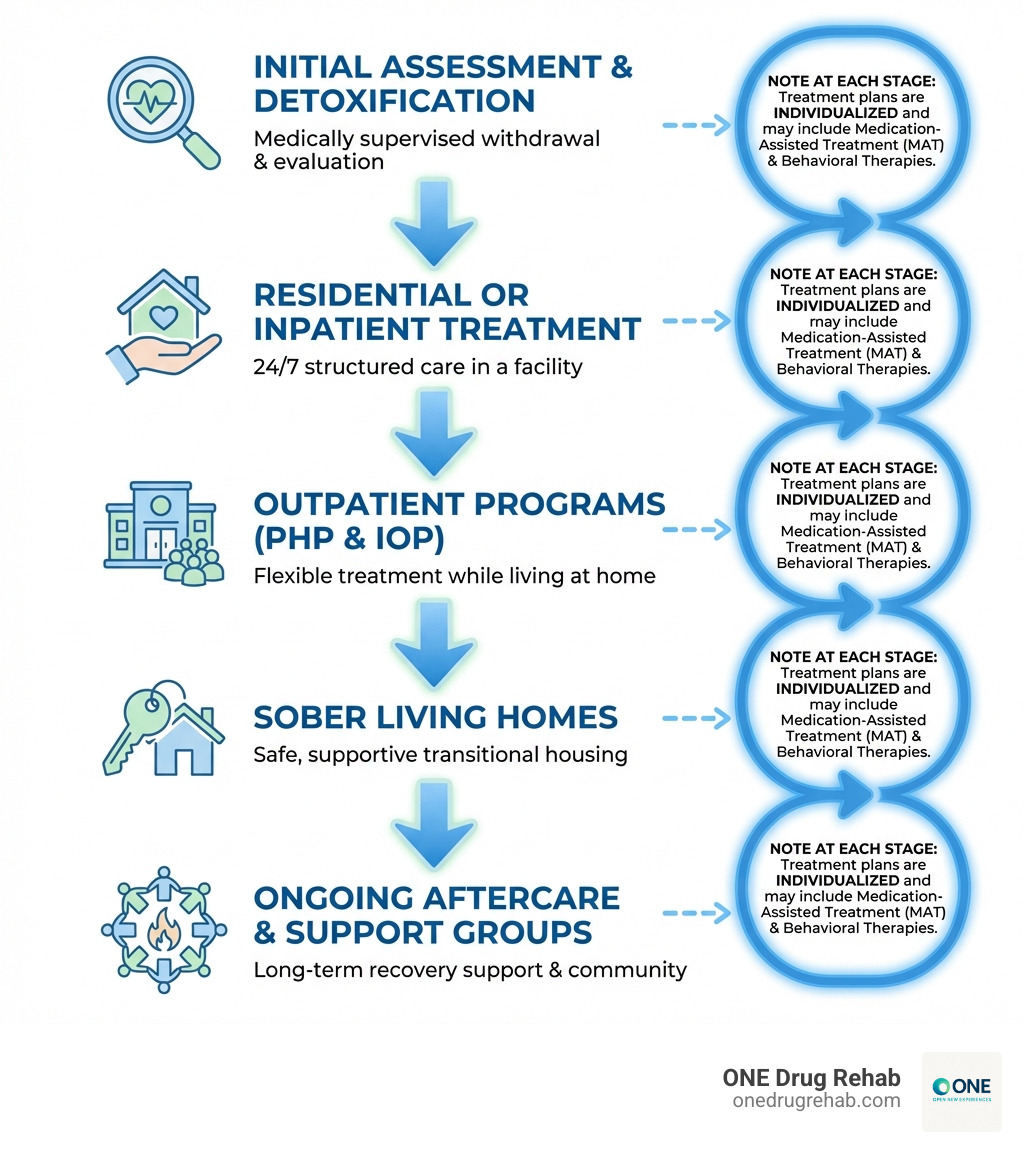
Drug addiction treatment programs are designed to help individuals stop compulsive drug use and rebuild their lives. Key program types include:
- Detoxification: Medically supervised withdrawal management.
- Inpatient/Residential Treatment: 24/7 care in a facility for 30-90+ days.
- Outpatient Programs: Flexible treatment (IOP, PHP) while living at home.
- Medication-Assisted Treatment (MAT): Combines medications with therapy.
- Dual Diagnosis Programs: Treats addiction and co-occurring mental health disorders.
- Aftercare & Support: Ongoing relapse prevention and recovery support.
Addiction is a chronic, but treatable, brain disease. Despite its serious impact—with substance abuse contributing to thousands of deaths annually—effective treatment helps people stop using drugs and return to productive lives.
The path to recovery is unique for everyone, so finding a program that addresses your specific needs is crucial. This could involve managing withdrawal, treating mental health issues, or learning new coping skills.
Research shows that at least 90 days of treatment is often needed for lasting results, with longer stays linked to better outcomes. Treatment works best when it addresses the whole person, including their medical, mental health, family, and vocational challenges. A personalized plan makes recovery achievable.
Basic Drug addiction treatment programs vocab:
The Core Principles of Effective Addiction Treatment
Addiction is a complex, treatable disorder. Like other chronic conditions such as heart disease or asthma, it can be managed successfully. Scientific research has established several core principles for effective drug addiction treatment programs:
- Addiction as a Brain Disease: Prolonged drug use changes brain structure and function. This medical understanding guides evidence-based care, not judgment.
- No Single Treatment is Right for Everyone: Effective treatment must be customized to an individual’s drug use, mental health, age, gender, and cultural background.
- Treatment Needs to Be Readily Available: Delays and long waiting lists are significant barriers to recovery. Access to care should be immediate when someone is ready for help.
- Addressing Multiple Needs, Not Just Drug Use: Treatment must be comprehensive, addressing the individual’s medical, psychological, social, vocational, and legal problems.
- Remaining in Treatment Long Enough: Most individuals need at least three months of treatment for significant improvement. Longer durations consistently lead to better outcomes.
- Behavioral Therapies: As cornerstones of treatment, these therapies help individuals modify attitudes and behaviors related to drug use and develop coping skills.
- Medication-Assisted Treatment (MAT): For opioid and alcohol addiction, medications are a crucial tool. Combined with therapy, MAT manages withdrawal, reduces cravings, and improves outcomes.
- Continual Assessment: A person’s needs change during recovery. Treatment plans must be regularly reviewed and modified to remain effective.
For more in-depth information, explore Scientific research on addiction treatment principles and our guide on More info about behavioral health treatment.
Understanding Detoxification vs. Treatment
It’s important to distinguish between detoxification and comprehensive treatment. Detoxification is the first step: the medical process of safely managing withdrawal symptoms. For substances like alcohol, benzodiazepines, and opioids, withdrawal can be dangerous without medical supervision. Detox provides a safe environment to achieve physical stability.
However, detox alone is not a full treatment. It addresses physical dependence but not the underlying psychological and behavioral drivers of addiction. Without follow-up care in a formal drug addiction treatment program, relapse is highly likely. Detox stabilizes the body so the real work of recovery can begin.
To learn more, you can Learn about outpatient detox.
The Importance of Treating the Whole Person
Successful drug addiction treatment programs use a holistic approach, treating the whole person, not just the substance use. This comprehensive strategy recognizes that true healing involves addressing a wide range of interconnected needs:
- Medical Needs: Addressing physical health issues caused or exacerbated by substance use.
- Psychological and Mental Health: Integrating therapy for co-occurring conditions like anxiety, depression, or PTSD.
- Social and Family Issues: Mending relationships and building a healthy support network through family therapy and communication skills training.
- Vocational and Legal Problems: Providing support for employment, education, or legal challenges to help individuals reintegrate into society.
This whole-person approach empowers individuals to achieve not just sobriety, but overall well-being. You can Explore holistic treatment services to see how this integrated care works.
Navigating the Landscape of Drug Addiction Treatment Programs
Finding the right drug addiction treatment program can feel overwhelming, but understanding the options is the first step. There is a wide spectrum of care, from intensive residential programs to flexible outpatient services.

The key is finding a program that matches your unique needs, the severity of your addiction, and any co-occurring mental health conditions. We can help you steer these options. You can Compare different rehab centers to begin your search.
Inpatient and Residential Rehabilitation
Inpatient or residential rehabilitation involves living at a facility 24/7 for round-the-clock care. This immersive environment is ideal for those with severe addictions, co-occurring disorders, or an unstable home life.
Key features of inpatient rehabilitation include:
- 24/7 Structured Care: A highly structured schedule helps individuals focus entirely on recovery without external distractions.
- Safe and Supportive Environment: Being removed from triggers provides a safe space for healing, with built-in peer support.
- Intensive Therapy: Residents participate in a full schedule of individual, group, and educational therapy sessions.
- Medical Supervision: Medical staff are available to manage health issues, medications, and withdrawal symptoms.
- Therapeutic Community Model: Some programs use the entire community (residents and staff) as an agent of change, fostering personal responsibility and mutual self-help.
- Program Durations: Programs typically last 30, 60, or 90 days, with longer stays often leading to better long-term outcomes.
Here’s a quick comparison of inpatient vs. outpatient programs:
| Feature | Inpatient/Residential Programs | Outpatient Programs |
|---|---|---|
| Structure | Highly structured, 24/7 supervision, live at facility | Flexible, attend sessions while living at home, less supervision |
| Intensity | High (daily therapy, medical care) | Varies (Intensive Outpatient, Partial Hospitalization, weekly sessions) |
| Cost | Generally higher (includes lodging, food, 24/7 care) | Generally lower (no lodging costs) |
| Ideal Candidate | Severe addiction, unstable home, dual diagnosis, need for medical detox | Mild to moderate addiction, stable home, strong support system, work/school commitments |
To explore options that might be right for you, check out our guide on Find inpatient rehab options.
Outpatient Services for Continued Recovery
For those who don’t require 24/7 supervision or are transitioning from inpatient care, outpatient drug addiction treatment programs offer a flexible yet structured approach. These services allow individuals to live at home and maintain work or family responsibilities while receiving treatment.
Outpatient services typically include:
- Different Levels of Care:
- Partial Hospitalization Programs (PHPs): The most intensive outpatient option, meeting several hours a day, multiple days a week.
- Intensive Outpatient Programs (IOPs): A step-down from PHPs, with fewer hours per week, focusing on relapse prevention and coping skills.
- Standard Outpatient Programs: Involve just a few sessions per week, suitable for mild addictions or as long-term aftercare.
- Counseling: Both group and individual counseling are core components for developing coping strategies and addressing underlying issues.
- Aftercare: Outpatient programs emphasize ongoing support through regular therapy and mutual support groups like Alcoholics Anonymous (AA) or Narcotics Anonymous (NA).
- Sober Living Environments: These drug-free residences can be a crucial step, providing a structured and supportive community for those transitioning back to independent living.
Outpatient services provide a vital bridge between intensive treatment and full reintegration into everyday life. For a deeper dive, explore our Ultimate guide to outpatient rehab.
Specialized Approaches and Therapies in Treatment
Effective drug addiction treatment programs are not one-size-fits-all. They incorporate a range of specialized, evidence-based therapies to address the unique complexities of addiction and tailor treatment to the individual.

These therapies help individuals stop using drugs, develop healthy coping mechanisms, and build a fulfilling life. To understand more about the various techniques, you can explore More on addiction therapy methods.
Dual Diagnosis: Treating Co-Occurring Disorders
One of the most critical approaches is dual diagnosis treatment. Dual diagnosis refers to having both a substance use disorder and a mental health disorder at the same time. This is incredibly common, as many people with a substance use disorder also suffer from another mental illness.
Integrated treatment—where both conditions are addressed concurrently—produces the best results. Treating one without the other is often ineffective, as a person may use drugs to self-medicate an unmanaged mental health condition like anxiety, depression, PTSD, or bipolar disorder. Seeking a program that specializes in dual diagnosis is paramount for comprehensive care.
Learn more about this vital approach in our Guide to co-occurring disorder treatment.
Behavioral Therapies and Counseling
Behavioral therapies are the backbone of most drug addiction treatment programs. They help individuals change problematic behaviors and develop life skills to manage recovery. Key therapies include:
- Cognitive-Behavioral Therapy (CBT): Helps individuals recognize, avoid, and cope with high-risk situations by teaching them to manage triggers and change unhealthy thought patterns.
- Motivational Interviewing (MI): A counseling style that helps individuals resolve ambivalence and increase their internal motivation to change.
- Group Therapy: Provides a sense of community, allowing individuals to learn from peers, practice social skills, and receive support in a safe environment. How group therapy helps addiction is by reducing isolation and fostering connection.
- Family Therapy: Addresses family dynamics that may contribute to substance use, improves communication, and helps family members support their loved one’s recovery.
- Relapse Prevention Strategies: Woven into all therapies, these strategies focus on identifying triggers, developing coping skills, and creating a plan to manage cravings and prevent relapse.
Medications Used in Addiction Treatment
Medication is a powerful tool in many drug addiction treatment programs, especially when combined with behavioral therapy in an approach known as Medication-Assisted Treatment (MAT). Medication can manage withdrawal symptoms, reduce cravings, and block the euphoric effects of drugs, making it easier to focus on recovery.
Examples of medications used include:
- For Opioid Addiction:
- Methadone and Buprenorphine: Reduce cravings and withdrawal symptoms, helping to stabilize individuals.
- Naltrexone: Blocks the euphoric effects of opioids, reducing the incentive to use.
- For Alcohol Addiction:
- Naltrexone: Reduces heavy drinking and cravings.
- Acamprosate: Helps maintain abstinence by reducing protracted withdrawal symptoms like anxiety.
- Disulfiram: Creates an unpleasant reaction if alcohol is consumed, acting as a deterrent.
It’s crucial to remember that these medications are most effective as part of a comprehensive treatment program that includes counseling. They are tools to support recovery, not a standalone solution. You can Find a treatment program using MAT.
How to Find and Access Treatment
Taking the first step toward recovery is courageous. Finding and accessing the right drug addiction treatment programs might seem daunting, but resources are available to guide you through assessing your needs and understanding your options.
Finding the Right Drug Addiction Treatment Programs for You
Choosing the right program is a personal decision. Here are key factors to consider to find the best fit:
-
Factors to Consider:
- Substance Used: Different drugs require different treatment protocols (e.g., MAT for opioid addiction).
- Severity of Addiction: Mild addiction may suit outpatient care, while severe cases often need inpatient treatment.
- Co-Occurring Disorders: If you have a mental health condition, an integrated dual diagnosis program is essential.
- Personal History: Consider previous treatment experiences, your support system, age, and gender, as some programs offer specialized care.
-
Asking the Right Questions: When contacting potential programs, ask about their treatment philosophy, staff qualifications, daily schedule, aftercare planning, and family involvement.
- Using a Directory to Compare Options: A non-affiliated directory like ONEDrugRehab.com allows you to research and compare various treatment options based on your criteria.
The “right” program is the one that best meets your individual needs. We encourage you to use our National rehab directory to explore options.
Costs, Insurance, and Free Options
The cost of drug addiction treatment programs is a common concern, but several financial avenues are available:
- Publicly Funded vs. Private Rehab: Publicly funded programs are often low-cost or free but may have waiting lists. Private rehabs typically offer immediate admission and a wider range of services but come at a higher cost.
- Using Insurance for Treatment: Many private health insurance plans cover addiction treatment. Contact your provider to understand your specific benefits, deductibles, and what types of programs are covered.
- How to Afford Rehab Without Insurance: If you don’t have insurance, options include:
- Sliding scale fees based on income.
- Payment plans offered by treatment centers.
- Free or low-cost programs run by non-profits or government agencies.
Don’t let cost be a barrier to seeking help. Learn more with our guide on Learn how to afford rehab and explore Information on free rehab options.
Specialized Programs for Different Populations
Effective treatment recognizes that certain groups have unique needs. Tailoring programs to these populations can significantly improve outcomes.
Examples of specialized programs include:
- Treatment for Teens and Adolescents: These programs often involve family therapy and address developmental and social challenges unique to youth. Our Complete guide to teen addiction treatment provides more details.
- Programs for Mothers: Some facilities offer specialized programs for pregnant women or mothers, often allowing children to reside with them during treatment to address challenges like childcare.
- Services for Seniors: Treatment can be just as effective for older adults, requiring sensitivity to age-related health issues and social factors. See our Inpatient Rehab for Seniors Complete Guide for more information.
- Faith-Based Programs: For individuals who value spirituality, these programs integrate faith-based principles into the recovery process. You can explore our Faith Based Treatment Complete Guide.
Specialized programs ensure that help is available for a diverse range of needs, demonstrating that no one has to face addiction alone.
Frequently Asked Questions about Drug Addiction Treatment Programs
It’s natural to have many questions when exploring drug addiction treatment programs. Let’s address some of the most common ones.
Can addiction be cured?
No, addiction cannot be “cured” in the traditional sense, but it is a highly manageable condition.
Think of addiction like other chronic diseases such as diabetes or asthma. While not “cured,” they can be successfully managed with ongoing care and lifestyle changes. Addiction is a chronic brain disease that often requires long-term or repeated episodes of care.
The goal of drug addiction treatment programs is to help individuals stop using drugs, maintain a drug-free lifestyle, and function productively. This is known as long-term recovery or remission. This perspective frames addiction as a treatable health condition, not a moral failing.
If you’re wondering about the effectiveness of treatment, explore our guide on Does Rehab Work?.
What are the success rates of treatment?
Measuring the “success rate” of drug addiction treatment programs is complex because success includes not just abstinence but also improvements in health, relationships, and employment.
Here’s what we know:
- Addiction is treatable. Research-based methods help people stop using drugs and resume productive lives.
- Factors Influencing Outcomes: Success is influenced by treatment duration (at least 90 days is recommended), individual motivation, and the comprehensiveness of the care provided.
- Aftercare is Key: Continuous engagement in support groups or therapy after formal treatment significantly improves long-term outcomes.
- Relapse Rates: Relapse rates for addiction (around 40-60%) are similar to those for other chronic illnesses like heart disease or asthma. This doesn’t mean treatment failed, but that the condition needs continued management.
For a comprehensive understanding, consult our Guide to rehab success rates.
Does relapse mean treatment has failed?
Absolutely not. Relapse does not mean treatment has failed. It is often a common part of the recovery process for a chronic disease.
Just as a person with diabetes might have a blood sugar spike, a relapse signals a need to reassess the treatment plan and adjust support. It’s an opportunity to identify new triggers and strengthen coping skills.
Effective drug addiction treatment programs incorporate robust relapse prevention planning. They teach individuals how to manage high-risk situations and cravings. If a relapse occurs, it’s a sign to re-engage with the treatment plan and continue the journey toward long-term recovery.
Conclusion
Starting on the path to recovery from drug addiction is one of the most courageous steps an individual can take. As we’ve explored, drug addiction treatment programs are diverse, comprehensive, and custom to meet unique needs, offering a roadmap to healing that addresses the whole person—not just the substance use.
Addiction is a chronic, manageable condition, not a personal failing. With the right support, therapies, and potentially medications, sustained recovery is not just a possibility, but a reality for millions. Whether it’s the immersive structure of inpatient rehab, the flexibility of outpatient services, or specialized care for dual diagnosis, there is a program designed to help.
Taking that first step, reaching out for help, is crucial. You are not alone in this journey. Organizations and resources exist to guide you, from understanding the difference between detox and treatment to navigating costs and finding specialized support.
We at ONEDrugRehab.com are here as a non-affiliated resource to help you research and compare programs to find the best fit for your unique journey. Your roadmap to healing starts now.
Explore holistic treatment programs to start your path to healing