

Understanding Dual Diagnosis: When Mental Health and Addiction Intersect
Dual diagnosis programs treat individuals who face both a mental health disorder and a substance use disorder simultaneously. Key offerings include:
- Integrated treatment that addresses both conditions at once
- Evidence-based therapies like CBT, DBT, and trauma-informed care
- Medical supervision for safe detox
- Multiple levels of care including inpatient, partial hospitalization (PHP), and intensive outpatient (IOP)
- Specialized support for specific populations like veterans
- Aftercare planning to prevent relapse
In 2021, nearly 19.4 million American adults were diagnosed with co-occurring disorders, with the highest rates among young adults aged 18-25.
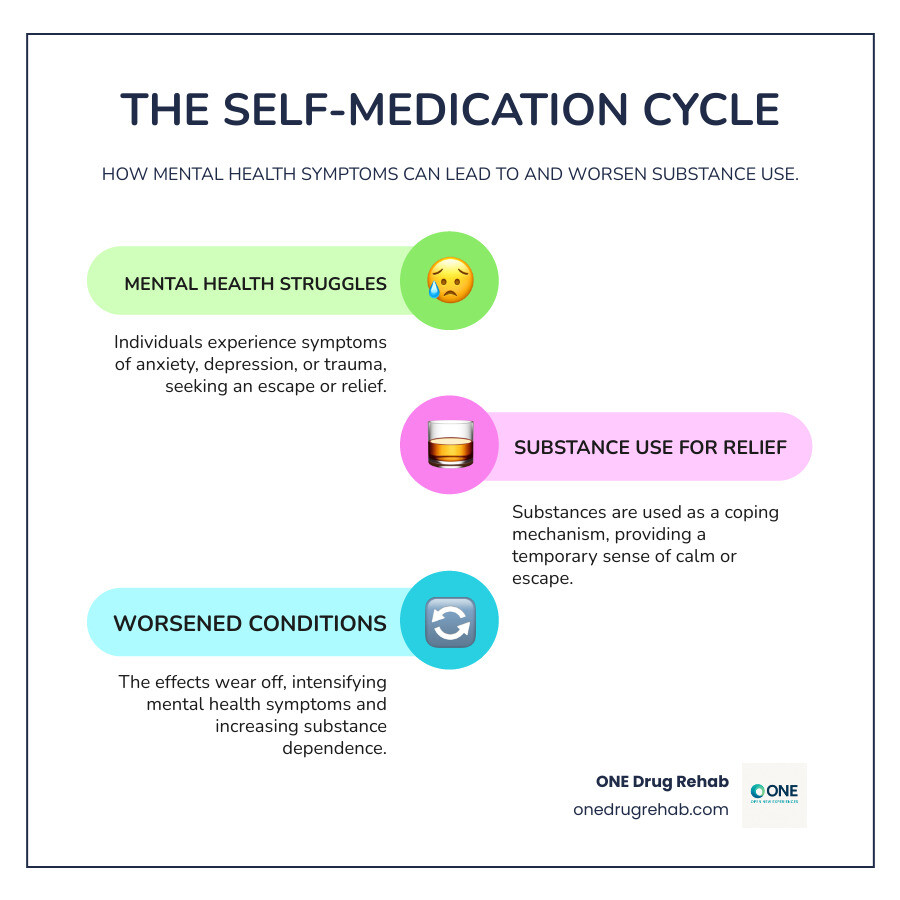
This creates a challenge: when someone with depression turns to alcohol for relief, the alcohol worsens the depression once it wears off. This vicious cycle leads deeper into addiction. Self-medication might seem helpful short-term, but it causes more harm long-term.
Treating both conditions together is critical. When mental health symptoms and substance use feed off each other, they both need attention at the same time.
The good news is that dual diagnosis is treatable. Integrated programs that address the whole person lead to better outcomes, lower relapse rates, and improved quality of life. You don’t have to choose between treating your mental health or your addiction; the right program treats both because they’re connected.
Dual diagnosis programs terms made easy:
Understanding Dual Diagnosis and Co-Occurring Disorders
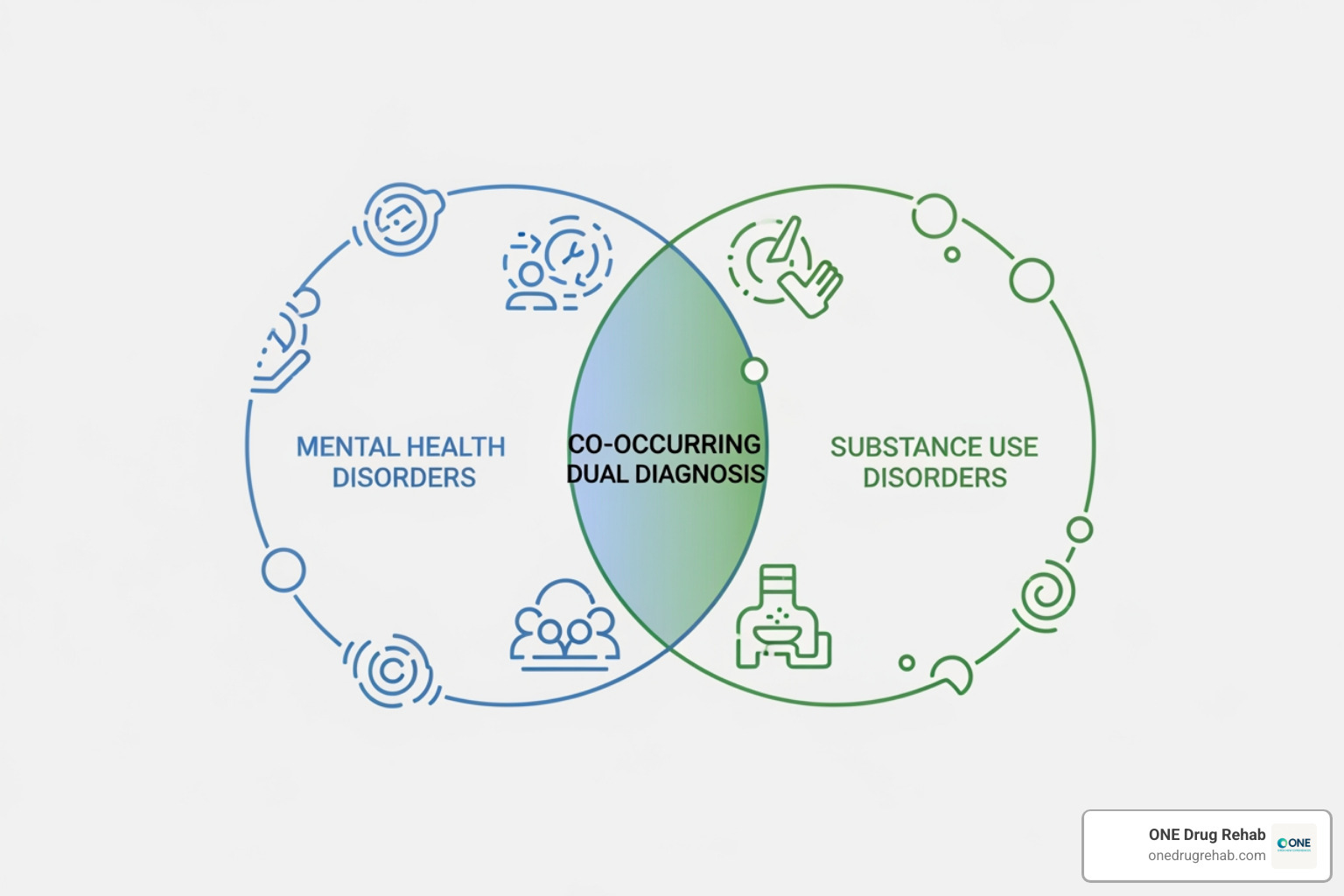
When someone struggles with both a mental health disorder and a substance use disorder, it’s called a dual diagnosis or “co-occurring disorders.” Both terms describe two or more disorders happening at the same time. These conditions are not isolated; they influence and worsen each other, creating a challenging cycle.
The prevalence is significant. According to the National Survey on Drug Use and Health, an estimated 19.4 million American adults had co-occurring disorders in 2021, with high rates among young adults aged 18–25. This underscores the need for specialized care. Understanding this interplay is the first step toward effective treatment, and we have more information on Co-occurring Disorder Treatment.
Common Co-Occurring Conditions
Many mental health disorders co-occur with substance use disorders (SUDs), as one can trigger or worsen the other. Common examples include:
- Depression: Individuals may use substances to cope with feelings of sadness or hopelessness.
- Anxiety Disorders: Substances might be used to temporarily alleviate intense worry, fear, or panic.
- Bipolar Disorder: Substance use may occur during manic episodes for stimulation or during depressive episodes for self-medication.
- Post-Traumatic Stress Disorder (PTSD): Trauma survivors often use substances to numb painful memories or flashbacks.
- Schizophrenia: Individuals may use substances to manage symptoms like hallucinations or cope with medication side effects.
- Borderline Personality Disorder (BPD): Intense emotional instability and impulsivity can lead to substance use as a coping mechanism.
- Eating Disorders: Substances may be used to control appetite, manage weight, or cope with body image issues.
Recognizing the Signs and Symptoms
Recognizing a dual diagnosis can be difficult as symptoms overlap. When both are present, signs can be more severe. Symptoms of co-occurring disorders to watch for include:
- Sudden changes in mood, energy, or routines
- Difficulty managing daily responsibilities
- Social withdrawal from friends and family
- Decline in personal hygiene or appearance
- Engaging in risky or impulsive behaviors
- Cognitive impairments or delusional thinking
- Poor performance at work or school
- Unexplained financial difficulties
- Resistance to seeking help
- Suicidal thoughts or behaviors
If you observe these signs, it’s crucial to seek professional help for an accurate diagnosis and treatment.
The Critical Need for Integrated Treatment
Treating mental health and substance use challenges in isolation rarely leads to lasting recovery because the two disorders are deeply intertwined. When one is left untreated, it often sabotages progress on the other. This is why simultaneous, integrated treatment is essential.
Integrated treatment means both the mental health and substance use disorders are addressed concurrently by the same team or program. This holistic approach targets the root causes of both conditions. Without it, individuals can get caught in a vicious cycle where mental health symptoms lead to substance use, which in turn worsens mental health. We explore this further in our guide on Dual Diagnosis Treatment.
Why Treating Both Conditions at Once is Essential
Treating both conditions simultaneously is paramount for several reasons:
- Improved Outcomes: Research shows integrated treatment leads to better long-term outcomes, including stable remission and reduced psychiatric symptoms. The effectiveness of integrated treatment is well-documented.
- Reduced Relapse Rates: Addressing underlying mental health issues reduces the urge to use substances as a coping mechanism, lowering relapse risk.
- Better Quality of Life: Managing both disorders improves housing stability, functional status, and overall well-being.
- Addressing Interconnected Symptoms: Clinicians can understand how symptoms of one disorder influence the other, such as treating anxiety to reduce the urge to drink alcohol.
- Comprehensive Care: This approach ensures all aspects of an individual’s well-being—physical, psychological, and social—are addressed for a more sustainable recovery.
The Dangers of Self-Medication
Self-medication is a common theme in dual diagnosis, where a person uses substances to cope with uncomfortable symptoms. While it may offer temporary relief, it’s a dangerous path. The self-medication hypothesis explains that using substances to alleviate distress often creates more problems.
For example, someone with depression might drink alcohol for a brief escape, but the depressive symptoms often return with greater intensity once the effects wear off. This creates a vicious cycle. The dangers of self-medication include:
- Worsening Mental Health: Substances can alter brain chemistry, making mental health disorders more severe.
- Increased Tolerance and Dependence: The body adapts to substances, requiring more to achieve the same effect, leading to addiction.
- Delayed Diagnosis: Self-medication can mask underlying mental health issues, delaying proper treatment.
- Negative Health Consequences: Substance abuse carries risks like organ damage, overdose, and chronic health problems.
Key Benefits of Integrated Care
Dual diagnosis programs with integrated care offer many benefits for long-term recovery:
- Accurate Diagnosis: A comprehensive assessment distinguishes between substance-induced symptoms and independent mental health disorders.
- Comprehensive Treatment Plan: Individuals receive a unified plan addressing the interplay between their conditions.
- Building Coping Skills: Treatment teaches healthy coping mechanisms for mental health symptoms and cravings.
- Relapse Prevention: Programs help individuals identify triggers and develop strategies to manage them.
- Increased Motivation: Therapies like motivational interviewing foster a stronger internal drive for recovery.
- Improved Life Skills: Training helps individuals rebuild their lives, manage finances, and improve relationships.
- Better Long-Term Outcomes: Integrated care leads to higher rates of sustained recovery and improved quality of life.
These benefits show why integrated care is the gold standard. For more on the positive impacts of professional help, see our guide on the Benefits of Rehab.
The Core Components of Effective Dual Diagnosis Programs
Effective dual diagnosis programs are holistic, featuring individualized plans, multidisciplinary teams, and a continuum of care. They recognize that there’s no “one-size-fits-all” solution for the unique combinations of co-occurring disorders. Our Behavioral Health Treatment Complete Guide offers broader insights.
What to Expect: From Assessment to Aftercare
Knowing what to expect can ease anxiety about entering a program. The process typically involves these stages:
- Initial Assessment: A thorough biopsychosocial evaluation assesses physical and mental health, substance use history, social environment, and trauma to create an accurate diagnosis.
- Personalized Treatment Plan: Based on the assessment, a custom plan is developed outlining therapies, medication, and support services to address both disorders simultaneously. The plan is adjusted as the individual progresses.
- Active Treatment: This phase involves individual and group therapy, psychoeducation, and medication management to build coping skills, address underlying issues, and stabilize mental health.
- Aftercare Planning: Discharge planning begins early, creating a strategy for continued support. This may include referrals to therapy, support groups, and supportive living environments, like those in our Sober Living Homes Guide 2025.
Evidence-Based Treatment Modalities
Dual diagnosis programs use proven, evidence-based therapies:
- Cognitive Behavioral Therapy (CBT): Helps change negative thought patterns and behaviors related to both disorders.
- Dialectical Behavior Therapy (DBT): Teaches skills in mindfulness, emotional regulation, distress tolerance, and interpersonal effectiveness.
- Motivational Interviewing (MI): A client-centered approach to resolve ambivalence about change and foster motivation for recovery.
- Group Therapy: Provides a supportive peer environment to share experiences and reduce isolation. Learn more in our Group Therapy Addiction Complete Guide.
- Family Therapy: Improves communication and builds a stronger family support system.
- Trauma-Informed Care: Recognizes and integrates knowledge about the impact of trauma into all aspects of treatment.
- EMDR (Eye Movement Desensitization and Reprocessing): A powerful therapy to process traumatic memories, often used for PTSD.
- Pharmacotherapy: Medication can manage mental health symptoms and support substance use recovery (e.g., Medication-Assisted Treatment or MAT).
The Role of Alcohol Detox in Dual Diagnosis
For those with alcohol use disorder, medically supervised detox is a crucial first step. It safely removes alcohol from the body, which is essential because withdrawal can be dangerous.
The role of detox in dual diagnosis includes:
- Medical Supervision and Safety: Medical detox provides 24/7 monitoring and medication to safely manage potentially life-threatening withdrawal symptoms.
- Withdrawal Management: Medications alleviate severe discomfort, making the process more humane.
- Stabilization for Therapy: Detox stabilizes a person physically and mentally, preparing them for deeper therapeutic work.
- Preparing for Rehab: A successful detox clears the body and mind, setting the stage for comprehensive rehab.
Safe detox is a critical bridge from active addiction to treatment. We provide more information on Detox Treatment Options.
Finding the Right Treatment Path for You
Finding the right dual diagnosis programs is a personal journey, as treatment needs are highly individualized based on the severity of the disorders, personal preferences, and location. Our guide on Addiction Treatment can help you understand the landscape of recovery options.
How to Find Specialized Dual Diagnosis Programs
The search can feel overwhelming, but there are reliable ways to find the right program:
- Doctor Recommendation: Your primary care physician or psychiatrist can assess your situation and offer referrals to reputable specialists or centers.
- Therapist Referral: An existing therapist can recommend programs that align with your therapeutic needs.
- Using Online Directories: Websites like ONEDrugRehab.com are a valuable resource for researching and filtering facilities that specialize in dual diagnosis. Always verify the credentials of any potential provider.
- Verifying Credentials and Asking Questions: Once you have a list of programs, ask about their integrated approach, staff qualifications, success rates, and how they tailor treatment. Look for accredited facilities.
Levels of Care: Inpatient vs. Outpatient
Dual diagnosis programs are offered at various levels of care to meet different needs.
| Feature | Inpatient Rehab | Partial Hospitalization Program (PHP) | Intensive Outpatient Program (IOP) |
|---|---|---|---|
| Setting | Residential facility, 24/7 supervision | Day treatment at a facility, evenings/nights at home | Scheduled sessions, live at home |
| Intensity | Highest: highly structured, constant support | High: structured daily therapy | Moderate: several hours/week of therapy |
| Medical Support | Full medical staff, often includes detox | Medical oversight available | Less direct medical supervision |
| Duration | Typically 30, 60, or 90 days, or longer | Weeks to months | Weeks to months |
| Ideal For | Severe disorders, unstable mental health, need for detox | Step-down from inpatient, strong home support | Stable mental health, strong support system |
- Inpatient Rehab: This provides a 24/7 structured environment, ideal for severe disorders or those needing medical detox. Patients reside at the facility for intensive treatment. Learn more about Inpatient Rehab for Drugs.
- Partial Hospitalization Program (PHP): Known as “day treatment,” PHP offers intensive therapy during the day while individuals return home at night. It’s a step down from inpatient care.
- Intensive Outpatient Program (IOP): IOPs offer a flexible schedule with several hours of therapy per week, allowing individuals to live at home and maintain work or school. Our Outpatient Rehab Programs Complete Guide has more details.
Specialized Support for Veterans
Veterans often face unique challenges, including high rates of combat-related trauma and PTSD alongside substance use disorders. Specialized dual diagnosis programs for veterans are crucial because they:
- Understand Military Culture: Staff understand the unique stressors and experiences of military service.
- Address Trauma: They provide trauma-informed care with specific therapies like EMDR.
- Integrate Support Systems: They connect veterans with community resources and veteran-specific support groups.
- Steer Insurance: Programs often work with TRICARE and other veteran-specific insurance. More information on Tricare Rehab Coverage is available.
Culturally competent and trauma-specific care is vital for helping veterans achieve lasting recovery.
Frequently Asked Questions about Dual Diagnosis Treatment
Here, we address some of the most common inquiries about treatment for co-occurring disorders.
How long do dual diagnosis programs typically last?
The duration of dual diagnosis programs varies based on individual needs, disorder severity, and level of care. There isn’t a fixed timeline, but common lengths include:
- Short-term residential: 30 days.
- Medium-term residential: 60 or 90 days.
- Long-term residential: Several months to a year or more.
- Outpatient programs (PHP/IOP): Several weeks to many months.
Recovery is a journey. Initial treatment provides a foundation, but ongoing therapy, support groups, and aftercare are vital for sustained recovery.
Is medication always used in dual diagnosis treatment?
No, but it is often a core component. The decision is made on a case-by-case basis by a medical professional. Medication can be crucial for:
- Managing Mental Health Symptoms: Antidepressants, mood stabilizers, or anti-anxiety medications can alleviate severe symptoms, making it easier to engage in therapy.
- Supporting Substance Use Recovery: Medication-Assisted Treatment (MAT) can reduce cravings and manage withdrawal symptoms for alcohol and opioid use disorders.
- Stabilization: Medication is sometimes essential for stabilizing a person during acute withdrawal or a mental health crisis.
When used, medication is part of a comprehensive plan that includes therapy. The goal is to use the lowest effective dose and monitor its effectiveness carefully.
How can I afford treatment for a dual diagnosis?
Concerns about cost are common, but many options can make treatment affordable. Our guide on How to Afford Rehab offers more detail. Common options include:
- Insurance Coverage: Most private and government plans (Medicaid, Medicare, TRICARE) cover treatment. The Affordable Care Act (ACA) mandates this coverage, but you should verify your specific benefits.
- Payment Plans: Many centers offer installment plans.
- Sliding Scale Fees: Some facilities adjust costs based on your income.
- State-Funded Programs: Government grants can offer free or low-cost care.
- Loans and Financing: Specialized healthcare or personal loans can be an option.
- Scholarships: Non-profit organizations may offer grants to cover costs.
Contact a treatment center’s admissions department, as their financial counselors can help you steer insurance and payment options.
Conclusion: Taking the First Step Towards Integrated Healing
Navigating the complexities of co-occurring mental health and substance use disorders can feel like an uphill battle, but recovery is not only possible, it’s a journey many successfully undertake. The insights we’ve shared underscore a fundamental truth: integrated treatment is the most effective path forward. By addressing both conditions simultaneously, dual diagnosis programs offer a holistic approach that heals the whole person, not just isolated symptoms.
We’ve seen that self-medication, while offering temporary relief, ultimately deepens the mess of these disorders. Conversely, integrated care provides improved outcomes, reduced relapse rates, and a significantly better quality of life. From comprehensive assessments and evidence-based therapies like CBT and DBT to the crucial role of medical detox and custom aftercare, these programs are designed to provide the tools and support needed for lasting change.
Finding the right program involves understanding your needs, exploring different levels of care, and asking the right questions. Whether through inpatient, partial hospitalization, or intensive outpatient programs, and with specialized support for populations like veterans, there is a treatment path suited for everyone.
Recovery is a journey, and taking that first step towards integrated healing is the most important one. You are not alone, and effective help is available. If you or a loved one are ready to explore options, we encourage you to Find a dual diagnosis provider near you and begin the path to a healthier, more fulfilling life.