

Understanding the Path to Recovery
Substance abuse treatment includes a range of services to help people overcome substance use disorders (SUDs). Treatment is not one-size-fits-all and can include medical detox, inpatient or outpatient rehab, medication-assisted treatment (MAT), therapy, and support groups.
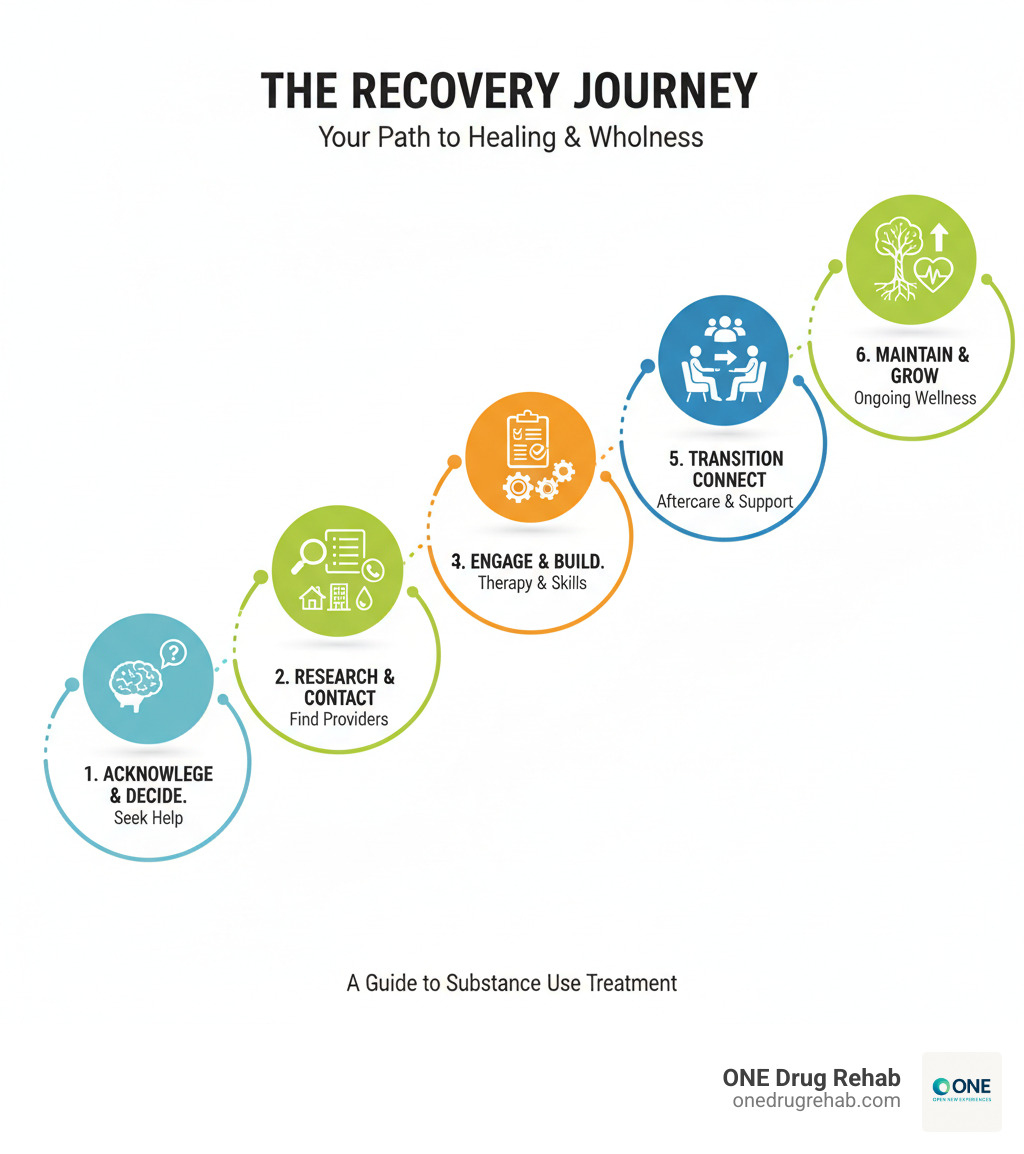
Over 46 million Americans have a substance use disorder, but the vast majority do not receive help. This treatment gap persists even though recovery is possible and happens every day. The journey begins by acknowledging the need for help and finding the right services for your unique situation.
Addiction is now understood as a chronic brain disease that alters brain function. It is a medical condition that responds to treatment, not a moral failing. While challenges like the COVID-19 pandemic have increased substance use for many, treatment has adapted with telehealth and other flexible options.
Finding the right program can feel overwhelming. This guide is designed to help you understand your options and steer the path to healing for yourself or a loved one.
Understanding Substance Use Disorder (SUD)
Substance Use Disorder (SUD) is a complex mental health condition characterized by a problematic pattern of substance use that negatively impacts a person’s health, relationships, and quality of life. It’s a medical condition that changes how the brain works, not a failure of willpower.
While substance abuse refers to a pattern of use that causes problems, addiction is a chronic brain disease that involves compulsive substance use despite devastating consequences. Research from the National Institute on Drug Abuse (NIDA) shows that substances flood the brain’s reward system with dopamine. Over time, the brain adapts, requiring more of the substance to feel pleasure and prioritizing its use above all else. This is a medical issue that requires professional substance abuse treatment, just like any other chronic disease. To learn more, explore the science of addiction from NIDA.
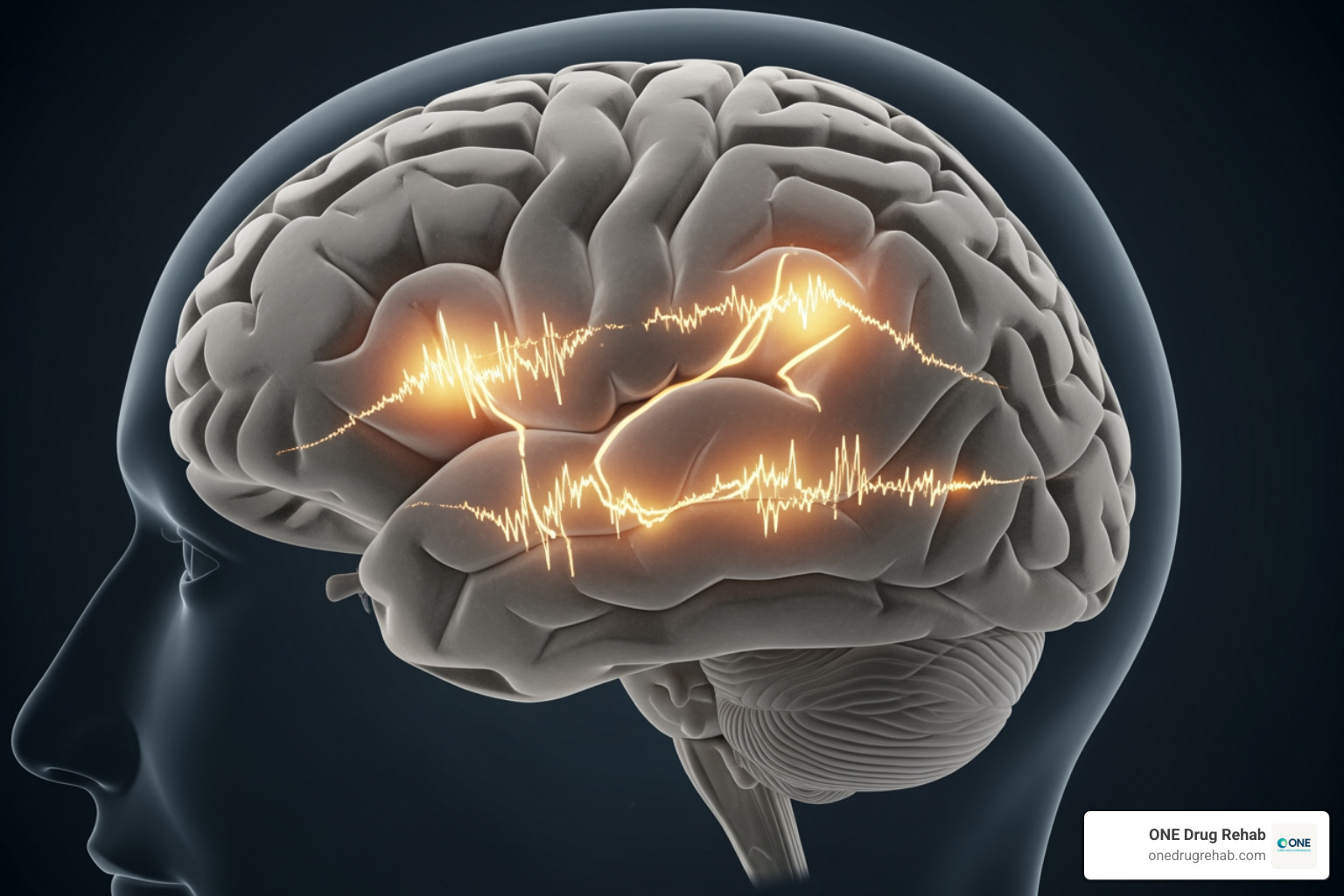
The consequences of SUD are far-reaching, leading to increased healthcare costs, lost productivity, and immense personal and family suffering. However, SUD is treatable, and recovery is possible for millions.
Common Types of Substance Use Disorders
Different SUDs require different treatment approaches. Common types include:
- Alcohol Use Disorder: The most common SUD in the U.S. For more information, see our guide on Alcohol Addiction Rehab.
- Opioid Use Disorder: Includes misuse of prescription painkillers, heroin, and fentanyl. Dependence can develop very quickly.
- Stimulant Use Disorder: Involves substances like cocaine, methamphetamine, and misused prescription stimulants. Our resources on Inpatient Cocaine Rehab Centers can provide guidance.
- Other Common SUDs: These include Cannabis Use Disorder, Tobacco Use Disorder, and misuse of prescription drugs like benzodiazepines. Polysubstance use, or using multiple substances, is also common and requires integrated treatment.
Recognizing the Signs and Symptoms of Addiction
Recognizing the signs of SUD is the first step toward getting help. According to the DSM-5, a diagnosis requires at least two of the following signs within a 12-month period:
- Using more of the substance or for longer than intended.
- Unsuccessful efforts to cut down or control use.
- Spending a great deal of time obtaining, using, or recovering from the substance.
- Strong cravings or urges to use.
- Neglecting major responsibilities at work, school, or home.
- Continued use despite social or interpersonal problems.
- Giving up important social, occupational, or recreational activities.
- Using in situations where it is physically hazardous.
- Continued use despite knowing it’s causing or worsening physical or psychological problems.
- Tolerance: Needing more of the substance to get the desired effect.
- Withdrawal: Experiencing physical or psychological symptoms when trying to stop.
The number of signs present indicates the severity of the SUD (mild, moderate, or severe). If you recognize these patterns, professional substance abuse treatment can help. For information on related conditions, see our Behavioral Health Treatment Complete Guide.
Core Components of Substance Abuse Treatment
Effective substance abuse treatment is individualized, evidence-based, and provides a full continuum of care that adapts to your changing needs. Recovery is a process, and treatment is structured to provide the right level of support at each stage.

For an overview of your options, visit our page on Types of Addiction Treatment.
Levels of Care: From Detox to Aftercare
Treatment is offered at different levels of intensity to match your needs:
- Medical Detoxification: The first step for many, this involves safely managing withdrawal symptoms under medical supervision.
- Residential Treatment (Inpatient): Provides 24/7 care in a structured, substance-free facility, typically for 30-90 days. This immersive approach allows you to focus entirely on healing.
- Partial Hospitalization Program (PHP): An intensive day treatment where you attend therapy for several hours a day but live at home.
- Intensive Outpatient Program (IOP): Offers structured therapy for a few hours, several days a week, allowing for more flexibility with work or family. Learn more at our IOP Drug Program page.
- Standard Outpatient Treatment: Involves weekly or bi-weekly therapy sessions, ideal for milder SUDs or as a step-down from more intensive care. See our Outpatient Rehab Program Ultimate Guide.
- Aftercare Planning: An essential plan for ongoing support after formal treatment ends, which may include continued therapy, support groups, and relapse prevention strategies.
Inpatient vs. Outpatient Programs: What’s the Difference?
Choosing between inpatient and outpatient care is a key decision. Inpatient programs offer a highly structured, 24/7 supervised environment away from daily triggers, making them ideal for severe SUDs or unstable home situations. Outpatient programs allow you to live at home and maintain daily responsibilities, which works well for those with milder SUDs and a strong support system.
| Feature | Inpatient/Residential Rehab | Outpatient Programs |
|---|---|---|
| Structure | Highly structured; 24/7 supervision; living at the facility. | Flexible; living at home; scheduled sessions. |
| Intensity | High; daily therapy, medical care, immersive environment. | Varies (IOP, PHP, standard outpatient); fewer hours/days per week. |
| Cost | Generally higher due to accommodation, meals, and round-the-clock care. | Generally lower as it doesn’t include living expenses. |
| Ideal Candidate | Severe SUDs, co-occurring mental health issues, unstable home environment, high risk of relapse, needing medical detox. | Mild to moderate SUDs, strong support system, stable home, ability to manage triggers, work/school commitments. |
| Environment | Substance-free, controlled, removed from daily triggers. | Engages with daily life, requiring self-management around triggers. |
| Medical Support | Constant medical monitoring and immediate access to care. | Scheduled access to medical staff; less immediate supervision. |
There is no single “better” option—only what is best for your situation. For more details, read How Do Residential and Outpatient Rehab Programs Compare? and Inpatient vs Outpatient Alcohol Rehab Success Rates.
The Role of Medication-Assisted Treatment (MAT)
Medication-Assisted Treatment (MAT) combines FDA-approved medications with counseling to treat SUDs, particularly for opioid and alcohol use. These medications are not a substitute for recovery but tools that reduce cravings and withdrawal symptoms, allowing you to engage more fully in therapy.
- For opioid use disorder, medications like Buprenorphine, Methadone, and Naltrexone are used.
- For alcohol use disorder, medications like Acamprosate, Disulfiram, and Naltrexone can be effective.
MAT is most successful as part of a comprehensive treatment plan. For more, visit our Medication-Assisted Treatment Overview.
Therapeutic Approaches in Addiction Recovery
Therapy is the core of substance abuse treatment, helping you understand the root causes of addiction and build coping skills.
- Cognitive Behavioral Therapy (CBT): Helps you identify and change negative thought patterns and behaviors related to substance use.
- Dialectical Behavior Therapy (DBT): Teaches skills in mindfulness, distress tolerance, emotion regulation, and interpersonal effectiveness.
- Motivational Interviewing (MI): A collaborative approach that helps you resolve ambivalence and find your own motivation to change.
- Family Therapy: Involves loved ones to heal relationships and build a supportive home environment. Learn more at Rehab for Families.
- Holistic Therapies: Practices like yoga, meditation, and art therapy address the whole person. Explore these at Holistic Drug Treatment.
- Biofeedback: A technique that helps you gain control over your body’s stress responses. See our Biofeedback Addiction Treatment page.
Addressing Co-Occurring Disorders and Specialized Needs
Roughly half of all individuals with a substance use disorder also have a co-occurring mental health condition. This is known as a “dual diagnosis.” The substance use and mental health condition are often deeply intertwined, with one often worsening the other. Treating both simultaneously in an integrated fashion is essential for lasting recovery.

For more information, our Co-occurring Disorder Treatment page offers helpful insights.
What is a Dual Diagnosis? Treating SUD and Mental Health Together
A dual diagnosis means treating a substance use disorder alongside a mental health condition like:
- Anxiety Disorders: People may use substances to self-medicate anxiety, which often makes it worse over time. Our Inpatient Rehab Anxiety Guide explains treatment options.
- Depression: Substance use can provide temporary relief from depression but ultimately deepens it, creating a vicious cycle. We explore options in our guide to Holistic Depression Treatment.
- Bipolar Disorder and PTSD: Individuals may use substances to cope with extreme mood swings or traumatic memories.
Effective dual diagnosis treatment addresses both conditions at the same time, preventing a cycle where one untreated condition undermines progress with the other.
Specialized Substance Abuse Treatment Programs
Effective substance abuse treatment meets you where you are. Many facilities offer specialized programs for specific populations:
- Seniors: Programs address age-related health issues, medication management, and social isolation. See our Inpatient Rehab for Seniors.
- Professionals: Offer discreet care for those in high-stress careers, addressing confidentiality and professional licensing concerns. Learn more in our Inpatient Rehab for Professionals Guide.
- Mothers and Pregnant Women: Provide care that includes prenatal support and parenting skills, sometimes allowing children to stay with their mothers. Explore our Inpatient Rehab for Mothers Guide.
- Other Specialized Programs: These can include faith-based programs, LGBTQ+ affirming care, and programs for veterans or adolescents, all designed to provide a safe and relevant healing environment.
Finding and Paying for Treatment
Taking the first step toward substance abuse treatment is courageous, but navigating the logistics of finding and paying for care can be daunting. Addiction is a medical condition, and seeking help is a sign of strength. Resources are available to help you through this process.
For a broad overview, our guide on Rehabilitation of Substance Abuse is a helpful starting point.
How to Find Reputable Treatment Facilities and Support
Several trusted resources can help you identify quality substance abuse treatment facilities.
- Online Resources: ONEDrugRehab.com is a third-party resource designed to help you research options independently. You can find treatment facilities with ONE Drug Rehab’s resources here.
- National Helplines: The SAMHSA National Helpline at 1-800-662-HELP (4357) offers free, confidential, 24/7 treatment referrals. For immediate crisis support, call or text the 988 Suicide & Crisis Lifeline. Our own 24 Hour Rehab Hotline is also available for assistance.
- State and Local Agencies: Your state’s health department or substance use agency maintains lists of licensed facilities and local resources.
- Healthcare Providers: Your primary care doctor or therapist can provide personalized referrals.
When contacting facilities, ask about their licensing, accreditation, and the evidence-based practices they use. A reputable center will answer your questions thoroughly.
Overcoming Barriers: Navigating Cost and Insurance
The cost of treatment should not be a barrier to recovery. Several options can make care affordable.
- Insurance Coverage: The Mental Health Parity and Addiction Equity Act (MHPAEA) requires most insurance plans to cover addiction treatment. Many private plans, Medicare, and Medicaid offer substantial coverage. The first step is to verify your benefits. Our Rehab Insurance Verification page can guide you through this.
- State-Funded Programs: If you are uninsured or underinsured, state-funded programs can offer free or low-cost treatment. Contact the SAMHSA National Helpline to find options in your area.
- Other Financial Options: Many facilities offer sliding scale fees based on income. Private pay with payment plans or financing is also an option. Don’t hesitate to ask facilities about scholarships or grants.
Financial problems can be overcome. For more guidance, explore our resources on Find Rehab Without Insurance and our Affordable Treatment Centers Complete Guide.
Building a Foundation for Lifelong Recovery
Completing a formal substance abuse treatment program is the beginning of a lifelong recovery journey. The focus now shifts to building a strong foundation for sobriety by developing relapse prevention strategies and healthy coping mechanisms. This process is about replacing old habits with positive new ones. Our Addiction Recovery Complete Guide offers more on this journey.
The Importance of Support Systems: Family, Friends, and Peers
No one recovers alone. A strong support network is one of the most powerful tools for maintaining sobriety.
- Family Support: Addiction affects the whole family. Family therapy helps heal relationships and creates a supportive home environment. Our guide on Rehab for Families explains this further.
- Peer Support Groups: Connecting with others in recovery provides invaluable camaraderie and accountability. Popular options include:
- 12-Step Programs: Alcoholics Anonymous (AA) and Narcotics Anonymous (NA) offer a structured path to recovery. Find meetings with our guide to 12 Step Groups Near Me.
- SMART Recovery: A self-empowering, science-based alternative to 12-step programs.
- Al-Anon/Nar-Anon: Support groups for family and friends of those with addiction.
- Sober Network: Cultivating friendships with other sober individuals is essential for building a new, healthy social life.
Strategies for Sustained Sobriety and Relapse Prevention
Relapse is a common part of recovery for many, but it does not equal failure. It is an opportunity to readjust your recovery plan. Key strategies for preventing relapse include:
- Identifying Triggers: Learn to recognize the people, places, and emotions that create an urge to use.
- Developing Coping Skills: Replace substance use with healthy ways to manage stress, such as exercise, mindfulness, and new hobbies.
- Aftercare and Continued Therapy: Ongoing support through therapy and aftercare programs helps reinforce the skills learned in treatment.
- Building a Balanced Lifestyle: Pursuing goals, hobbies, and healthy relationships creates a fulfilling life that makes sobriety sustainable.
Regularly reviewing your relapse prevention plan is a sign of commitment to your long-term well-being. For more on program effectiveness, see our guides on Does Rehab Work? and the Alcohol Rehab Success Rate Ultimate Guide.
Frequently Asked Questions about Substance Abuse Treatment
It’s natural to have questions when considering substance abuse treatment. Here are clear, honest answers to some of the most common concerns.
What is the difference between substance abuse and addiction?
Substance abuse is a harmful pattern of use that leads to negative consequences, like missing work or arguing with family. Addiction is a chronic brain disease characterized by compulsive drug seeking and use, where a person cannot stop despite wanting to and despite severe harm. Abuse is a problematic pattern; addiction involves a loss of control driven by changes in the brain.
How effective is substance abuse treatment?
Substance abuse treatment is very effective, comparable to treatments for other chronic diseases like diabetes or asthma. Success rates are often cited between 40-60%, but effectiveness depends on the treatment being custom to the individual, the duration of care, and engagement in aftercare. Relapse is not a sign of failure but an indication that the treatment plan needs adjustment. The goal is not just abstinence but an improved quality of life.
Can I be forced to go to rehab?
Yes, in some situations. Court-ordered rehab is a common example, where treatment is mandated as part of a legal sentence. In some states, civil commitment laws (like Florida’s Marchman Act) allow families to petition a court to compel treatment if a person is a danger to themselves or others. While starting treatment involuntarily can be challenging, many individuals find their own motivation to recover once they are in a safe and supportive environment. Our page on Court-Ordered Inpatient Rehab provides more detail.
Your Path to Recovery Starts Today
Seeking information about substance abuse treatment is a courageous first step. Recovery is a personal journey with many paths—from inpatient programs and 12-step groups to outpatient care and holistic therapies. The right path is the one that works for you.
Recovery is an ongoing process of growth, not a final destination. There will be good days and challenging ones, but hope and healing are always achievable. Millions of people are living proof that it is possible to recover from even the most severe substance use disorders.
Taking the first step is often the hardest part. If you are ready, know that support is available and a better life is waiting.
ONEDrugRehab.com is a third-party, non-affiliated resource. We do not promote specific facilities; our goal is to provide you with honest information so you can research your options and make the best choice for your unique situation. Your future is within reach, and the journey is worth it.
Begin your search for a treatment provider and start writing your recovery story today.